

Imagine receiving a chilling phone call—someone claiming they’ve kidnapped your loved one. You hear screaming in the background, and the scammer demands money immediately. Panic sets in. But here’s the twist: no one is actually kidnapped. This terrifying scam is called digital kidnapping, a fraudulent tactic used by cybercriminals to trick people into sending ransom money for a fake hostage situation.
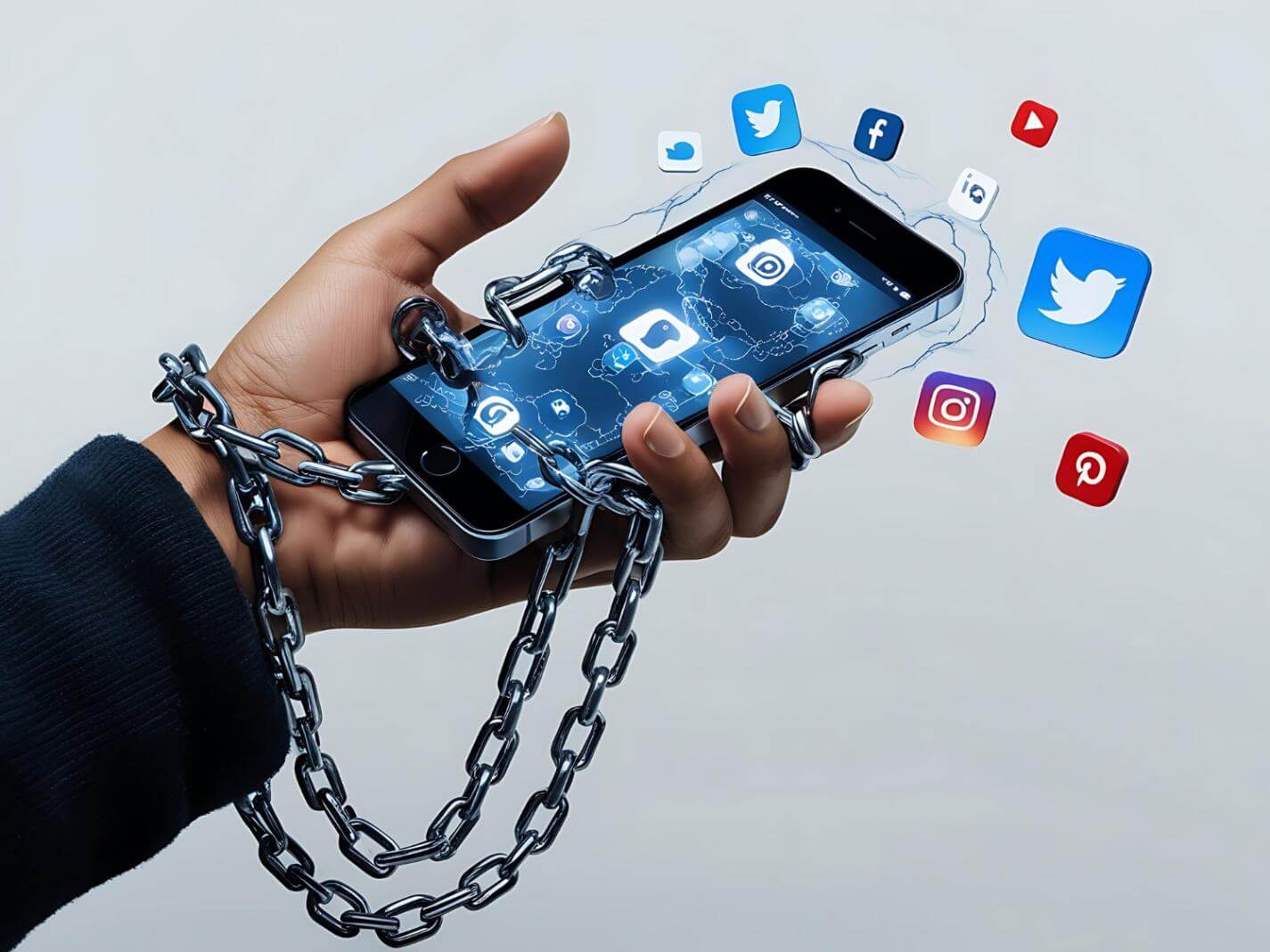
In this article, we’ll break down how these scams work, who the targets are, how to protect yourself, and what to do if you fall victim. Let’s dive in.
What Is Digital Kidnapping?
Digital kidnapping is when scammers pretend to have kidnapped someone and demand a ransom, often using stolen personal information and manipulated audio to make it seem real. Unlike traditional kidnappings, no physical abduction occurs—only psychological manipulation.
These scams rely on fear and urgency. The criminals use stolen data, social media information, and even AI-generated voices to make the scenario convincing. Victims are often so overwhelmed by emotion that they comply without verifying the claim.
How Do Digital Kidnapping Scams Work?
Scammers are sophisticated and use a variety of tactics to make their threats seem legitimate. Here’s a step-by-step look at how they operate:
- Gathering Personal Information
Cybercriminals scour social media for names, relationships, photos, and recent activities of potential targets. - Contacting the Victim
They call or text, claiming to have kidnapped a family member. To make it sound authentic, they sometimes use AI-generated voices that mimic real people. - Creating Urgency and Fear
Victims often hear screaming or crying in the background to manipulate their emotions. The scammer threatens harm if the ransom isn’t paid immediately. - Demanding Quick Payment
Victims are pressured to send money via untraceable methods like cryptocurrency, prepaid cards, or wire transfers. - Disappearing Without a Trace
Once the money is sent, the scammer vanishes, leaving the victim devastated and confused.
Who Do Scammers Target?
Digital kidnapping scams can happen to anyone, but some people are more vulnerable than others.
Parents
Scammers often target parents, knowing they’ll do anything to protect their children. By gathering information from social media, they can make the situation seem terrifyingly real.
Elderly Individuals
Older adults are frequent targets because they may not be as familiar with scam tactics and tend to panic easily.
Business Professionals
Scammers sometimes target high-profile individuals or business owners, assuming they have more money to pay a ransom quickly.
Why Are These Scams Increasing?

The rise of digital kidnapping scams is fueled by several factors:
- Easy Access to Personal Data
Social media makes it simple for criminals to find personal information about potential victims. - Advanced Technology
AI-generated voices, caller ID spoofing, and deepfake technology make it easier to fool people. - Quick & Untraceable Payments
Cryptocurrency and online payment methods make it difficult for law enforcement to track down scammers. - Psychological Manipulation
Scammers exploit fear and urgency, making victims act before thinking critically.
Signs You’re Being Scammed
If you receive a kidnapping ransom call, look for these red flags:
- The caller refuses to let you speak to the supposed victim.
- They demand payment immediately via cryptocurrency or wire transfer.
- They threaten extreme violence if you don’t comply.
- The caller ID is blocked or untraceable.
- The call is full of generic phrases like “We have your loved one” without specific details.
How to Verify If a Kidnapping Claim Is Fake
Before panicking and sending money, take these steps to verify the claim:
- Try to Contact the Supposed Victim
Call or text them directly. In most cases, they’ll answer and prove they’re safe. - Ask Specific Questions
Scammers rely on vagueness. Ask for details only the real person would know. - Listen Carefully
Background noises like crying or screaming might be pre-recorded. - Check Caller ID and Phone Number
Look up the number online to see if others have reported similar scams. - Involve the Authorities
Contact law enforcement before taking any action.
How to Protect Yourself From Digital Kidnapping Scams
Preventative measures can save you from falling victim. Here’s how:
Limit Personal Information Online
Avoid sharing travel plans, names of family members, or personal details publicly.
Use Privacy Settings on Social Media
Set your profiles to private and restrict access to personal posts.
Educate Your Family and Friends
Make sure your loved ones know about these scams and how to respond.
Have a Family Code Word
Create a secret word only your family knows. If someone claims to be in danger but doesn’t say the code word, it’s likely a scam.
Don’t Answer Calls from Unknown Numbers
Let them go to voicemail. If it’s important, they’ll leave a message.
Verify Before Acting
Always check with other family members before sending money.
What to Do If You Fall Victim

If you’ve already sent money, don’t panic—there are still steps you can take:
- Contact Your Bank or Payment Service
Report the transaction and see if you can stop or reverse it. - File a Police Report
Provide law enforcement with as many details as possible. - Report the Scam to the Authorities
In the U.S., report it to the FBI’s Internet Crime Complaint Center (IC3) or the Federal Trade Commission (FTC). - Alert Your Friends and Family
Warn others so they don’t fall for the same scam. - Monitor Your Accounts
If the scammers got any of your personal information, be on the lookout for identity theft.
Conclusion
Digital kidnapping scams are a terrifying and manipulative crime designed to exploit fear. Scammers use advanced technology and psychological tactics to trick people into sending ransom money for fake kidnappings. However, by staying informed, protecting your personal information, and knowing how to verify claims, you can avoid falling victim.
The next time you receive a suspicious call demanding ransom, take a deep breath, stay calm, and verify before taking action. Knowledge is your best defense.
FAQs
1. Can scammers use AI to fake a loved one’s voice?
Yes, with advancements in AI voice cloning, scammers can generate realistic audio clips mimicking real people.
2. What’s the first thing I should do if I get a ransom call?
Stay calm, try to contact the supposed victim directly, and verify the claim before taking any action.
3. How do scammers get personal details?
They use social media, data breaches, and public records to gather information.
4. Should I report digital kidnapping scams?
Absolutely. Report it to local law enforcement, the FBI’s IC3, or the FTC to help track scammers and prevent others from falling victim.
5. What payment methods do scammers usually ask for?
They prefer untraceable methods like cryptocurrency, prepaid gift cards, or wire transfers.
By following these guidelines, you can stay one step ahead of scammers and keep your loved ones safe from digital kidnapping scams.