


Let’s face it—forex trading has an intimidating reputation. If you’ve ever mentioned the idea to someone, you’ve probably heard comments like, “That’s only for millionaires” or “You need a fortune to start.”The truth? That’s one of the oldest and most misleading myths in the trading world. Forex trading is not an exclusive playground for the rich. In fact, today, it’s more accessible than ever—thanks to technology, online brokers, and leverage.
But here’s the catch: while you can start with a small amount of capital, that doesn’t mean success is automatic. The accessibility of forex is both a blessing and a curse—it’s like giving someone the keys to a race car without teaching them how to drive.
In this article, we’ll break down why forex isn’t just for the wealthy, the real cost of starting, and the risks you can’t afford to ignore.
1. The Origin of the “Only for the Rich” Myth
Back in the day, forex trading was dominated by banks, hedge funds, and high-net-worth individuals. The barriers to entry were massive—you needed hundreds of thousands of dollars just to play.
Why?
-
Limited access: Retail traders couldn’t easily connect to interbank markets.
-
No online platforms: Everything was done over the phone with big brokers.
-
Strict regulations: Few jurisdictions allowed small investors to participate.
So yes, once upon a time, you had to be loaded to trade forex. But that was decades ago. The internet changed everything.
2. How the Internet and Brokers Changed the Game
The rise of online forex brokers in the late 1990s flipped the script. Suddenly, traders could open accounts with as little as $50 or $100.
Brokers introduced:
-
Micro and nano accounts (letting you trade with small amounts)
-
Leverage (borrowing trading power to control larger positions)
-
Easy access via platforms like MetaTrader 4 and 5
This democratization meant that anyone with an internet connection and a small deposit could trade currency pairs from home—or even from their phone.
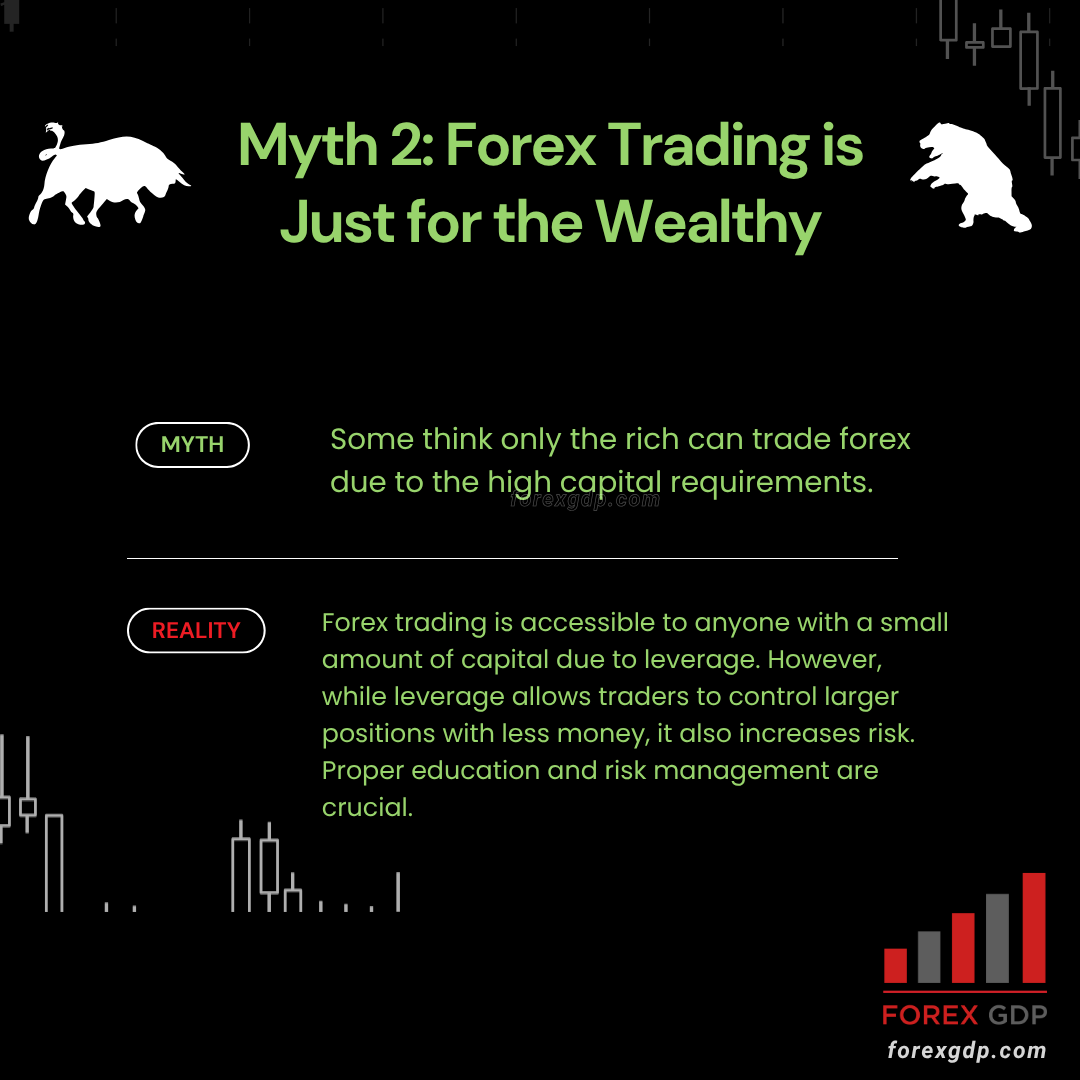
3. The Role of Leverage in Making Forex Accessible
Leverage is the magic word here.
If you have $100 and your broker offers 1:500 leverage, you can control a $50,000 position. Sounds amazing, right?
But here’s the danger—leverage works both ways. Just as it magnifies profits, it can multiply your losses at lightning speed. That’s why so many beginners blow their accounts in weeks.
Leverage is like a sharp knife—use it carefully, and it’s a great tool. Handle it carelessly, and you’ll get cut.
4. How Much Money Do You Actually Need to Start Forex Trading?
Let’s clear this up once and for all. You don’t need $100,000 to start. Many brokers let you start with:
-
$10–$50 for micro accounts
-
$100–$500 for standard accounts
However, just because you can start small doesn’t mean you should go in with unrealistic expectations. Turning $50 into $50,000 overnight? Not going to happen—unless you’re willing to take insane (and reckless) risks.
5. The Problem with “Small Account” Mindset
Trading with a small account is possible, but here’s the mental trap:
-
Many traders over-leverage to “make big gains fast.”
-
They ignore risk management rules because the account feels too small to bother.
-
Losses feel less painful at first, leading to careless trading.
This mindset is the number one reason most retail traders fail. They’re not treating their small accounts like a business—they’re treating them like a lottery ticket.
6. Why Education Is More Valuable Than Capital
If you gave a professional trader $100, they could grow it steadily without blowing it up. If you gave an inexperienced trader $100,000, they’d probably lose it all in a month.
See the difference?
Knowledge > Money when it comes to long-term success in forex.
Before worrying about how much you need to start, invest in:
-
Understanding technical and fundamental analysis
-
Learning risk management strategies
-
Developing emotional control (yes, trading psychology matters)

7. Risk Management – The Equalizer
Risk management is the single thing that puts small-account traders on the same playing field as big players.
That means:
-
Never risking more than 1–2% per trade
-
Using stop-loss orders religiously
-
Avoiding revenge trading after a loss
It’s not glamorous, but it’s the difference between surviving long enough to learn and going broke in your first week.
8. The Illusion of Quick Wealth
The forex world is flooded with flashy ads promising to turn $100 into a luxury lifestyle in 30 days. Let’s be real—those are scams.
The truth?
-
Consistent profits take time.
-
Most successful traders treat forex like a long-term investment in their skills.
-
Big wins are rare; steady gains are the goal.
Think of forex like going to the gym. You don’t get a six-pack in a week—you get it through months (or years) of discipline.
9. Why Even the Wealthy Lose Without Skills
Here’s the irony—being rich doesn’t protect you from losing in forex. Many wealthy investors lose millions because they underestimate the market.
The market doesn’t care about your bank balance—it cares about your strategy, discipline, and adaptability.
10. The Advantages Small Traders Have Over the Rich
Believe it or not, small traders have some unique advantages:
-
Flexibility: You can enter and exit trades without moving the market.
-
No pressure from investors: You’re trading your own money, not a fund’s.
-
Ability to experiment: You can try new strategies without risking millions.
11. Steps to Start Forex Trading with Limited Capital
If you’re starting with a small account, here’s how to set yourself up for success:
-
Choose a regulated broker with low minimum deposits.
-
Start with a demo account until you’re consistently profitable.
-
Use micro-lots to minimize risk.
-
Set realistic profit goals (think in percentages, not dollars).
-
Keep a trading journal to track mistakes and improvements.

12. The Bottom Line – It’s Not About Wealth, It’s About Wisdom
Forex trading is no longer just for the wealthy. With a small deposit, the right broker, and the right mindset, anyone can enter the market.
But here’s the uncomfortable truth:
While money gets you into the game, knowledge, discipline, and risk management keep you in it. Without those, it doesn’t matter if you start with $50 or $5 million—you’ll end up with zero.
Conclusion
The myth that forex trading is just for the wealthy is outdated and misleading. Yes, the rich may have more cushion to absorb losses, but they face the same risks as everyone else. Thanks to online brokers and leverage, the barrier to entry is lower than ever—but that also means more inexperienced traders are blowing their accounts.
If you’re starting small, treat it like training wheels. Focus on skill-building, not instant riches. The real wealth in forex comes from mastering the craft—not from starting with a big bankroll.
FAQs
1. Can I start forex trading with $50?
Yes, many brokers allow it, but you’ll need to use micro-lots and manage your risk carefully to survive.
2. Is leverage safe for beginners?
Not really. It’s risky unless you fully understand how it works and apply strict risk management.
3. Why do most traders lose money?
Poor risk management, lack of discipline, and unrealistic expectations are the main culprits.
4. Do I need a broker to trade forex?
Yes, unless you’re trading through a bank, you’ll need a broker to access the forex market.
5. How long before I can make a living from forex?
It varies—most traders take several years of consistent practice before achieving reliable profits.