

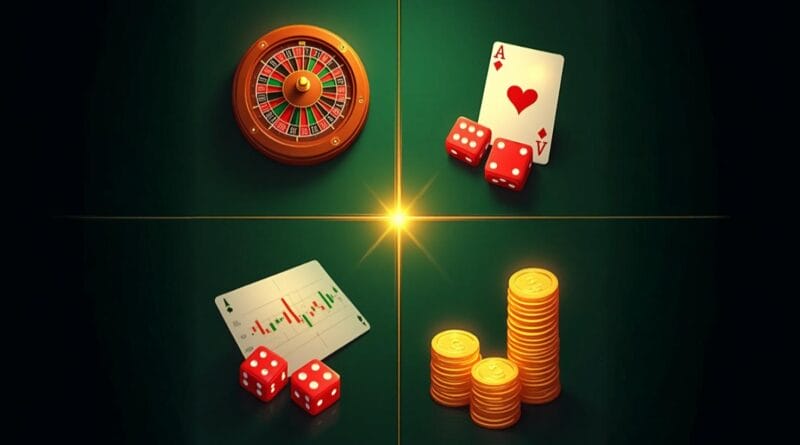
When people hear the word forex trading, their minds often jump to casinos, poker tables, or slot machines. The common myth? Forex is nothing more than gambling with charts and fancy jargon. But here’s the truth: forex trading is not gambling—at least, not when done the right way. While gambling thrives on pure luck, trading thrives on skill, discipline, and strategy.
This article dives deep into why forex is wrongly compared to gambling, the dangers of treating it like one, and how professional traders actually separate themselves from gamblers. Buckle up, because we’re about to bust this myth once and for all.
Why People Think Forex is Gambling
Forex trading and gambling share one obvious similarity: both involve risking money to (hopefully) make more money. That surface-level comparison makes skeptics assume forex is just betting on currencies going up or down.
But let’s ask: is investing in a business also gambling? Is buying real estate gambling? Of course not. The difference lies in the foundation—analysis, planning, and strategy. Sadly, many newcomers jump into forex without learning, place random trades, and then cry foul when they lose. That reckless behavior does resemble gambling, which fuels the stereotype.
The Core Difference: Chance vs. Strategy
At its heart, gambling is built on chance. Slot machines don’t care how much research you do—they’re designed to beat you.
Forex, on the other hand, runs on economic laws, global events, technical analysis, and trader psychology. A trader can evaluate interest rate decisions, analyze candlestick patterns, or study market sentiment to stack the odds in their favor. That’s strategy, not chance.
The Role of Risk Management
Ask any professional trader what separates them from gamblers, and they’ll say: risk management.
Gamblers often go “all in.” Traders, on the other hand, protect their capital. They use stop-loss orders, calculate position sizes, and never risk more than a small percentage of their account in a single trade.
Think of it like driving a car. A gambler floors the gas and hopes for the best. A trader wears a seatbelt, follows the traffic rules, and knows when to brake. Which driver is more likely to reach the destination safely?
Why Many Beginners End Up Gambling in Forex
Here’s the ugly truth: forex can turn into gambling if you don’t know what you’re doing.
-
Jumping into trades without analysis.
-
Chasing losses by doubling positions.
-
Trading out of boredom.
-
Ignoring stop-losses.
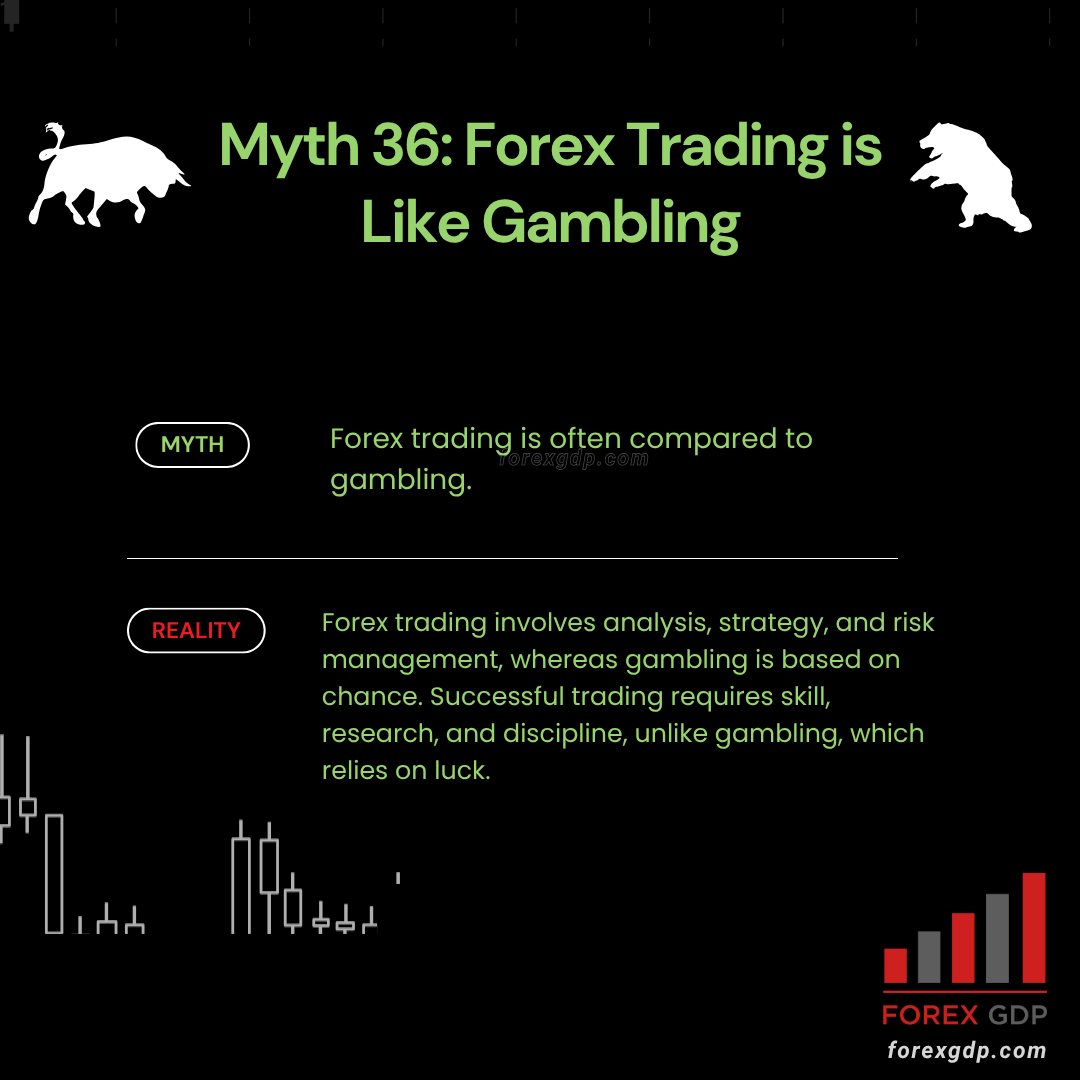
Sound familiar? That’s not trading; that’s gambling disguised as trading. Beginners often confuse luck with skill, and when their luck runs out, they blame forex itself instead of their own approach.
The Importance of Education
A gambler relies on “luck” or “gut feeling.” A trader relies on education.
Forex trading requires learning technical analysis, fundamental analysis, money management, and trading psychology. It’s like studying medicine or engineering—you don’t become a doctor overnight, and you don’t become a profitable trader by watching two YouTube videos.
Without education, forex will chew you up and spit you out.
Discipline: The Trader’s Secret Weapon
Discipline is what keeps a trader from becoming a gambler. Gamblers act on impulse. Traders follow a plan.
A disciplined trader:
-
Waits for setups instead of forcing trades.
-
Accepts losses calmly instead of chasing them.
-
Sticks to a proven strategy instead of switching every week.
If you can’t control your emotions, forex will feel like a casino. But if you stay disciplined, it becomes a serious business.
Emotions: The Silent Killer in Trading
What do gambling and forex have in common? Both trigger powerful emotions—fear, greed, excitement, and desperation.
The difference lies in how you handle those emotions. Gamblers let emotions run the show. Traders learn to manage them.
-
Greed makes gamblers bet their winnings and lose it all.
-
Fear makes gamblers pull out too early.
-
Excitement blinds them to risk.
A trader acknowledges these feelings but doesn’t let them dictate decisions. That emotional control is what makes forex trading sustainable.
The Long-Term vs. Short-Term Game
Gamblers live in the short term. One spin, one bet, one hand of cards. Traders, however, think long-term.
Sure, a single trade can be a win or loss, but traders measure success over months and years, not minutes. A winning strategy may lose today but still win over 100 trades. Gambling rarely offers that kind of long-term edge.

Why the Gambling Myth is Dangerous
Here’s the real problem: if you believe forex is gambling, you’ll treat it that way. And if you treat it like gambling, you’ll lose money like a gambler.
This mindset kills thousands of beginner accounts every year. Traders who see forex as a get-rich-quick scheme end up broke, bitter, and convinced the market is rigged. But the truth is, their mindset doomed them from the start.
Comparing the Odds: Casino vs. Forex
Let’s compare.
-
In casinos, the house always wins. Odds are rigged in the casino’s favor.
-
In forex, the “house” (broker) doesn’t control outcomes. The market is influenced by global supply and demand.
Yes, there are risks. Yes, you can lose. But with skill, discipline, and strategy, you can tilt the odds in your favor. That’s impossible in gambling.
How to Avoid Turning Forex into Gambling
If you’re worried about slipping into gambling habits, here’s a quick checklist:
-
Have a plan – know your entry, exit, and stop-loss before every trade.
-
Never risk more than 1–2% of your account per trade.
-
Backtest strategies before risking real money.
-
Keep a trading journal to learn from mistakes.
-
Take breaks—don’t trade out of boredom or frustration.
Follow these rules, and you’ll trade like a professional, not a gambler.
The Role of Luck in Trading
Now, let’s be honest. Is there some luck in trading? Absolutely. A sudden news event can send markets against you. But here’s the catch: luck doesn’t decide your future in trading. Strategy does.
Think of trading like sailing. You can’t control the wind (luck), but you can control your sails (strategy). A gambler lets the wind toss him around. A trader learns how to navigate it.

Professional Traders vs. Gamblers
Let’s wrap this up with a side-by-side comparison:
| Trader | Gambler |
|---|---|
| Studies markets, follows a plan | Relies on luck or hunches |
| Manages risk, protects capital | Bets big and risks it all |
| Thinks long-term | Chases short-term wins |
| Treats losses as lessons | Panics or doubles down |
| Uses analysis and data | Uses feelings and superstition |
See the difference? Same money on the line, but completely different approach.
Conclusion
Forex trading isn’t about rolling the dice; it’s about building strategies, managing risk, and staying disciplined in the face of uncertainty. The line between trading and gambling lies in your approach. If you respect the craft, it rewards you with consistency. If you ignore the rules, it punishes you like a casino.
So, the next time someone says, “Forex is just gambling,” smile and remember: the market isn’t a casino—it’s a business.
FAQs
1. Is forex the same as gambling?
No. Gambling relies purely on chance, while forex trading involves research, strategy, and risk management.
2. Can forex turn into gambling?
Yes, if you trade without education, discipline, or a plan, it becomes gambling.
3. Why do beginners lose money in forex?
Most beginners rush in without learning, overtrade, and ignore risk management, making them trade like gamblers.
4. Is luck important in forex trading?
Luck can affect individual trades, but long-term success depends on skill, not luck.
5. How do I avoid gambling in forex?
Have a solid trading plan, manage your risk, use stop-losses, and treat trading like a business, not a game.