

So, you want to level up your trading game? That’s great. But here’s the bitter truth—most traders never get there. Why? Because they treat trading like a slot machine, a hobby, or even worse, like a get-rich-quick scheme. The reality is, if you don’t start taking your trading seriously, you’ll keep feeding the market your hard-earned money, and it won’t blink an eye while swallowing it whole.

Let’s talk about how you can actually improve your trading game. Not the sugar-coated, motivational nonsense you see everywhere. But the real, harsh, sometimes uncomfortable truth that will either save you from blowing up your account or push you to finally quit before it’s too late.
Treat Trading Like a Business, Not a Casino
Here’s the deal—most people trade like gamblers. They throw in random amounts of money, chase every setup, and pray the market magically rewards them. That’s not trading, that’s gambling. And the house (the market) always wins.
A business has structure, strategy, goals, and discipline. A casino mindset has excitement, adrenaline, and disaster waiting around the corner. If you don’t start treating your trades like business transactions—planned, measured, and calculated—you’re just another gambler feeding the system.
Think of it this way: if you opened a restaurant, would you just randomly serve dishes and hope people pay? Of course not. You’d plan the menu, manage expenses, track profits, and keep customers satisfied. Why should trading be any different?
Position Sizing: The Boring Secret That Saves Accounts
Let’s be honest, nobody likes to talk about position sizing because it sounds boring. But guess what? It’s the number one thing that will keep you alive in this game. Position sizing is simply how much you risk per trade. And here’s the scary part—most traders risk way too much.
You wouldn’t put all your chips on one spin of the roulette wheel, right? (Unless you’ve lost your mind). Yet, traders do the same thing when they put half their account on a single trade. One wrong move and boom—the account’s gone.
Instead, risk a tiny percentage of your account per trade. Think of it as survival insurance. Your goal is not to win one big trade and retire. Your goal is to stay in the game long enough to catch the setups that do work out. Small positions keep you calm, reduce emotional chaos, and prevent account blowouts.
Master a Few Simple Price Action Strategies
Here’s where most traders shoot themselves in the foot—they chase every fancy indicator and strategy they find on YouTube. One week it’s RSI, the next week it’s MACD, and then they’re drawing Fibonacci lines like some kind of wizard. Spoiler alert: it doesn’t work.
The truth? Price action is king. It’s simple, clean, and brutally honest. Learning a handful of price action setups—like breakouts, retests, or pin bars—and mastering them will take you further than 20 useless indicators clogging your screen.
Think of it like sports. A basketball player doesn’t master every move in the book. They get really good at a few solid moves and crush the competition. Do the same in trading. Stop chasing everything shiny and just master the basics.
Risk and Reward: The Game of Math You Can’t Escape


Let’s cut through the nonsense—trading is math, not magic. You can’t escape the numbers, no matter how much you want to believe in luck or gut feeling. Risk-to-reward ratios are the cold, hard math that decides your fate.
Here’s the ugly truth: if you risk $100 to make $50, you’re digging your own grave. You might win a few trades, but eventually, the losses will crush you. On the flip side, if you risk $50 to make $150, you don’t need to be right all the time. You can lose more trades than you win and still walk away profitable.
It’s like flipping a coin with loaded odds. Why would you ever play a game stacked against you? Yet, most traders do it every day without even realizing it.
Stop Romanticizing Trading—It’s Not Glamorous
Let’s be blunt: trading isn’t glamorous. Forget the Instagram “traders” flashing rented Lamborghinis and fake profit screenshots. That’s marketing, not reality. Real trading is boring. It’s waiting, managing risk, staring at charts, and dealing with frustration.
If you came into trading for the lifestyle, you’re already doomed. The only “lifestyle” you’ll get is being broke and stressed if you treat trading like a shortcut to riches. The ones who survive are those who grind quietly, manage risks, and stop caring about showing off.
Think of trading like farming. You plant seeds, water them, wait patiently, and only later reap the rewards. If you’re looking for instant results, you’ll keep harvesting losses instead.
Use Affirmations to Train Your Trading Mindset
This might sound cheesy, but mindset matters more than you think. Trading is 80% psychology and only 20% strategy. The market doesn’t care about your emotions, but your emotions will destroy you if you let them.
Printed affirmations can actually help keep your mind in check. Stick a note on your monitor that says “Don’t Chase Trades” or “Risk Small, Think Big.” These little reminders may sound silly, but they rewire your brain to stay disciplined when greed and fear creep in.
It’s like having a coach whispering in your ear while you play. Without those reminders, your emotions will take over and sabotage everything you’ve worked for.
Stop Overtrading—Less is More


You’ve heard the saying: “Don’t just do something, sit there.” That’s trading in a nutshell. The more trades you take, the more mistakes you’ll make. Overtrading is like overeating—you’ll end up sick and regret every bite.
The market doesn’t reward activity; it rewards patience. The best traders sometimes sit on their hands for days or weeks, waiting for the perfect setup. Meanwhile, amateurs are blowing up accounts by trading every little wiggle on the chart.
Think of it this way: would a sniper fire at every bird flying by? No. They wait for the perfect shot. That’s exactly how you need to approach your trades.
Accept That Losses Are Part of the Game
Here’s the part nobody wants to hear—losses are inevitable. If you can’t stomach losing, you shouldn’t even be in trading. Period.
Most traders blow up because they take losses personally. They think a losing trade means they’re stupid, unlucky, or unskilled. That mindset is poison. A loss is just a business expense. If you owned a store, would you cry every time someone stole a candy bar? No. You’d write it off as part of running the business.
The sooner you stop treating losses like personal failures, the faster you’ll grow. Every professional trader loses, but they know how to manage those losses without letting them spiral.
Don’t Fall for Shiny Systems and Signal Sellers
Let’s be real—there’s a ton of junk out there. From shady signal sellers promising 90% win rates to overpriced “magic” systems that guarantee riches overnight. If it sounds too good to be true, it is.
Here’s the brutal truth: nobody cares about your money more than you do. Handing over control to some stranger or blindly trusting a system is the fastest way to drain your account. If you’re relying on someone else’s signals to trade, you’re not learning—you’re gambling on their guesswork.
Instead, focus on building your own knowledge and strategy. Otherwise, you’re just paying rent to the market while someone else cashes in.
Keep a Trading Journal (Yes, It’s Annoying, but It Works)
I get it—nobody wants to journal their trades. It feels tedious and unnecessary. But here’s the catch: keeping a trading journal is like keeping a mirror in front of your mistakes. And trust me, you need that mirror.
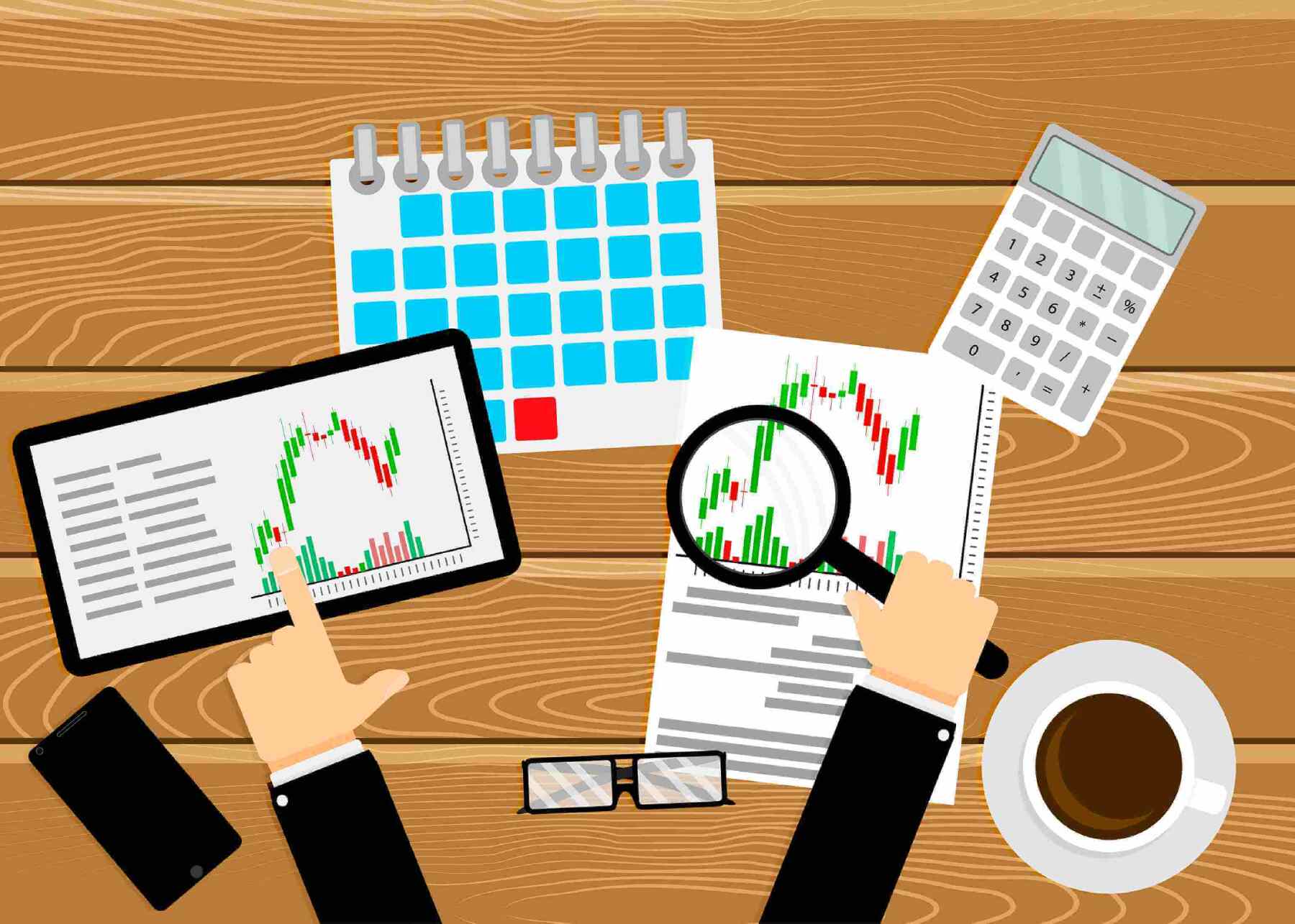
A journal helps you track what worked, what failed, and where you lost control. Over time, you’ll see patterns—like always losing when you trade late at night, or always winning when you stick to one strategy. Without that data, you’ll just keep repeating the same mistakes, hoping for different results.
Think of it like a doctor diagnosing symptoms. Without records, it’s just guesswork. With a journal, you’re diagnosing your trading habits—and fixing them.
The Role of Patience in Trading
Here’s a fact most people ignore: patience pays more than analysis. You can know all the strategies in the world, but if you don’t have the patience to wait for the right setup, you’ll still lose.
Patience is the difference between professionals and amateurs. Amateurs chase trades because they’re afraid of missing out. Professionals wait because they know the market will always give another opportunity.
It’s like fishing. You don’t throw dynamite in the water to catch something quickly. You wait with a rod, sometimes for hours, until the right fish bites. Trading is no different.
The Harsh Reality: Most Traders Will Fail
Now, here’s the cold truth—you can do everything right, and trading might still not be for you. Most people don’t make it in this game because they can’t handle the discipline, patience, and emotional control it requires.
And that’s okay. Trading isn’t for everyone, just like not everyone can be a surgeon or an athlete. The problem is, most people ignore the warning signs and keep burning money until they’re broke and bitter.
If you can’t follow rules, can’t handle losses, and can’t wait patiently, maybe it’s better to step aside. Better to admit it now than keep bleeding your account dry.

Conclusion
Improving your trading game isn’t about chasing shiny systems or predicting the market like some crystal-ball fortune teller. It’s about discipline, risk management, patience, and mindset. The harsh truth? Most traders fail because they treat it like gambling instead of business. But if you treat it seriously, focus on risk, master simple strategies, and accept that losses are part of the deal—you give yourself a fighting chance.
At the end of the day, the market doesn’t care about your hopes, dreams, or bills. It only rewards discipline, patience, and consistency. The question is—are you willing to play that game, or are you just here to gamble?
FAQs
1. Why do most traders fail even after learning strategies?
Because they ignore risk management and let emotions take over, turning trading into gambling.
2. How much should I risk per trade?
Most pros risk 1–2% of their account per trade. More than that is asking for disaster.
3. Is trading really a full-time job?
Yes. If you treat it like a hobby, it will pay you like one—poorly.
4. Can affirmations actually help in trading?
Yes, they keep your mindset disciplined when fear and greed start controlling your actions.
5. Is it worth keeping a trading journal?
Absolutely. Without it, you’ll keep repeating mistakes and never truly grow.