

The Harsh Truth About Trading Dreams
Everyone wants to make it big in trading. Who wouldn’t want to sit in front of a screen, click a few buttons, and watch money roll into their account? It sounds like a dream life, doesn’t it? But here’s the reality check—you don’t get rich in trading just because you want to. The markets don’t care about your wishes, your goals, or your desire to quit your job. They only reward those who put in the real work.
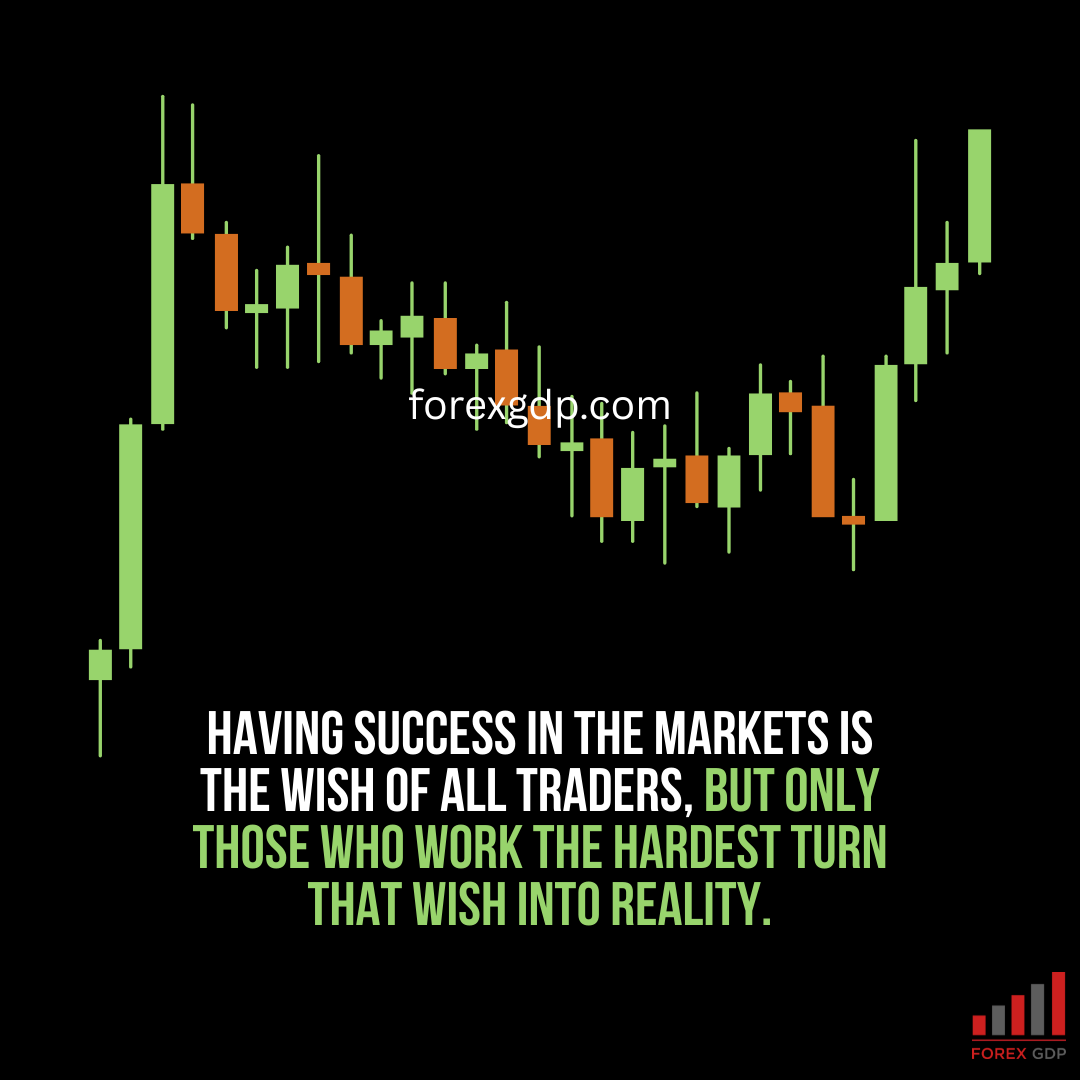
That’s the ugly part most people don’t want to hear. Trading success isn’t magic; it’s not luck, and it’s definitely not a quick-fix escape from financial struggles. The truth is simple: success in trading is a brutal battlefield where only those who grind harder, learn deeper, and survive longer actually turn their wishes into reality.
Why Most Traders Fail Before They Even Begin
Let’s be honest here. The majority of traders blow up their accounts before they even get a chance to taste success. Why? Because they walk into the market like it’s a casino. They think pressing the “buy” or “sell” button is the same as spinning a roulette wheel, hoping luck will be on their side. Spoiler alert: luck doesn’t pay the bills.
The harsh reality is that most traders never put in the hours of study, the effort to understand risk, or the discipline to manage emotions. They’re chasing dreams with empty hands. And when reality smacks them in the face with losses, they either quit or keep repeating the same mistakes, digging a deeper hole.
The Market Doesn’t Care About You
Here’s something no motivational guru will tell you—the market has zero sympathy for your dreams. It doesn’t care if you’re broke, if you lost your job, or if you desperately need that trade to hit profit. The market isn’t your friend; it’s more like a cold, heartless machine.
Every time you open a trade, you’re stepping into a battlefield where giants—banks, institutions, and professional traders—are waiting. If you think your tiny $500 account is going to outsmart them without proper effort, you’re just setting yourself up for disappointment.
Hard Work vs. Wishful Thinking
Here’s the deal: everyone wants success, but very few are willing to grind for it. Wishing is easy. Anyone can sit there and dream about being a millionaire trader. But putting in the blood, sweat, and countless sleepless nights to study charts, backtest strategies, and manage risk? That’s where the real challenge lies.
Think of it like fitness. Everyone wants a six-pack, but how many people are willing to show up at the gym every day, cut junk food, and stay disciplined? Trading is the exact same game. Dreams mean nothing without effort.
Discipline: The Silent Killer of Dreams

You know what kills more trading accounts than bad strategies? Lack of discipline. Traders jump into trades without a plan, move their stop losses “just this once,” or double their lot size after a losing streak because they’re desperate to recover. Sound familiar?
Discipline isn’t glamorous, but it’s the backbone of survival. Without it, you’re just gambling. With it, you have a fighting chance. Discipline is what keeps you from blowing up your account when emotions scream louder than logic. And let’s be real—most traders lose because they simply can’t control themselves.
Greed: The Invisible Enemy
Greed is like a silent assassin in trading. It whispers in your ear, “Hold on a little longer, you’ll make more money,” or “Double your position, this is a sure thing.” And before you know it, one winning trade turns into a disaster.
Greed blinds traders to risk, and the market loves punishing greedy traders. Think of it like chasing a mirage in the desert—you’ll keep running until you collapse. The harsh truth? The moment greed takes over, you’re already halfway to losing.
The Pain of Losses: Why Most Can’t Handle It
Losses are inevitable in trading, but here’s the thing: most people can’t stomach them. They take it personally, like the market is out to get them. They panic, they get emotional, and they start revenge trading—trying to win back what they lost, only to lose even more.
Trading is like boxing. You’re going to get punched. The question is: can you take the hits and still stay in the game? Most traders can’t. They tap out after a few hard blows, never realizing that losses are just part of the process.
The Long Hours Nobody Talks About
Here’s the ugly side of trading nobody glamorizes: the endless hours spent studying charts, analyzing setups, and learning from mistakes. Social media makes it look like traders are sipping cocktails on the beach while their accounts grow. The reality? Real traders are glued to their screens, pulling all-nighters, and constantly adapting to the market’s chaos.
If you’re not willing to put in those hours, don’t expect results. Trading success doesn’t come from shortcuts—it comes from grinding when everyone else is sleeping.
The Myth of Easy Money

One of the biggest lies in trading is the idea of “easy money.” People get fooled into believing they can flip $100 into $10,000 overnight. Sure, it makes for flashy YouTube videos, but in the real world, it ends with blown accounts and broken dreams.
Easy money doesn’t exist in trading. Every dollar you make is the result of calculated risk, patience, and discipline. If you’re chasing shortcuts, you’re setting yourself up for a nightmare, not a dream.
Why Strategy Alone Isn’t Enough
A lot of traders think the key to success is finding the “perfect strategy.” They jump from one system to another, constantly searching for the magic formula that will guarantee profits. Here’s the truth: no such thing exists.
Even the best strategy will fail if the trader behind it lacks patience, discipline, and emotional control. A bad trader with a good strategy will still lose. But a good trader can make even a simple strategy work because they understand the real game—risk management and psychology.
The Role of Patience in Success
Patience is the trait nobody wants to practice because it feels boring. Traders want action, they want excitement, and they want results now. But impatience is a fast track to disaster.
Think of trading like fishing. If you keep yanking your line out of the water every 30 seconds, you’ll never catch anything. The best traders are patient enough to wait for the right setup, even if it means sitting on their hands for hours—or even days.
Burnout: The Hidden Cost of Chasing Success
Here’s something traders don’t talk about enough: burnout. When you spend endless hours staring at charts, stressing over trades, and chasing the dream of success, it can drain you mentally and physically. Burnout kills passion, clouds judgment, and leads to sloppy mistakes.
Trading isn’t just about charts and numbers—it’s also about managing your energy. Without balance, you’ll end up exhausted and bitter, with nothing to show for your efforts.
Success Is Earned, Not Granted


At the end of the day, trading success doesn’t come to those who simply wish for it. It comes to those who earn it through relentless effort, discipline, and a refusal to quit. It’s a game of survival, and only the toughest, most dedicated traders make it to the other side.
You can either keep dreaming about success or roll up your sleeves and work for it. The choice is yours.
Conclusion
Trading success is the wish of every trader, but wishes alone won’t cut it. The market is unforgiving, ruthless, and doesn’t care about your dreams. Only those who put in the hard work—day after day—stand a chance of turning those dreams into reality.
The harsh truth? Trading isn’t about quick riches. It’s about discipline, patience, resilience, and the relentless drive to push through losses, setbacks, and failures. If you’re not ready for that grind, you’re better off staying out of the market.
FAQs
1. Why do most traders fail in the markets?
Most traders fail because they lack discipline, risk management, and patience. They chase quick profits instead of focusing on long-term survival.
2. Can I really get rich from trading?
Yes, but only after years of hard work, discipline, and learning from mistakes. If you’re chasing shortcuts, you’ll lose faster than you think.
3. How important is psychology in trading success?
It’s everything. Even the best strategy will fail if you can’t control your emotions. Psychology separates winners from losers.
4. Is there a perfect strategy for trading?
No. There’s no magic formula. Success depends more on discipline, patience, and risk management than on any one strategy.
5. What’s the hardest part of trading?
The hardest part isn’t the market—it’s controlling yourself. Emotions, greed, and impatience ruin more traders than bad analysis ever will.