

Why Complicated Trades Kill Your Success
Let’s be honest—most traders fail not because they don’t know enough, but because they know too much. They drown themselves in indicators, news updates, and fancy strategies until their charts look like a toddler’s messy coloring book. And the irony? The best trades are the ones you spot in seconds. Simple. Clear. No overthinking.
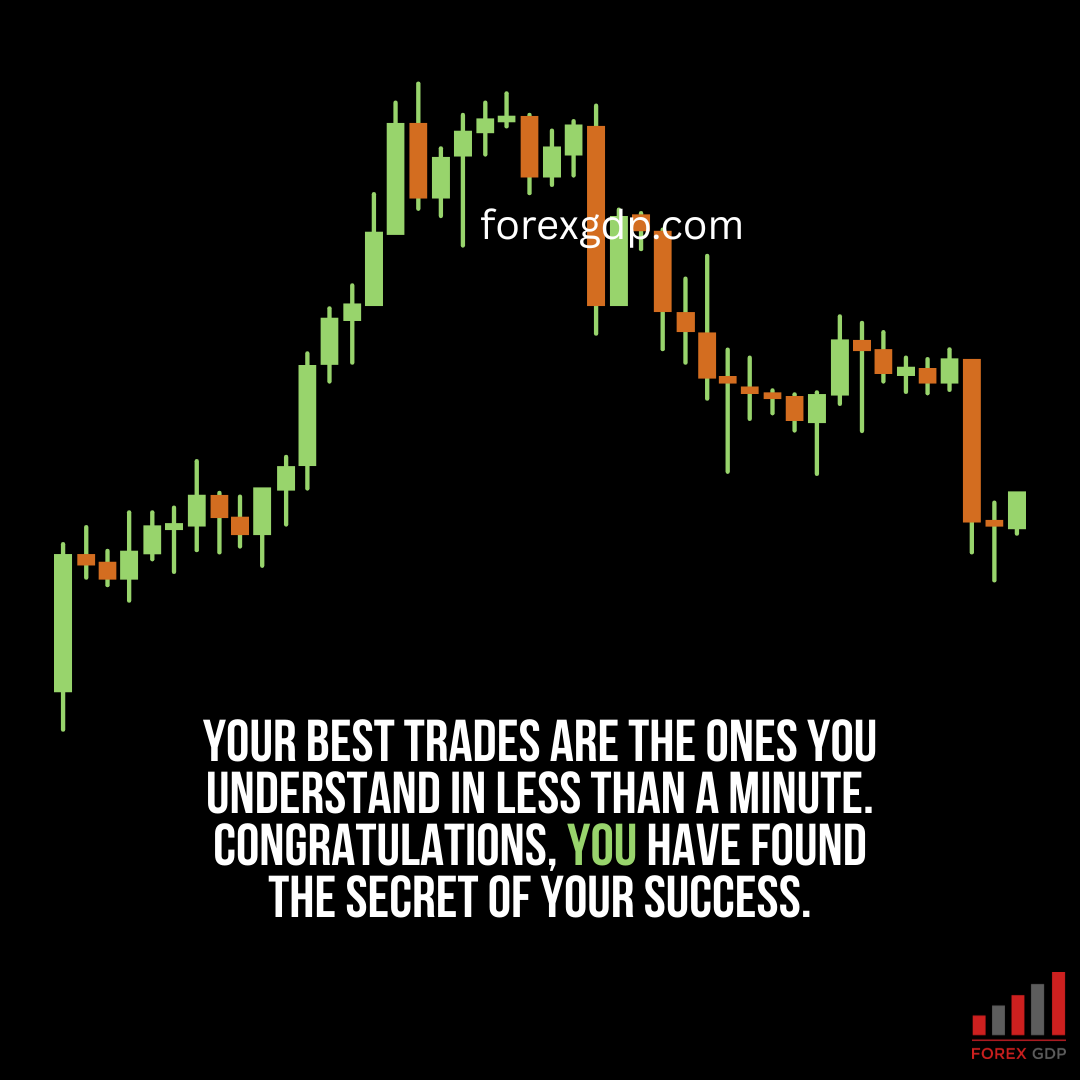
But here’s the ugly side: many traders refuse to accept this truth. They believe that success lies in complexity, in crafting a genius plan that nobody else can see. That mindset is why they keep losing. The real winners? They’re the ones who trust clarity over confusion.
So, if you’ve ever felt stuck in endless analysis, this article will rip off the bandage and show you why the best trades are the ones you understand instantly.
Why Complicated Trades Are a Trap
Ever stare at a chart for hours until your brain feels fried, only to enter a trade that fails miserably? That’s not skill—it’s self-sabotage. Complicated trades are like toxic relationships: they look exciting at first, but in the end, they drain your energy, confidence, and wallet.
The market doesn’t reward confusion. It punishes hesitation. When you overanalyze, you miss the obvious setups staring right at you. The truth is, the best trades don’t need ten indicators or three hours of “confirmation.” If you can’t explain your reason for entering in one simple sentence, chances are you’re forcing it.
The Power of Simplicity in Trading
Think about it. Do pilots overcomplicate their checklists before takeoff? No. They keep it simple, because complexity kills. Trading works the same way. A clear setup—a trend line break, a clean support zone, or a textbook candlestick pattern—is far stronger than ten conflicting signals.
Simplicity also keeps you calm. The less clutter on your screen, the faster you make decisions. And speed matters in trading. If it takes you more than a minute to justify your trade, maybe it’s not worth taking. Simple setups = faster execution = better results.
Why Overthinking Equals Losing Money
Overthinking in trading is like trying to solve a puzzle with missing pieces—you’ll never feel satisfied, and you’ll always hesitate. By the time you convince yourself to pull the trigger, the market has already moved, leaving you chasing scraps.
The harsh reality? Overthinking makes you late, and in trading, being late equals being wrong. The market rewards decisive action, not endless doubt. Every second you waste “confirming” is another second pros use to beat you to the punch.
Your Instincts Are Smarter Than You Think

Here’s the thing: if you’ve studied trading long enough, your instincts already know what a good setup looks like. Your gut screams, “This is it!” in less than a minute. But then your brain steps in with doubt: What if the RSI isn’t aligned? What if news is coming? What if I’m wrong?
That voice is fear, not wisdom. Trusting your instincts doesn’t mean gambling; it means respecting the knowledge you’ve already built. If your first reaction says it’s a good trade, it probably is. Don’t let fear talk you out of it.
The Myth of the ‘Perfect Setup’
Let’s kill this fantasy right now: there is no such thing as the perfect setup. Waiting for everything to line up perfectly is just procrastination disguised as discipline. While you sit there waiting for the stars to align, other traders are cashing in on simple, obvious moves.
The obsession with perfection is a killer. It makes you second-guess every trade and miss countless opportunities. The truth? Good enough is often all you need. A simple trade you understand instantly is far more powerful than a “perfect” one that never comes.
The One-Minute Rule for Winning Trades
Here’s a rule that could save you years of frustration: if you can’t explain your trade in less than a minute, don’t take it. Period. Why? Because the best trades are obvious. You see the breakout, the retest, the rejection—it makes sense instantly.
Think of it like crossing the street. You don’t need five minutes of analysis to decide if it’s safe. You look, you see, you act. Trading is no different. The market doesn’t wait for your hesitation. Respect the one-minute rule, and you’ll save yourself from bad decisions.
Why Simple Trades Build Confidence
Confidence is the secret weapon of every successful trader. And nothing destroys confidence faster than complicated trades that go wrong. When you keep it simple, you build trust in yourself. You see the setup, you act on it, and when it works, you reinforce your belief that you know what you’re doing.
Complex trades, on the other hand, chip away at your confidence. They leave you doubting your skills, second-guessing your strategies, and questioning whether trading is even for you. Confidence comes from clarity, not confusion.
The Hidden Cost of Complicated Trading


Here’s the dark side nobody talks about: complicated trades don’t just cost you money—they cost you time, energy, and mental health. Sitting in front of charts for hours, stressing over tiny details, doesn’t make you a better trader. It makes you a prisoner of the market.
The market thrives on your exhaustion. The more you chase complexity, the more mistakes you make. And each mistake chips away at your account and your sanity. Simple trades free you from this trap. They give you back your time and your peace of mind.
Why Easy-to-Understand Trades Are Safer
Risk isn’t just about stop-loss levels—it’s about clarity. If you don’t fully understand why you’re entering a trade, how can you control your risk? Simple trades are safer because they’re transparent. You know exactly where to enter, where to exit, and why.
Complicated trades? They’re full of “maybes” and “ifs.” That uncertainty makes you move your stop loss, hold onto losers, or exit winners too early. Simplicity protects you from yourself. And in trading, you are your biggest risk.
How to Train Your Mind for Clarity
Clarity doesn’t just happen—it’s a skill you train. Start by stripping your charts down to the basics. Remove unnecessary indicators. Focus on price action, key levels, and trends. Force yourself to explain every trade in one sentence. If you can’t, walk away.
You also need discipline. Don’t chase every candle that moves. Wait for the setups you recognize instantly. The more you practice this, the sharper your instincts become. Over time, you’ll train your brain to see clarity first, not confusion.
The Painful Truth: Most Traders Don’t Want It Simple
Here’s the kicker—most traders don’t actually want simplicity. They crave complexity because it makes them feel smart. They want to believe they’re cracking some secret code that nobody else can see. But this arrogance is exactly why they fail.
The market isn’t impressed by your fancy indicators or your hours of “research.” It rewards the traders who keep it simple. The sad truth? Most people will never accept this, and that’s why they’ll keep losing while the few who embrace clarity keep winning.
Why Success Feels ‘Too Easy’ Once You Get It


Here’s the ironic part: once you master simple trading, it almost feels like cheating. You’ll spot clean setups in seconds, while others drown in analysis. You’ll wonder, “Why was I making this so hard before?”
But don’t be fooled—this ease comes from discipline, not luck. You trained yourself to value clarity over noise. And when you finally get it, success doesn’t feel like a struggle anymore. It feels natural. That’s the true secret of trading.
Conclusion: The Secret Was Obvious All Along
The harsh reality? The best trades are the ones you understand in less than a minute. Complexity is a trap. Overthinking kills. Perfection doesn’t exist. If you want to win in trading, stop making it harder than it is. Strip it down. Keep it clear. Trust your instincts.
You don’t need a magic formula. You don’t need ten indicators. You just need clarity. And once you embrace that, you’ll realize the secret of trading success was obvious all along.
FAQs
1. Why do I lose when I overanalyze trades?
Because hesitation makes you late, and in trading, late usually means wrong.
2. Is trading really supposed to be simple?
Yes. The market rewards clarity, not complexity. Simple setups are usually the strongest.
3. How do I know if a trade is worth taking?
If you can explain it in one sentence within a minute, it’s worth considering.
4. Can instincts be trusted in trading?
Yes—if you’ve trained and studied long enough, your instincts are just your experience speaking.
5. What’s the biggest danger of complicated trades?
They drain your time, confidence, and money while keeping you stuck in a cycle of confusion.