

When you hear the word “trading,” what comes to mind? For most people, it’s the dream of financial freedom, the thrill of making money while sitting at home, or the possibility of turning a few dollars into thousands. But let’s face the harsh reality: most traders fail. And the biggest culprit isn’t the market itself—it’s the mindset.
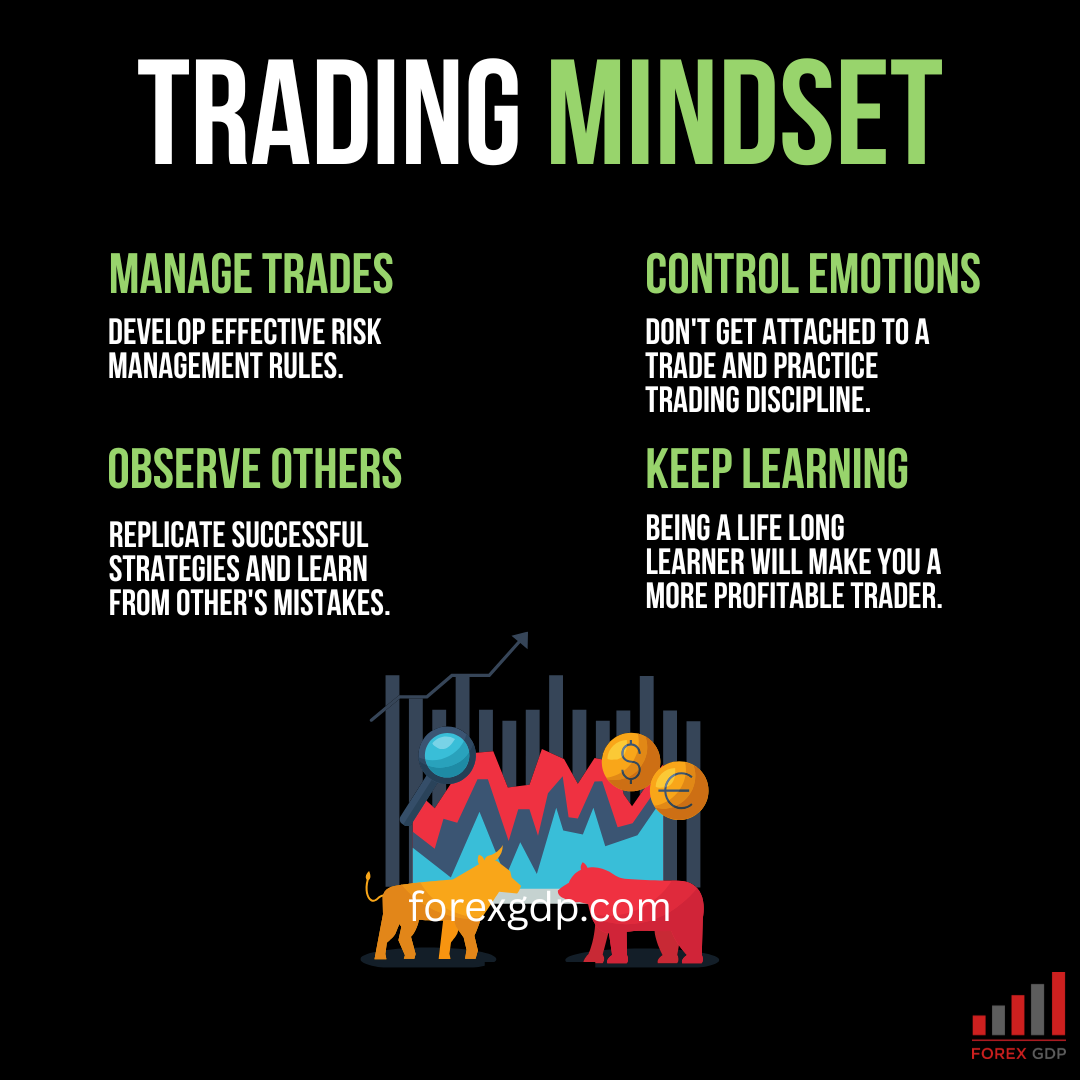
A bad trading mindset can destroy even the best strategy. You could have the perfect entry point, the strongest indicators, and the smartest technical analysis, but if your mindset is weak, you’ll burn your account faster than you can say “stop-loss.” Let’s dig deep into the dark truths of trading psychology and why mindset matters more than anything else.
The Harsh Truth About Trading Mindset
Most traders think trading is about charts, strategies, and signals. Wrong. Trading is 80% mindset and only 20% strategy. Yet, people spend all their time learning indicators and none of their time fixing their mental approach. That’s like building a mansion on a cracked foundation—it will collapse eventually.
The mindset is the hidden trap that silently drains your account. Every blown account isn’t because the market hated you—it’s because your brain did. Your emotions, your fear, your greed, and your lack of discipline are the real killers.
Manage Trades or Watch Them Manage You
Here’s the ugly truth: most traders don’t manage trades—they let trades manage them. They open positions with no plan, hoping luck will do the job. That’s not trading; that’s gambling. And the market loves gamblers because it eats them alive.
Proper risk management isn’t optional. Without it, you’re just donating money to traders who know what they’re doing. Having no risk rules is like driving blindfolded—you might survive for a while, but eventually, you’ll crash hard.
The Brutal Side of Risk Management
Everyone talks about “risk management,” but few actually practice it. You tell yourself you’ll only risk 1% per trade. But then you see a “sure thing,” and suddenly you’re risking 20%. What happens next? You blow up your account in a single night.
The cruel part? It’s never just the money you lose—it’s your confidence. You spiral into revenge trading, doubling your lot sizes to make back what you lost. And we all know how that story ends: total wipeout.
Control Emotions or Be Controlled

Trading without emotional control is like walking into a casino drunk—you won’t last long. You get attached to trades, praying for them to turn around. You panic-sell too early or hold too long out of greed. Either way, emotions always end up costing you.
The worst part? You know your emotions are the problem, but you still can’t stop yourself. Fear whispers, greed shouts, and your discipline goes out the window. That’s why most traders blow up accounts—not because of bad strategy, but because of bad self-control.
The Lies You Tell Yourself in Trading
Be honest—you’ve told yourself these lies before:
-
“This trade will come back if I just wait.”
-
“I’ll double my lot size to recover faster.”
-
“I don’t need a stop-loss this time.”
These lies feel comforting in the moment but destructive in the long run. Every time you ignore discipline, you’re digging your own grave as a trader. And once you fall into that pit, it’s nearly impossible to climb back out.
Observe Others, But Don’t Worship Them
Here’s the reality: most new traders blindly copy others without understanding the strategy. They see someone post profits on social media and think, “I’ll just follow them.” Big mistake. What works for one trader may destroy another.
Yes, it’s smart to learn from others. But copying without thinking is dangerous. You can replicate success, but you must understand why it works. Otherwise, you’re just a shadow trader who will crumble the moment conditions change.
The Dark Side of Trading Gurus
Let’s address the elephant in the room: trading gurus. They show off their flashy cars, rented mansions, and fake profits, luring beginners with promises of quick success. But most of them make money selling courses, not trading.
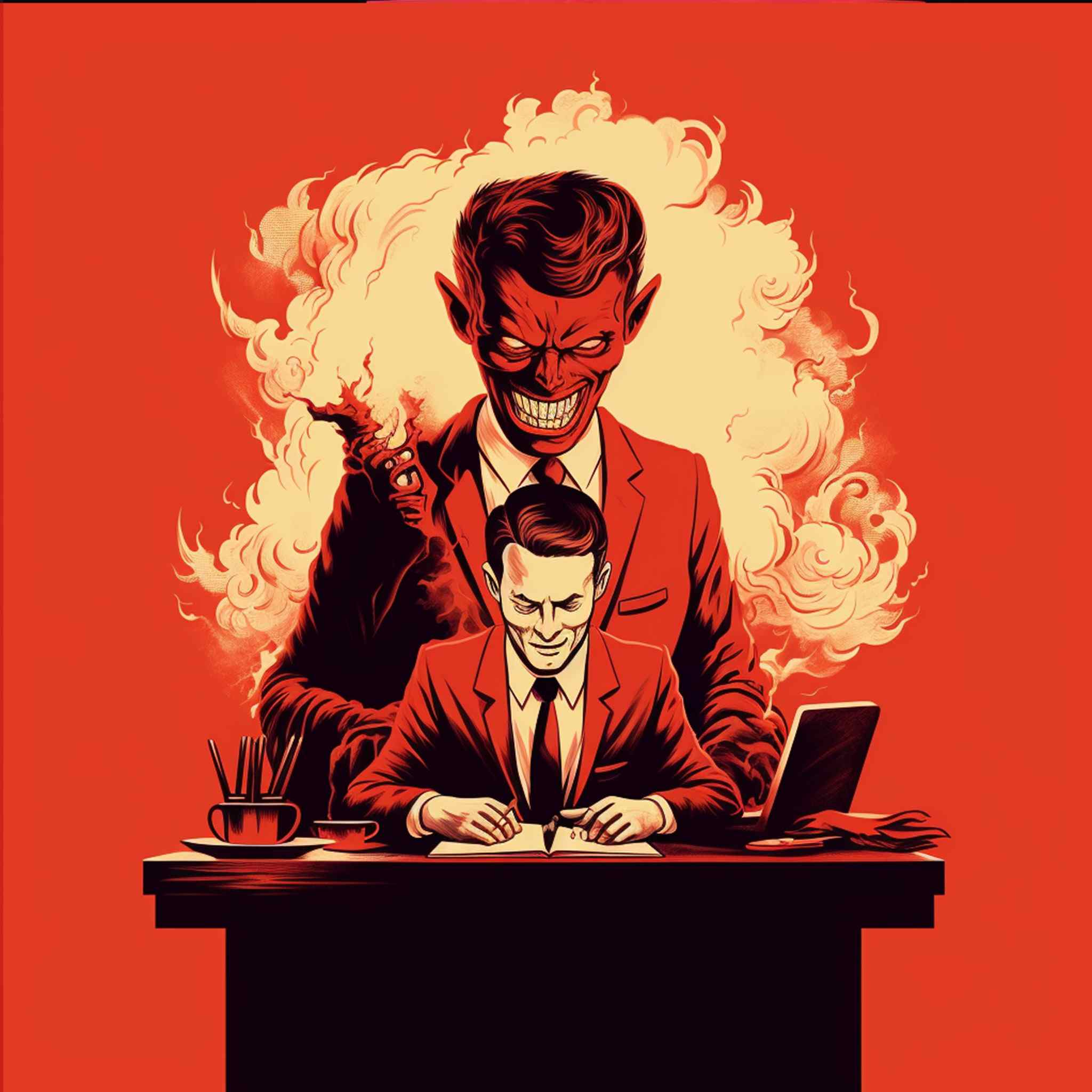
If you blindly worship these so-called mentors, you’re falling into a trap. Instead of learning the market, you’re paying to live in someone else’s illusion. And that illusion will cost you far more than your subscription fee.
Keep Learning or Get Left Behind
The market doesn’t care if you “think” you know enough. It changes every day. New patterns form, new news breaks, new volatility strikes. If you stop learning, you stop growing—and when you stop growing, you start losing.
Too many traders think one strategy will work forever. News flash: it won’t. The market evolves. If you don’t keep updating your knowledge, you’ll be stuck fighting today’s battles with yesterday’s weapons. And that’s a guaranteed way to lose.
The Painful Reality of Overconfidence
Overconfidence is the silent killer of traders. You win a few trades and suddenly believe you’re untouchable. You increase your lot sizes, ignore your rules, and think the market will always bend to your will. Spoiler alert: it won’t.
The market humbles everyone. It doesn’t care how smart you are or how much money you made yesterday. The moment you think you’ve mastered it, it smacks you down harder than ever before. Overconfidence isn’t strength—it’s a death trap.
Why Discipline is More Valuable Than Strategy
Everyone’s obsessed with strategies—moving averages, Fibonacci, supply and demand, ICT concepts. But let’s face it: strategies don’t matter if you lack discipline. Even the best strategy fails in the hands of an undisciplined trader.
Think of it this way: strategy is the sword, discipline is the hand that wields it. A weak hand can’t win a battle, no matter how sharp the sword is. Without discipline, your strategy is just another shiny tool gathering dust.
The Curse of Unrealistic Expectations

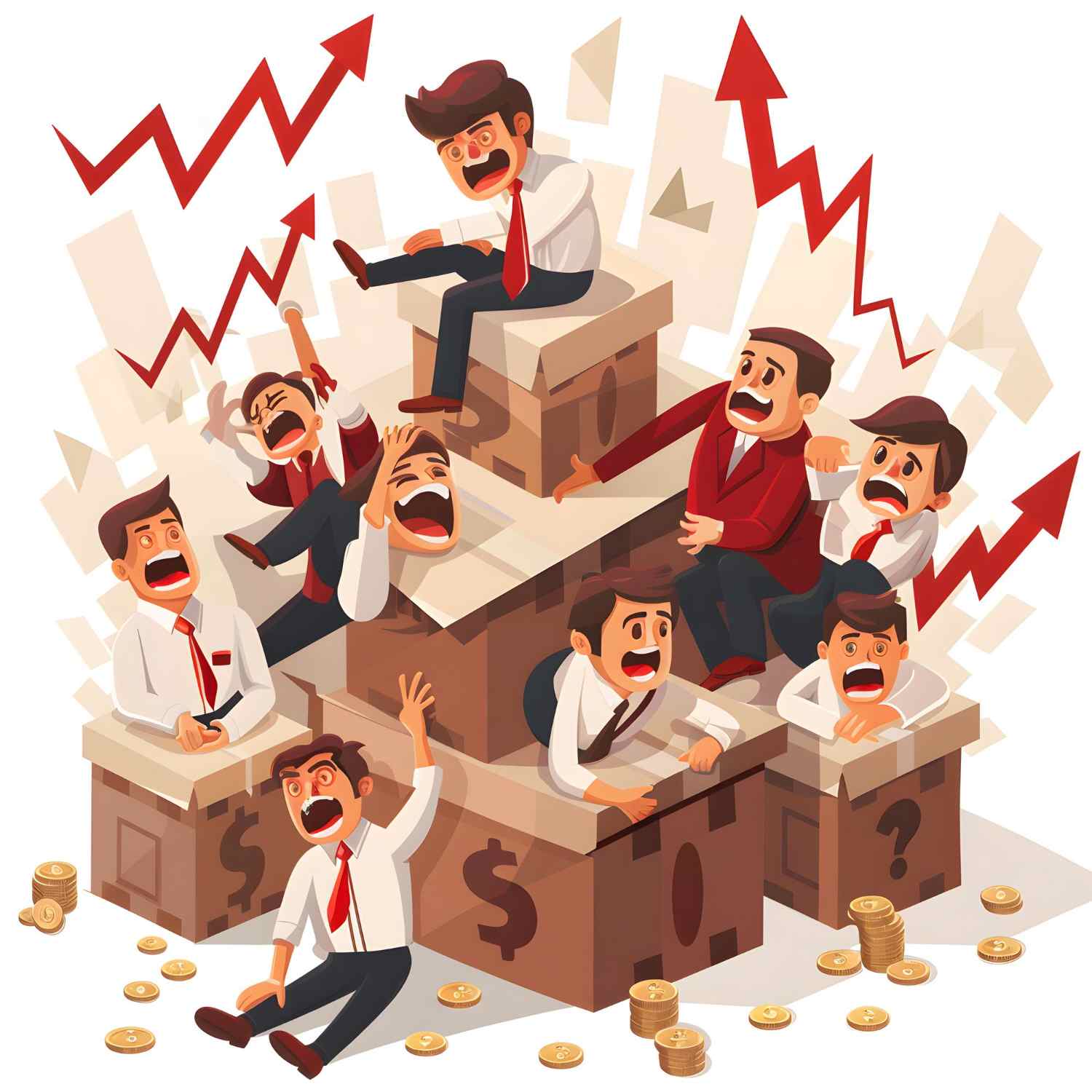
Many traders start with one toxic belief: “I’ll get rich quick.” They think $100 will turn into $10,000 in a few months. That fantasy is what brokers and fake mentors feed on—it keeps you hooked until you lose everything.
The reality? Trading is a grind. It’s slow, boring, and frustrating most of the time. If you expect instant wealth, you’re setting yourself up for heartbreak. Unrealistic expectations kill more traders than bad strategies ever will.
Why Most Traders Quit
Here’s the sad truth: most traders quit not because they don’t have potential, but because they can’t handle failure. They blow up accounts, lose confidence, and decide trading “doesn’t work.” But the real problem wasn’t the market—it was them.
Trading punishes the weak-minded. If you can’t control your emotions, stick to your rules, and learn from your mistakes, you’ll never last. That’s why so few people survive long-term in trading—it’s not about skill alone, it’s about mindset resilience.
Conclusion
At the end of the day, the market is ruthless. It doesn’t care about your hopes, dreams, or excuses. If your mindset is weak, you’ll lose. Period. The harsh truth is that trading isn’t for everyone. Most people don’t have the discipline, patience, or emotional control to survive.
But if you take mindset seriously—if you manage trades wisely, control your emotions, learn from others, and never stop learning—you give yourself a fighting chance. Otherwise, you’re just another casualty in the endless graveyard of failed traders.
FAQs
1. Why do most traders fail in the long run?
Because they focus on strategies while ignoring mindset, discipline, and emotional control.
2. Can risk management really save me from losses?
Yes, it won’t stop losses completely but it prevents one bad trade from destroying your account.
3. Are trading gurus worth following?
Most aren’t. Many make money selling dreams, not trading. Be cautious before believing their success stories.
4. How important is emotional control in trading?
It’s critical. Without it, you’ll panic, overtrade, or hold losing trades too long.
5. Can trading really make me rich?
Yes, but not overnight. It takes years of discipline, learning, and patience—otherwise, you’ll lose more than you make.