

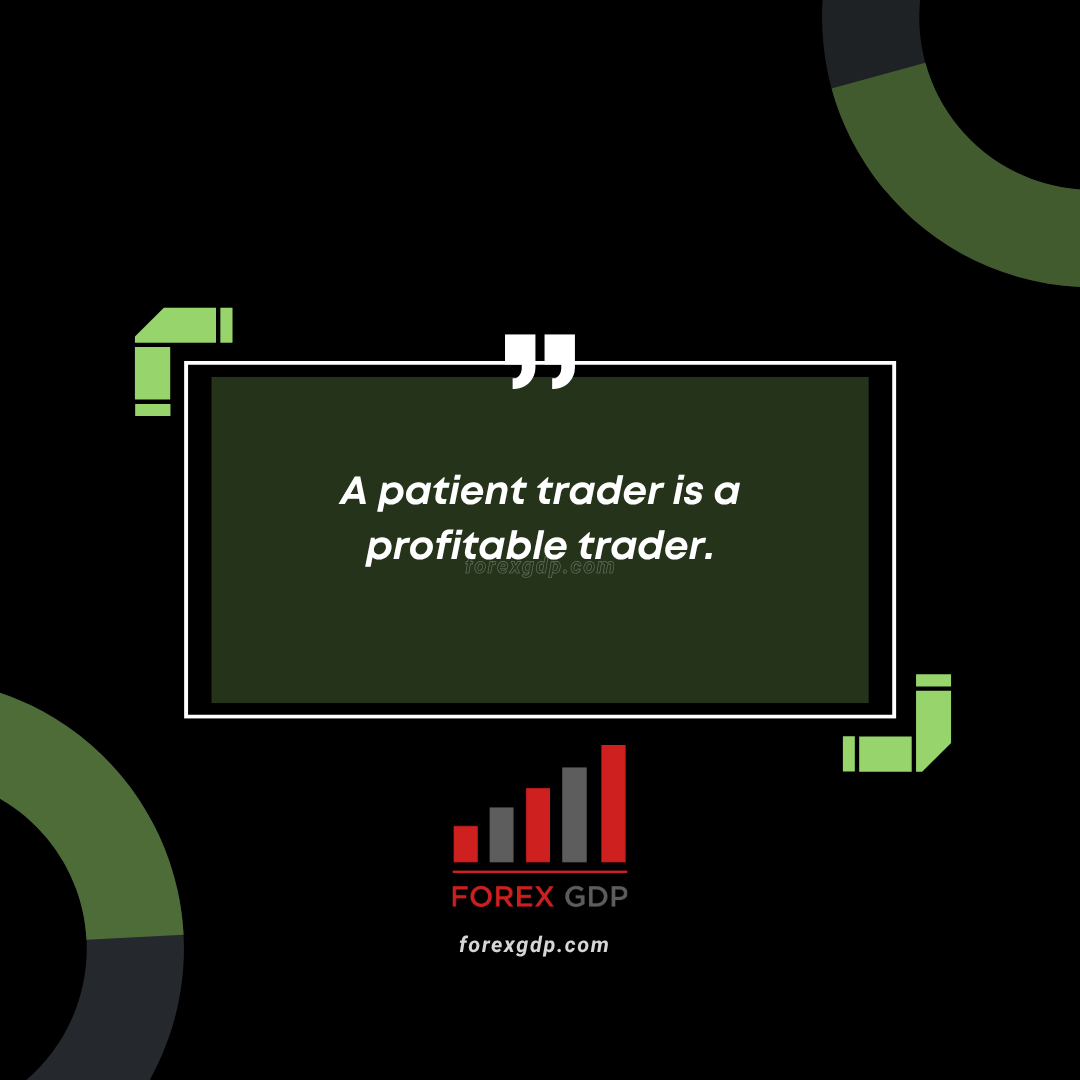
Trading looks glamorous from the outside. Screens full of candlesticks, profits flashing in green, and the promise of financial freedom. But here’s the truth most beginners miss: trading isn’t a game of speed—it’s a game of patience. The quote in the image says it best: “A patient trader is a profitable trader.”

In this article, we’ll dive deep into what patience really means in trading, why impatience is your worst enemy, and how cultivating patience can be the difference between blowing your account and compounding your wealth.
Get ready, because we’re going to break down the psychology, strategies, and mindset shifts you need to transform your trading journey.
The Harsh Truth About Trading Impatience
Most new traders fail not because they don’t know enough strategies, but because they can’t sit still. They chase every candle, open trades without confirmation, and panic at the smallest pullback.
Impatience in trading is like speeding in traffic—you might get lucky for a while, but eventually, you crash. The market rewards discipline, not desperation.
What Patience Really Means in Trading
Patience isn’t just waiting. It’s waiting with purpose.
-
Waiting for the right setup. Instead of forcing trades, you wait for high-probability opportunities.
-
Holding winning trades. Many traders exit too early out of fear. Patience means letting your profits grow.
-
Sitting on the sidelines. Sometimes the best trade is no trade at all.
Think of patience as your trading armor—it protects you from unnecessary losses.
Why “Less is More” in Forex
Here’s a secret: professional traders don’t trade every day.
Big banks, hedge funds, and seasoned retail traders know that quality beats quantity. A single well-planned trade can make more profit than ten rushed ones.
Trading is not about how many trades you place—it’s about how many good trades you place.
The Psychology Behind Impulsive Trading
Why do traders keep clicking that buy or sell button, even when they know better?
It’s simple: dopamine. Every trade feels like a shot of excitement. Just like gamblers pulling slot machines, traders get hooked on the thrill rather than the result.
Impatience is fueled by:
-
Fear of missing out (FOMO)
-
Revenge trading after a loss
-
Greed for quick profits
Recognizing these triggers is the first step to mastering patience.
Patience Equals Consistency
Imagine planting a tree. You water it daily, protect it from pests, and give it sunlight. You don’t dig it up every week to check the roots—you let time do its work.
Trading works the same way. Your edge, risk management, and strategies need time to bear fruit. Patience is the bridge between planning and profit.
The Dangers of Overtrading
Overtrading is the ugly cousin of impatience. When you trade too often, you:
-
Increase transaction costs (spreads/commissions eat your profits).
-
Burn out mentally.
-
Risk blowing your account with one bad streak.
Successful traders know this: waiting is part of trading.
Case Study: Two Traders, Two Outcomes
Let’s compare:
-
Trader A: Jumps into 10 trades daily. Sometimes wins, but mostly loses because setups aren’t clear. Ends the month at break-even or worse.
-
Trader B: Waits all week for one perfect setup. Manages risk, lets profits run. Ends the month with consistent gains.
Which trader do you want to be?
Patience in Entry and Exit
Patience isn’t just about waiting to enter—it’s also about waiting to exit.
-
Entering too early: You risk getting stopped out before the real move starts.
-
Exiting too early: You cut profits short, leaving money on the table.
The patient trader times entries like a sniper and exits only when the market gives a valid reason.
The Link Between Patience and Risk Management
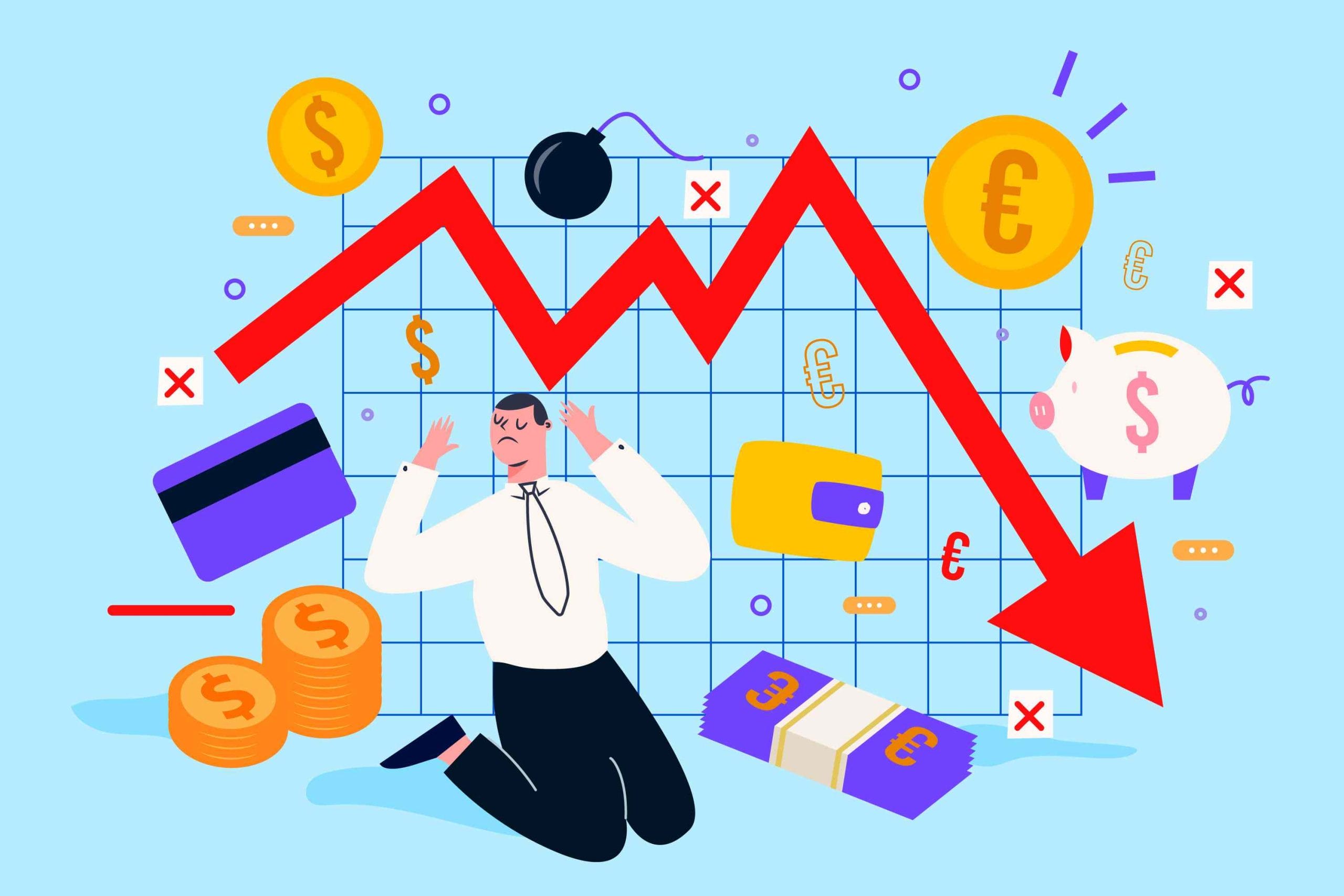
Impatient traders risk too much. They double down after losses, ignore stop-losses, and chase “revenge trades.”
Patient traders respect risk. They accept that losses are part of the game and focus on surviving long enough for probabilities to work in their favor.
How to Develop Patience as a Trader
Patience isn’t something you’re born with—it’s a skill you can train. Here’s how:
-
Journal every trade. Tracking mistakes helps you see patterns of impatience.
-
Set alerts. Don’t stare at charts all day; let the market come to you.
-
Focus on higher timeframes. Daily or 4H charts force you to slow down.
-
Trade less, analyze more. Quality research makes it easier to wait.
Patience Outside of Trading
Funny thing is, patience in trading often reflects your life. If you’re impulsive with money, decisions, or emotions, it shows up in your trades.
Trading can actually train you to be more patient in everyday life—better with finances, relationships, and personal growth.
The Reward of Patience: Compounding Growth
Patience isn’t sexy. It’s not flashy. But it’s powerful.
A patient trader compounds small gains into life-changing wealth. Think of Warren Buffett—he built billions not by rushing, but by letting time and patience multiply his money.
In trading, your biggest ally isn’t your broker, your strategy, or your charts—it’s time.
Common Myths About Patience in Trading
-
“If I trade less, I’ll make less.” Wrong. Fewer but better trades = more profits.
-
“The market rewards activity.” No, it rewards accuracy.
-
“Patience means doing nothing.” No, it means preparing and waiting for your edge.

Practical Tips to Stay Patient
-
Use reminders: Write “Wait for confirmation” on a sticky note near your screen.
-
Reward yourself for discipline, not just profits.
-
Practice meditation or breathing exercises before trading sessions.
-
Remind yourself: The market will be there tomorrow.
Conclusion
At the end of the day, trading is a marathon, not a sprint. Those who rush burn out. Those who wait win.
So, next time you feel the urge to jump into a random trade, remember this simple truth: A patient trader is a profitable trader.
Master patience, and the profits will follow.
FAQs
1. Why is patience so important in trading?
Because the market rewards discipline, not speed. Patience helps you avoid bad trades and maximize good ones.
2. How do I stop overtrading?
Set a rule: only trade setups that meet strict criteria. Keep a journal to spot impulsive patterns.
3. Can patience really make me profitable?
Yes. Consistent profits come from waiting for high-probability setups, not chasing every move.
4. What’s the best way to practice patience in trading?
Focus on higher timeframes, set alerts, and remind yourself that no trade is better than a bad trade.
5. Is patience useful in other areas of life?
Absolutely. The discipline you learn in trading translates to finances, relationships, and long-term goals.