

When people first step into the financial world, they often assume Forex trading is just like stock trading. After all, both involve buying low, selling high, and watching charts filled with confusing candlesticks. But here’s the truth: Forex and stock trading may look similar on the surface, but they’re two entirely different beasts. If you’ve been treating them as twins, you’re setting yourself up for frustration, losses, and endless confusion.
In this article, we’ll take a deep dive into the differences, bust the myth wide open, and help you understand why Forex trading needs a completely different mindset compared to stocks. Get ready—because this journey will completely change how you see the markets.
The Myth That Never Dies
Let’s face it: many beginner traders think Forex is just a faster version of stocks. The myth comes from the simple fact that both markets involve speculation and profit from price movement. But it’s like comparing basketball to soccer—both are sports, but the rules, strategies, and skills are drastically different.
The stock market focuses on owning a piece of a company, while Forex trading is about speculating on the relative strength of currencies. This difference alone should make you pause before assuming the two are the same.
Different Market Foundations
Stocks represent ownership. When you buy shares of Apple or Tesla, you literally own part of the company. Your profit potential depends on how the business performs, market sentiment, and broader economic trends.
Forex, on the other hand, is about currencies battling each other. You’re not buying a company—you’re trading the relative strength of one country’s economy against another. This makes Forex less about ownership and more about speculation on global economic shifts.
Trading Hours: 9 to 5 vs. 24/5
Stock traders often deal with strict trading hours—like the NYSE from 9:30 AM to 4 PM EST. If you miss the window, too bad. Market gaps also frequently occur overnight.
Forex laughs at those rules. It runs 24 hours a day, five days a week. From the Sydney session to London and New York, currencies are always moving. Sounds exciting, right? Well, it’s also exhausting if you don’t know when to step back. The lack of “off time” makes Forex both attractive and dangerous.
Liquidity: Ocean vs. Swimming Pool

The Forex market is the largest financial market in the world, with over $6 trillion traded daily. That’s like comparing an ocean to a swimming pool when put next to stock market volumes.
This insane liquidity means you can enter and exit trades in a split second without worrying about slippage most of the time. Stocks, especially small caps, don’t always give you that luxury. But here’s the downside: big players love to manipulate Forex liquidity, which can cause brutal stop hunts that wipe out retail traders.
Instruments Traded: Companies vs. Pairs
In stocks, you pick companies—Apple, Amazon, Microsoft. Your choices are nearly endless with thousands of publicly traded firms.
Forex keeps things simple (but deceptively tricky): you’re trading currency pairs. EUR/USD, GBP/JPY, USD/CHF—each is a tug of war between two economies. You’re not just betting on one thing going up, but also another going down. That dual nature adds an extra layer of complexity stock traders rarely face.
Price Influences: Earnings vs. Economics
Stock prices often move based on company-specific events—earnings reports, new product launches, or CEO scandals. Traders watch quarterly earnings like hawks.
Forex? Forget about company drama. Here, price action is driven by macroeconomic factors: central bank interest rates, inflation, GDP data, unemployment numbers, and global politics. When the U.S. Federal Reserve coughs, the Forex market sneezes. If you’re not tuned into global news, you’re already playing blind.
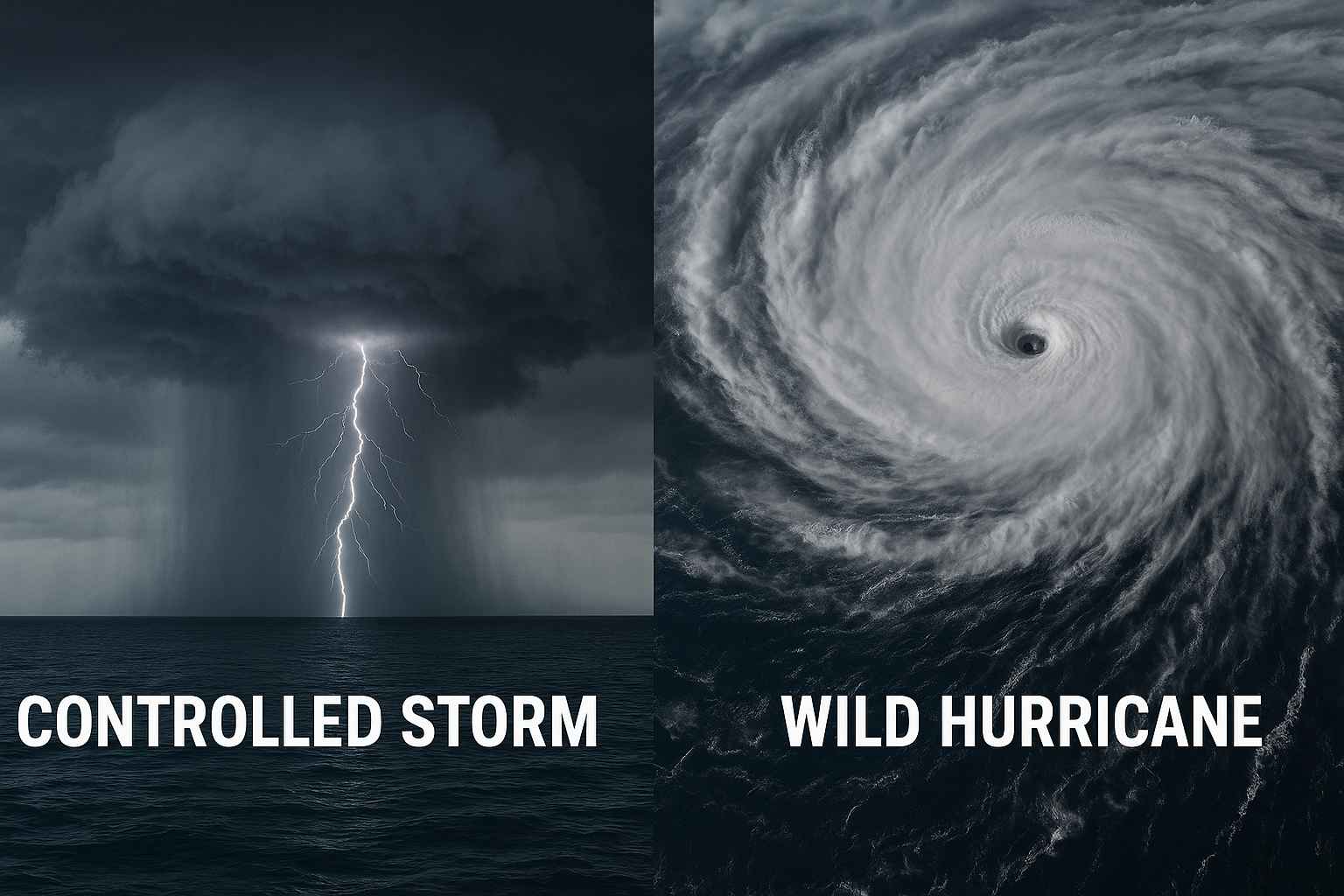
Volatility: Controlled Storm vs. Wild Hurricane
Yes, stocks can be volatile, especially meme stocks pumped on social media. But compared to Forex, stock volatility often feels tame.
Forex pairs can swing massively in seconds, especially during major news releases like Non-Farm Payrolls (NFP) or interest rate decisions. Imagine being on a rollercoaster where the track is built as you ride—that’s Forex volatility. Blink, and you’re either rich or stopped out.
Leverage: Moderate vs. Extreme
Stock traders usually get moderate leverage, maybe 1:2 or 1:4, depending on regulations.
Forex brokers, however, dangle extreme leverage in front of retail traders—sometimes up to 1:500 or more. Sounds tempting? It’s actually a trap. High leverage can magnify profits, but it also destroys accounts in seconds if you’re careless. Think of it like driving a Ferrari at 200 mph—fun until you hit a corner.
Transaction Costs: Commissions vs. Spreads
Stocks often charge commissions per trade, and fees can eat into profits if you trade actively.
Forex eliminates commissions in most cases. Instead, you pay through the spread—the small difference between the bid and ask price. While this seems cheaper, spreads widen during low liquidity times or big news, and that can hurt your bottom line if you’re not careful.
Strategy Differences: Buy and Hold vs. Scalping the Waves
Stock traders often succeed with a buy-and-hold strategy. Long-term investors can sit on stocks for years, enjoying dividends and growth. Time is on their side.
Forex doesn’t play nice with buy-and-hold. Currencies don’t grow long-term like companies do. Instead, Forex traders use scalping, day trading, or swing trading strategies. The market forces you to be active and alert—otherwise, it chews you up.
Risk Factors: Company Collapse vs. Central Bank Decisions
When you invest in a stock, the biggest risk is that the company goes bankrupt. While devastating, this is relatively rare with big names.
In Forex, one interest rate announcement can flip the entire market. Political instability, wars, or surprise economic data can crush even the best-looking setups. It’s less about one entity failing and more about the unpredictable chaos of global economics.
Psychological Battles: Patience vs. Constant Vigilance


Stock trading rewards patience. Many investors simply buy good companies and hold them for years, ignoring short-term noise.
Forex demands constant vigilance. You can’t “set and forget” trades without risk. The market is always open somewhere, and price can shift violently in the middle of the night. This nonstop movement makes Forex psychologically exhausting if you don’t set boundaries.
Accessibility: Restricted vs. Wide Open
Stock trading often requires large capital, broker approval, and strict regulations.
Forex, on the other hand, is accessible to almost anyone with a small deposit. Brokers lure beginners with accounts starting as low as $10. While this accessibility sounds great, it often traps newbies who jump in unprepared and blow their accounts quickly.
Market Transparency: Regulated vs. Over-the-Counter
Stocks trade on centralized exchanges like NYSE or NASDAQ, offering transparency and regulation. Everyone sees the same prices and trades.
Forex is an over-the-counter (OTC) market, meaning trades happen directly between participants, often through brokers or liquidity providers. This lack of centralization makes it easier for brokers to manipulate prices or widen spreads without much oversight.
Tools and Analysis: Technical vs. Hybrid
Both Forex and stock traders rely on technical analysis—charts, indicators, and price patterns. But stock traders also heavily depend on fundamental analysis tied to company performance.
Forex traders must blend technical and macroeconomic analysis. Ignoring central banks or global politics is like driving blindfolded. Technicals tell part of the story, but fundamentals write the rest.
Community Perception: Investing vs. Gambling
Society views stock trading as investing—responsible, long-term, even prestigious. People brag about owning Tesla shares at dinner parties.
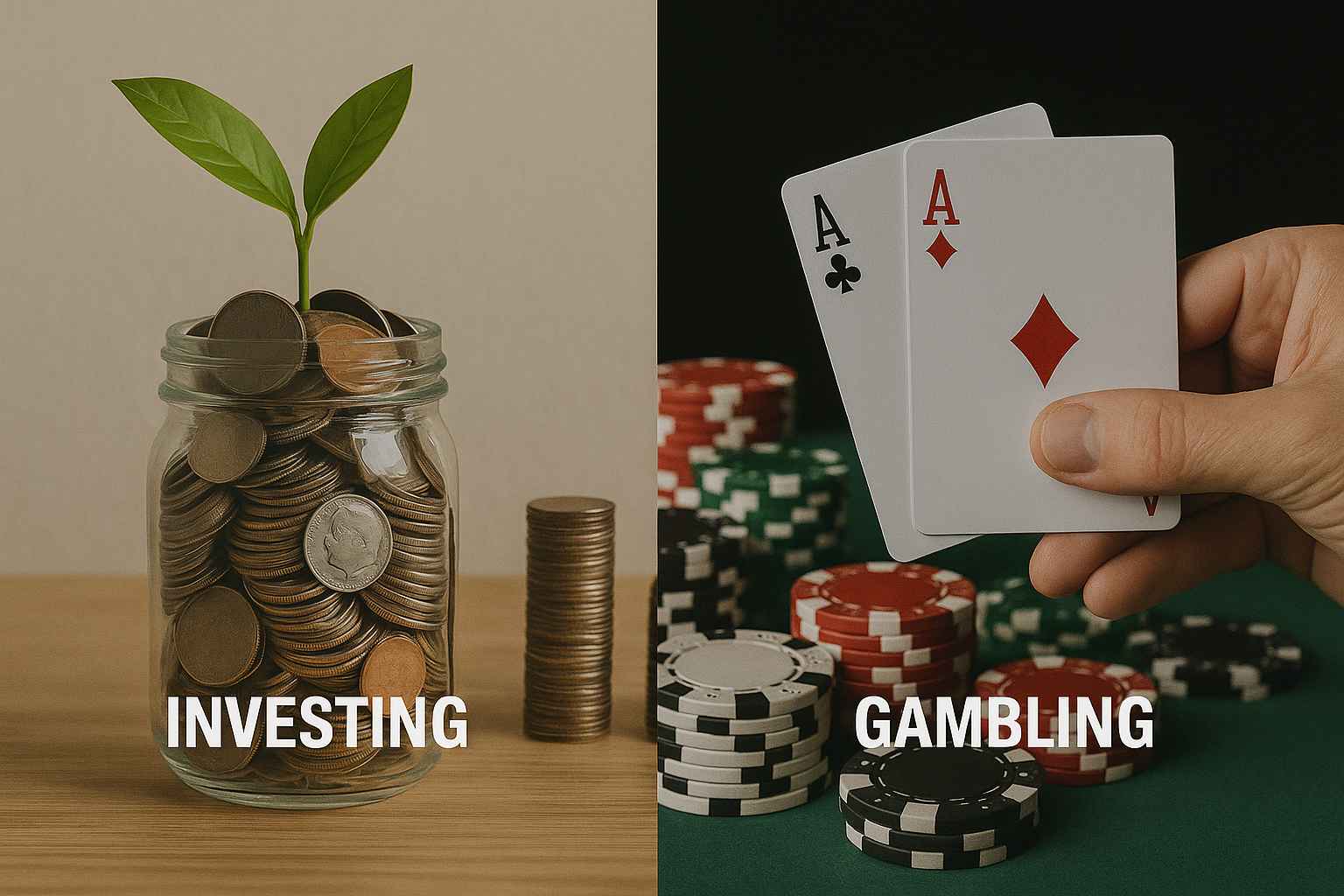
Forex? Many still dismiss it as gambling. This stigma comes from its accessibility, volatility, and the number of people who lose money quickly. Unfortunately, scammers in the Forex world haven’t helped its reputation either.
The Learning Curve
Learning stocks involves understanding companies, financial statements, and basic market cycles. Challenging, yes, but manageable.
Forex demands you understand global economics, central bank policies, interest rates, and currency correlations. Add to that the psychological stress of constant volatility, and the learning curve feels like climbing Mount Everest in slippers.
Why Confusing Them Hurts Traders
Mixing Forex and stock strategies is a recipe for disaster. Imagine trying to use basketball strategies on a soccer field—you’ll look ridiculous and lose every game.
Many new traders blow accounts because they treat Forex like stocks—holding trades too long, ignoring economic news, or underestimating leverage. The sooner you separate the two in your mind, the faster you’ll grow as a trader.
Which One Is Better?
Here’s the honest truth: neither Forex nor stocks are “better.” It depends on your personality, goals, and risk tolerance.
-
Want long-term growth and stability? Stocks may suit you better.
-
Love fast action, global economics, and high-risk potential? Forex might be your game.
The problem isn’t choosing one over the other—it’s believing the myth that they’re the same.
The Final Word: Stop Treating Them as Twins
Forex trading is not stock trading. Period. They may look alike at first glance, but they operate on different rules, risks, and strategies. Treating them as identical leads to confusion, frustration, and blown accounts.

If you truly want success, you must respect their differences. Study them individually, practice strategies unique to each, and stop falling for myths that oversimplify the financial world.
Conclusion
Believing that Forex is just like stock trading is one of the costliest mistakes beginner traders make. While both involve speculation and charts, their mechanics, risks, and psychology couldn’t be further apart. Forex thrives on global chaos, currency battles, and extreme leverage, while stocks rely on company performance and long-term growth. If you’re serious about trading, treat each market with the respect it deserves—because mixing the two is like bringing a knife to a gunfight.
FAQs
1. Why do beginners think Forex and stock trading are the same?
Because both use charts, involve speculation, and seem to follow the “buy low, sell high” principle. But the underlying mechanics are completely different.
2. Can I use stock trading strategies in Forex?
Not effectively. Stock strategies like buy-and-hold rarely work in Forex. You need to adapt to shorter time frames and macroeconomic influences.
3. Which is riskier: Forex or stocks?
Forex is generally riskier due to extreme leverage, volatility, and global unpredictability. Stocks, while risky, are more stable for long-term investors.
4. Do Forex traders make more money than stock traders?
Not necessarily. Both markets offer opportunities, but Forex traders often face higher risks, making consistent profits harder without discipline.
5. Should I start with Forex or stocks as a beginner?
If you prefer long-term investing, start with stocks. If you enjoy fast-paced trading and can handle risk, Forex might appeal to you. Always start small and educate yourself first.