

Networking is a buzzword everyone throws around when talking about success. In business, in entrepreneurship, in career growth—people love to say, “It’s not what you know, it’s who you know.” But let’s be real here: when it comes to forex trading, this old saying doesn’t hold much water. The truth is, forex isn’t a cocktail party where the one with the most friends wins. Instead, it’s a game of skill, patience, discipline, and strategy.

In this article, we’ll break down why having a huge network of contacts isn’t the golden ticket to forex success. Instead, we’ll focus on what really matters. Buckle up, because I’m about to dive deep into the myths, realities, and truths that traders need to face head-on.
The Myth of Networking in Forex
People often believe that to succeed in forex, you need to know influential traders, financial gurus, or insider contacts who feed you hot tips. It sounds glamorous, doesn’t it? Having a secret channel of information that gives you an “edge.”
But here’s the hard truth: forex is not like stock trading where insider information can sometimes sway decisions (and even that’s illegal). Forex is a decentralized global market. No single person or contact can give you enough of an edge to beat consistent market volatility.
So, the idea that a vast network alone guarantees success is not only misleading—it’s downright dangerous for new traders.
What Networking Can and Can’t Do for You
Let’s not completely trash networking—it does have its perks. Meeting other traders can give you motivation, support, and sometimes access to different perspectives. For example, discussing strategies with others might help you see mistakes you didn’t notice.
But let’s be honest. Networking won’t magically turn you into a profitable trader. It won’t fix poor risk management, it won’t teach you patience, and it definitely won’t shield your account from losses. The market doesn’t care how many friends you have. What it cares about is how disciplined you are with your trades.
Why Skills Outweigh Contacts
Think of forex trading like learning to play chess. If you don’t know the rules or strategies, it doesn’t matter if you know the grandmaster personally—you’ll still lose. Skills are the bedrock of forex trading.
You need to know technical analysis, fundamental analysis, market psychology, and risk management. Without these, you’re basically gambling. And let’s face it, gambling is not a sustainable career choice. Your network can’t save you from poor skills. But strong skills? They’ll save you from disaster, even if you trade alone in your bedroom.
The Danger of Relying on “Tips” from Others
Here’s where networking gets really risky. Many traders fall into the trap of relying on tips from their so-called network. They join Telegram groups, WhatsApp chats, or shady forums where self-proclaimed “experts” shout out signals.
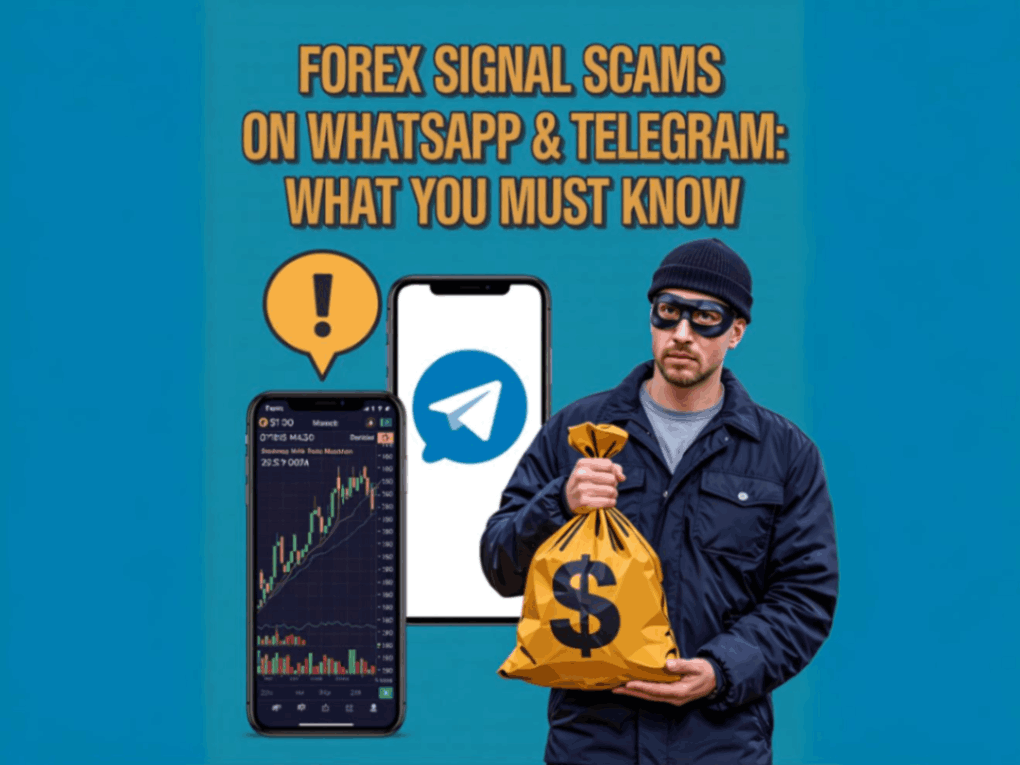
But think about it—why would someone hand you a golden trade for free? Most of the time, these tips are unreliable, misleading, or just plain wrong. Blindly following them is like letting a stranger drive your car at full speed. The accident isn’t a matter of if—it’s a matter of when.
Networking might get you these “opportunities,” but unless you can analyze and verify them yourself, you’re walking into a minefield.
Building Knowledge: The Real Networking
Want to know the most powerful network you can build? It’s not with people—it’s with information. Books, courses, backtesting tools, webinars, and market data are your real allies.
When you connect the dots between candlestick patterns, economic reports, and your own trading journal, you build a personal web of knowledge that’s far more valuable than any group chat. This kind of network doesn’t let you down; it grows stronger with every trade you take and every lesson you learn.
The Role of Self-Discipline in Trading
Even if you had the world’s best network, without self-discipline, you’d still fail. Forex is a brutal market that punishes emotional decisions. Think about revenge trading, over-leveraging, or chasing losses. No mentor or contact can stop you from doing those things—it’s all on you.
Discipline is the invisible shield that separates survivors from losers in this game. And sadly, it can’t be borrowed or outsourced. You build it brick by brick, one trade at a time.
Why Strategy Beats Social Circles
If forex were about who you know, celebrities and wealthy business owners would dominate the markets. Spoiler: they don’t. In fact, most high-profile people lose money in trading because they think their status equals market mastery.
A solid trading strategy is what really makes you money. Whether you’re a scalper, swing trader, or position trader, the plan is what counts. Strategies remove guesswork, reduce emotional decision-making, and give you structure. Your social circle? That’s just background noise.
The Myth of “Trading Communities”


Now, don’t get me wrong—trading communities can be helpful. They give you a place to vent frustrations, share ideas, or even learn from others’ mistakes. But too often, these communities turn into echo chambers of hype and panic.
Ever been in a group where everyone screams “BUY GOLD NOW” or “SELL EUR/USD, IT’S CRASHING!”? Yeah, that’s herd mentality, not trading wisdom. Following the crowd is the quickest way to blow your account. Communities can support you emotionally, but they shouldn’t be your compass.
The Loneliness of a Successful Trader
Here’s an uncomfortable truth: trading is lonely. The most successful traders don’t spend their days chatting in groups or calling up contacts. They spend it analyzing charts, journaling trades, and reflecting on their mistakes.
It’s not glamorous, but it’s the reality. Forex rewards the independent thinker—the one who’s okay sitting alone with their laptop and making tough calls. The fewer distractions you have, the clearer your trading decisions will be.
Education: The Network That Pays Off
Want a network that truly pays dividends? Educate yourself. Subscribe to financial news, follow reputable analysts, take certified courses, or even hire a coach if you can afford one. Unlike contacts, education doesn’t disappear or give you biased advice.
Education compounds over time. Just like compound interest grows your capital, continuous learning grows your edge. And unlike a shaky network, no one can take your knowledge away.
Why Trading Is a Solo Responsibility
At the end of the day, no one cares about your account balance except you. If you blow up your account, your network won’t refund you. If you miss an opportunity, no one will give it back. Trading is brutally individualistic.
That’s why relying on others is dangerous. The faster you take full responsibility for your wins and losses, the faster you’ll grow as a trader. Success in forex is a mirror—you either like what you see, or you don’t. And that reflection is all you.

So, Do You Need Contacts at All?
Here’s the balanced truth: having contacts can help, but they’re not the foundation of success. They can motivate you, share ideas, or give you moral support. But they can never replace the essentials—knowledge, strategy, discipline, and patience.
Think of contacts as seasoning on your food. Sure, it adds flavor. But the main meal? That’s all you—the cook, the ingredients, the recipe. No seasoning in the world can fix a dish that’s poorly cooked.
Conclusion
The idea that you need a large network of contacts to succeed in forex trading is nothing but a myth. The market doesn’t reward popularity—it rewards preparation, discipline, and skill. Networking can give you emotional support or perspective, but it won’t pay your bills. Your edge comes from hard work, continuous learning, and a strategy you trust.
So, stop worrying about building a massive contact list and start building yourself. Because in forex, your greatest ally isn’t your network—it’s your mindset.
FAQs
1. Can a mentor help me succeed in forex?
Yes, a mentor can guide you and help you avoid rookie mistakes, but they can’t guarantee profits. Your success still depends on your own discipline and skills.
2. Are forex trading communities useful?
They can be, but only if you use them wisely. Don’t blindly follow signals—use them as learning platforms instead.
3. Should I pay for trading tips from experts?
Be cautious. Most paid tips are scams or unreliable. It’s better to invest that money into your education.
4. Is forex trading really a solo journey?
Mostly, yes. While you can learn from others, your trades are your responsibility. No one else bears the risk.
5. What’s more important: strategy or contacts?
Strategy, hands down. A solid strategy protects your account, while contacts can only give you opinions.