

The trading world is filled with myths, and one of the most misleading ones is the idea that you need to follow every single piece of market news to succeed. Sounds exhausting already, right? Imagine trying to keep up with every article, breaking headline, analyst report, and tweet about the markets. If that’s the strategy, you’d probably burn out before you even placed your first trade.
The truth is far simpler: while news can influence the market, not every headline deserves your attention. The smarter approach is to focus on relevant news that directly affects your trading strategy. Let’s dive deep into why this myth persists, why it’s harmful, and how you can build a practical approach to using market news wisely.
Why This Myth Exists in the First Place
Trading has always been surrounded by the idea of “information is power.” The more you know, the better your edge—at least, that’s the perception. Financial media also plays a huge role in fueling this myth. Every channel, blog, and Twitter feed screams breaking updates, making you believe missing one could cost you a fortune.
But here’s the reality check: markets don’t react to all news equally. Some news barely makes a ripple, while others create tsunamis. Believing you must stay glued to every headline is like thinking you need to taste every dish in a buffet to enjoy your meal—it’s overkill and impractical.
The Negative Impact of Following Every Headline
On the surface, keeping track of every piece of news might sound diligent. But in practice, it can harm your trading more than help it.
-
Information Overload – Your brain can only process so much. Drowning in endless updates leads to confusion, second-guessing, and emotional decision-making.
-
Paralysis by Analysis – When you’re bombarded with too many signals, you hesitate. Instead of executing your plan, you freeze because you don’t know which news is truly relevant.
-
Stress and Burnout – Imagine being on high alert 24/7. Constantly monitoring news is mentally draining, and over time, it kills your motivation.
So instead of giving you clarity, following all market news often leads to chaos.
The Difference Between Important News and Noise
Not all news is created equal. Some events can move markets instantly, while others barely leave a trace. Knowing the difference is crucial.
-
High-Impact News: Interest rate decisions, non-farm payrolls, inflation reports, central bank announcements, and geopolitical conflicts. These directly shake currency markets.
-
Medium-Impact News: Trade balances, speeches by financial leaders, consumer confidence reports. They influence trends but don’t always cause immediate shocks.
-
Low-Impact News: Random political comments, minor corporate reports, or local updates with limited global reach. These are often just background noise.
Focusing only on high and medium-impact events allows you to filter out the clutter and zero in on what matters.
Why Traders Chase Every Headline


If following everything is so ineffective, why do traders still do it? Simple: fear of missing out (FOMO).
Nobody wants to be the trader who missed a big move because they ignored some headline. This fear drives traders to overconsume news, hoping to catch every possible opportunity. But ironically, trying to be everywhere at once means you end up nowhere—you miss the big picture because you’re distracted by irrelevant details.
It’s like trying to drink water from a firehose—you get overwhelmed, not refreshed.
How Professional Traders Approach News
Professional traders don’t waste time chasing every story. Instead, they operate with filters. They know what matters for their strategy and ignore the rest.
For example:
-
A forex trader cares about central bank announcements and economic data releases, not Apple’s quarterly iPhone sales.
-
A stock trader keeps an eye on earnings season but doesn’t lose sleep over oil inventories unless they trade energy companies.
Pros focus on news with direct impact on their instruments. That’s the mindset you need if you want to stop running in circles.
The Role of Economic Calendars
Here’s a secret weapon: the economic calendar.
Instead of monitoring everything, traders use these calendars to track scheduled events with potential market impact. These calendars categorize events as high, medium, or low impact. With this tool, you can:
-
Plan your trades around high-impact events.
-
Avoid entering trades right before risky announcements.
-
Stay informed without drowning in information.
It’s like having a map—you know where the roadblocks are instead of driving blind.
The Dangers of Overreacting to News

Another trap traders fall into is overreacting to headlines. Yes, some news creates sharp moves, but not every move is sustainable. Many times, markets spike only to correct minutes later.
If you jump into trades impulsively after every headline, you’re basically gambling. It’s like chasing shadows—you’ll always be a step too late or too early. Successful traders wait for confirmation before acting, instead of blindly following knee-jerk reactions.
How Algorithms Already Beat You to the News
Here’s a harsh truth: by the time you read breaking news, big players and trading algorithms have already acted. These high-frequency systems scan headlines in milliseconds and place trades before human eyes even register the words.
So if you think following every headline gives you an edge—you’re already behind. Retail traders can’t compete with speed, but you can compete with strategy. Instead of racing algorithms, focus on building a plan that interprets broader market trends.
Why Relevant News is More Valuable
Think about this: would you rather have 1,000 random puzzle pieces or 10 that fit perfectly? Trading works the same way. The right piece of news—relevant to your system—is worth more than a hundred irrelevant ones.
For instance:
-
A swing trader focusing on EUR/USD doesn’t need to know about Asian stock earnings.
-
A commodities trader in gold doesn’t need to watch retail sales data in Canada.
Your goal is to connect the dots that matter, not collect every dot on the page.
Filtering News: A Practical Approach


So, how do you decide what’s relevant? Here’s a simple three-step filter system:
-
Does it directly affect my market?
If not, move on. -
Is the impact high or low?
Only focus on high/medium-impact events. -
Does it align with my trading timeframe?
A day trader might care about intraday news, while a position trader looks at long-term trends.
Once you apply this filter, you’ll realize 80% of the noise can be ignored without regret.
The Psychological Trap of News Addiction
Many traders treat market news like a soap opera—they want to stay entertained. The constant scrolling, checking apps, and chasing updates feels productive, but it’s often just a distraction.
This addiction creates a dangerous cycle: the more you consume, the less confident you feel. You second-guess your trades because you’ve read conflicting opinions. In reality, this obsession destroys clarity and confidence.
It’s better to have fewer, high-quality sources of news than a dozen noisy feeds.
Why Technical Traders Care Less About News
Here’s an interesting angle: some traders barely follow news at all, yet they succeed. How? They rely on technical analysis.
Charts already reflect the market’s reaction to news. Prices move based on collective sentiment, so instead of predicting news, technical traders interpret patterns and trends. While they remain aware of big events, they don’t obsess over every detail.
This approach shows you don’t need to be a news junkie to succeed—you just need a consistent strategy.
Case Study: The Non-Farm Payroll Effect

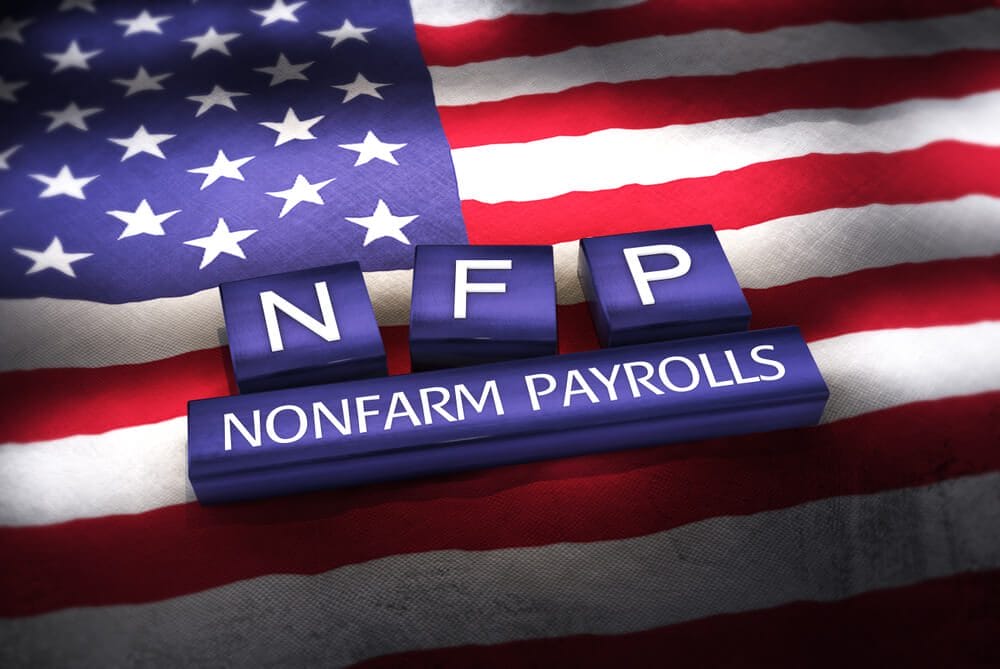
Let’s use a real example: the U.S. Non-Farm Payroll (NFP) report.
This single event can cause massive volatility in forex pairs like USD/JPY or EUR/USD. Traders know it’s scheduled, they prepare in advance, and they either trade the reaction or stay out to avoid risk.
Now compare that to a random mid-level report like “manufacturing output in a small country.” That might not move markets at all. The lesson? Knowing which news matters is far more valuable than chasing everything.
The Power of Long-Term Focus
Chasing every piece of news locks you into short-term thinking. But successful traders often zoom out. They focus on long-term economic trends—interest rate cycles, inflation, employment trends—rather than daily noise.
Think of it like sailing: wind gusts (daily news) may shake your boat, but the ocean currents (long-term fundamentals) determine where you end up. Following currents is more sustainable than panicking over every gust.
Building a Balanced Routine with News
So how do you find balance? Here’s a routine that works:
-
Start the day: Check the economic calendar for high-impact events.
-
During trading: Monitor your trades, not the newsfeed.
-
End of day: Review market moves and note if news impacted your setups.
That’s it. You don’t need to check headlines every 10 minutes. With structure, you’ll avoid information overload and focus on execution.
Why Ignoring Some News is Actually a Strength
Here’s the irony: ignoring irrelevant news makes you a stronger trader. Why? Because discipline is power. Every time you skip a headline that doesn’t matter, you protect your mental energy and avoid overtrading.

Markets reward clarity, not chaos. By cutting the noise, you give yourself the mental space to make rational, consistent decisions.
Conclusion
The myth that you must follow all market news to be successful is one of the most damaging beliefs in trading. It keeps traders glued to screens, chasing shadows, and losing focus. The truth is simple: not all news matters, and chasing every headline is a recipe for stress and failure.
Instead, focus on the news that aligns with your strategy. Use tools like economic calendars, filter out the noise, and trust your system. Remember, trading isn’t about knowing everything—it’s about knowing what matters.
FAQs
1. Do I need to watch financial news channels all day to be a good trader?
No. Constant news-watching is counterproductive. A few focused checks on relevant updates are enough.
2. Which news events are most important for forex traders?
Events like central bank announcements, interest rate decisions, inflation reports, and employment data are the big ones.
3. Can I succeed in trading without following any news?
Yes. Many technical traders rely on charts instead of headlines, though it’s still wise to be aware of major events.
4. How do I avoid getting overwhelmed by too much information?
Use an economic calendar, set clear filters, and ignore irrelevant updates. Less is more when it comes to trading news.
5. Why do most traders fail when relying on news?
Because they overreact to short-term noise instead of focusing on consistent, relevant signals. It leads to impulsive decisions rather than strategic ones.