

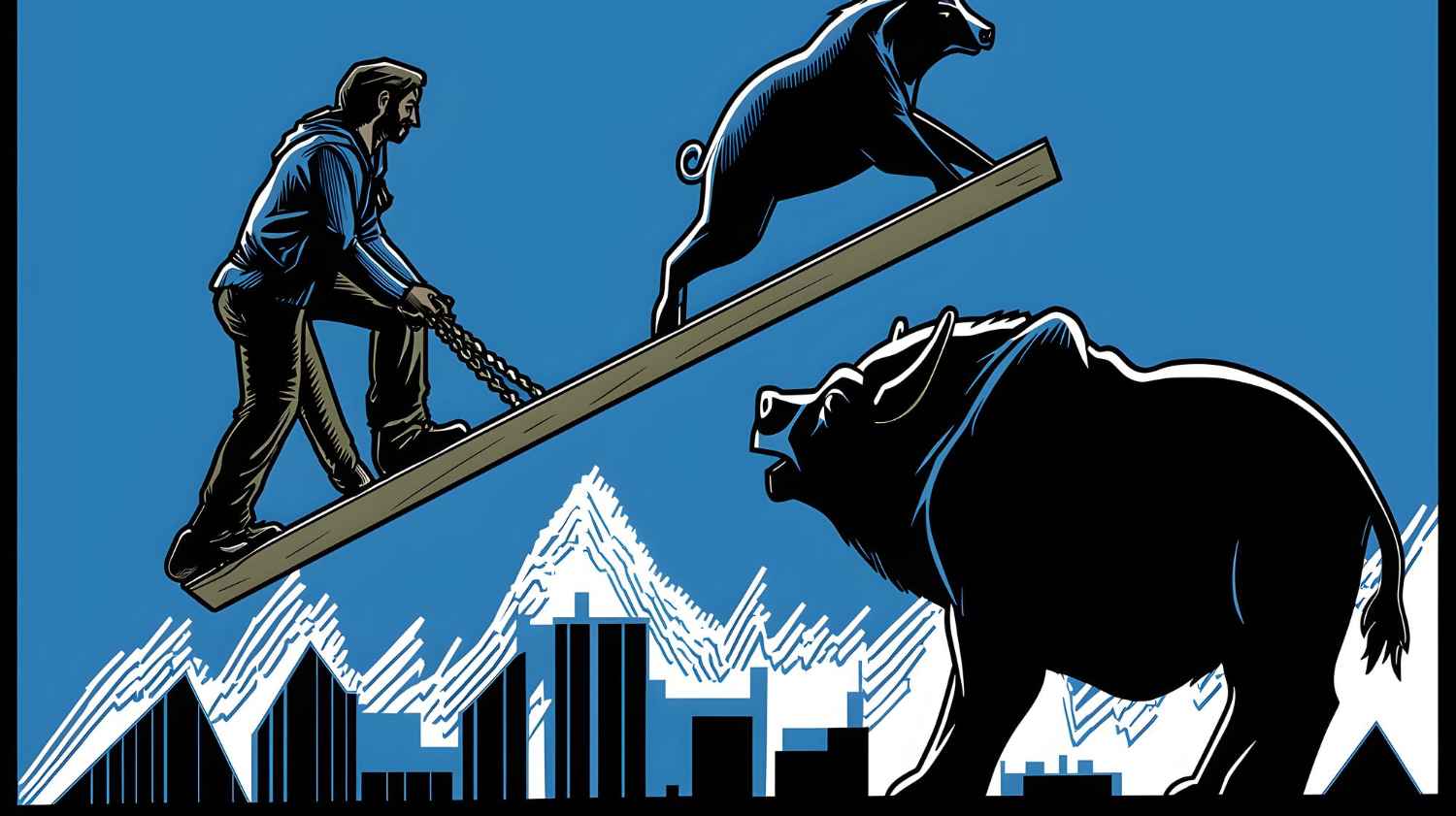
Trading is often glamorized as a fast-paced game of luck, but let’s be brutally honest—it’s not supposed to be gambling. The truth is, most beginners lose money not because they lack intelligence but because they confuse trading with a casino. The phrase in the image, “Avoid gambling, embrace probability”, isn’t just a catchy quote—it’s a golden rule for survival and success in the markets.
In this article, we’ll dig deep into why this mindset is critical, how you can shift your thinking from gambling to probability, and practical strategies to actually apply this in your trading journey. Get ready, because this won’t be sugar-coated.

The Thin Line Between Trading and Gambling
Let’s start with the ugly truth: many traders gamble without even realizing it. Placing random trades based on gut feeling, chasing the market after a loss, or risking everything on a “sure shot” signal—that’s gambling, not trading.
-
Gambling mindset: Win or lose, all-in, emotional decisions.
-
Probability mindset: Calculated risk, statistical edge, consistency over time.
Think of it like this—would you bet your entire paycheck on a roulette wheel? Then why risk it all on one unresearched trade?
Why Trading Feels Like Gambling
The markets are addictive. The flashing charts, sudden spikes, and quick profits trick your brain into releasing dopamine—just like slot machines. That’s why new traders often get trapped in the cycle of overtrading, revenge trading, and blowing accounts.
But here’s the difference: casinos are designed to make you lose in the long run, while trading—if approached scientifically—can give you a real edge.
The Power of Probability in Trading
Probability is your shield against emotional decisions. Professional traders don’t chase wins; they focus on strategies that give them a statistical advantage over hundreds of trades.
Example:
If your strategy has a 60% win rate and you stick to proper risk management, over 100 trades, you’ll come out profitable—even if you lose 40 times. That’s probability working in your favor.
Risk Management: The Bridge Between Survival and Success
Here’s a hard pill to swallow—most traders don’t lose because of bad strategies, but because of bad risk management. Without controlling risk, even the best strategy will fail.
Key rules to follow:
-
Never risk more than 1–2% of your capital per trade.
-
Always use a stop loss—hoping the market will “come back” is gambling.
-
Think long-term: focus on surviving first, thriving second.
Remember: In trading, staying alive is winning half the battle.
Why Traders Gamble (And How to Stop It)
So, why do smart people fall into gambling habits in trading?
-
Greed: Wanting quick profits.
-
Fear: Afraid of missing out (FOMO).
-
Lack of discipline: No plan, no rules.
The cure? Build a trading plan and stick to it religiously. If you wouldn’t put your money on a random lottery ticket, why risk it on a trade without analysis?
Think Like a Casino, Not a Gambler
Here’s the mindset shift: stop thinking like a player and start thinking like the house. Casinos always win in the long run because they rely on probability, odds, and risk control.
Traders who succeed treat their strategies like a casino:
-
They accept losses as part of the game.
-
They focus on consistency, not luck.
-
They know one trade doesn’t define the outcome—only the long-term results matter.
Emotional Control: Your Secret Weapon
If probability is your sword, discipline is your shield. Emotional decisions are the fastest way to slip back into gambling mode. Ever had a losing streak and thought, “Let me just double my lot size to recover”? That’s pure gambling.
Tips for emotional control:
-
Take breaks after consecutive losses.
-
Avoid trading when angry, stressed, or overconfident.
-
Keep a trading journal to spot emotional patterns.

Trading Psychology vs. Gambling Psychology
-
Gambler’s psychology: Believes in luck, chases losses, ignores odds.
-
Trader’s psychology: Believes in discipline, accepts losses, trusts probability.
This psychological shift separates amateurs from professionals. Without it, even the best tools and signals won’t save you.
Probability in Action: Practical Examples
Let’s break it down:
Imagine you risk $100 on every trade.
-
Win rate: 50%
-
Reward-to-risk ratio: 2:1
Out of 10 trades:
-
5 wins = $1,000 profit ($200 × 5)
-
5 losses = $500 loss ($100 × 5)
-
Net = $500 profit
That’s not luck—that’s probability. Even with a 50% win rate, a smart risk-to-reward ratio makes you profitable.
Building a Probability-Driven Trading Strategy
To embrace probability, you need a system, not random decisions.
Steps:
-
Backtest your strategy. See how it performs over hundreds of trades.
-
Define risk per trade. Stick to it no matter what.
-
Set clear entry and exit rules. No room for guesswork.
-
Track results. Numbers don’t lie—your emotions do.
Common Mistakes That Turn Trading Into Gambling
-
Trading without a stop loss.
-
Using huge leverage just to “get rich quick.”
-
Jumping into trades based on rumors or social media tips.
-
Changing strategies every week.
Every one of these mistakes is just another form of gambling disguised as trading.

The Long-Term Mindset: Patience Pays
Successful trading is like farming. You plant seeds (trades), water them (manage risk), and wait for the harvest (profits). Gambling is like throwing seeds in the wind and hoping for a miracle.
If you want real success, stop chasing shortcuts. Embrace the grind, trust probability, and focus on the bigger picture.
Conclusion
The quote “Avoid gambling, embrace probability” is more than just advice—it’s the backbone of sustainable trading. Gambling leads to blown accounts, stress, and financial disaster. Probability leads to steady growth, consistency, and peace of mind.
Trading isn’t about hitting jackpots; it’s about building wealth brick by brick. Shift your mindset, embrace probability, and trade like a professional—not a gambler.
FAQs
1. What’s the main difference between trading and gambling?
Trading uses analysis, risk management, and probability. Gambling relies on luck and emotions.
2. Can you ever remove risk completely in trading?
No. Risk can never be eliminated, but it can be managed and minimized with proper strategies.
3. How do I know if I’m gambling in trading?
If you’re trading without a plan, risking more than you can afford, or relying on luck, you’re gambling.
4. Is probability more important than strategy?
Both matter, but probability ensures your strategy works over time. Without probability, even the best strategy can fail.
5. How can I stop emotional trading?
Create a strict plan, use stop losses, manage risk, and keep a trading journal to control emotions.