

When people first dive into the world of forex trading, they often fall for one of the most common misconceptions out there: the belief that fundamental analysis alone is enough to be successful. This myth has been passed around for years, making traders think that by just keeping an eye on news events, GDP data, or central bank speeches, they can consistently make profits.
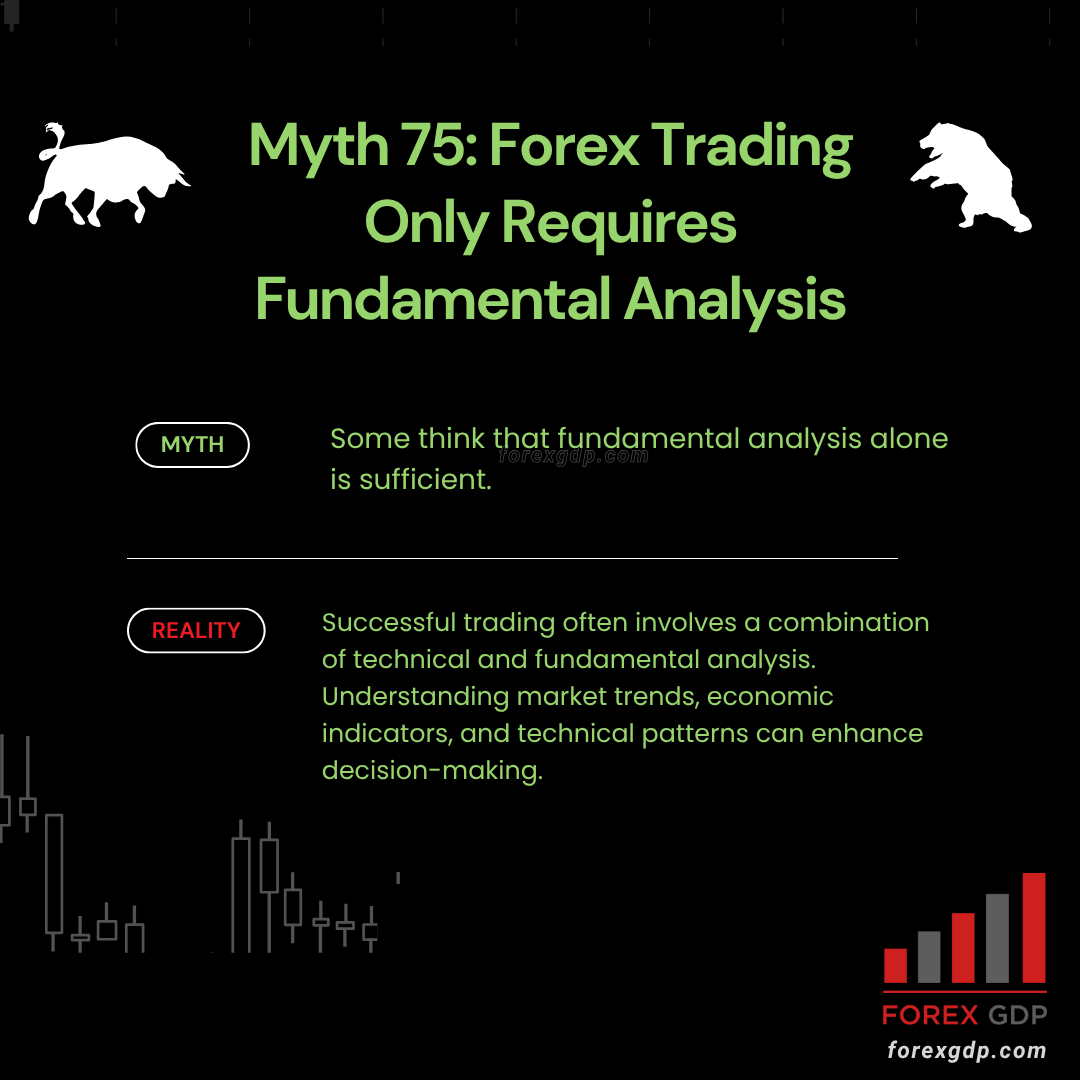
The truth? That’s far from reality. While fundamentals play a crucial role in shaping market movements, technical analysis, psychology, and risk management are equally important pieces of the puzzle. Let’s go deep into this myth and uncover why relying only on fundamental analysis is a recipe for disappointment.
What Is Fundamental Analysis in Forex?
Fundamental analysis is all about examining the bigger picture. Traders look at interest rates, inflation, employment figures, political events, and central bank decisions to gauge how a currency might perform. For instance, if the U.S. Federal Reserve raises interest rates, the U.S. dollar might strengthen because investors expect higher returns.
It’s essentially like checking the health report of an economy. If the report card looks good, the currency is likely to perform well. But here’s the catch – markets don’t always move logically. Sometimes, currencies fall even when the fundamentals scream “buy.” That’s where the cracks in relying solely on this approach begin to show.
Why Traders Fall for the “Fundamentals Only” Myth
Many beginners think forex is similar to investing in stocks, where fundamental analysis can guide long-term decisions. They assume that since central banks control interest rates and governments publish economic data, these are the only things that matter.
It’s easy to see why this myth thrives. News headlines are everywhere, analysts on TV constantly talk about GDP growth, and economic calendars flood the internet. New traders mistakenly believe that being updated with global news alone is their golden ticket to profits.
The Harsh Reality of Market Behavior
If forex markets behaved exactly as textbooks suggest, everyone who read the news would be rich. But markets are irrational at times. Prices move because of traders’ psychology, speculation, technical patterns, and even high-frequency trading algorithms.
Take the Non-Farm Payrolls (NFP) report for example. It’s one of the most anticipated events each month. Even if the results are better than expected, the dollar might drop because traders had already priced in the news or decided to take profits. This unpredictability highlights why technical tools are just as critical as fundamental insights.
Technical Analysis Complements Fundamentals
While fundamentals tell you why the market might move, technical analysis helps you figure out when and how. Charts, candlestick patterns, moving averages, and support/resistance levels act like a roadmap, showing you potential entry and exit points.
Imagine driving with just a destination in mind but no GPS. Fundamentals are the destination, while technical analysis is the GPS that guides you through traffic, shortcuts, and detours. Without both, your journey is incomplete.
The Role of Market Sentiment
Another layer that makes trading tricky is market sentiment. This refers to the collective mood of traders. Sometimes, even when the fundamentals are weak, if traders believe a currency will rise, they keep buying, pushing the price higher. Sentiment can override logic.

For example, during crises, people often flock to “safe haven” currencies like the USD or JPY, even if their economic data isn’t perfect. This herd mentality proves that following fundamentals alone doesn’t always pay off.
The Power of Technical Indicators
Technical indicators like RSI (Relative Strength Index), MACD (Moving Average Convergence Divergence), and Bollinger Bands are not just fancy tools; they reveal hidden clues about market strength and momentum.
They act as signals when fundamentals remain silent. Let’s say the U.S. has strong job data, but the RSI shows the dollar is overbought. This could hint at a reversal, saving you from entering a losing trade. Ignoring these signals is like ignoring storm clouds when planning a picnic.
Risk Management: The Overlooked Factor
Even with flawless fundamental and technical analysis, trades can still go wrong. That’s why risk management is crucial. Setting stop-loss orders, managing position sizes, and diversifying trades protect you from blowing up your account.
Relying only on fundamental analysis often blinds traders to risk. They might think, “The economy is strong, so this trade must win.” Unfortunately, markets don’t care about your confidence; they care about liquidity, volatility, and timing.
Real-World Example of Failed Fundamental-Only Trading
Think back to Brexit in 2016. Fundamentals told traders the British pound would collapse if the U.K. voted to leave the EU. While the pound did fall initially, it also experienced violent rallies and pullbacks in the following months. Traders who stuck blindly to fundamentals without technical setups ended up getting crushed by the volatility.
This example is a painful reminder that fundamentals alone can’t save you in real-time trading scenarios.
Why Short-Term Traders Can’t Rely on Fundamentals Alone
Day traders and scalpers, who rely on quick trades within minutes or hours, can’t sit around waiting for GDP reports or central bank statements. They need immediate signals, which only technical analysis provides.
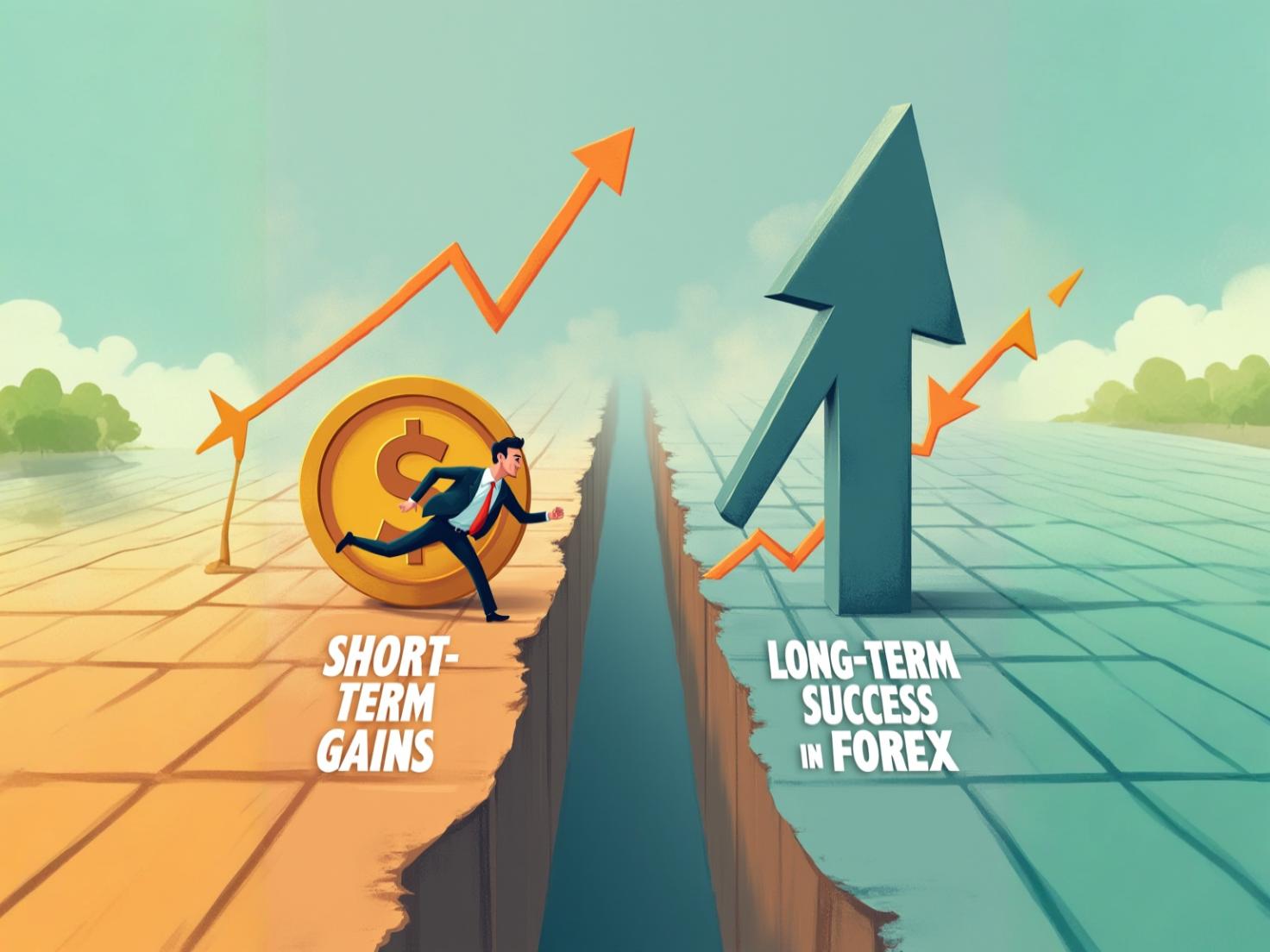
Sure, fundamentals can set the long-term tone, but intraday price moves are often dictated by technical levels and trader psychology. Without technicals, short-term traders are like sailors without a compass.
Long-Term Traders Also Need Technicals
Even long-term traders who prefer swing or position trading can’t escape technicals. Fundamentals may suggest a currency will rise over the next six months, but when do you enter? At what level should you place your stop-loss? At what price should you take profits?
Only charts can answer these questions. Entering too early or too late without technical confirmation can eat into profits or turn a winning idea into a losing trade.
The Importance of Timing
Fundamental events move markets, but the exact timing of entry is everything. For example, a central bank may announce a rate hike, but if the market has already priced it in, the move might be muted or even opposite. Technical analysis shows whether the market is overextended or primed for a breakout.
Without timing, relying purely on fundamentals is like buying an umbrella after the rain has already stopped.
Combining Technicals, Fundamentals, and Sentiment
The best traders treat forex like a three-legged stool: technicals, fundamentals, and sentiment. Remove one leg, and the stool collapses. Successful trading requires a balance of all three.
-
Fundamentals = The “why”
-
Technicals = The “when”
-
Sentiment = The “how strong”
Together, they form a complete trading strategy that gives you an edge over the market.
Trading Psychology: The Hidden Weapon
Even with fundamentals and technicals, your psychology can betray you. Fear and greed push traders to ignore logic and chase the market. For instance, a trader might know the fundamentals are bearish but still hold onto a losing trade, hoping it will turn around.
Mastering psychology means sticking to your plan, cutting losses quickly, and not letting news hype cloud your judgment.
The Dangers of News Trading Without Technicals


Trading directly after news releases is one of the riskiest strategies. Price spikes are often followed by sharp reversals, trapping traders who rely only on news. Without technicals like support and resistance levels, it’s almost impossible to predict where the market might stall or reverse.
It’s like trying to surf a massive wave without knowing how to balance – thrilling but dangerous.
Building a Balanced Strategy
The safest path is building a balanced strategy that uses all three components:
-
Use fundamentals to decide the overall direction.
-
Use technicals to pinpoint entries and exits.
-
Use sentiment to measure market mood.
Layering these methods creates a much stronger trading plan compared to relying solely on one.
Conclusion
The idea that forex trading only requires fundamental analysis is one of the most damaging myths in the trading world. While fundamentals are undeniably important, ignoring technical analysis, sentiment, and risk management is like going into battle with only half your armor.
The reality is, forex markets are complex, irrational, and influenced by multiple factors at once. A successful trader is not the one who knows every economic report by heart but the one who can blend fundamentals with technicals, respect risk, and control emotions. That’s the real formula for long-term success.
FAQs
1. Can I succeed in forex trading with only fundamental analysis?
Not really. While fundamentals give direction, you’ll still need technicals and risk management to trade effectively. Relying only on fundamentals often leads to mistimed entries and losses.
2. Is technical analysis more important than fundamentals?
Neither is more important. Fundamentals set the tone, but technicals help you time the market. Both need to work together for success.
3. Do professional traders use both fundamental and technical analysis?
Yes, almost all professional traders use a combination of both. Many even add sentiment analysis to get a complete picture.
4. Why do markets sometimes move opposite to the news?
Because traders often “price in” the news before it’s released. Once the event happens, they take profits, causing unexpected moves.
5. How do I build a strategy using both fundamentals and technicals?
Start by identifying the long-term direction using fundamentals, then refine your entry and exit with charts and technical indicators. Always manage risk and consider market sentiment.