

Let’s be honest — trading isn’t the glamorous, fast-lane path to riches that Instagram makes it look like. It’s brutal, unpredictable, and emotionally draining. Everyone talks about compounding profits, but few mention the uncomfortable truth — you can’t compound if you don’t survive. The harsh reality is that the majority of traders never make it past the survival phase. They blow up their accounts chasing quick wins, not realizing that trading is more about staying in the game than winning every hand.
The Myth of Instant Success
We live in a world of overnight success stories. Screenshots of $10k profits flood social media. But what you don’t see are the thousands who lost everything trying to copy them.
The myth of instant success in trading is dangerous because it tricks you into believing compounding is easy — that a few good trades will snowball into millions. In truth, compounding only works when your capital stays intact long enough to grow.
Think of it like planting a tree. Everyone loves the idea of picking fruits, but few have the patience to water it daily without seeing results. Survival is that watering phase — boring, repetitive, but essential.
Compounding Doesn’t Start With Profits — It Starts With Preservation
Here’s a bitter pill: compounding isn’t about multiplying profits; it’s about minimizing losses first.
If you lose 50% of your account, you need a 100% gain just to break even. That’s the ugly math most traders ignore.
Survival means your number one goal should be capital preservation — not chasing the next high-return setup. The traders who last for years aren’t the ones who win big fast; they’re the ones who know how to avoid losing it all.
Why Most Traders Don’t Survive Long Enough to Compound
The answer is simple: ego and greed.
New traders come in thinking they’re smarter than the market. They over-leverage, revenge trade, and ignore risk management — until the market humbles them.
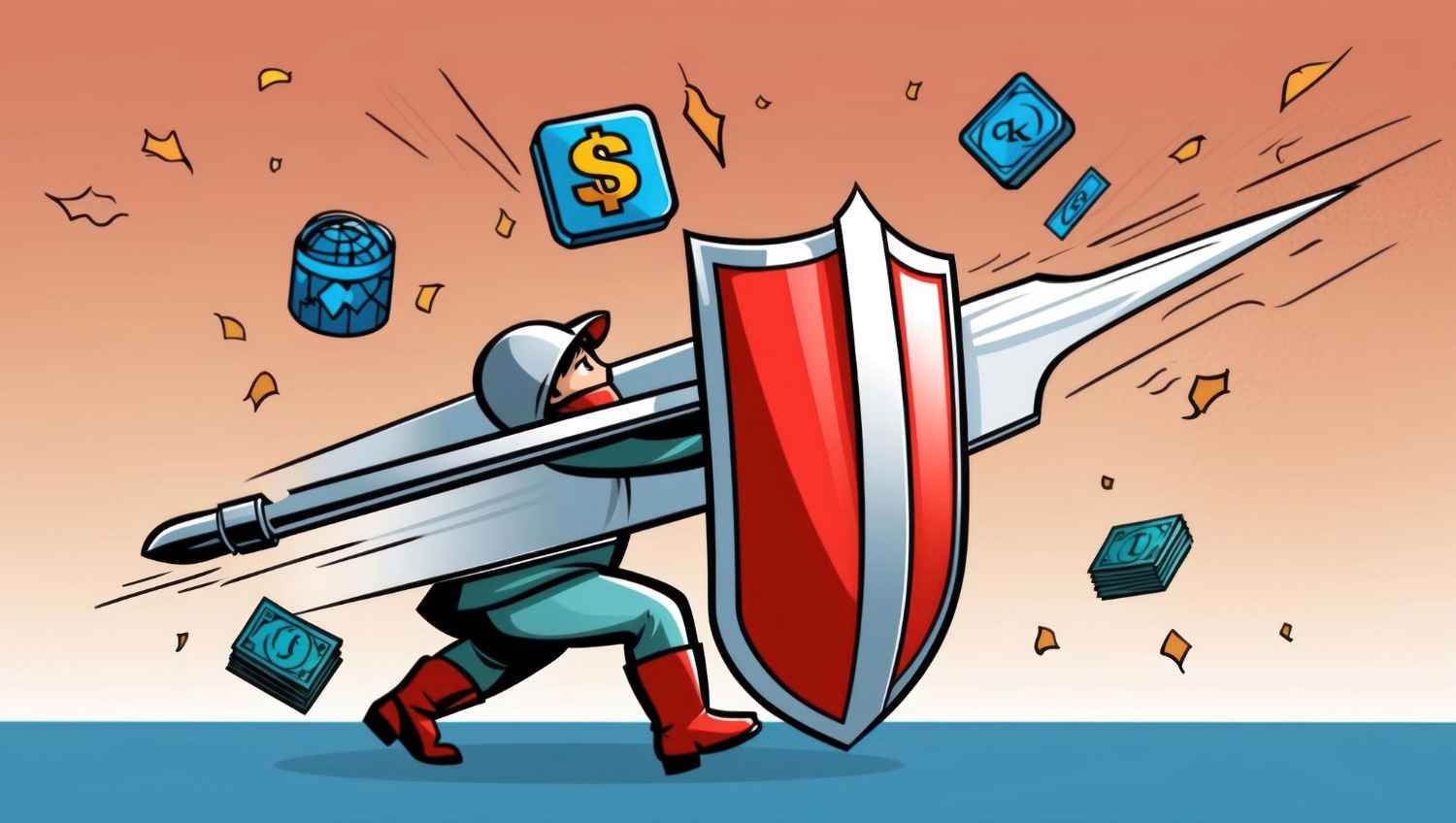
They treat trading like a lottery, not a business. But trading is a war of attrition. You win not by killing every enemy, but by outlasting them.
The Silent Killer: Over-Leverage
Leverage is like nitro in a race car — it can propel you forward fast or blow your engine instantly.
Too many traders use excessive leverage thinking it’s a shortcut to wealth. But in reality, it’s the fastest route to destruction.
Even professional traders who use leverage do it strategically — with tight stop-losses and solid capital buffers.
For beginners, it’s like giving a child a loaded gun.
If your trade size makes you nervous, you’re over-leveraged. Period.
Risk Management: Your Only Lifeline
Survival in trading boils down to one thing — risk control.
Before you enter any trade, you should know exactly how much you’re willing to lose. Not how much you want to win — how much you’re ready to lose.
A simple rule of thumb: never risk more than 1–2% of your capital per trade. It might sound conservative, but this is what keeps you alive long enough for compounding to kick in.
Remember — it’s not the size of your wins that matters, it’s the smallness of your losses.
Drawdowns: The Graveyard of Impatience
Every trader experiences drawdowns — periods when losses pile up and confidence takes a hit.
Most quit here.
But drawdowns are part of the survival game. The key is to keep them shallow and temporary.
Think of trading like climbing a mountain. You’ll slip, stumble, and sometimes slide down a bit. But as long as you don’t fall off the cliff, you can still reach the summit.
When you blow your account, that’s the fall — and there’s no coming back from that.

The Psychology of Survival
Trading isn’t just charts and numbers — it’s a psychological battlefield.
Fear, greed, and overconfidence are your real enemies.
When you start thinking “I can’t lose,” the market will prove you wrong.
When you fear pulling the trigger, you’ll miss your best setups.
When greed takes over, you’ll hold winners too long and turn them into losers.
The mind that survives is the one that stays calm in chaos.
Consistency Over Brilliance
Everyone wants to be the next trading genius, but what really matters is consistency.
You don’t need to make 10% a day. You just need to make 1% consistently without losing it back the next day.
Think of compounding like a snowball rolling downhill — it starts small, but over time, it becomes unstoppable.
Consistency is what keeps that snowball intact.
Why Boring Trading Wins
The best traders are often the most boring ones.
They follow a plan, execute it mechanically, and avoid emotional decisions.
No impulsive buys, no chasing pumps, no “gut feelings.”
They’re not glued to their screens; they’re focused on their system.
The irony? The more boring your trading becomes, the more profitable it gets.
Because boredom means discipline — and discipline means survival.
Patience: The Most Underrated Trading Skill
Impatience kills more trading accounts than bad strategies ever will.
The urge to trade constantly is a silent account killer. You don’t need to trade every setup; you need to trade the right setup.
The best traders know when not to trade. They sit out during volatility storms, wait for their high-probability entries, and act only when the odds are in their favor.
Patience is the bridge between survival and success.
The Power of Compounding Once You Survive
Now, here’s the magic — once you’ve mastered survival, compounding becomes your best friend.
Small, consistent gains build exponential growth over time.
Let’s say you make just 2% a month — sounds tiny, right? But over 5 years, that’s more than doubling your capital.
The problem is, most traders never make it to year five because they blow up in month six.
Survival ensures you’re around long enough to experience compounding.

The Emotional Rollercoaster: Managing Hope and Despair
Trading is emotionally exhausting because it’s unpredictable. One day, you’re a genius; the next, you feel like a fool.
This rollercoaster can push even experienced traders to make emotional decisions.
Survival means mastering your emotions — staying balanced when you’re winning and calm when you’re losing.
You can’t control the market, but you can control your reactions to it.
Conclusion: Survival Is the Gateway to Wealth
Let’s get real — trading isn’t about hitting home runs. It’s about avoiding strikeouts.
If you protect your capital, manage your risks, and keep your emotions in check, compounding will naturally take care of the rest.
Survival is the foundation of compounding. Without it, even the best strategies crumble.
So, before you dream of exponential returns, make sure you can handle the grind, the losses, and the emotional chaos.
Because the truth is simple: you can’t win if you don’t last.
FAQs
1. Why is survival more important than profit in trading?
Because without capital, you can’t trade. Profits only matter if you’re still in the game. Survival ensures you have the chance to profit later.
2. What’s the best way to avoid blowing up an account?
Risk small, use stop-losses, and never over-leverage. Treat every trade as one of a thousand — not the one that will make you rich.
3. How long does it take before compounding starts showing results?
It varies, but usually after a year or two of consistent performance. Compounding is slow at first — but it becomes powerful over time.
4. Is it possible to recover from a 50% drawdown?
Yes, but it’s extremely difficult. You’d need a 100% gain to recover. That’s why it’s better to avoid deep drawdowns through strong risk management.
5. What mindset helps traders survive long-term?
Think like a risk manager, not a profit chaser. Focus on protecting your capital, staying disciplined, and mastering emotional control — the rest will follow.