

In the high-speed world of forex trading, where every pip and second counts, one truth stands tall above all else — you must know your edge and protect it fiercely.
Your edge is not just a fancy trading term; it’s the invisible armor that shields you from unnecessary risks, emotional trading, and catastrophic losses. It’s what separates consistent winners from those who quit the game too early.
But what exactly is your trading edge, and how do you protect it when the market constantly shifts under your feet? Let’s dive deep into this concept, break it down piece by piece, and uncover how mastering your edge can transform you from a struggling trader into a strategic winner.
What Does “Trading Edge” Really Mean?
Your trading edge is simply the advantage that makes you more likely to profit than to lose over time. It’s that tiny difference that tips the probability scale slightly in your favor.
Think of it as your “secret sauce.” It could be your unique trading system, risk management style, or even your emotional discipline. Just like a casino always has a slight edge over gamblers, your job as a trader is to find and maintain your own version of that advantage.
Without an edge, you’re just gambling. You’re hoping luck will favor you — and in trading, hope is not a strategy. An edge, on the other hand, makes sure that your wins consistently outpace your losses in the long run.
Why Every Successful Trader Has a Clear Edge
Ever wonder why only a small percentage of traders make consistent profits? It’s because they’ve identified, tested, and refined their edge.
Professional traders know exactly what gives them an advantage. They don’t rely on luck or rumors. They follow their system with discipline, knowing that over hundreds of trades, their edge will deliver results.
Think of it like being a sniper, not a machine gunner. A pro doesn’t fire randomly at every opportunity. They wait patiently for the perfect setup — one that aligns with their edge — and strike with precision.
How to Identify Your Unique Edge
Finding your edge isn’t about copying someone else’s system or following flashy indicators. Your edge should fit you — your psychology, lifestyle, and risk tolerance.
Start by analyzing your past trades. Ask yourself:
-
Which setups worked best for me?
-
When do I feel most confident trading?
-
What kind of market conditions suit my strategy?
You might realize your edge lies in price action, trend continuation, or news-based volatility. Or maybe you’re exceptional at avoiding emotional decisions — that’s an edge, too.
Document your observations, test them with data, and refine until you find something repeatable. Once you do, you’ve found your golden goose — now your job is to protect it.
The Dangers of Losing Your Edge

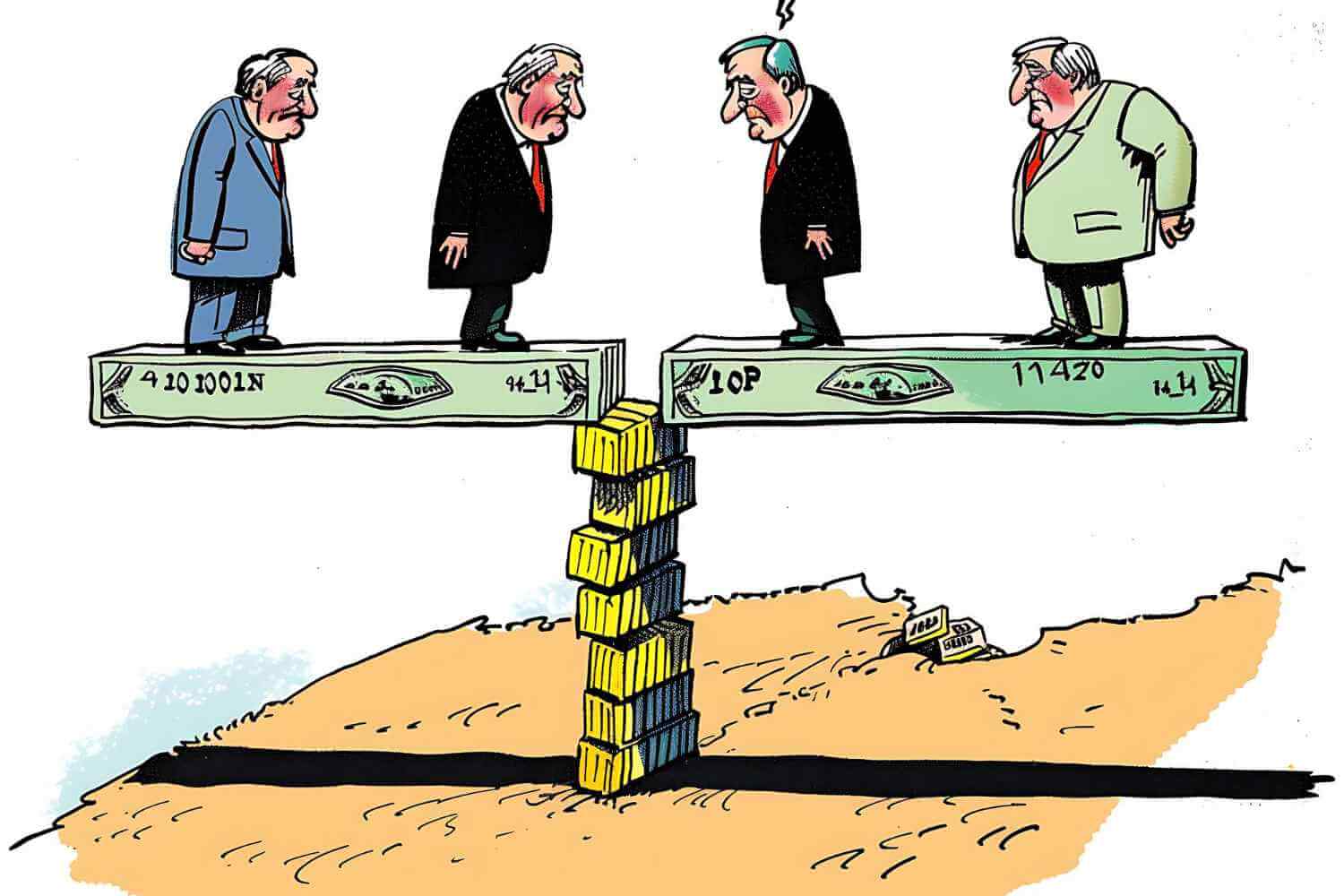
Here’s the dark side of trading — many traders find their edge, only to lose it through overconfidence or neglect.
They start deviating from their system after a few losses or get greedy after a streak of wins. The moment you abandon your tested strategy and chase quick profits, your edge begins to erode.
Imagine sharpening a knife for hours, only to use it carelessly until it dulls. That’s what happens when you fail to protect your trading edge. The market will punish you for inconsistency faster than you think.
Discipline: The Guardian of Your Edge
Discipline is the gatekeeper of your edge. Without it, even the best strategy will crumble.
When emotions like fear, greed, or frustration take over, discipline keeps you grounded. It reminds you to stick to your rules, respect your stop losses, and not overtrade out of boredom or revenge.
In trading, consistency is everything. A disciplined trader with an average system will outperform an undisciplined trader with a great one. Why? Because discipline ensures that your edge is executed flawlessly, trade after trade.
The Role of Risk Management in Protecting Your Edge
Your edge can only survive if you manage risk effectively. Even a profitable strategy can fail if you risk too much on a single trade.
Professional traders know this well — they treat capital preservation as a top priority. They use strict stop-loss rules, never overleverage, and think long-term.
Your risk per trade should never exceed what you can emotionally or financially handle. Remember, the market’s goal is to make you emotional — your goal is to stay rational. Protecting your edge means protecting your capital, and protecting your capital means you get to play the game another day.
The Psychological Edge: Winning the Mind Game
Your greatest weapon in trading isn’t your chart pattern or indicator — it’s your mindset.
Trading psychology determines how you react to wins, losses, and uncertainty. The ability to stay calm when markets turn against you, or to resist greed after a big win, is a rare skill — and that’s a major edge in itself.

Ask any successful trader, and they’ll tell you: mastering your mind is harder than mastering the market. The moment your emotions take control, your edge disappears.
So, train your mindset like an athlete trains their body. Meditation, journaling, and reviewing trades objectively can all help you maintain your psychological edge.
Avoiding the “Shiny Object Syndrome”
The internet is full of traders selling “secret systems” and “guaranteed indicators.” Falling for these distractions is a sure way to lose your focus — and your edge.
Every time you switch to a new strategy or tweak your system unnecessarily, you dilute your edge. It’s like a chef constantly changing recipes before mastering one dish — the result is always undercooked.
Stick to your proven methods. Study them, refine them, and become a specialist instead of a generalist. The real edge lies in depth, not variety.
How Backtesting Strengthens Your Edge
Before you risk real money, you must backtest your edge. This means running your trading strategy through historical market data to see how it would have performed.
Backtesting removes emotional bias. It helps you understand how your system behaves in different market conditions and gives you confidence to stick with it during rough times.
The more data you test, the more you’ll trust your edge. And once you see consistent positive results, you’ll have the mental strength to follow it even when the market tries to shake your confidence.
Adapting Your Edge to Market Changes
Markets evolve. What worked in 2015 may not work in 2025. So while protecting your edge is vital, so is adapting it when necessary.
Think of it like tuning a guitar — you don’t change the instrument, but you adjust it to keep it sounding perfect. The same goes for trading. Keep your core principles, but fine-tune your strategy when volatility, liquidity, or global events shift the landscape.
Never get complacent. Review your edge regularly. Adapt, but don’t reinvent the wheel every time the market moves differently.
Why Simplicity Is the Ultimate Edge
Many traders overcomplicate things. They clutter their charts with indicators, follow conflicting signals, and end up paralyzed by analysis.
But simplicity is often the real superpower. A clean chart, a clear plan, and consistent execution — that’s all you need.
The simpler your system, the easier it is to identify what’s working and what’s not. It’s like flying a plane — the fewer distractions in the cockpit, the better your focus on what truly matters: staying in control.
The Power of Journaling to Protect Your Edge
A trading journal is one of the most underrated tools in a trader’s arsenal. It’s your personal data lab, where you record every trade, thought, and lesson learned.
By tracking your decisions, you’ll see patterns in your behavior — both good and bad. Maybe you notice you lose more on Fridays or after a series of wins. These insights help you refine your edge and avoid emotional pitfalls.
Journaling isn’t glamorous, but it’s where true growth happens. The traders who treat their journal seriously are the ones who eventually master their edge and build lasting consistency.
Protecting Your Edge from External Influences


The trading community is full of noise — opinions, rumors, and conflicting advice. If you let these external voices dictate your actions, your edge will fade away.
Protect your mental space. Don’t chase trades because someone on Twitter or a Telegram group said so. Stick to your plan, even if it feels boring.
Your edge is personal — it’s built from your experience, not someone else’s. Treat it like intellectual property. Guard it from outsiders who don’t understand your process.
The Consequences of Ignoring Your Edge
Traders who ignore their edge eventually pay a high price — emotionally and financially.
They start forcing trades, revenge-trading after losses, and chasing setups outside their comfort zone. The result? Burnout, frustration, and an empty trading account.
The market doesn’t care about your feelings. It rewards discipline and punishes carelessness. The sooner you respect your edge, the faster you’ll move from inconsistency to mastery.
Turning Your Edge into a Long-Term Strategy
Once you’ve identified and protected your edge, the next step is to turn it into a sustainable trading business.
That means building a structured plan — entry rules, exit rules, risk management, and psychological guidelines. Then, automate what you can. The less emotion involved, the stronger your edge becomes.
Trading isn’t a sprint; it’s a marathon. Those who protect their edge will outlast those who chase quick wins. It’s not about how much you make today — it’s about still being in the game ten years from now.
Conclusion: Your Edge Is Everything
At the end of the day, your trading edge is what keeps you profitable and sane in a market designed to break both.
It’s your advantage, your discipline, your emotional control — all wrapped into one. If you lose it, you lose your identity as a trader. But if you protect it, refine it, and stick to it no matter what, you’ll be among the few who survive and thrive in the long run.
So, next time you sit down at your trading desk, remember this: “Know your edge and protect it.”
Because your edge isn’t just your strategy — it’s your lifeline.
FAQs
1. What does it mean to have an edge in forex trading?
An edge means having a repeatable advantage that gives you a higher probability of success than failure. It could be a tested trading system, strong risk management, or superior emotional discipline.
2. Can beginners have a trading edge?
Absolutely. Beginners can develop an edge by focusing on one strategy, studying market behavior, and maintaining strict discipline. Your edge doesn’t need to be complex — it just needs to be consistent.
3. How can I find my trading edge?
Analyze your trading history, backtest your strategies, and identify patterns where you perform best. Over time, you’ll recognize the conditions and setups that favor your style — that’s your edge.
4. What happens if I lose my edge?
Losing your edge leads to inconsistent results and emotional trading. If that happens, step back, review your journal, and re-evaluate your strategy. Focus on discipline and simplicity to regain balance.
5. How do I protect my trading edge long-term?
Keep your strategy private, avoid emotional decisions, review your performance regularly, and adapt to market changes. Most importantly, don’t let greed or fear push you away from your proven system.