

Why Losing Hurts but Teaches
Every trader loves a winning trade. It feels like validation — proof that your analysis was right, your timing perfect, and your instincts sharp. But what about the losses? Those ugly, gut-wrenching red trades that make you question your abilities and sometimes even your sanity?
Ironically, those are the moments that shape great traders. A bad trade doesn’t just sting; it speaks. It tells you where you went wrong, exposes your weaknesses, and builds resilience. Winning may make you rich, but losing makes you wise.
In forex trading, as in life, comfort breeds complacency. When everything’s going well, there’s little reason to reflect. But a single bad trade can force you to analyze, adjust, and grow — far beyond what success ever could.
The Emotional Punch of a Bad Trade
A bad trade hits differently. It’s not just about the money lost — it’s about ego, expectations, and emotional control. You start replaying every decision: “Why didn’t I close earlier? Why did I ignore that resistance level?”
These thoughts haunt you because they challenge your confidence. But that discomfort? It’s growth in disguise.
When you take a loss seriously, you’re forced to face your own psychology. You notice impatience, overconfidence, fear, or greed creeping in. This emotional self-awareness is the first step toward mastering trading psychology — something no winning streak can teach you.
Overconfidence: The Silent Account Killer
Winning too often can be dangerous. It tricks you into believing you’ve cracked the market code. You start ignoring rules, skipping stop losses, or increasing position sizes — and just like that, one bad trade wipes out a week of profits.
That’s the hidden curse of overconfidence: it disguises itself as skill.
A bad trade, on the other hand, humbles you instantly. It drags you back to reality, reminding you that markets don’t care about your opinions or past wins. That humility is priceless — it resets your focus and forces you to trade with discipline again.
Every Loss Has a Story to Tell
Behind every losing trade lies a story: maybe a rushed entry, ignored confirmation, or a failure to follow your plan.
Bad trades are mirrors — they show you the flaws in your system and mindset. If you’re smart, you’ll start asking questions:
-
Did I analyze the trend correctly?
-
Was my risk-reward ratio realistic?
-
Did I let emotions override logic?
When you dig into these answers, you’re no longer losing — you’re learning. The more honest your post-trade analysis, the stronger you become.
The Role of Risk Management in Bad Trades
Let’s be honest — no trader can avoid losses entirely. The secret isn’t about escaping them but containing them.
A bad trade is a test of your risk management. If you lose 1% of your account, it’s a lesson. If you lose 30%, it’s a disaster. The difference? Discipline.
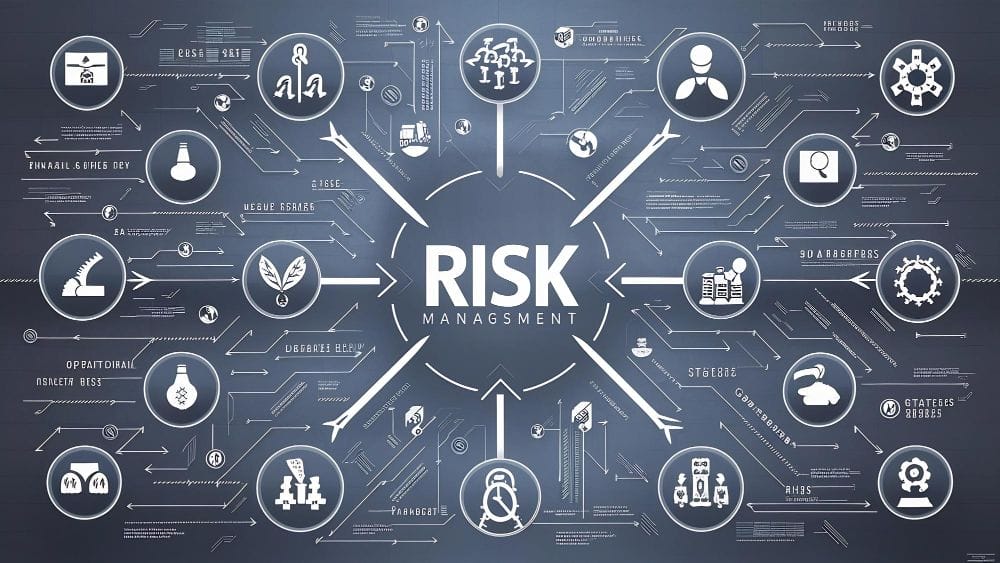
Bad trades expose whether you respected your stop losses, calculated your position sizes correctly, and avoided revenge trading. They remind you that survival is more important than perfection. In trading, staying in the game matters more than winning every time.
The Psychology of Pain: Why It Works
Humans remember pain better than pleasure. That’s why a bad trade can leave a deeper mark than ten good ones.
Pain forces your brain to analyze, to find meaning, to ensure it doesn’t happen again. It’s the market’s way of slapping your hand and saying, “Learn before you burn.”
When you attach emotion to a mistake, the lesson sticks. You become more cautious, more deliberate, and more strategic — all because that loss left a scar that taught you discipline.
Turning Bad Trades into Data Gold
Here’s the thing — bad trades aren’t failures if you record and review them. They’re data points. When you keep a trading journal and document every loss — the entry, the reason, the emotion — you build your personal market encyclopedia.
Patterns start to appear: maybe you lose more on Mondays, or during volatile sessions, or after big wins when you get overconfident. These insights can’t be found in books — they come only from your experience.
In other words, every loss becomes research material for your future success.
Emotional Detachment: The Lesson Hidden in Losses
Every trader must learn to detach emotion from execution. That’s easier said than done, right?
A bad trade helps you practice emotional detachment the hard way. It’s a reality check that feelings don’t move charts — logic does.
Once you’ve felt the sting of emotional trading, you start making rules to protect yourself. You set stop losses automatically. You walk away when emotions run high. And slowly, you evolve from a gambler into a strategist.
How Losing Builds Patience
Winning feels urgent. You want more of it — fast. But losses slow you down. They force you to pause, reflect, and wait for the right setup.
That’s how patience is built — not by winning easily, but by enduring setbacks without rushing back into the market.
A bad trade teaches that not trading can sometimes be the best trade. It’s a reminder that opportunity isn’t lost; it’s just waiting for better timing.
The Ego Factor: Trading vs. Being Right

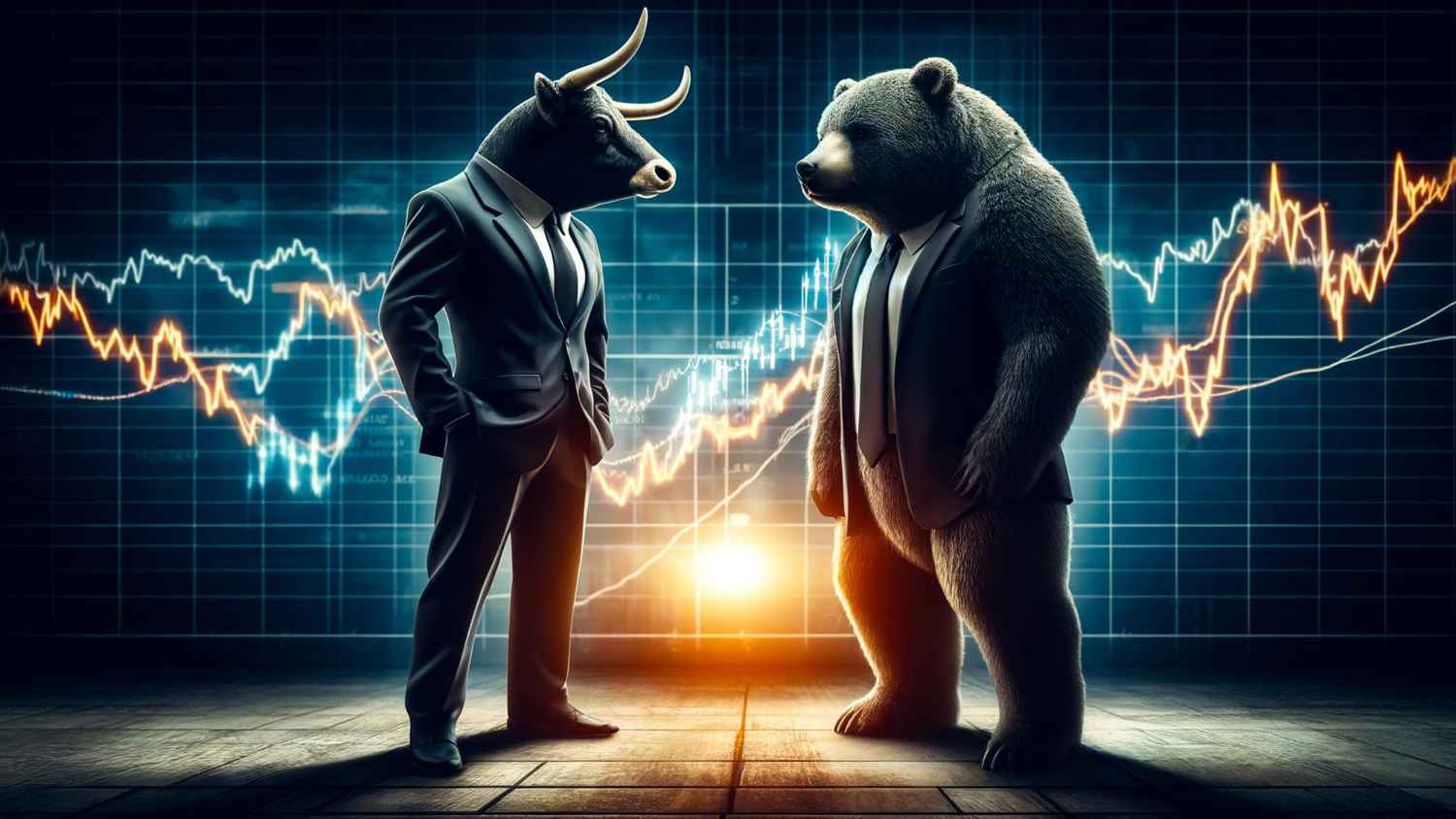
Many traders lose money because they want to be right more than they want to make money.
They hold onto losing trades, hoping the market will turn, because admitting a mistake feels worse than taking a loss. Sound familiar?
A bad trade exposes this ego trap brutally. It teaches you that being wrong is okay — as long as you’re wrong small. The market doesn’t reward pride; it rewards adaptability. The sooner you accept that, the faster you’ll grow.
How a Bad Trade Refines Strategy
Sometimes, a losing trade isn’t your fault — it’s your strategy’s limitation. Maybe it works in trending markets but fails in ranges.
Losses highlight where your system cracks, helping you refine it for different conditions.
A smart trader uses each bad trade like a blacksmith uses fire — to strengthen the steel. You tweak your entry points, test new indicators, and improve risk control until your system becomes sharper and sturdier.
Learning to Respect the Market
A bad trade humbles even the most skilled traders. It reminds you that the market is always bigger, faster, and smarter than you. You can’t control it — only how you react to it.
Once you truly respect the market’s power, you stop fighting it. You learn to move with it, not against it.
That shift in mindset — from trying to dominate to learning to dance with the market — is often what separates amateurs from professionals.
The Silver Lining of Failure
Failure isn’t fun, but it’s fertile ground for growth. Every legendary trader — from Paul Tudor Jones to George Soros — has stories of devastating losses. What sets them apart is how they responded.
They analyzed, adapted, and bounced back stronger.
So the next time a trade goes wrong, remember: this isn’t the end. It’s part of the tuition you pay to the market. The lessons you learn here are the foundations of future consistency and confidence.
Building Emotional Resilience Through Loss
Let’s face it — if you can’t handle losing, you can’t handle trading. Markets are brutal, unpredictable beasts. Emotional resilience is your armor.
Bad trades test that armor. They push you to control frustration, avoid revenge trades, and stay rational under pressure.
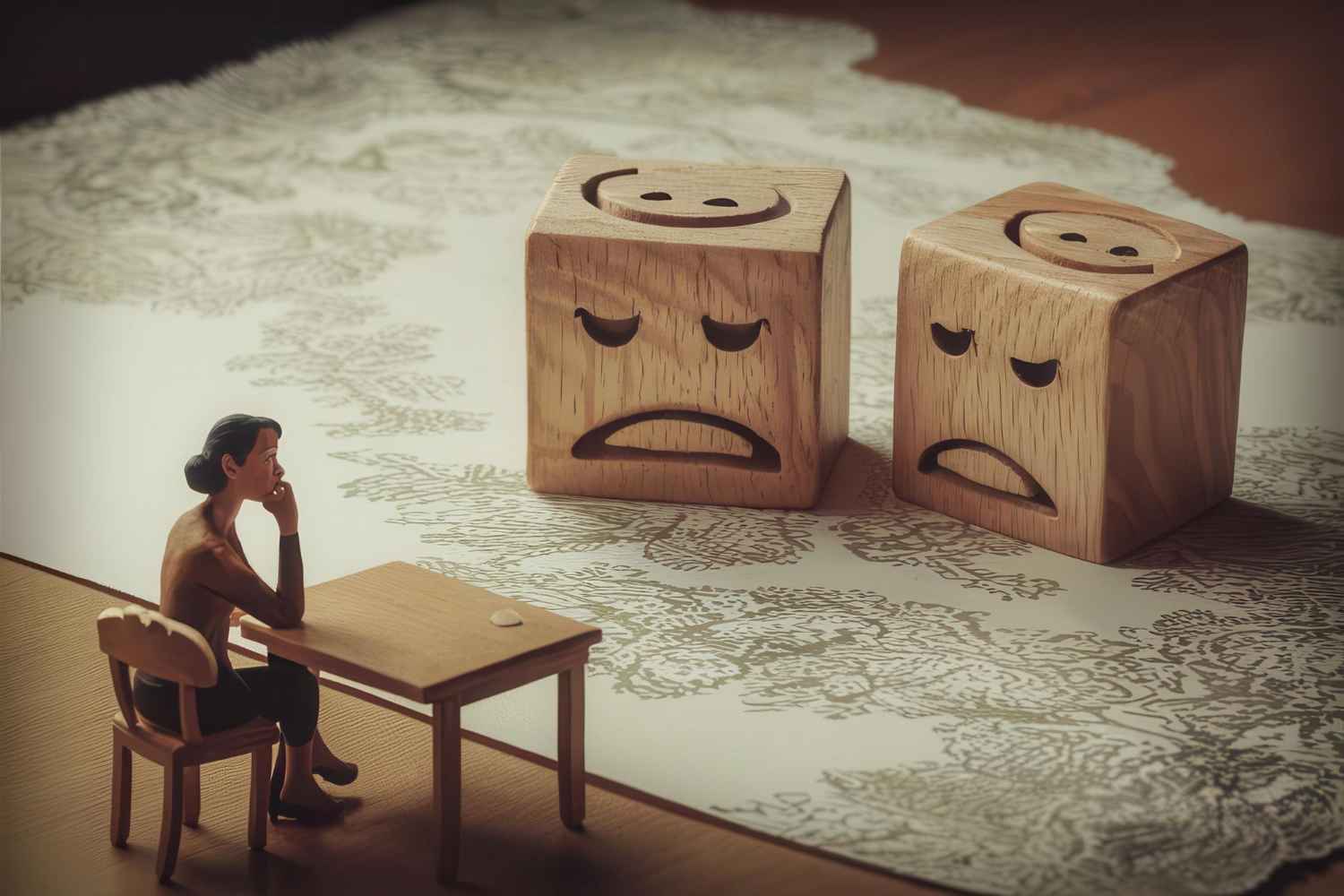
When you survive enough bad trades without losing your cool, you stop fearing them. That’s when you truly become a trader — not just someone chasing profits, but someone mastering mindset.
Why a Good Trade Can Be Dangerous
Strange as it sounds, a good trade can sometimes hurt you more than a bad one — if it was based on luck, not skill.
You might think, “I’m a genius!” when, in fact, you just got lucky. That false confidence plants the seeds for future losses.
Bad trades, however, never lie. They show you exactly what you did wrong. That honesty — painful as it is — keeps you grounded in reality.
The Long-Term View: Learning Beyond the Chart
Bad trades teach lessons that go beyond technicals. They shape your character — patience, discipline, emotional control, and humility.
In the long run, these traits are more valuable than any indicator or system. They turn you from a follower of signals into a master of your own strategy.
Every professional trader has one thing in common: they’ve failed more times than beginners have even tried. The key difference? They learned from every single mistake.
Conclusion: The Market Is Your Toughest Teacher
At the end of the day, trading isn’t about avoiding bad trades — it’s about learning from them.
Every losing position, every emotional meltdown, every painful realization is a step toward mastery. A good trade fills your wallet, but a bad trade fills your mind.
So don’t fear losses. Embrace them. Study them. Thank them.
Because behind every “bad” trade lies the hidden curriculum of trading success — one that no mentor or course can ever truly teach you.
FAQs
1. Why do bad trades feel more impactful than good ones?
Because pain creates stronger emotional memories than pleasure. You naturally reflect more on mistakes, making lessons from bad trades stick deeper than those from wins.
2. How can I turn my bad trades into learning opportunities?
Keep a detailed trading journal. Write down every entry, exit, and emotion. Review your losses weekly to spot patterns and fix recurring mistakes.
3. Should I stop trading after a bad loss?
Yes, temporarily. Take a break, cool off emotionally, and analyze what went wrong. Trading immediately after a loss often leads to revenge trades — and even more losses.
4. Can too many good trades be dangerous?
Absolutely. Too many wins can lead to overconfidence, reckless risk-taking, and neglect of discipline — the silent killers of trading accounts.
5. How do professional traders handle losses emotionally?
They expect them. Pros know losses are part of the game. They focus on process over outcome, ensuring their strategy and risk management protect them over the long run.