

Why This Simple Quote Holds Massive Power
Have you ever heard the phrase “Think long term, act short term” and wondered why it sounds like a paradox? It’s because it perfectly balances two opposing forces — vision and action.
In the fast-paced world of trading, investing, or even business strategy, this quote defines the mindset that separates consistent winners from emotional gamblers. Thinking long term means setting your eyes on the big picture — financial freedom, stability, or mastery. Acting short term, on the other hand, means executing the small, practical steps that bring you closer to that vision every single day.
This concept isn’t just for traders; it’s a life philosophy. Whether you’re managing a forex portfolio or building a business, success lies in balancing patience with precision. Let’s dive deep into how you can make this mindset work for you.
The Essence of Thinking Long Term
Thinking long term is about vision, patience, and consistency. It’s not about predicting the future; it’s about preparing for it.
When you think long term, you focus on sustainable growth instead of quick wins. You stop worrying about daily fluctuations and start focusing on where you’ll be one, five, or ten years from now.
In trading, this mindset stops you from chasing every little move in the market. You realize that success comes from sticking to a proven system, managing risk, and trusting the process. The same principle applies to business and life — growth compounds over time, not overnight.
Acting Short Term: The Discipline of Execution
While long-term thinking provides the vision, short-term action provides momentum. Acting short term means taking daily steps aligned with your long-term goal. It’s not about being impulsive — it’s about being consistent.
Imagine you want to grow a $1,000 trading account into $50,000. Thinking long term gives you the strategy. Acting short term means placing disciplined trades, managing emotions, and following your plan without deviation.
Short-term actions are your building blocks. Every small win, every loss you learn from, every bit of effort compounds into your long-term success story.
The Balance Between Patience and Urgency
Here’s the hard truth: most people fail because they either rush everything or do nothing.
Acting too fast without a plan is chaos. Acting too slow while overthinking is stagnation. Success lives right in the middle — a place where you’re patient about results but urgent about actions.
A long-term thinker doesn’t panic when the market dips or a business slows down. They understand it’s temporary. But they also don’t sit idle. They act decisively in the short term, knowing that progress today shapes tomorrow’s outcome.
Why Most Traders Fail Without This Mindset
Let’s be honest — most traders blow their accounts not because they lack knowledge, but because they lack perspective.
They chase quick profits, jump from one signal to another, and get emotionally wrecked after a few bad trades. They think short term and act impulsively — the exact opposite of what this principle teaches.
Thinking long term gives traders emotional resilience. Acting short term gives them tactical precision. Combine both, and you’ve got the perfect formula for consistent profitability.
Long-Term Thinking Builds Emotional Strength


When you have a long-term plan, small failures stop bothering you. You stop measuring your success by a single day’s result and start seeing the bigger picture.
Think about it — if your goal is to become a professional trader in five years, will one bad trade ruin you? Of course not. You’ll see it as a learning experience.
Long-term thinkers have emotional control, and that’s the rarest skill in any performance-based field. They understand that consistency beats intensity every time.
Short-Term Action Fuels Motivation
Acting short term keeps the fire alive. It gives you visible results, even if they’re small. Every task you complete, every target you hit, releases a sense of progress — and progress is the strongest motivator.
Think of it like going to the gym. You don’t see the six-pack in a week, but every workout makes you stronger. Those micro-actions keep you engaged until the bigger picture unfolds.
The same rule applies to trading. Every trade you execute with discipline reinforces your habits. Every day you stick to your plan, you grow sharper and more confident.
The Compounding Effect: Small Actions, Big Results
Albert Einstein once called compound interest the “eighth wonder of the world.” The same law applies to your habits, actions, and mindset.
When you think long term, you’re allowing small, consistent actions to compound over time. Acting short term means you’re making those deposits into your “success account” daily.
Miss one day? That’s fine. Miss a week or a month? You’ve broken the cycle. The key is to never underestimate the power of doing small things right — over and over again.
The Danger of Short-Term Thinking
Short-term thinking is seductive. It promises instant gratification, but it’s a trap.
When you’re obsessed with immediate results, you make emotional decisions. You cut winners too early, hold onto losers too long, and jump between strategies like a restless bird.
This mindset doesn’t just destroy trading accounts — it destroys careers, relationships, and dreams. Remember: a tree doesn’t grow faster because you keep pulling at its roots. Growth needs time.
Building a System That Aligns Long-Term Vision with Short-Term Action

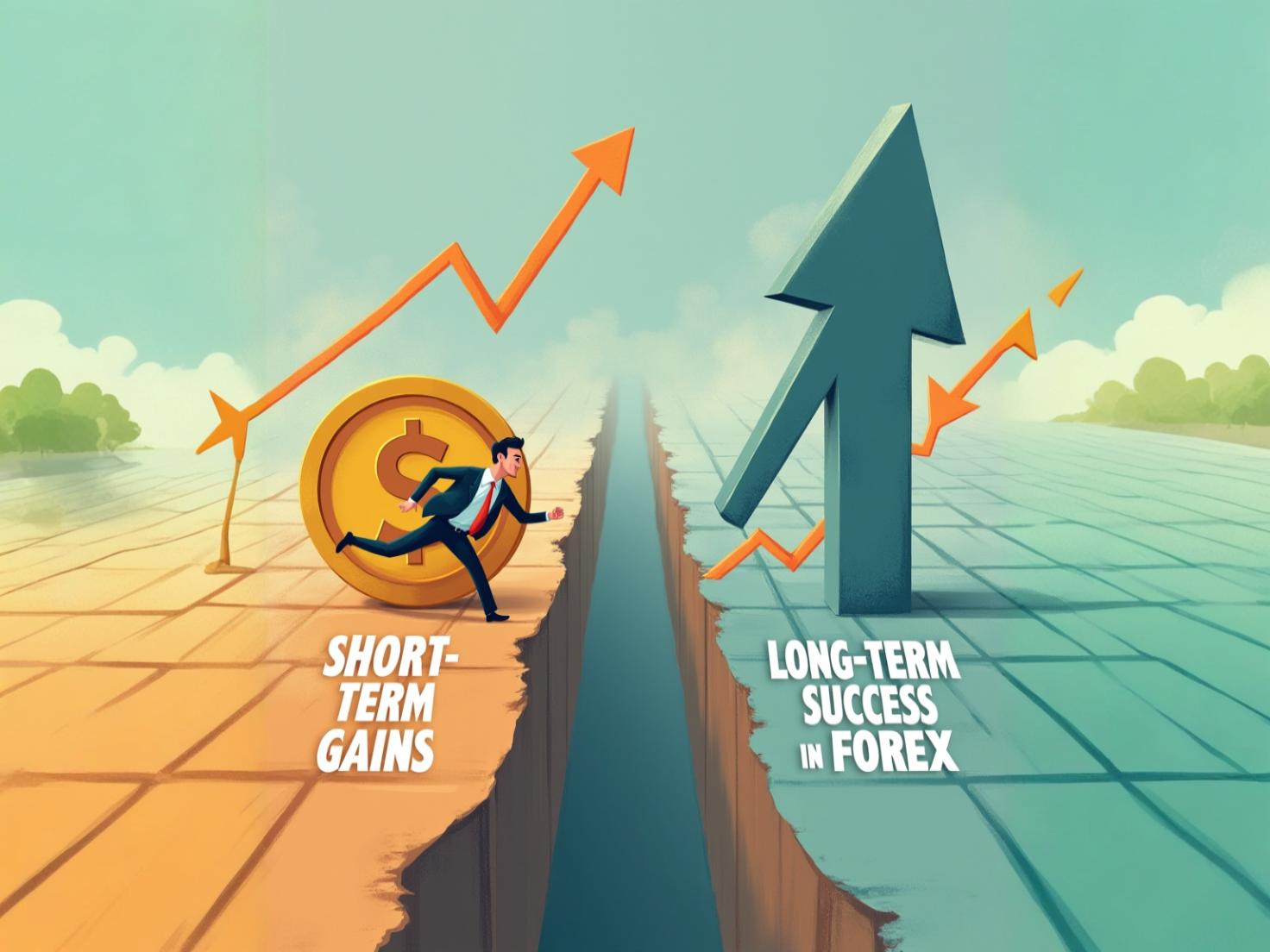
You can’t rely on willpower alone; you need a system. Systems turn good intentions into consistent results.
Start by writing down your long-term goal. Then break it into smaller, actionable steps you can track daily or weekly. In trading, this means defining your risk per trade, setting your daily review routine, and committing to learning continuously.
A system bridges the gap between where you are and where you want to be. Without one, even the best intentions fade away under pressure.
Real-Life Example: How Great Traders Use This Philosophy
Every successful trader — from Warren Buffett to Paul Tudor Jones — embodies this mindset in some form.
Buffett’s long-term approach to investing is legendary, but he still acts decisively in the short term when opportunities arise. Paul Tudor Jones, a master of macro trading, once said, “Losers average losers.” That’s short-term discipline serving a long-term goal.
They think in decades but act in days. That’s the secret — flexibility without losing direction.
Applying This Principle Outside Trading
This mindset isn’t just for markets; it’s universal.
If you’re building a business, think long term about brand reputation, but act short term by serving every customer well today.
If you’re improving your health, think long term about fitness, but act short term by eating right today.
Life rewards those who plan for the marathon but sprint each mile with intent.
How to Train Your Mind to Think Long Term
Training your mind to think long term is about shifting focus from results to process.
Instead of obsessing over outcomes, start measuring consistency. Ask yourself, “Did I follow my plan today?” not “Did I make money today?”
You’ll begin to see that progress isn’t linear. Some days you move forward; some days you just learn. But as long as you keep showing up, you’re compounding success invisibly.
How to Take Smart Short-Term Actions Daily
Short-term actions need to be purposeful, not random. Here’s how you can act effectively:
-
Set daily goals: What one thing will move you closer to your long-term target today?
-
Avoid distractions: Not every opportunity is worth your attention.
-
Review performance: End each day by analyzing what worked and what didn’t.
These small daily steps create habits — and habits create identity. Before you know it, you’ll be living the long-term vision you once dreamed about.
Learning to Detach from Short-Term Results


Here’s the irony: the less you obsess over short-term results, the faster you achieve long-term success.
Detach emotionally from outcomes. One bad day doesn’t define you. One mistake doesn’t erase your progress. The market, like life, doesn’t reward emotions — it rewards discipline.
If you can stay calm during the storm, you’re already ahead of 90% of people who panic at the first sign of trouble.
Why Consistency Beats Motivation Every Time
Motivation is temporary. Consistency is permanent.
Some days, you’ll feel unstoppable. Other days, you’ll feel like giving up. The key is to act anyway. Long-term thinkers understand that consistency isn’t about perfection — it’s about persistence.
Even if you move slowly, you’re still moving forward. And over time, those steady steps crush every burst of inconsistent effort.
The Psychological Edge: Delayed Gratification
Delayed gratification is the ability to resist small temptations for bigger rewards later — the cornerstone of thinking long term.
In trading, this means holding onto a winning position instead of exiting too soon. In business, it means reinvesting profits instead of spending them impulsively.
If you can master the art of waiting — while still acting daily — you’ll outlast everyone chasing instant gratification.
When to Adjust Your Long-Term Vision
Here’s a misconception: thinking long term doesn’t mean being rigid. Markets evolve. Life changes. You must adapt.
Revisit your long-term goals regularly. Are they still relevant? Are your short-term actions aligned with them? If not, adjust course. Flexibility doesn’t mean weakness — it means wisdom.
The smartest traders and entrepreneurs aren’t attached to one outcome; they’re committed to continuous improvement.
Avoiding Burnout While Acting Short Term
Acting short term can feel exhausting if you don’t pace yourself. You can’t sprint every day in a marathon.
That’s why you need balance. Rest, recharge, and remind yourself why you started. Thinking long term gives meaning to your grind. It transforms stress into purpose.
When your actions have direction, even hard work feels lighter.
The Role of Reflection and Review


Reflection turns experience into wisdom.
Every week, take time to review your actions. What worked? What failed? What needs tweaking? Reflection transforms short-term chaos into long-term clarity.
It’s like cleaning your windshield during a storm — you can’t drive far if you can’t see ahead.
Turning This Mindset Into a Lifestyle
Once you adopt this principle, it changes everything. You stop chasing, you start building. You stop reacting, you start planning.
Your trading becomes structured. Your business becomes predictable. Your life becomes intentional.
“Think long term, act short term” becomes more than a quote — it becomes your compass.
Conclusion: The Real Secret of Sustainable Success
The truth is, anyone can dream big. But only those who act small and consistently turn those dreams into reality.
Thinking long term keeps you grounded during chaos. Acting short term keeps you moving through uncertainty. Together, they form the foundation of lasting success — in trading, business, and life.
So the next time you’re tempted to rush results, remember this: success is built one disciplined action at a time. Think long term. Act short term. Repeat — until it becomes second nature.
FAQs
1. What does “Think long term, act short term” mean in trading?
It means setting a big-picture goal (like consistent profitability or account growth) while focusing daily on disciplined trading decisions, risk management, and emotional control.
2. Why is long-term thinking so important?
Because it prevents emotional burnout and helps you stay focused on sustainable growth instead of chasing instant profits that often lead to losses.
3. How can I balance long-term goals with short-term actions?
By creating a clear strategy — break your long-term target into small, measurable daily or weekly steps. Review your progress regularly and stay adaptable.
4. Can short-term actions alone bring success?
No. Without a long-term vision, short-term actions become random and directionless. You need both — a clear destination and consistent movement toward it.
5. How can I stay patient while waiting for long-term results?
Focus on the process, not the outcome. Celebrate small wins, track your consistency, and remind yourself that every small step compounds into massive success over time.