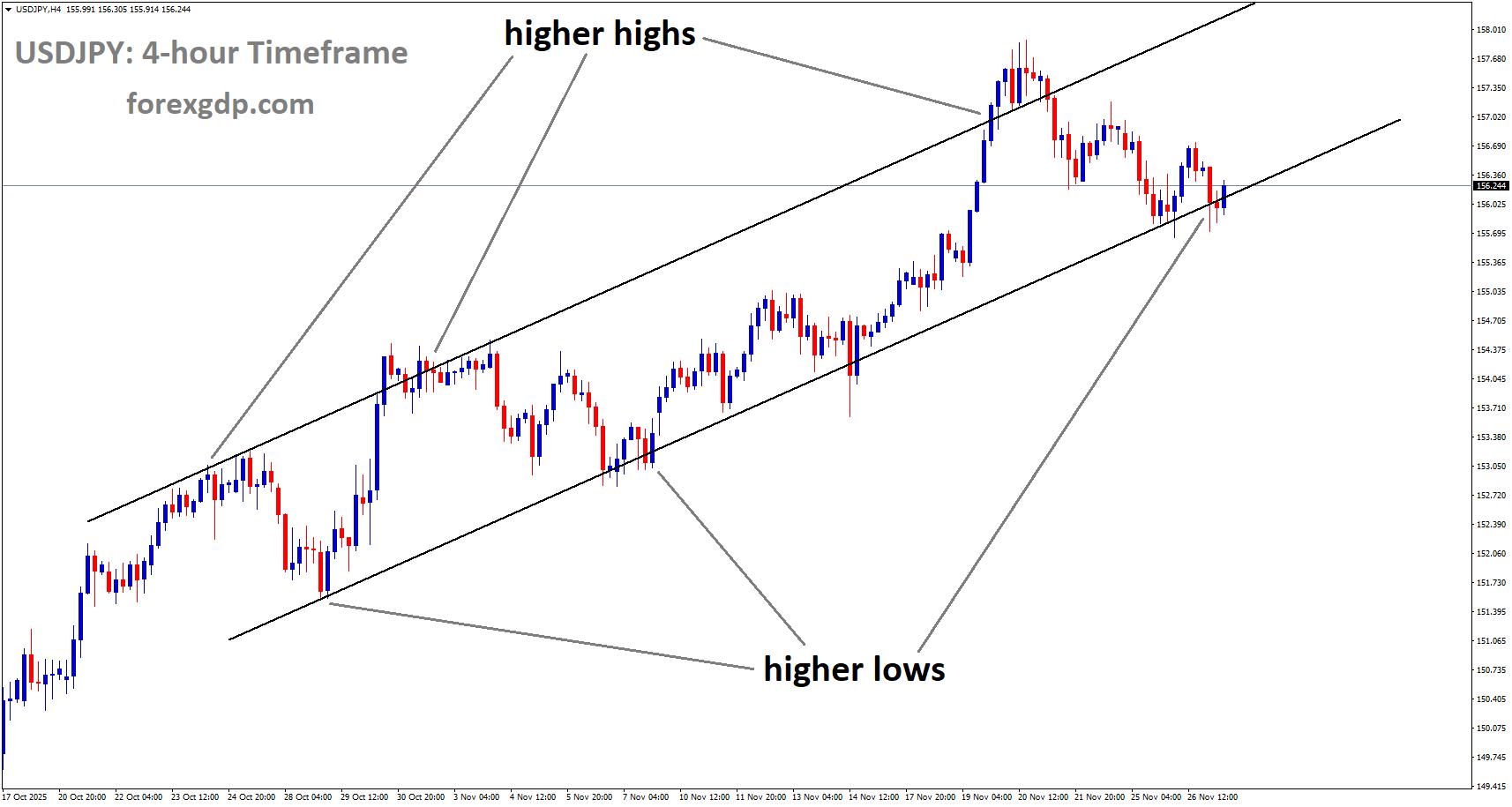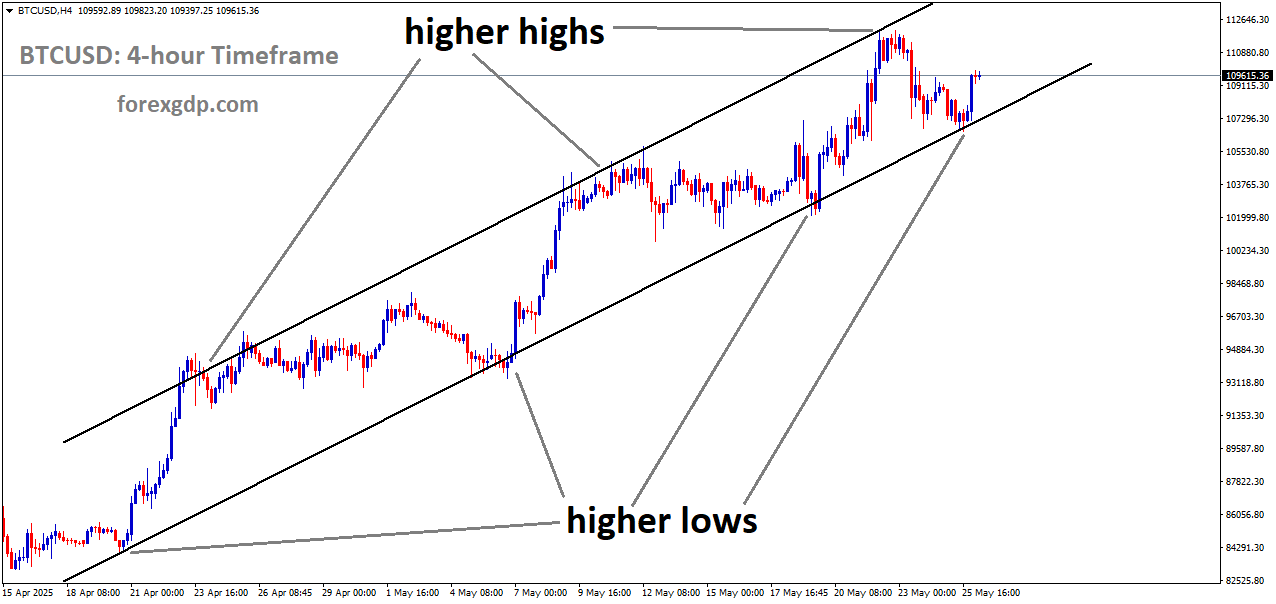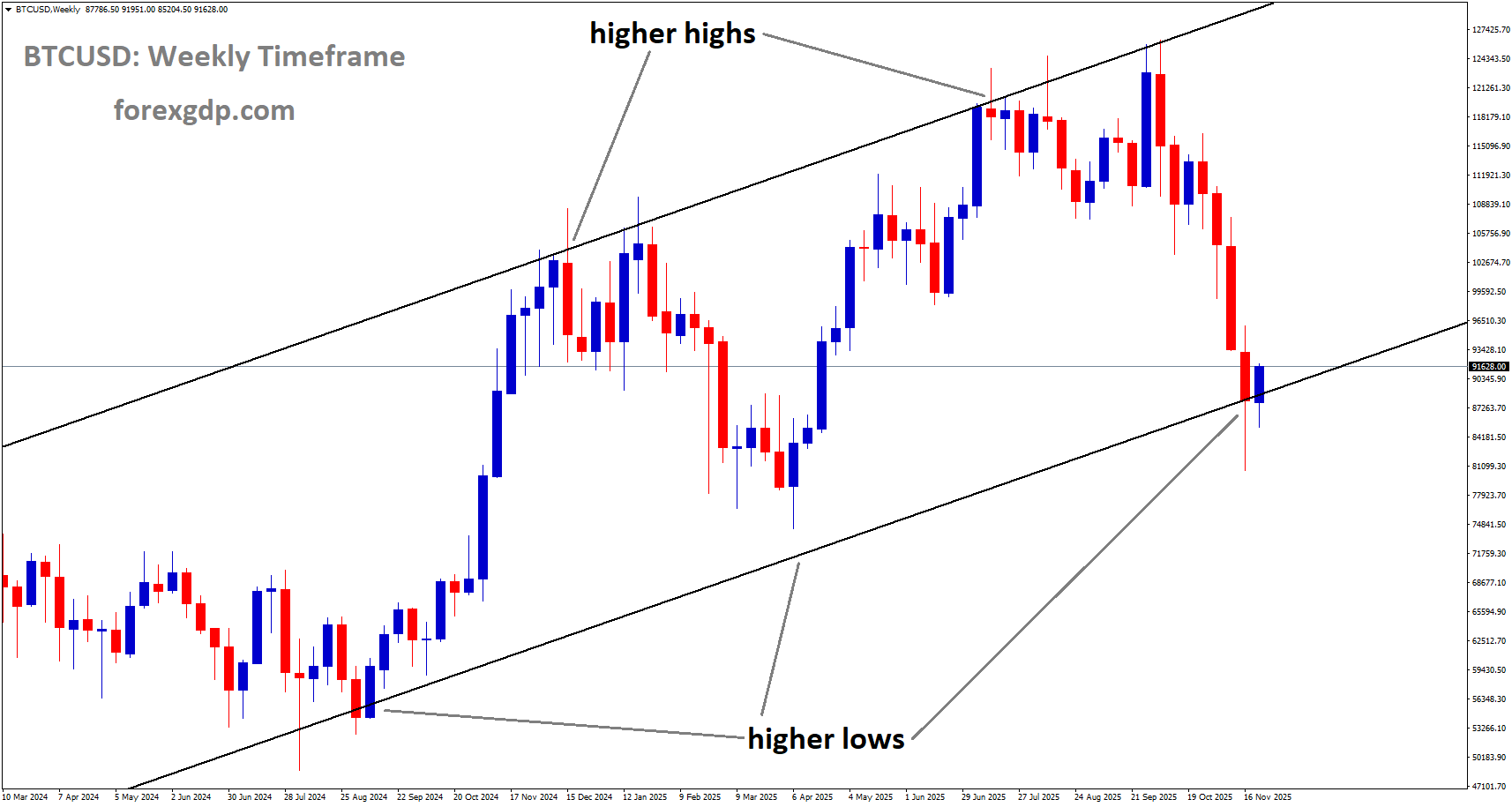
BTCUSD is moving in an uptrend channel, and the market has reached a higher low area of the channel
BTCUSD: BCH Breaks Higher as Crypto Investors Look Toward a Broader Recovery
Bitcoin Cash is gaining attention after posting a strong upward move over the past day, even as much of the cryptocurrency market shows hesitation. While Bitcoin slipped slightly during the same period, Bitcoin Cash pushed higher and held its ground above a key price level. The move highlights renewed confidence from investors who see BCH as one of the few major assets showing resilience in a mixed trading environment.
BCH recently surged above an important threshold and reached a short-term peak before experiencing mild volatility. Even after the brief pullback, its momentum remains intact. Market watchers point to its steady performance as a sign that confidence in the asset continues to build. With its relative strength improving, Bitcoin Cash is positioning itself as a standout performer during a time when many cryptocurrencies are experiencing short-term weakness.
Market Environment and Investor Sentiment
The overall cryptocurrency market has faced slight declines, creating an atmosphere of caution among traders. Even with this hesitation, several signals suggest the broader market may be preparing for a shift. Bitcoin Cash appears to be one of the early movers in this potential recovery, having already delivered meaningful gains in recent sessions.
Many investors see the asset’s rising strength as a continuation of its broader recovery following earlier market pressure. While the market as a whole remains in a consolidation phase, Bitcoin Cash is showing signs of stability that some traders view as a possible early indicator of where momentum could develop next.
Trading Activity Slows Despite Upward Movement
One interesting development is that Bitcoin Cash’s recent gains have come at a time when trading activity has fallen. Its daily trading volume dropped significantly, mirroring a similar decline in Bitcoin’s volume. This suggests that many traders are waiting for stronger signals before committing to new positions.
Even so, Bitcoin Cash continues to attract long-term interest. While volume declines can be a concern, especially for traders looking for fast-paced market activity, they can also reflect a period of reduced uncertainty in which investors hold existing positions rather than exiting the market. Some analysts interpret this as a sign that the upward movement may still have room to grow if overall market conditions improve.
Rising Toward Major Competitive Milestones
Bitcoin Cash is also making progress in a different area—ranking among the largest cryptocurrencies by market value. The token has delivered strong growth over the year, expanding its market presence at a pace that outperforms several major competitors. Its recent momentum has brought it closer to Cardano, which currently holds a spot within the top tier of global cryptocurrency market caps.

A continued rise for BCH would narrow the gap even further. If its current trend continues and it achieves sustained stability above certain key levels, Bitcoin Cash could challenge Cardano’s position on the leaderboard. The competition between the two has grown more intense as Cardano faces downward pressure while BCH gains traction.
A Year of Progress
Bitcoin Cash has posted impressive year-to-date growth, strengthening its reputation among investors looking for alternatives within the digital asset space. This year’s gains have come amid shifts in market sentiment, increased interest from institutional participants, and broader recognition of BCH’s staying power within the crypto landscape.
The asset has also shown in past cycles that it can move independently from the broader market. A notable example occurred in September 2025, when BCH surged even as many other altcoins were in decline. During that period, an increase in institutional participation helped support its upward trajectory. The memory of that decoupling still plays a role in shaping investor confidence whenever the token shows early signs of renewed strength.
Outlook for Bitcoin Cash
Looking ahead, Bitcoin Cash’s performance will depend heavily on the broader market’s direction. If the general crypto environment stabilizes or turns upward, BCH could continue building on its recent progress. Many traders believe the asset has potential for further gains if investor confidence returns across the sector.
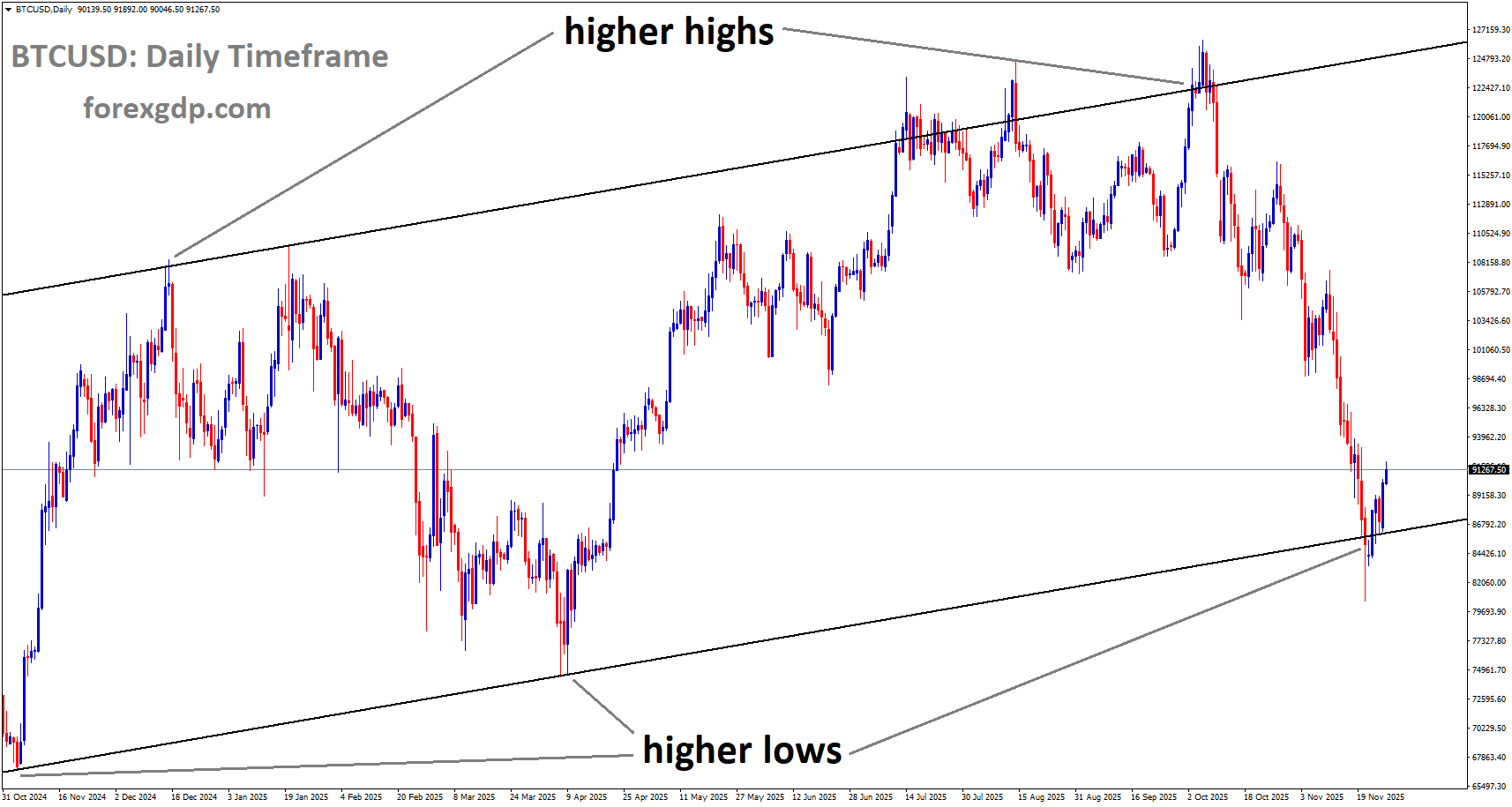
BTCUSD is moving in an uptrend channel, and the market has rebounded from the higher low area of the channel
However, the decline in trading volume remains one of the main factors to watch. Sustained upward movement often requires stronger participation from both retail and institutional market players. Without a rise in activity, momentum could slow, making it harder for the asset to push toward higher milestones.
Still, Bitcoin Cash’s recent performance shows that it remains a competitive presence within the crypto world. Its ability to outperform major peers during a cautious market phase demonstrates the strength of its investor base and the persistence of long-term interest in the asset.
Final Summary
Bitcoin Cash has emerged as a notable outperformer during a period when much of the cryptocurrency market has slowed. Its ability to hold above important levels, maintain upward momentum, and close the gap on major competitors reflects strong underlying interest. While trading volume has dipped, the asset continues to show resilience that could support further gains if the broader market strengthens. As BCH advances toward key milestones, it remains one of the more closely watched cryptocurrencies among traders seeking signs of where market momentum may develop next.
ETHUSD Climbs Higher as Buyers Step In Despite Ongoing Challenges
The broader economic landscape is beginning to shift in a way that favors assets with higher risk. As confidence returns and investors show a greater appetite for growth-oriented opportunities, many digital assets are experiencing renewed energy. Ethereum is among those benefiting from this shift. Recent movements in global markets have helped lift a wide range of cryptocurrencies, creating an environment where positive momentum has room to build.
Institutional investors have also started directing fresh capital into Ethereum and other major digital assets. This growing interest is helping support a more optimistic outlook, suggesting that the recent positive trend may not be a short-term anomaly. It reflects a larger change in sentiment that could influence the market through the end of the year.
The Challenges Ethereum Still Faces
Ethereum has long been considered one of the strongest and most reliable cryptocurrencies. Its reputation comes from years of delivering a secure, stable, and widely adopted network. Yet even with these strengths, it faces several significant hurdles.
Like most large crypto projects, Ethereum’s price can swing sharply within short periods. These moves often come from macroeconomic factors or broad shifts in risk sentiment. With the cryptocurrency market still heavily influenced by derivatives, leverage, and speculative activity, price changes can be more dramatic than in traditional markets. When technology stocks struggle, cryptocurrencies often feel the pressure even more intensely.
There are also concerns coming from the developer community. Some builders are exploring newer, more specialized networks that are designed for narrow use cases. These networks often offer lower costs and faster speeds, making them appealing alternatives for certain applications. Because Ethereum remains a general-purpose platform with higher transaction costs, this shift could influence long-term growth if enough developers migrate elsewhere.
Despite these challenges, Ethereum continues to show resilience. The recent price strength suggests that investors still view it as a core asset in the digital economy.
Why Ethereum’s Current Momentum Could Continue
Several factors are contributing to the renewed optimism around Ethereum. While some elements are part of broader market behavior, others are directly tied to Ethereum-specific developments that may support further gains.
Strong Institutional Interest
Recent days have shown a noticeable rise in institutional fund flows moving into Ethereum. This includes activity in exchange-traded products tied to Ethereum, which are often seen as a measure of institutional confidence. Reports indicate that demand has risen sharply, with some suggesting it has more than doubled within a short period.

This level of interest matters because institutional investors typically take longer-term positions. Their activity can help stabilize market sentiment and attract additional participants who view institutional buying as a sign of credibility and momentum.
A Shift in Market Sentiment
Sentiment across financial markets is improving, especially for sectors associated with innovation and technology. When risk appetite increases, digital assets often benefit as investors seek opportunities with higher potential returns. Ethereum, as the second-largest cryptocurrency, tends to be one of the first destinations for renewed capital flows.
The final quarter of the year has historically been a strong period for both traditional markets and digital assets. While historical performance does not guarantee future results, the combination of seasonal trends and improving macro conditions provides a backdrop that may favor continued upside.
Growing Interest in Long-Term Potential
Many investors still view Ethereum as a long-term investment rather than a short-term trade. Its network remains one of the most established platforms for applications such as decentralized finance and digital collectibles. This foundation helps keep Ethereum relevant even as newer networks emerge.
With ongoing upgrades aimed at improving efficiency and lowering costs over time, Ethereum still carries a strong narrative around future growth. Even investors who recognize the current headwinds often see these challenges as part of the natural evolution of a major technology platform.
The Case for Sustained Strength
Looking ahead, the combination of rising institutional participation, improving macro conditions, and seasonal factors paints a supportive picture for Ethereum. While volatility will always be part of its identity, the current environment appears to be shifting in its favor.
Many analysts expect the positive momentum to continue if capital inflows remain strong. The recent surge in demand suggests that investors are not merely reacting to short-term price movement but are positioning themselves for potential gains in the weeks ahead. With the asset trading at levels that many consider attractive for long-term accumulation, interest is likely to remain steady.
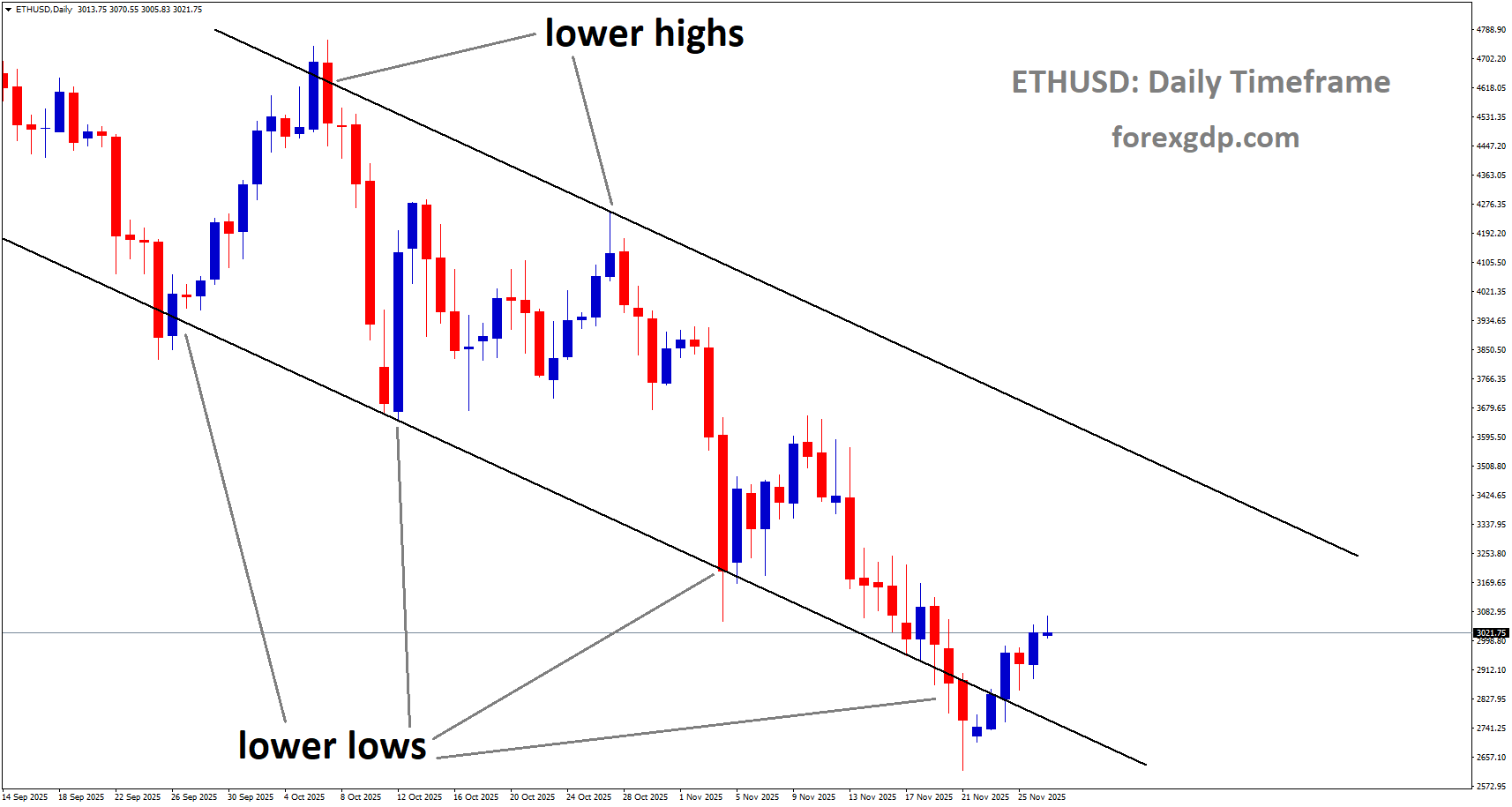
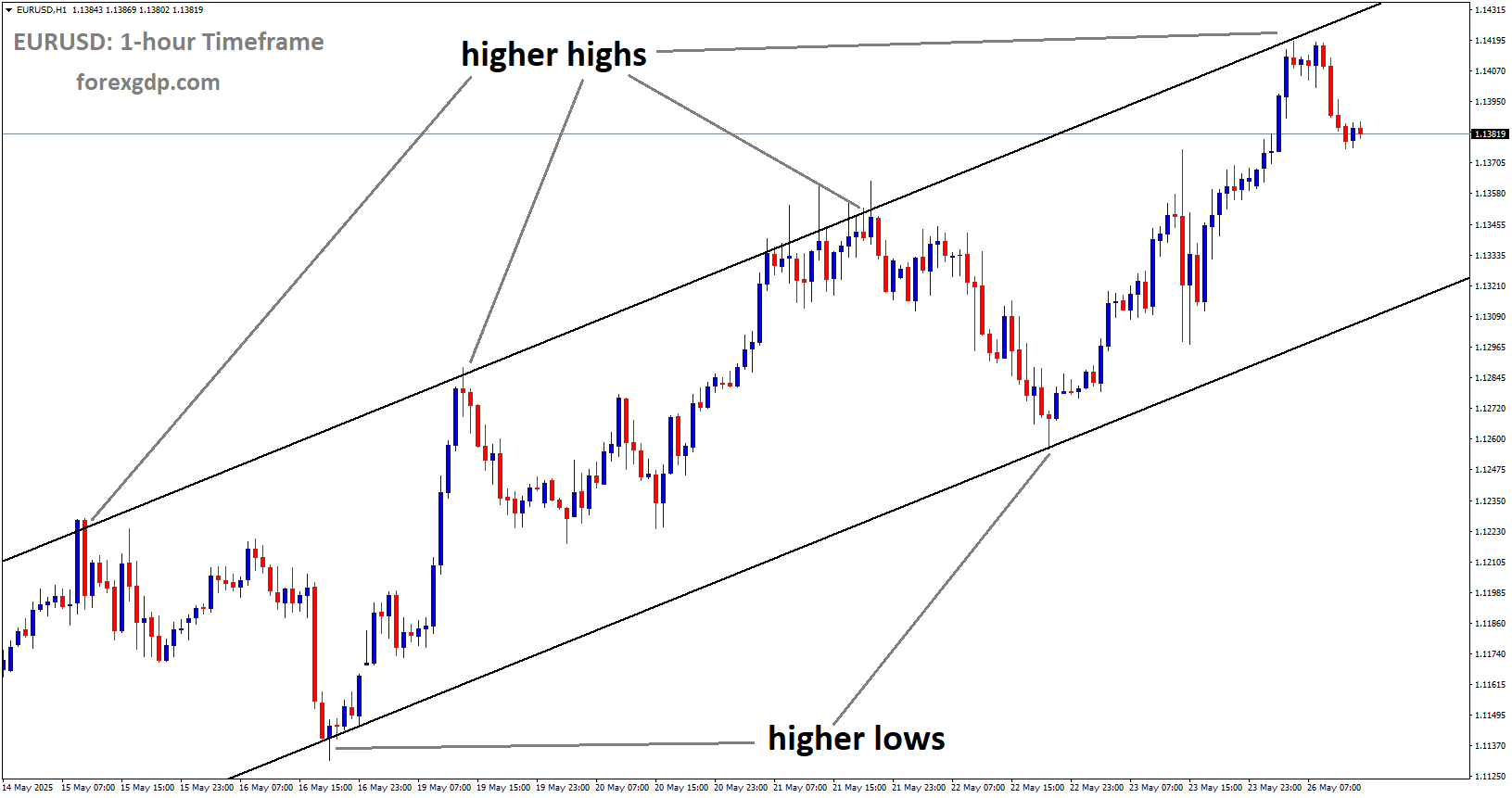
ETHUSD is moving in a downtrend channel, and the market has rebounded from the lower low area of the channel
Ethereum’s long-standing reputation also plays a role. It has survived multiple market cycles and continues to be a central part of the digital asset ecosystem. This track record gives investors confidence when sentiment improves and reduces the likelihood of rapid outflows during brief periods of uncertainty.
What Could Influence the Coming Weeks
As always, several variables could shape Ethereum’s path in the near term:
Market Sentiment
General confidence in global markets will influence digital assets. If technology stocks maintain strength, cryptocurrencies may benefit from positive spillover effects.
Institutional Behavior
Sustained buying from funds and large investors could support a steady upward trend. A slowdown in these inflows may soften momentum.
Developer Activity
While competition from other networks remains a factor, continued progress on Ethereum upgrades and ecosystem development could offset these pressures.
Regulatory Environment
Any major changes in policy or compliance rules could affect investor sentiment. However, recent inflows suggest that many institutions are becoming more comfortable with the regulatory landscape.
Final Summary
Ethereum is gaining renewed momentum at a time when the broader environment is turning more welcoming to digital assets. Strong capital flows, growing institutional interest, and improving market sentiment are helping support a more optimistic outlook. While the network still faces challenges from competing platforms and ongoing volatility, the current trend suggests that Ethereum may be well positioned for further strength as the year progresses. Investors who continue to see Ethereum as a core long-term asset are finding fresh reasons to stay confident.
EURUSD retreats from top levels as the Dollar stages a mild recovery
The Euro has eased after a strong climb, but it still holds on to most of its weekly progress. The broader picture shows a US Dollar that remains under pressure, even though it has managed to rebound slightly from recent lows. Traders appear reluctant to support any major Dollar recovery because expectations for interest rate cuts in the United States continue to grow.
Much of this market mood stems from increasing confidence that the Federal Reserve will shift toward easier monetary policy. Many investors believe the central bank is preparing for a rate cut after its upcoming December meeting. Even stronger-than-expected US economic data released mid-week was not enough to change this outlook.

At the same time, the Euro has been supported by a slightly more optimistic global environment. Hopes that negotiations between Russia and Ukraine may advance have helped the shared currency hold its footing. Although the currency has stepped back from its peak, it continues to reflect broader confidence in the European outlook.
Why Fed Expectations Are Steering Currency Markets
One of the biggest drivers in the currency landscape right now is the expectation of a policy shift from the Federal Reserve. While many central banks around the world are nearing the end of their easing cycles, the Fed is widely believed to have more cuts ahead. Markets currently assume at least a full percentage point of reductions over the next year.
Such expectations make it difficult for the US Dollar to attract strong speculative interest. Lower interest rates typically reduce the return on Dollar-based assets, prompting investors to look elsewhere. As long as this belief remains dominant, any short-term Dollar rallies are likely to be limited.
Adding to the narrative are reports circulating in Washington that Kevin Hassett, known for his dovish views on monetary policy, may be considered for the role of Federal Reserve Chair once Jerome Powell’s term ends in May. If such a leadership shift occurs, investors expect it would further reinforce the push toward lower interest rates in 2026. Even though these reports are still unconfirmed, the possibility alone has influenced current market expectations.
Fresh Economic Data and Market Reaction
Despite the ongoing belief that rate cuts are coming, recent US economic indicators have shown surprising resilience. New data on Durable Goods Orders revealed another month of growth, outpacing forecasts. Orders excluding transportation equipment also rose more than anticipated, suggesting underlying demand is holding steady.
In addition, weekly jobless claims in the US fell to their lowest level in seven months. This drop indicates that the labor market remains strong, even in a period of slowing economic momentum. Yet these improvements have not been enough to convince most analysts that the Fed will keep rates on hold. Instead, the market has brushed off the stronger numbers, staying focused on the expected policy shift.
In Germany, consumer confidence figures showed a small improvement heading into December. While this uptick points to slightly better household sentiment, the effect on the Euro has been minimal. Investors were already more focused on broader global developments, so the impact of this data remained limited.
What to Watch in Europe
While US markets are closed for the Thanksgiving holiday, trading volumes are expected to be quieter. However, Europe still has key events on the agenda that could influence the Euro’s direction.
The Eurozone’s final Consumer Confidence Index is due, with expectations pointing toward confirmation of the same reading seen in October. Even if the number holds steady, it will offer insight into how households across the region view the economic environment heading into the winter period.
Later in the day, the European Central Bank will publish the minutes from its most recent monetary policy meeting. During that meeting, policymakers agreed to leave interest rates unchanged. The minutes may offer clues about the committee’s internal discussions, how concerned members are about inflation trends, and what conditions might prompt future adjustments.
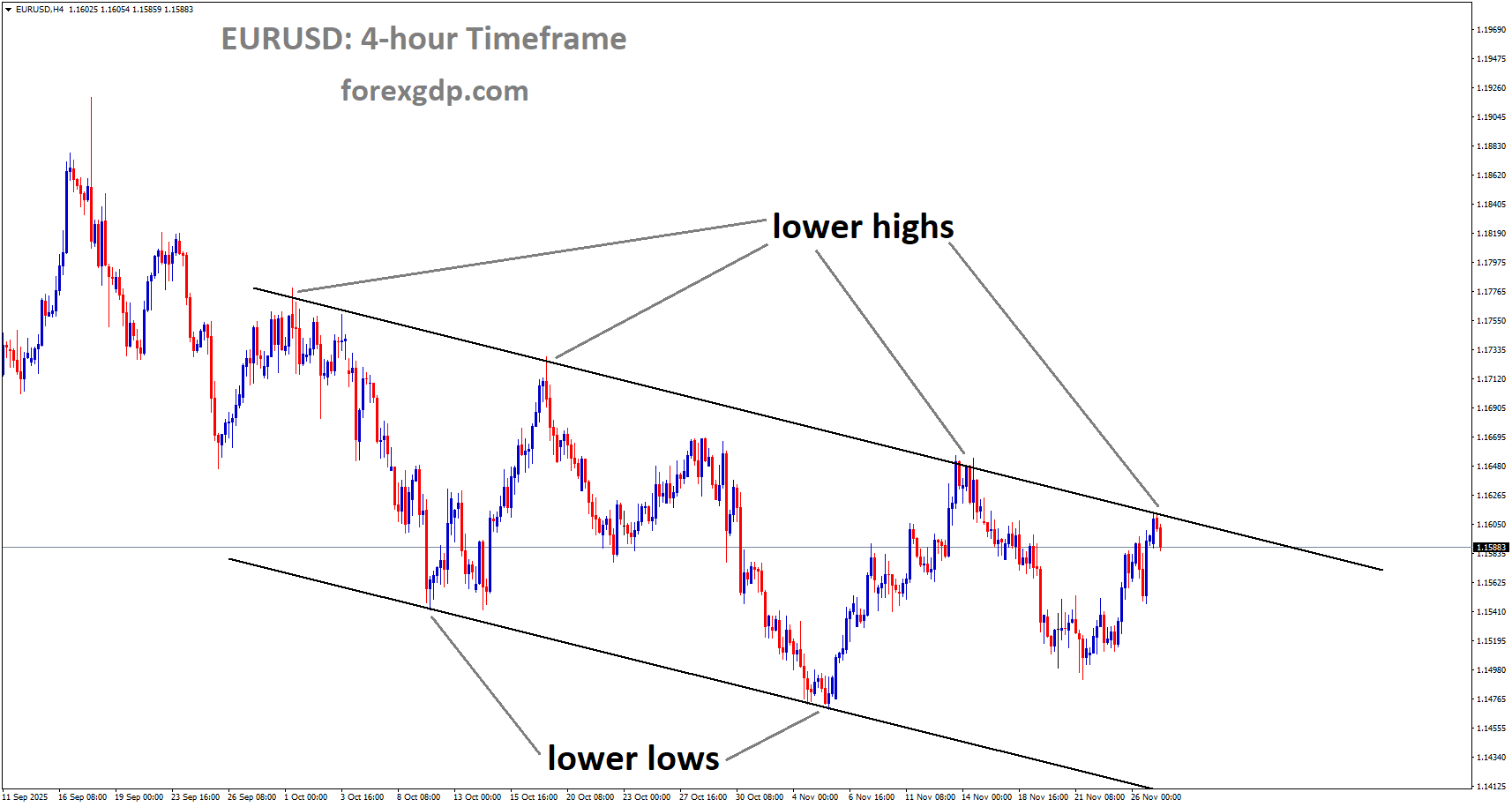
EURUSD is moving in a downtrend channel, and the market has reached the lower high area of the channel
Although no major policy shifts are expected in the near term, the tone of the discussion could influence how investors view the Euro in the weeks ahead. If the minutes show growing comfort with current inflation progress, markets may assume that the ECB is confident in its stance, helping support the currency. If the tone appears cautious, it could spark concerns about potential challenges ahead.
Diverging Policies and Their Impact on Currencies
The growing gap between US and European monetary policy paths continues to shape market sentiment. With the Fed expected to ease more aggressively in the coming year, the Dollar faces downward pressure. Meanwhile, the ECB appears more inclined to maintain its current stance, at least until economic trends become clearer.
This divergence gives the Euro an advantage, even if economic data across the region shows mixed results. As long as investors expect the US to cut rates more than Europe, the flow of capital tends to favor the Euro. The result is a currency pair supported not only by European resilience but also by shifting expectations in the United States.
Still, it is important to remember that global conditions can change quickly. Any unexpected developments—whether geopolitical, economic, or political—could alter the outlook. For now, however, the contrast between the two central banks remains the dominant theme shaping the market.
Summary
The Euro has stepped back slightly after a solid advance, but it still holds most of its weekly strength as the US Dollar struggles to gain lasting traction. Expectations for future Federal Reserve interest rate cuts continue to weigh on the Dollar, even as strong US economic data offers brief moments of support.
Meanwhile, ongoing developments in Europe, including consumer confidence readings and the release of ECB meeting minutes, are likely to provide additional direction. With monetary policy paths diverging, the broader trend still favors the Euro, supported by a steady European outlook and a US central bank expected to ease further in the months ahead.
GBPUSD pushes higher over 1.3250 with US Dollar softness driven by Fed cut speculation
The GBP/USD pair has been on a steady climb, extending its gains for six sessions in a row. During Thursday’s Asian trading hours, the pair hovered near 1.3260, reflecting growing confidence in the British Pound and persistent weakness in the US Dollar. Shifting expectations around US monetary policy and the latest developments in the United Kingdom’s fiscal landscape are shaping the current market mood.
Fed Rate Cut Expectations Weigh on the US Dollar
The US Dollar has been under pressure as traders increasingly anticipate that the Federal Reserve may lower interest rates in December. This shift in sentiment comes despite recent US economic data showing signs of resilience. Initial Jobless Claims fell more than expected, and Durable Goods Orders rose, pointing to steady underlying demand. Even so, the likelihood of a rate cut has continued to grow.
A key factor behind this outlook is a significant jump in market-based expectations of a policy shift by the Federal Reserve. Investors widely view the December meeting as a potential turning point. While stronger economic numbers would normally reduce the chance of policy easing, the broader market narrative has remained focused on the possibility of lower borrowing costs. This expectation has reduced demand for the US Dollar, allowing the Pound to gain momentum.
US Labor Market Data Fails to Shift Market Sentiment
Recent figures from the US Department of Labor added fresh detail to the economic picture. Initial Jobless Claims for the week ending November 22 fell to 216,000, beating forecasts and marking a drop from revised numbers in the previous period. The four-week moving average also saw a slight decrease, indicating continued labor market stability.
Despite this encouraging data, traders are still leaning toward the idea that the Federal Reserve may loosen monetary conditions soon. This unusual disconnect between economic performance and policy expectations highlights how strongly investors believe the Fed may pivot. They appear to be weighing political and leadership factors alongside economic data when shaping expectations.
White House Search for Fed Chair Adds to Policy Speculation
Speculation surrounding future leadership at the Federal Reserve has added another layer of uncertainty. Reports suggest that the White House has narrowed its list of candidates for the next Fed chair. Among those in consideration is Kevin Hassett, the current Director of the National Economic Council. Many investors view him as someone who may favor a more accommodative stance on interest rates.
The prospect of a Fed chair inclined toward lower rates has provided further reason for markets to anticipate policy easing. This anticipation is one of the key pressures pushing the US Dollar lower and helping lift currency pairs such as GBP/USD.
Pound Sterling Supported by UK Budget Measures
Alongside the downturn in the Dollar, the British Pound has found strength from developments closer to home. The UK government recently announced a budget that includes £26 billion in new tax measures. These changes follow a significant increase in taxes last year, reflecting efforts to strengthen the country’s fiscal position.
Chancellor Rachel Reeves outlined the government’s approach to stabilizing public finances while preparing for future challenges. She highlighted that the country has £22 billion in fiscal headroom, meaning funds available to respond to unexpected shocks. However, the Office for Budget Responsibility noted that this space remains limited, suggesting that the government still faces pressure to keep debt and spending under control.
UK Fiscal Outlook Influences Market Confidence
The recent budget announcement has been closely watched by investors for clues about the strength and direction of the UK economy. The added tax revenue aims to create a more resilient financial foundation, which in turn has helped support the Pound. Market participants often respond positively when governments take steps to reinforce economic stability, even if those steps involve difficult measures like tax increases.
The UK’s combination of cautious budgeting and attempts to maintain economic flexibility has played a role in boosting confidence in the Pound. Traders may see these actions as a sign that the government is committed to maintaining financial discipline, even as global economic conditions remain uncertain.
GBP/USD Outlook Shaped by Policy Expectations
The current movement in GBP/USD is being driven by a blend of shifting policy expectations, political developments, and fiscal adjustments. On the US side, the growing belief that the Federal Reserve could lower rates by year-end is a major contributor to Dollar weakness. At the same time, leadership speculation adds another layer of uncertainty for markets trying to anticipate future monetary strategy.
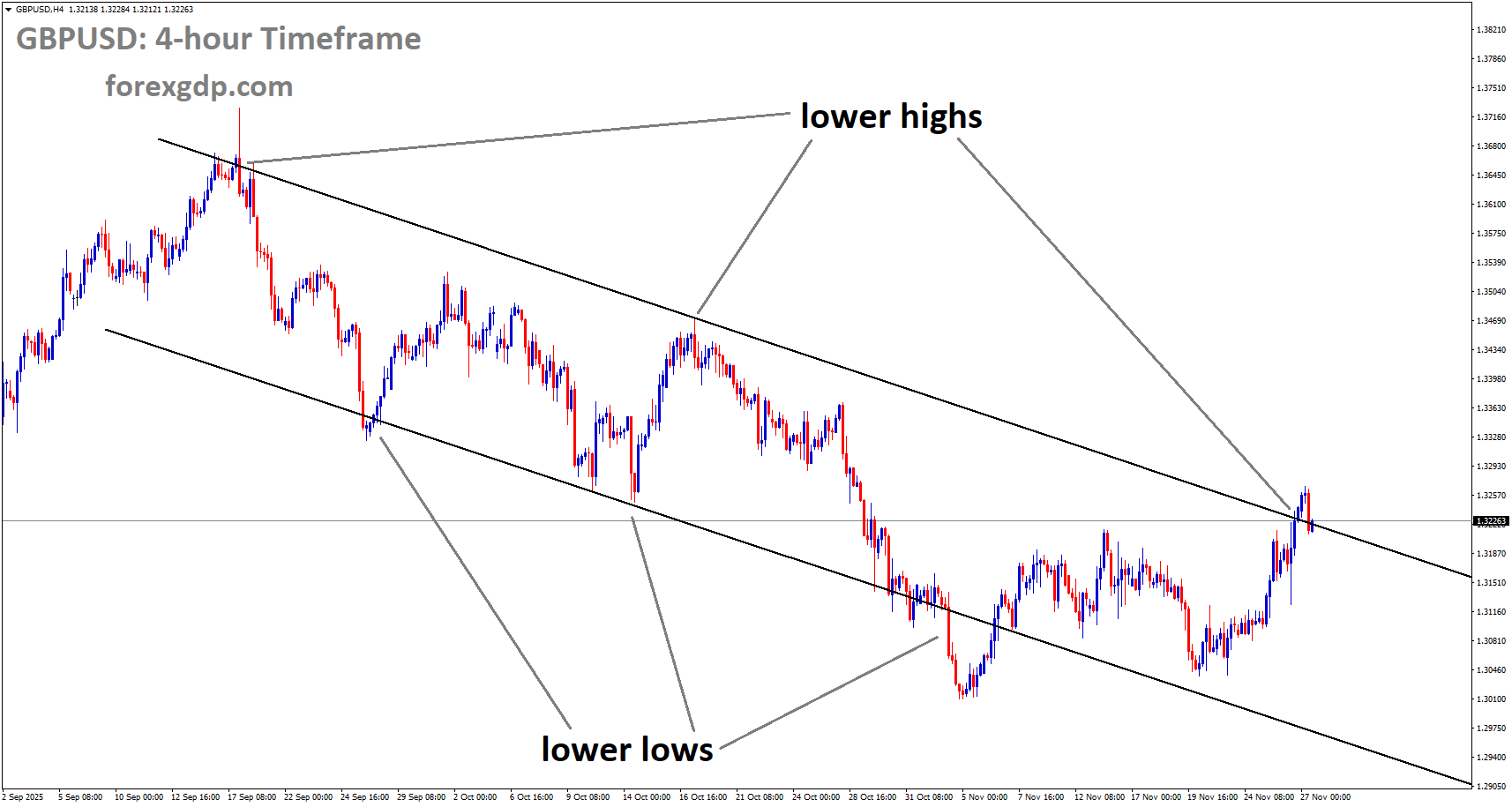
GBPUSD is moving in a descending channel, and the market has reached the lower high area of the channel
Meanwhile, the UK’s latest budget and fiscal signals have helped the Pound find its footing. Although tax increases can sometimes dampen sentiment, in this case, the measures have been viewed as part of a broader effort to tighten public finances and build stability. Market participants appear to be responding to the sense of direction and discipline offered by the budget.
What Could Influence the Pair Moving Forward?
Looking ahead, several factors could shape further movements in the GBP/USD pair. Any comments or signals from Federal Reserve officials will be closely watched for clarity on whether a rate cut is in fact likely. Economic data, especially employment and inflation numbers, will also play a critical role in shaping expectations.
In the UK, the market will monitor how the new budget measures affect economic activity and consumer sentiment. Investors will also look for updates from the OBR and government officials to better understand the long-term fiscal path.
Summary
The GBP/USD pair has strengthened notably as shifting expectations around US monetary policy weigh on the Dollar. Despite solid economic data, markets continue to anticipate a possible rate cut by the Federal Reserve in December. Political considerations, including speculation around the next Fed chair, have heightened this view. At the same time, the British Pound has been supported by the UK’s latest budget, which includes new tax measures aimed at reinforcing fiscal stability. Together, these factors have helped drive the currency pair higher, creating a dynamic outlook shaped by policy signals and economic developments on both sides of the Atlantic.