

Why “Be Realistic, Not Emotional” Hits So Hard
There’s a brutal truth about forex trading that nobody can sugarcoat: the chart is not your therapist. Price doesn’t move because you “deserve” a win after three losses. It doesn’t reverse because you’re staring at it like you can hypnotize it into behaving. The market is an ocean, and your emotions are a tiny paper boat. When the waves come, the ocean doesn’t apologize.
That’s why the line “Be realistic, not emotional.” isn’t just a cute quote you slap on a graphic. It’s a survival rule. Emotional trading is like driving with one hand on the wheel and the other hand covering your eyes, hoping the road will be kind. Sometimes you’ll get lucky. Most times, you’ll hit something expensive.
The cold part is this: the market rewards discipline, not drama. You can rage-trade, revenge-trade, hope-trade, panic-trade… and it might even “work” for a day. But long-term? That’s a slow leak in your account that ends with you wondering how it all went wrong when the warning signs were screaming from day one.
Realism is boring—and that’s exactly why it works
Realistic trading isn’t exciting. Honestly, that’s the point. The best traders aren’t glued to the screen like it’s the finale of their favorite show. They’re more like mechanics. They check the engine, they follow a routine, they don’t cry when the car needs repairs. They accept that losses are part of the job, like rent.
Emotional trading, on the other hand, is spicy. It feels alive. It feels like you’re “in it.” Your heart races, your finger hovers over the button, your brain starts writing fan fiction about how this trade is about to change your life. And that’s exactly when you’re most vulnerable.
If you’ve ever moved your stop loss “just a little” because you couldn’t stand being wrong… you already know. Realism is the adult in the room. Emotions are the loud friend who keeps yelling, “Double it! You’ll make it back!” Spoiler: that friend never pays your bills.
How Emotions Sabotage Traders (Even Smart Ones)
Fear: the silent account killer
Fear makes you exit too early
Fear is sneaky. It rarely walks in like a villain with dramatic music. It shows up as a reasonable thought: “Maybe I should take profit now… just in case.” And sure, taking profit isn’t a crime. The problem is when fear becomes your strategy.
You enter a solid trade, it moves a little in your favor, and suddenly you treat that small gain like it’s a fragile glass ornament. You grab it, protect it, lock it away—then watch the market run without you. Later, you look at the chart and feel that sting: “If I had held, I would’ve made way more.” That sting doesn’t just hurt. It trains you to chase.
Over time, fear turns your trading into crumbs. You collect tiny wins, then one oversized loss wipes out a week of “safe” trading. It’s like scooping water out of a sinking boat with a teaspoon while ignoring the hole.
Fear makes you hesitate and miss the real move
Then there’s the other side: fear that freezes you. You see your setup. It’s clean. It matches your plan. But your last loss is still living rent-free in your brain, so now you hesitate. You start negotiating with yourself. You wait for “extra confirmation.” You wait until the price already moved, and then you jump in late—because now it feels “safe.”
The market has a twisted sense of humor. It often punishes late entries like a bouncer refusing someone who shows up after the party started. That late entry? That’s where reversals love to happen. And suddenly you’re stopped out, not because the setup was bad, but because fear made you enter at the worst possible time.
Realism would’ve said: “This is the plan. Execute it. Accept the outcome.” Fear says: “Protect yourself from feeling stupid.” And it’s wild how much money we’ll lose just to avoid feeling wrong.
Greed: the sugar rush that ends in regret


Greed makes you ignore your own exit
Greed doesn’t feel evil. It feels optimistic. It feels like confidence. But it’s often just impatience wearing a fancy jacket. You’re in profit, your trade is working, and your brain goes from “nice win” to “why not more?” in about three seconds.
So you hold past your target. Or you remove your take profit because you’re convinced you’ve found “the big one.” Sometimes it keeps running, and you feel like a genius. Other times the market snaps back like a rubber band and you watch profit melt into nothing. That moment is pure emotional punishment: you go from winning to losing without even changing anything—except your attitude.
Greed teaches a painful lesson: it’s not enough to be right. You also have to be consistent. A realistic trader takes planned profit and moves on. An emotional trader tries to squeeze the market like it owes them extra.
Greed convinces you to oversize
Oversizing is where greed really gets dangerous. It whispers, “If you’re confident, go bigger.” And confidence is tricky because it can be real… or it can be a hallucination created by two lucky wins in a row.
Bigger positions feel powerful. Like turning up the volume on a song you love. But there’s a secret cost: bigger size amplifies emotion. A small pullback feels like a punch. A normal fluctuation feels like disaster. And once you’re emotionally hijacked, your decision-making turns into chaos.
Realism says: “Position size is a tool.” Greed says: “Position size is a flex.” The market loves humbling people who trade to feel something instead of trading to follow something.
Revenge trading: when anger takes the wheel
One loss becomes personal
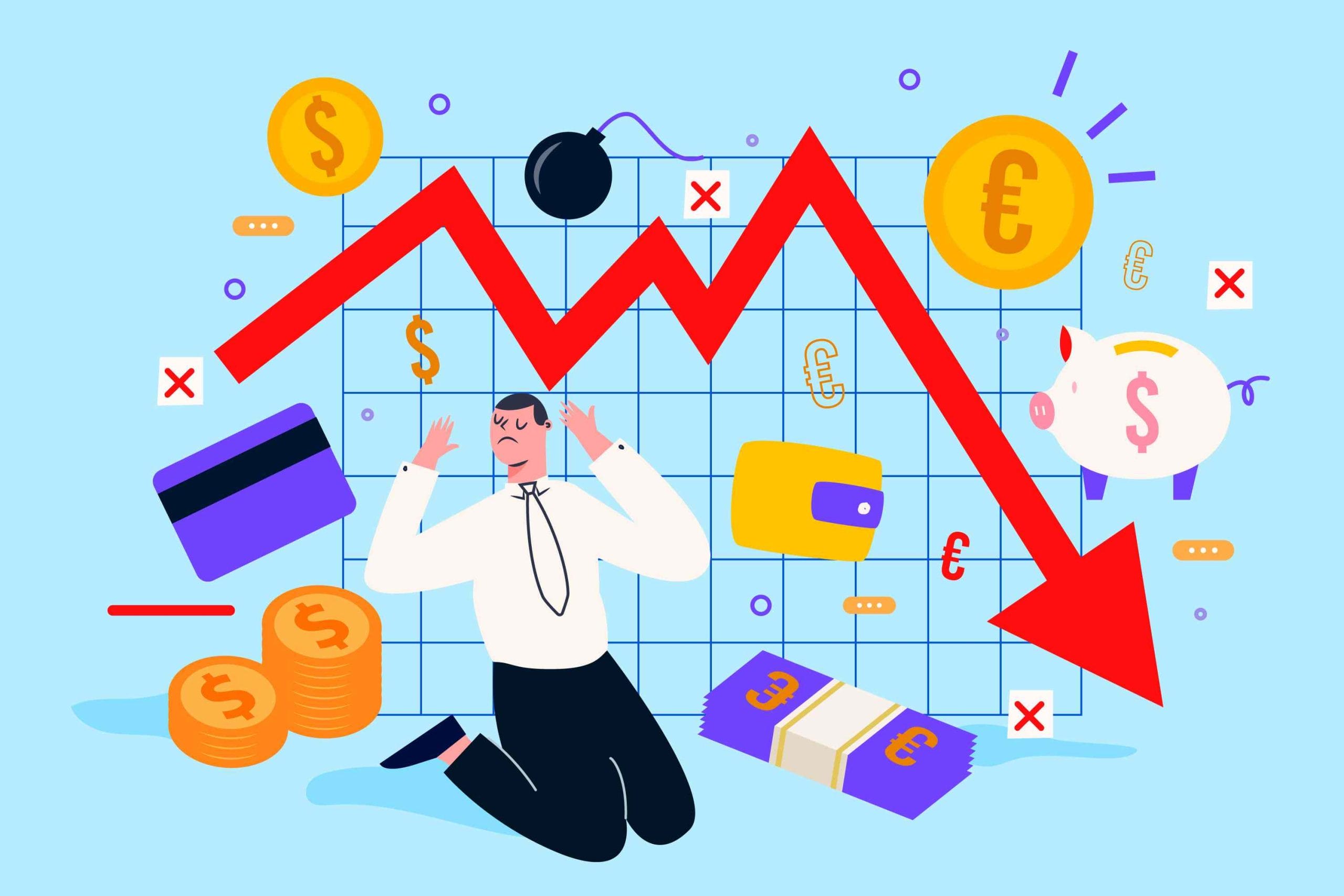
The worst trades often start with a sentence like: “No way. Not like that.” A loss happens, and suddenly it’s not a normal cost of doing business—it’s an insult. You feel robbed. You feel targeted. You feel like the market “tricked” you.
So you fire back. Another trade, quickly. Maybe without a setup. Maybe with double the risk. The goal isn’t even profit anymore—it’s emotional repair. You’re trying to erase the feeling of being wrong. And that’s a terrible reason to click a button that moves real money.
The market is not your rival. It’s not your enemy. It’s not your ex. It’s just a moving price. But revenge trading turns it into a personal war, and your account becomes the battlefield.
Revenge creates “messy” trades you can’t even explain

Ask yourself this: have you ever taken a trade you couldn’t properly explain afterward? Like if someone asked, “Why did you enter?” and you’d say, “I don’t know… it just felt right.”
That’s revenge trading’s signature. It produces messy entries, random stops, and exits that happen because you’re stressed, not because you’re strategic. Even if you win, it reinforces a bad habit. It’s like celebrating because you ran across a highway and didn’t get hit. The survival isn’t proof the method is good.
Realism is calm enough to wait. Emotion is loud enough to rush. And in trading, rushing is usually just a prettier word for sabotage.
What Realistic Trading Actually Looks Like
A realistic trader thinks in probabilities, not predictions
You don’t need to be “right,” you need to be consistent
A lot of traders secretly believe they’re supposed to predict the market. Like the goal is to call tops and bottoms and feel like a wizard. But realistic trading is more like playing poker than telling the future. You’re not trying to be right every hand. You’re trying to make good decisions with the information you have.
When you think in probabilities, losses stop feeling like personal failures. They become part of the math. A setup can be good and still lose. That’s not a glitch. That’s reality. Once you accept that, your emotions stop yanking you around like a leash.
Ask yourself: do you want to be right, or do you want to be profitable? Because those aren’t always the same thing. Being right feeds the ego. Being profitable feeds the account.
You plan the trade before you feel the trade
Emotions are fast. Plans are slow. That’s why planning has to come first. A realistic trader decides the entry, stop, and target before the trade is live. The decisions happen in calm air, not in the middle of a storm.
When the trade is running, the job is boring: manage it according to the plan. No dramatic improvisation because price moved five pips against you. No sudden “intuition” that appears the moment you’re slightly uncomfortable. If your plan can’t survive a little discomfort, it wasn’t a plan—it was a wish.
Realism is writing the script before the movie starts. Emotion is trying to rewrite the script during the action scene. Guess which one usually ends badly?
Risk becomes a leash, not a gamble
Small risk keeps your brain online
Here’s a simple truth that’s almost annoying because it’s so obvious: when you risk too much, your brain goes offline. You stop thinking and start reacting. You watch every tick like it’s a heartbeat monitor. You can’t sleep. You can’t focus. You become a full-time employee of your open position.
Realistic risk is like setting the thermostat. It keeps the environment stable. You can still think clearly, follow your rules, and accept the outcome. Emotional risk is like setting your house on fire and hoping it warms the room.
If you want to trade like a grown-up, you have to risk like one. Not tiny because you’re afraid, and not huge because you’re greedy—just appropriate because you respect the game.
A stop loss isn’t an insult, it’s insurance


Some traders act like a stop loss is a negative belief system. Like placing it means you’re “not confident.” That’s nonsense. A stop loss is what separates trading from gambling with extra steps.
Realism says: “If I’m wrong, I’m wrong here.” Emotion says: “If I’m wrong, I’ll just hold and hope.” And hope is not a strategy. Hope is what you do when you refuse to face reality.
A stop loss doesn’t mean you expect to lose. It means you understand the market can do whatever it wants. It’s you acknowledging that you’re a participant, not a dictator.
Your routine matters more than your “talent”
Systems beat vibes
Trading talent is overrated. Not because skill doesn’t matter, but because discipline matters more. Plenty of intelligent people blow accounts because they can analyze… but can’t control themselves.
A routine is your emotional seatbelt. It keeps you from doing stupid things at high speed. It reminds you to check your conditions, wait for your setup, and stop forcing trades on days when the market looks like a scribble.
If your trading is based on vibes, you’ll eventually catch a vibe that wipes your account. Realism turns trading into a system you can repeat. And repetition is where results are born.
Journaling turns pain into progress
Let’s be honest: losing feels bad. It’s supposed to. But the worst part isn’t the loss—it’s wasting it. A trader who doesn’t review mistakes is basically paying tuition and skipping class.
Journaling isn’t about writing poetry about your feelings. It’s about catching patterns. Why did you enter? Did you follow your rules? Did you move stops? Did you take profits early? Did you revenge trade after?
When you write it down, you see the truth. And sometimes the truth is ugly. But that’s good. Because you can’t fix what you refuse to face. Realism looks directly at the damage and says, “Alright. What caused this?” Emotion looks away and says, “Next trade will fix it.”
How to Train Yourself to Stay Realistic Under Pressure
Build emotional “speed bumps”
A pause can save more money than a perfect setup
If emotions are your biggest enemy, you need friction between feeling and action. A pause is a powerful weapon. Not a dramatic one—just practical.
When you lose a trade, your nervous system lights up. Your brain wants immediate relief. That’s where bad decisions are born. A speed bump forces you to slow down and return to realism. It gives your logic a chance to catch up with your feelings.
Even a short pause can stop the spiral. Because the spiral is rarely about the market. It’s about your mood.
Your environment shapes your discipline


People underestimate how much the environment influences trading. If you trade while tired, distracted, hungry, or stressed, you’re basically walking into a mental boxing match with one glove missing.
Realism is not just a mindset—it’s a setting. Quiet space. Clear head. No chaos. Because chaos outside becomes chaos inside, and chaos inside becomes chaos on the chart.
You don’t need a fancy setup. You need a stable one. Your discipline is fragile when your life is noisy.
Protect yourself from your worst self
Know your triggers like you know your favorite song
Everyone has triggers. Some people get reckless after a win streak. Some people get timid after a loss. Some people chase trades when they’re bored. Some people trade to escape other problems.
The realistic move is to learn your personal patterns. Think of it like knowing the potholes on your street. Once you know where they are, you stop hitting them at full speed.
Your triggers aren’t shameful. They’re human. But ignoring them is expensive. The market charges extra for self-awareness you refuse to develop.
Boundaries aren’t restrictive—they’re freeing
A lot of traders treat rules like prison bars. But rules are actually guardrails. They don’t limit freedom; they prevent disasters.
When you have boundaries—like a maximum loss for the day, or a limit on trades—you stop digging deeper holes. You stop turning a bad morning into a ruined week.
Realism says: “I stop when my decision quality drops.” Emotion says: “I stop when my account forces me.” And that’s a nasty way to learn discipline.
Respect the long game
Trading is a marathon with surprise potholes
The market is not a slot machine that owes you a payout. It’s a long road with random weather. Some days are smooth. Some days are a mess. If you treat every trade like it needs to change your life, you’ll burn out fast.
Realistic traders build slowly. They compound habits. They focus on process over adrenaline. They don’t chase perfection—they chase consistency.
And yes, it’s frustrating. Because the long game doesn’t feed your ego quickly. But it feeds something better: sustainability.
Realistic expectations prevent emotional blowups
Many trading meltdowns happen because expectations are unrealistic. You expect to win every day. You expect the market to behave. You expect to double accounts quickly. And when reality shows up, you get angry.
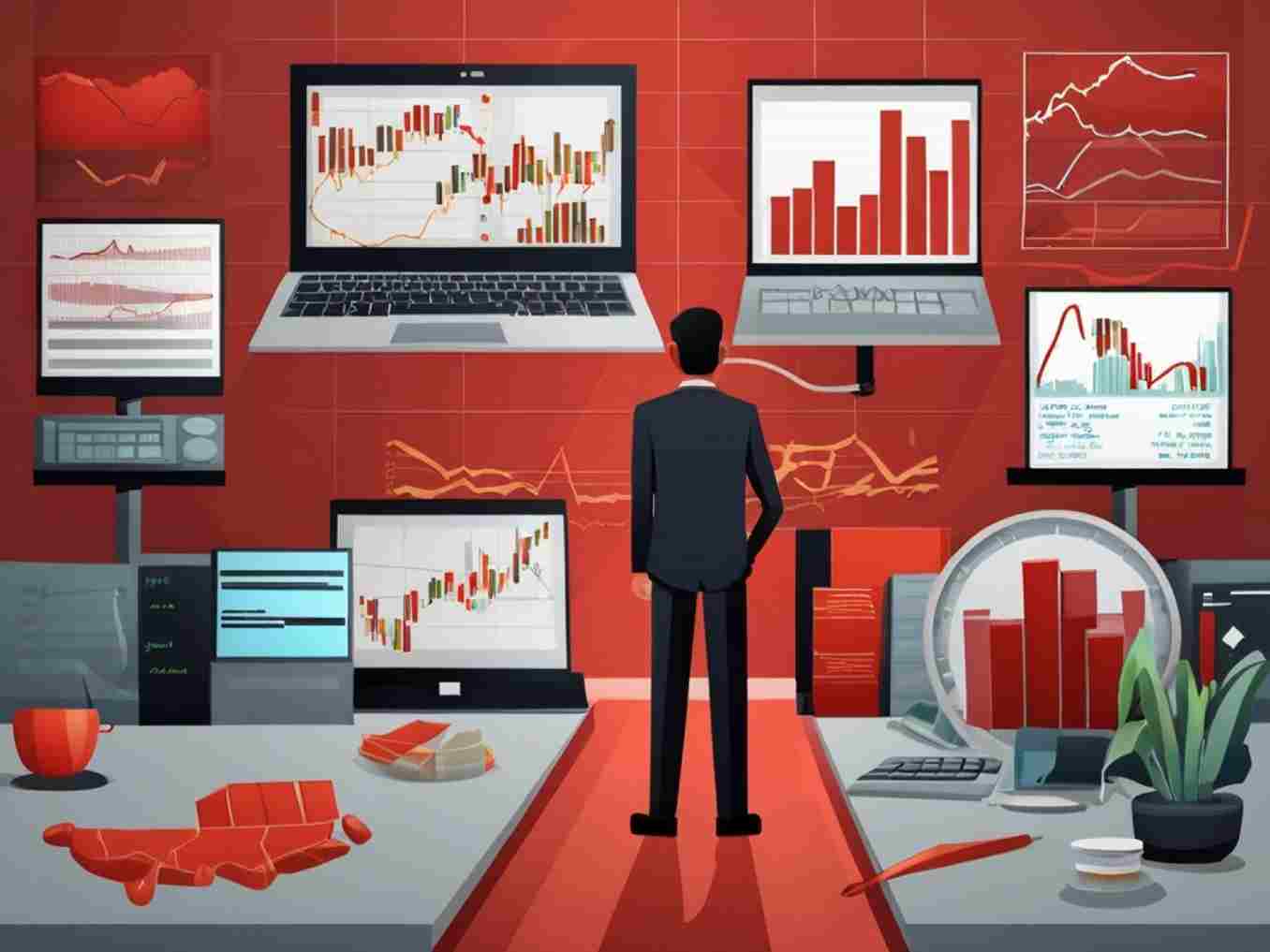
Realistic expectations are like shock absorbers. They soften the hits. They keep you steady when the market does what it does best: surprise people.
If you want fewer emotional blowups, lower the fantasy. Keep the ambition, but drop the delusion. The market punishes delusion like it’s allergic to it.
Final Summary
Choosing realism over emotion in trading isn’t about becoming cold or robotic. It’s about staying grounded when the market tries to pull you into drama. Fear makes you cut winners too early or hesitate until it’s too late. Greed makes you hold past your plan and oversize until you can’t think. Revenge trading turns a normal loss into a personal fight you can’t win.
Realistic trading looks calmer because it is calmer. It’s built on probabilities, planned actions, controlled risk, and repeatable routines. The goal isn’t to feel excitement—it’s to build consistency. When you add pauses, boundaries, and self-awareness, you stop handing your account to your emotions like they’re qualified to manage it. They’re not. Realism is quieter, slower, and sometimes annoyingly boring—but it’s also the mindset that keeps you in the game.
FAQs
1.Why do traders say “be realistic, not emotional” in forex?
Because emotions distort decisions. Realism keeps your actions tied to a plan, probabilities, and risk control rather than fear, greed, or anger.
2.Can emotional trading ever be profitable?
Sometimes, short-term luck can make emotional trading look successful. The problem is consistency—emotion-driven decisions usually collapse under stress and eventually cost more than they earn.
3.What’s the fastest way to stop revenge trading?
Create a hard boundary after a loss, like stepping away from the screen for a set period or stopping for the day when your focus drops. Revenge thrives on immediacy.
4.How do I know if I’m trading with fear?
If you constantly take profit too early, hesitate on valid setups, or move your stop loss because you “can’t be wrong,” fear is likely steering.
5.Is being realistic the same as being pessimistic?
Not at all. Realism means respecting risk and uncertainty while staying disciplined. Pessimism expects failure; realism prepares for any outcome.