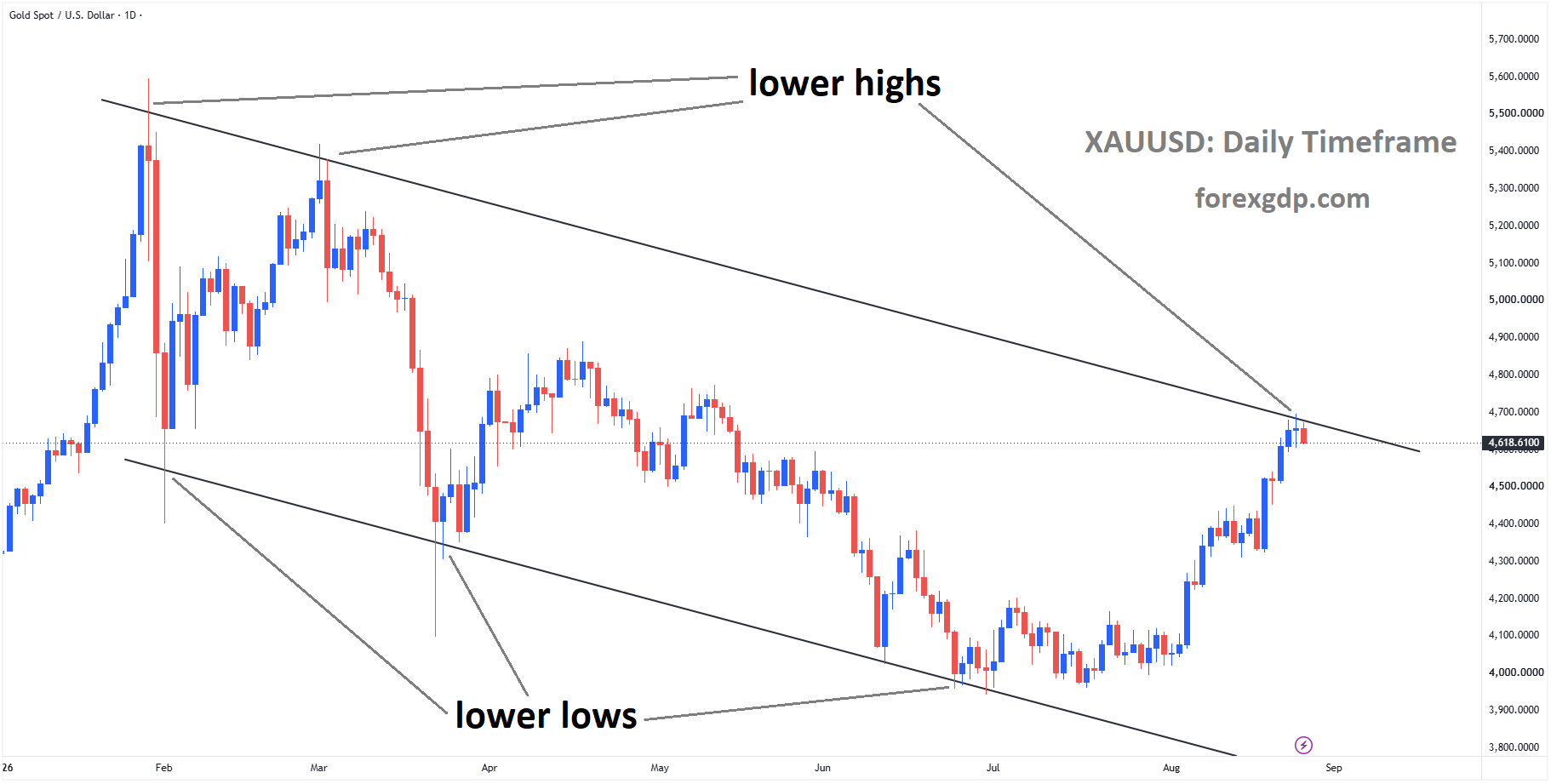


XAUUSD is moving in an Ascending channel, and the market has reached the higher low area of the channel
Gold started the week with a gentle lift, keeping small gains in place through Monday’s early European trading hours. Still, it’s not a full-throated rally. Prices have largely stayed inside a familiar range that has been in play for about a week, suggesting that buyers are interested but not fully committed yet.
Two big forces are shaping this slow-and-steady tone. First, expectations that the US Federal Reserve will cut interest rates again soon are keeping the US Dollar under pressure. Second, a cautious global mood—helped along by ongoing geopolitical worries—is pushing some investors toward safe-haven assets like gold. Even with those supportive ingredients, many traders are holding back from making bold moves until they hear directly from the Fed later this week.
Why the US Dollar Matters So Much for Gold
Gold and the US Dollar often move in opposite directions. When the dollar weakens, gold can become more appealing because it’s typically priced in dollars. That means international buyers may find gold cheaper when their own currencies have more purchasing power against the dollar.
Right now, the dollar has been hovering near a one-month low, and that’s giving gold a helpful tailwind. The main reason is growing confidence that the Fed is ready to lower borrowing costs again. Lower rates can reduce the appeal of holding cash or interest-bearing assets, and that can make non-yielding gold look more attractive by comparison.
Rate-cut expectations are doing the heavy lifting
Markets aren’t just casually considering a cut—they’re treating it as highly likely. Many traders now see a strong chance that the Fed will reduce rates again at its upcoming policy decision. That expectation has limited the dollar’s ability to bounce in a meaningful way, and gold has benefited from that softer dollar backdrop.
But there’s an important detail here: when a widely expected decision is already “priced in,” it doesn’t always create a big market reaction on its own. Instead, investors start focusing on what comes next. That’s why gold’s gains have been modest rather than explosive.
Inflation and Jobs Data: The Quiet Drivers Behind Fed Expectations
Another reason gold is finding support is the way recent US data has been shaping the conversation around inflation and the labor market. A key report released late last week showed that inflation pressures look steady to slightly cooler in some areas, which helps keep rate-cut expectations alive.

The Personal Consumption Expenditures (PCE) Price Index—one of the most watched inflation measures—rose 2.8% year over year in September, in line with what markets were expecting. More importantly for Fed watchers, the core PCE measure (which strips out food and energy and is often treated as a clearer signal of underlying inflation) eased slightly to 2.8% in September from 2.9% in August.
That small step down may not seem dramatic, but in markets, direction matters. When inflation is no longer clearly heating up, it strengthens the argument that the Fed has room to ease policy without worrying as much about reigniting price pressures.
Cooling labor market signals add to the case for easing
Alongside inflation, signs that the US labor market may be losing some momentum are also helping the rate-cut story. When job growth slows or the labor market looks less tight, central banks often feel less pressure to keep rates high. For gold, that can be supportive because lower rates tend to reduce the opportunity cost of holding a metal that doesn’t pay interest.
Taken together, inflation that appears to be behaving and a labor market that may be cooling create a backdrop where traders can reasonably expect the Fed to keep leaning toward easier policy.
Geopolitical Risk Keeps Safe-Haven Demand Alive
Gold isn’t moving on interest rates alone. The global mood has also been cautious, and that matters because gold is often treated as a “safe-haven” asset—something investors may prefer when uncertainty rises.
Fresh geopolitical concerns have added another layer of support. Reports of heavy attacks on key infrastructure in Ukraine, and the perception that peace efforts are moving slowly, have kept tensions in focus. In moments like this, investors may seek assets that feel more defensive, and gold often ends up on that list.
This doesn’t mean gold will rise every time there’s troubling news. Markets react in complex ways, and other factors—like the dollar, bond yields, and investor positioning—can dominate at times. But geopolitical uncertainty can provide a steady undercurrent of demand, helping gold hold its ground even when enthusiasm is muted.
Why safe-haven support doesn’t always lead to a breakout
Even with risk in the headlines, gold can struggle to surge if traders think the next major catalyst is still ahead. That’s the situation now. Many investors see the Fed’s upcoming decision as the main event of the week, and they don’t want to place big bets before hearing the message straight from policymakers.
So while global tension can help gold stay supported, it may not be enough on its own to push prices decisively higher until the Fed clarifies its next steps.
All Eyes on the Fed: What Traders Are Waiting For
The biggest reason gold is moving carefully is simple: the Federal Open Market Committee (FOMC) decision is due on Wednesday, and it’s one of the most anticipated events on the calendar.
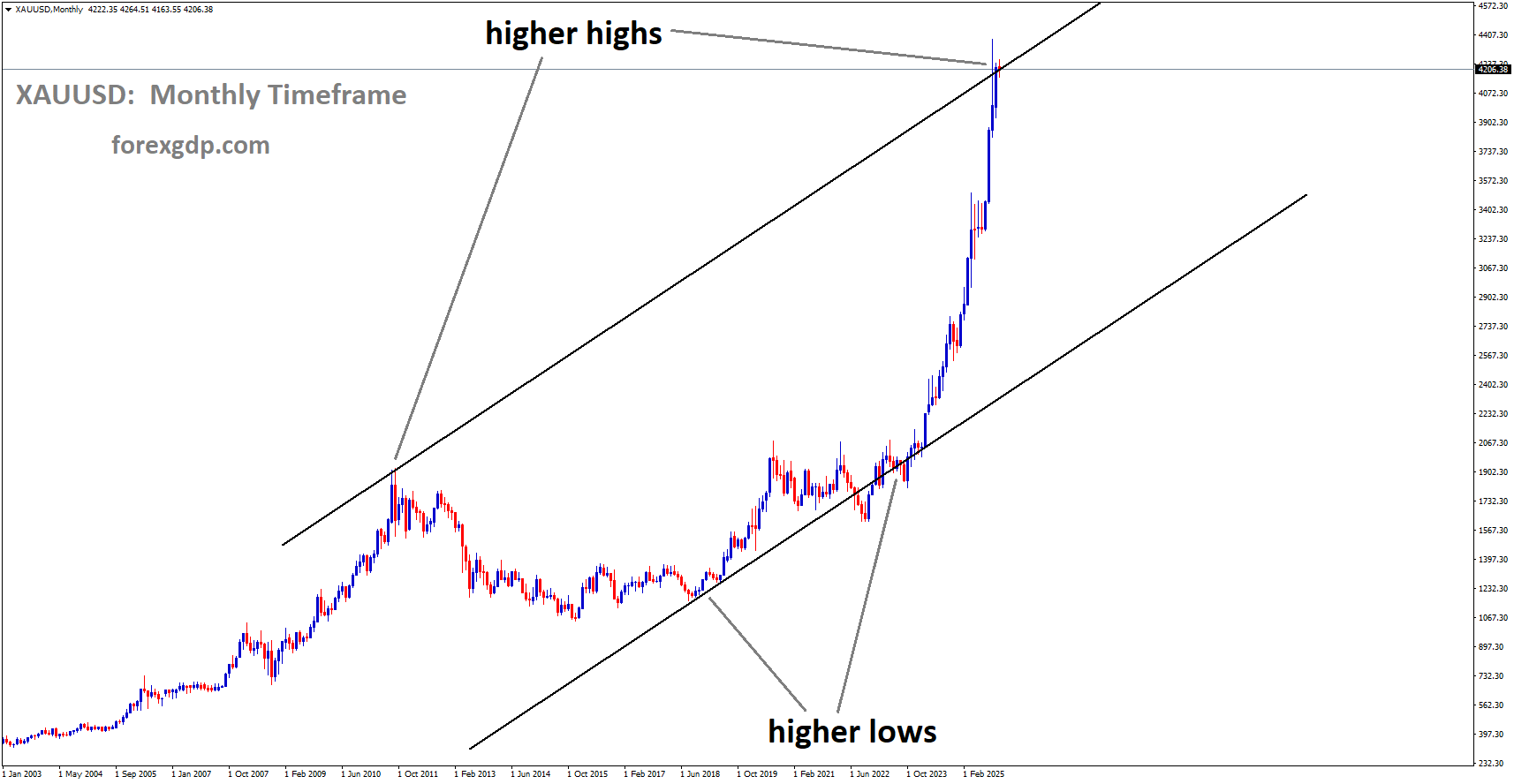
XAUUSD is moving in an uptrend channel, and the market has reached a higher high area of the channel
A rate cut may be widely expected, but the real market reaction often comes from the details around the decision—especially guidance about what the Fed might do next. Investors will pay close attention to:
-
The Fed’s updated economic forecasts
-
Any shifts in how policymakers view inflation and growth
-
Fed Chair Jerome Powell’s tone during the press conference
This is where the market will look for clues. Is the Fed signaling confidence that inflation is under control? Does it sound more concerned about growth and jobs? Is it hinting at more cuts soon, or suggesting it wants to move slowly? Those nuances can move the dollar quickly, and gold tends to respond right along with it.
Why gold is likely stuck in a range for now
When traders believe a major announcement could change the picture, they often pause. That hesitation can lead to choppy, sideways trading, even if the broader backdrop seems supportive. That’s why gold has held onto modest gains but hasn’t shown strong bullish conviction.
Until Wednesday’s Fed decision and Powell’s comments are out in the open, many market participants will likely treat any moves as provisional—something to monitor rather than chase.
Final Summary
Gold has begun the week with a mild upward bias, supported by a softer US Dollar and steady safe-haven demand tied to global uncertainty. Expectations of another Federal Reserve rate cut are keeping the dollar subdued, while recent inflation readings and signs of a cooling labor market reinforce the view that policy easing may continue. Even so, traders appear hesitant to push gold much higher ahead of Wednesday’s pivotal Fed decision, updated forecasts, and Jerome Powell’s press conference—events that could set the tone for both the dollar and gold in the days ahead.