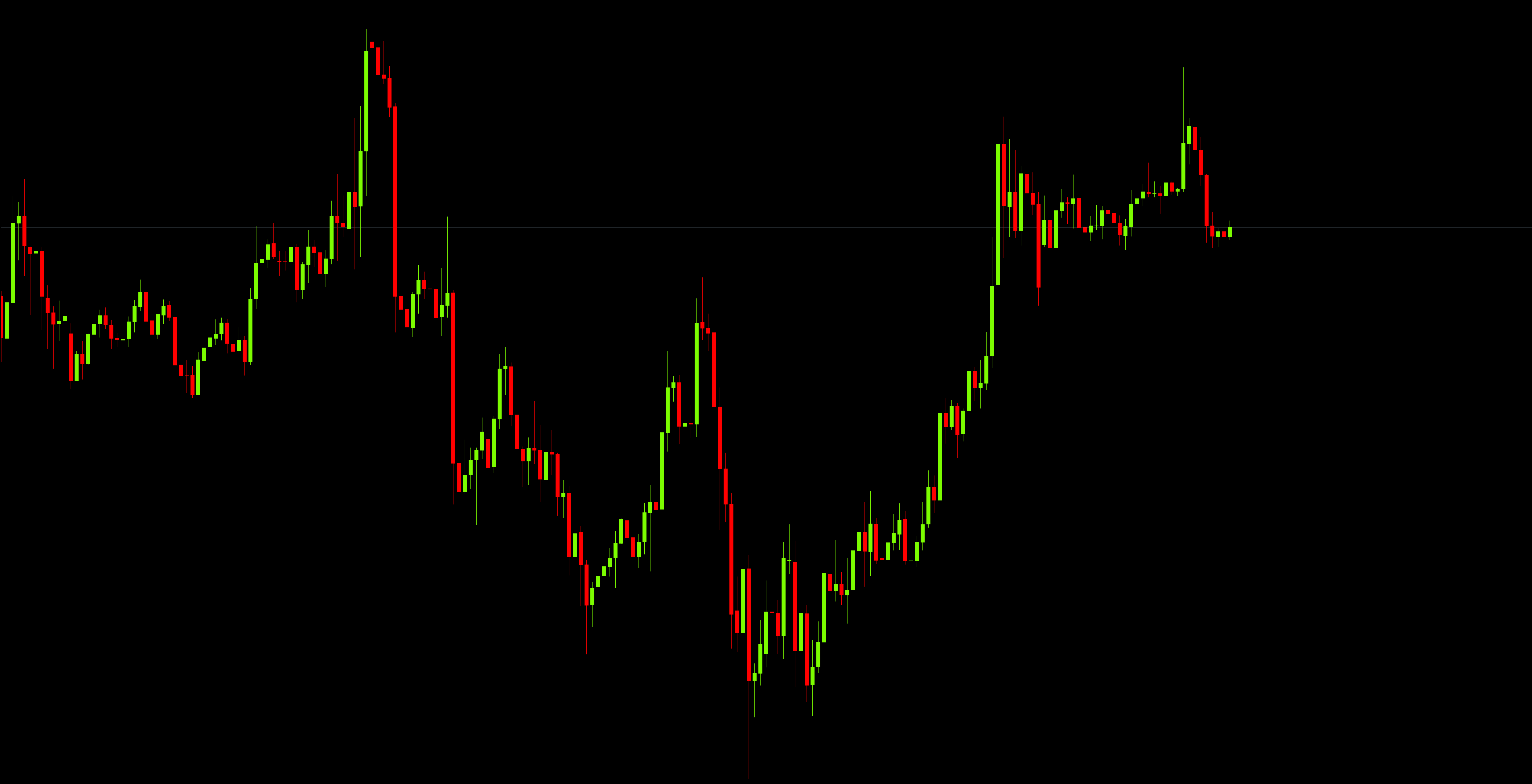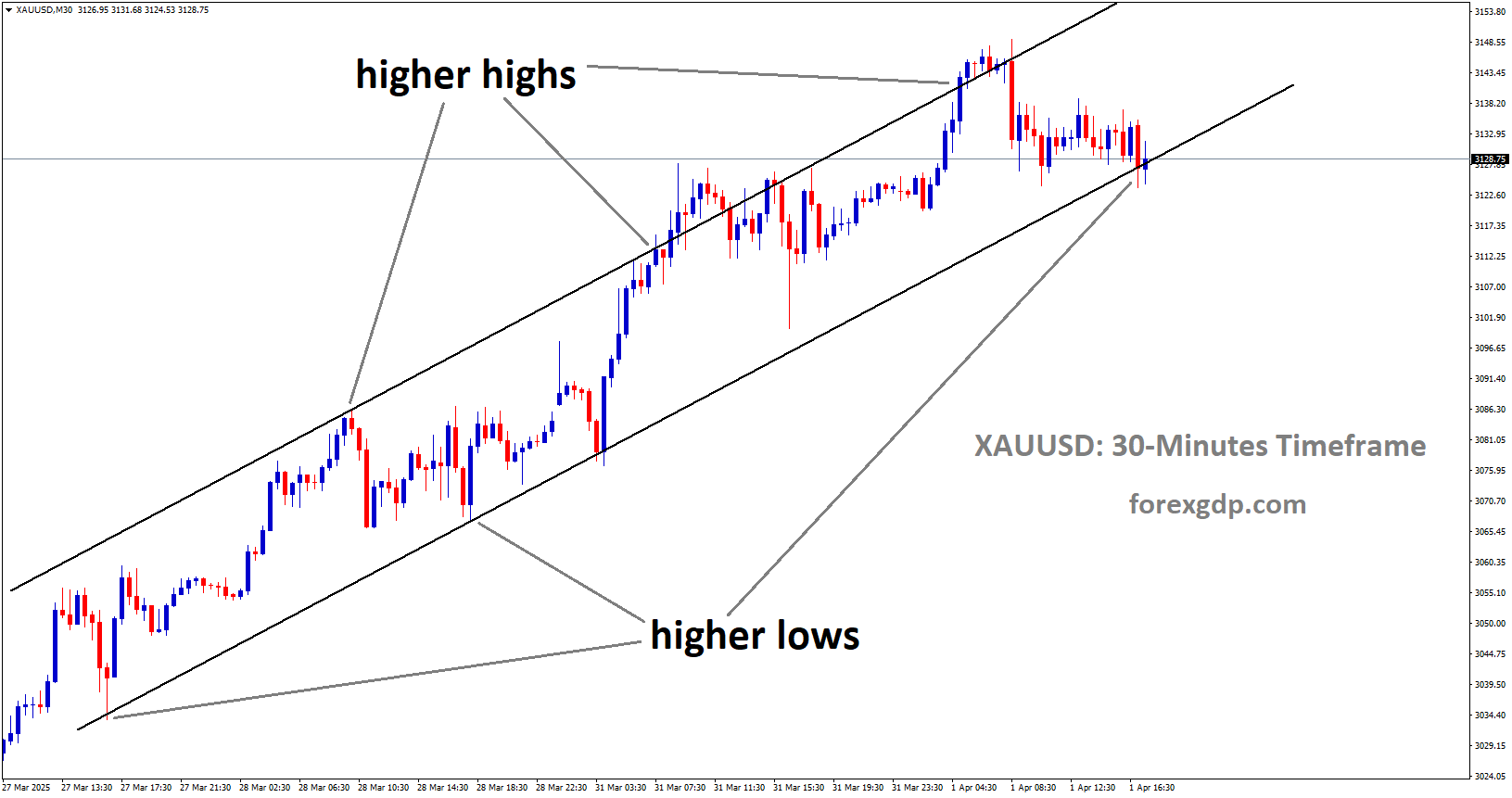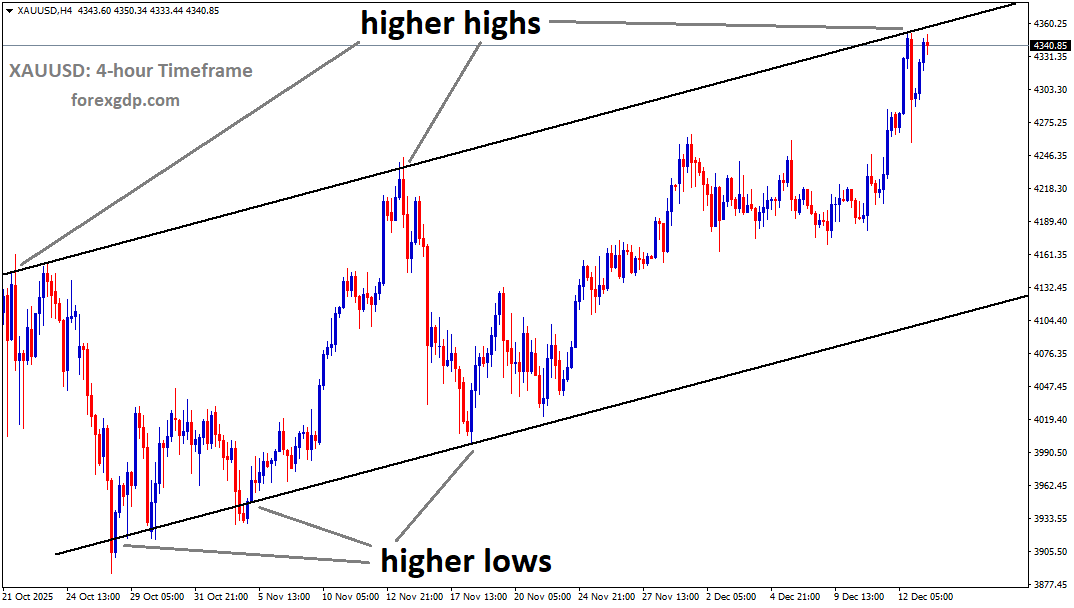
XAUUSD is moving in an uptrend channel, and the market has reached a higher high area of the channel
Gold started the week with a firm tone, attracting fresh buyers in the early European session on Monday. The move pushed the metal to its strongest level in roughly seven weeks, with gains of around 1% on the day. While gold can rise or fall for many reasons, the story behind Monday’s strength was fairly clear: growing expectations for lower US interest rates next year, plus a renewed wave of safe-haven demand as investors reacted to unsettling headlines and a cautious market mood.
Even with the upbeat start, traders are not treating this move as “job done.” Attention is quickly shifting to a key set of US labor-market reports due on Tuesday. Those numbers could help shape expectations for the Federal Reserve’s next steps, and gold often responds sharply when the outlook for rates, the US dollar, or economic growth changes.
Why Lower US Interest Rates Can Help Gold
One of the biggest drivers behind gold’s rise has been the idea that the Federal Reserve may be moving closer to a phase where it can cut rates again. Gold does not pay interest, so when rates are high, holding gold can feel less attractive compared to interest-bearing assets. When traders believe rates may fall, that “opportunity cost” tends to shrink, making gold more appealing.
This is why conversations about the Fed’s direction matter so much. If markets become more confident that rates will be lower in the future, gold often gets a lift. The logic is simple: easier money can reduce the appeal of cash and some fixed-income investments, while also supporting demand for assets that investors may view as long-term stores of value.
Last week, the Fed announced its final quarter-point rate cut of the year, lowering the target range by 25 basis points. Federal Reserve Chair Jerome Powell said the move left the central bank in a comfortable place and emphasized that policymakers are well positioned to pause and evaluate how the economy develops. That “wait and see” message can be read in different ways. Some investors view it as a sign the Fed is not rushing into more cuts. Others focus on the fact that a cutting cycle has already taken place, and that future easing remains possible if inflation cools and growth softens.
Right now, market pricing suggests many traders expect the Fed to keep rates steady at its January 2026 meeting, with probabilities leaning toward a hold. Even so, gold can still benefit when investors believe that the overall path of rates is drifting lower over time—or when economic uncertainty increases the appeal of safer assets.
Safe-Haven Flows Return as Global Uncertainty Rises
Gold also drew support from a more cautious “risk-off” tone across markets. When investors feel uneasy—whether due to geopolitical tensions, security concerns, or worries about economic momentum—they often shift part of their money into assets seen as more defensive. Gold has long been one of the most recognized safe-haven choices, especially during periods when headlines turn darker.
Over the weekend, Bloomberg reported a mass shooting at Bondi Beach in Sydney, Australia, that killed at least 16 people and wounded 40. Australian Prime Minister Anthony Albanese described the incident as a targeted attack on the Jewish community and condemned it as terrorism and antisemitism. News like this can quickly change sentiment, nudging investors toward assets that are perceived as steadier when uncertainty rises.
Safe-haven demand doesn’t always mean investors expect a major market crash. Often, it reflects a more general desire to reduce risk, protect portfolios, or balance exposure when the news cycle becomes unsettling. In those moments, gold can attract buyers even if other factors—like the US dollar or bond yields—are not perfectly aligned in gold’s favor.
The Fed’s Mixed Signals and the US Dollar Factor
While lower-rate expectations and safe-haven flows can be supportive, gold is not moving in a one-way street. One important counterforce is the US dollar. Because gold is typically priced in dollars, a stronger dollar can make gold more expensive for buyers using other currencies, which may dampen demand.
That’s why hawkish remarks from Fed officials can matter. If policymakers signal they want to keep rates higher for longer, or if they sound concerned about inflation, the dollar may strengthen as traders adjust expectations. A firmer dollar can, in turn, create headwinds for gold.
Recent comments from Fed officials highlighted this tension. Chicago Fed President Austan Goolsbee said he felt it would have been more prudent to wait for additional information before cutting rates again, especially after a government shutdown delayed several key economic reports in October and November. Cleveland Fed President Beth Hammack also stressed the importance of keeping rates high enough to maintain downward pressure on inflation. Statements like these remind markets that the fight against inflation is still a priority, and that the Fed may not be eager to move too quickly.
Adding to the focus on policy messaging, traders are watching for speeches from Fed Governor Stephen Miran and New York Fed President John Williams later on Monday. Even when officials do not announce new policies, their tone and emphasis can influence expectations—particularly when markets are looking for clues about the timing of the next move.
Why Tuesday’s US Jobs Data Matters So Much
The biggest near-term event risk for gold is Tuesday’s US employment report covering October and November. The release includes several closely watched figures: Nonfarm Payrolls (NFP), Average Hourly Earnings, and the Unemployment Rate.
Nonfarm Payrolls and the “Growth vs. Cooling” Debate

NFP is one of the most influential economic indicators because it gives a snapshot of hiring trends. A strong report may signal the economy remains resilient, which can reduce pressure on the Fed to cut rates. A softer report can suggest the labor market is cooling, potentially making it easier for the Fed to justify a more accommodative stance later on.
Wages and Inflation Concerns
Average Hourly Earnings are also critical because wage growth can feed into inflation. If wages rise too quickly, businesses may pass higher labor costs on to consumers, keeping inflation sticky. If wage growth slows, it can support the argument that inflation pressures are easing. That difference can be meaningful for gold, because inflation and the expected response from the Fed are key parts of the bigger picture.
Unemployment Rate and the Fed’s Balancing Act
The unemployment rate adds another layer. If unemployment stays low, the Fed may feel less urgency to stimulate the economy. If it rises, the balance can tilt toward supporting growth and employment—often a backdrop that can favor gold if it increases expectations for looser policy.
In short, Tuesday’s data may help clarify the health of the labor market and influence how traders view the Fed’s January meeting and the months beyond. That’s why many gold traders are cautious about making big bets until the numbers are out.
What Gold Traders Are Watching Next
Gold’s recent strength shows that buyers are willing to step in when rate-cut expectations and safe-haven interest build at the same time. Still, the next leg of the move may depend on whether incoming US data supports the case for easier policy—or whether Fed officials push back hard against expectations of further cuts.

XAUUSD is moving in an Ascending channel, and the market has reached a higher high area of the channel
For now, the market’s attention is split between two forces:
-
The supportive backdrop of potential rate cuts next year and steady safe-haven demand
-
The risk that hawkish commentary and a stronger US dollar could limit gold’s upside
With major labor-market data arriving soon, traders are waiting for a clear signal that could set the tone for the rest of the week.
Final Summary
Gold moved higher at the start of the week, supported by expectations that US interest rates could trend lower next year and by renewed safe-haven demand amid a cautious market mood. However, hawkish comments from Fed officials and the potential for a stronger US dollar remain important factors that could slow gold’s momentum. The next major catalyst is Tuesday’s US employment report for October and November, which may shape expectations for the Fed’s January 2026 meeting and provide fresh direction for gold in the days ahead.