

The Job Market Isn’t Broken, It’s Brutally Honest
The modern job market has stopped pretending to be fair. Degrees don’t guarantee security anymore, loyalty doesn’t guarantee promotions, and working harder doesn’t always mean earning more. That sounds harsh, but it’s also freeing. The truth is simple: the market rewards skills that solve problems people are willing to pay for. Everything else is noise.
Right now, companies don’t want potential. They want proof. They want people who can walk in, open a laptop, and make something happen. That shift has quietly pushed high-demand skills into the spotlight. If you’re still relying on outdated credentials, it can feel like trying to trade cassette tapes in a streaming world.
Why “Passion” Alone Won’t Pay the Bills
Passion is great, but it doesn’t pay rent. The uncomfortable truth is that loving something doesn’t automatically make it valuable. High-demand skills sit at the intersection of usefulness and urgency. Businesses need them yesterday, not someday.
This doesn’t mean you should abandon what you enjoy. It means you should translate it into something practical. When passion meets market demand, magic happens. When it doesn’t, frustration follows. Choosing a high-demand skill is less about selling out and more about surviving smartly.
The Digital Skills Dominating Right Now
Google SEO: The Art of Being Found
Why Visibility Is the New Currency
If your business can’t be found online, it might as well not exist. That’s not exaggeration; that’s reality. Google SEO is about making sure the right people see the right content at the right time. It’s visibility with intent.
Every day, businesses bleed money because they’re invisible. SEO specialists are the mechanics fixing that leak. They don’t chase attention; they build pathways. And in a world drowning in content, being discoverable is priceless.
Why SEO Is Still Underrated
SEO doesn’t look flashy. There are no viral dances or instant fame. That’s why many people overlook it. But behind the scenes, SEO quietly drives sales, leads, and long-term growth. It’s the slow-burning engine that never stops working.
What makes SEO powerful is its durability. Ads stop the moment you stop paying. SEO keeps working while you sleep. Businesses know this, which is why skilled SEO professionals remain in high demand despite constant algorithm changes.
Coding: The Language of the Future
Why Code Is the New Literacy
Coding isn’t about becoming a genius or building the next tech empire. It’s about understanding how the digital world functions. Code is the language computers speak, and the world runs on computers.
When you can code, you stop being just a user. You become a builder. That shift alone changes how employers see you. Coding skills open doors across industries, not just tech. Finance, healthcare, education, and even art rely on code now.
Why Coding Isn’t as Scary as It Sounds
Many people avoid coding because they think it’s only for math prodigies. That fear is outdated. Modern coding is more about logic and creativity than complex equations.
Coding rewards persistence, not perfection. You learn by breaking things and fixing them. The demand for developers remains high because good problem-solvers are rare, and code is just the tool they use to solve them.
UI/UX Design: Where Logic Meets Emotion

Why User Experience Can Make or Break a Brand
People don’t remember how powerful an app is if it frustrates them. They remember how it made them feel. UI/UX design sits at that emotional crossroads. It shapes how users interact, trust, and stay loyal.
Businesses have learned the hard way that bad design costs money. Users leave. Reviews suffer. Revenue drops. That’s why UI/UX designers are no longer optional. They’re essential.
Why Empathy Is a Design Superpower
UI/UX isn’t just about colors and layouts. It’s about empathy. Designers must think like users, anticipate confusion, and remove friction before it appears.
This skill rewards curiosity and observation. If you enjoy understanding how people think and behave, UI/UX design feels less like work and more like solving human puzzles.
Marketing Skills That Keep Businesses Alive
Digital Marketing: The Backbone of Online Growth
Why Digital Marketing Is Never Going Away
As long as people spend time online, digital marketing will matter. It’s how businesses tell their stories, attract attention, and convert interest into income.
Digital marketing adapts constantly. Platforms change, trends evolve, and strategies shift. That’s exactly why skilled marketers remain valuable. They don’t chase hacks; they understand audiences.
Why Creativity Beats Big Budgets
The myth that only big companies win in digital marketing is fading. Creativity often outperforms money. A clever campaign can outperform a million-dollar ad spend.
Digital marketers who understand storytelling, psychology, and timing create results without burning cash. That ability makes them indispensable, especially for small and medium businesses.
Video Editing: The Silent Persuader
Why Video Dominates Attention
People scroll fast, but video makes them pause. It captures emotion, explains ideas quickly, and feels personal. Video editing turns raw footage into stories people actually watch.

Businesses crave attention, and video delivers it. Editors are the unseen hands shaping that attention. Without them, even great footage falls flat.
Why Video Editing Is More Than Cutting Clips
Editing isn’t just technical. It’s emotional. Timing, pacing, and transitions shape how viewers feel. A good editor knows when to cut and when to linger.
This skill rewards intuition and patience. It’s less about software mastery and more about understanding rhythm and storytelling.
Social Media Marketing: Where Brands Become Human
Why Social Media Is a Double-Edged Sword
Social media can build brands overnight or destroy them just as fast. That volatility scares many businesses. Skilled social media marketers manage that risk while amplifying opportunity.
They understand platforms, audiences, and tone. They know when to speak and when to stay silent. That judgment is what businesses pay for.
Why Authenticity Wins Every Time
Audiences can smell fake content instantly. Social media marketing now demands honesty, humor, and humility. Polished perfection feels cold; authenticity feels real.
Marketers who understand this don’t chase trends blindly. They build communities. That long-term trust is more valuable than any viral moment.
Turning Skills into Real Opportunities
Why Skill Stacking Beats Specialization Alone
How Combining Skills Multiplies Value
One skill can get you noticed. Two skills can get you hired. Three skills can make you unstoppable. Skill stacking turns average ability into rare value.
A coder who understands SEO. A designer who knows marketing. A marketer who edits video. These combinations make professionals harder to replace.
Why Adaptability Is the Ultimate Skill
The market doesn’t reward rigidity. It rewards adaptability. Skills evolve, tools change, and platforms rise and fall.
People who stay curious stay relevant. High-demand skills aren’t static trophies; they’re living tools that grow with use.
Why Starting Imperfect Is Better Than Waiting


The Cost of Waiting Too Long
Waiting for the perfect moment is expensive. Time passes quietly, and opportunities don’t announce themselves. Many people stay stuck because they’re afraid to start badly.
Starting imperfect builds momentum. Momentum builds confidence. Confidence attracts opportunity. Waiting builds nothing.
Why Progress Beats Perfection
Perfection is comforting but useless. Progress is messy but powerful. Every expert started as a beginner who kept going.
High-demand skills reward consistency more than brilliance. Showing up regularly beats being talented once.
Final Summary
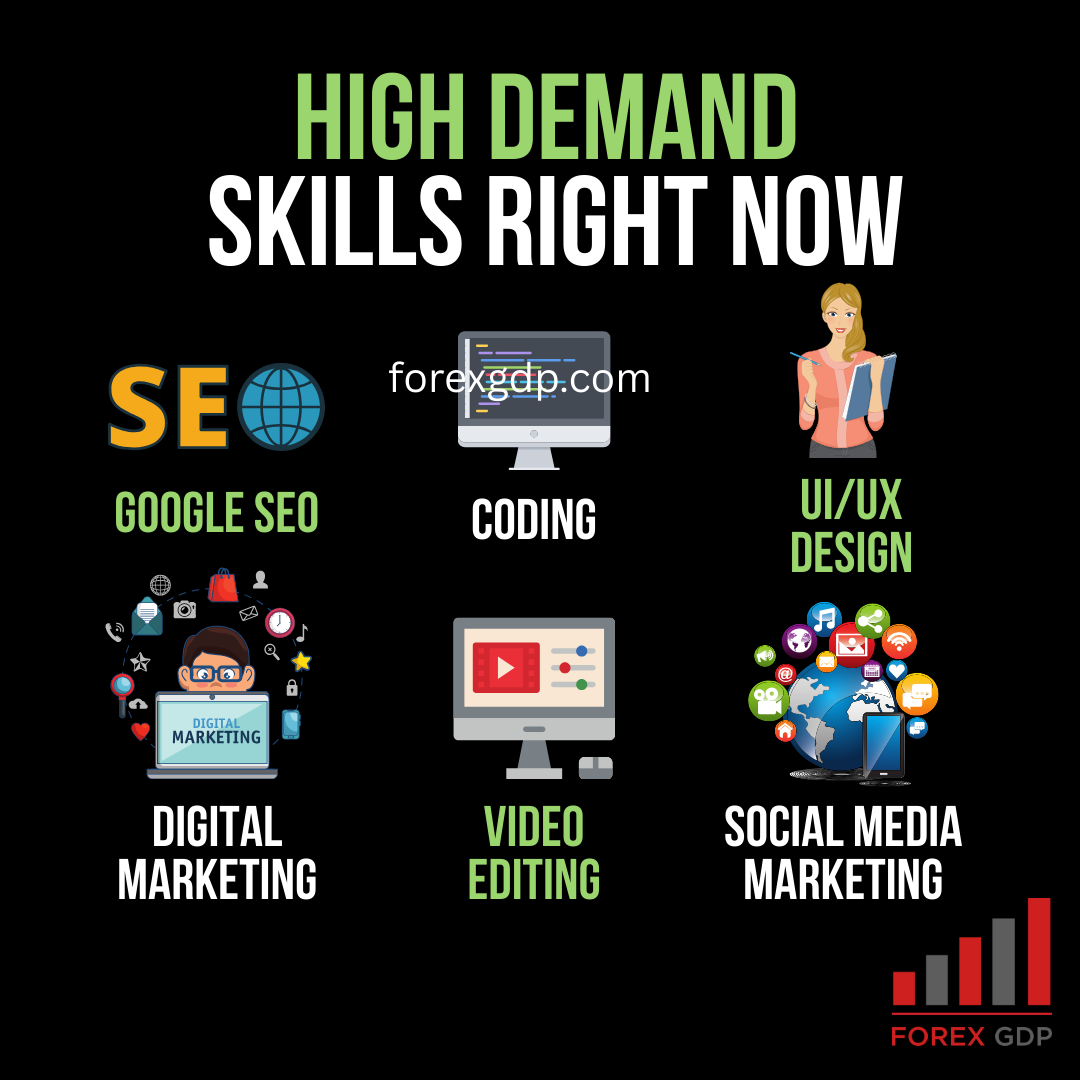
High-demand skills aren’t about chasing trends or quick money. They’re about aligning your abilities with what the world actually needs. Skills like SEO, coding, UI/UX design, digital marketing, video editing, and social media marketing thrive because they solve real problems. They help businesses grow, connect, and survive.
The market doesn’t care about titles or intentions. It cares about results. Learning a high-demand skill is less about reinventing yourself and more about upgrading your value. Start where you are, learn steadily, and adapt often. The future isn’t waiting for permission, and neither should you.
Frequently Asked Questions
1.Which high-demand skill is the fastest to learn?
SEO and video editing often feel more accessible early on, especially for beginners who enjoy creativity and analysis.
2.Do I need a degree to learn these skills?
No. Most of these skills value proof of ability over formal education.
3.Can one skill really change my career?
Yes, especially if you commit fully and keep improving over time.
4.Are these skills future-proof?
No skill is permanent, but adaptability makes them last much longer.
5.Is it too late to start learning now?
It’s only too late if you decide not to start at all.