

Why the 9–5 Isn’t the Enemy
The paycheck everyone loves to hate
Most people talk about their 9–5 like it’s a villain in a bad movie. It steals time, drains energy, and leaves you staring at the clock like it owes you money. And honestly, some days it really does suck. Long meetings that go nowhere. Emails that could’ve been one sentence. Commutes that feel longer than your lunch break.
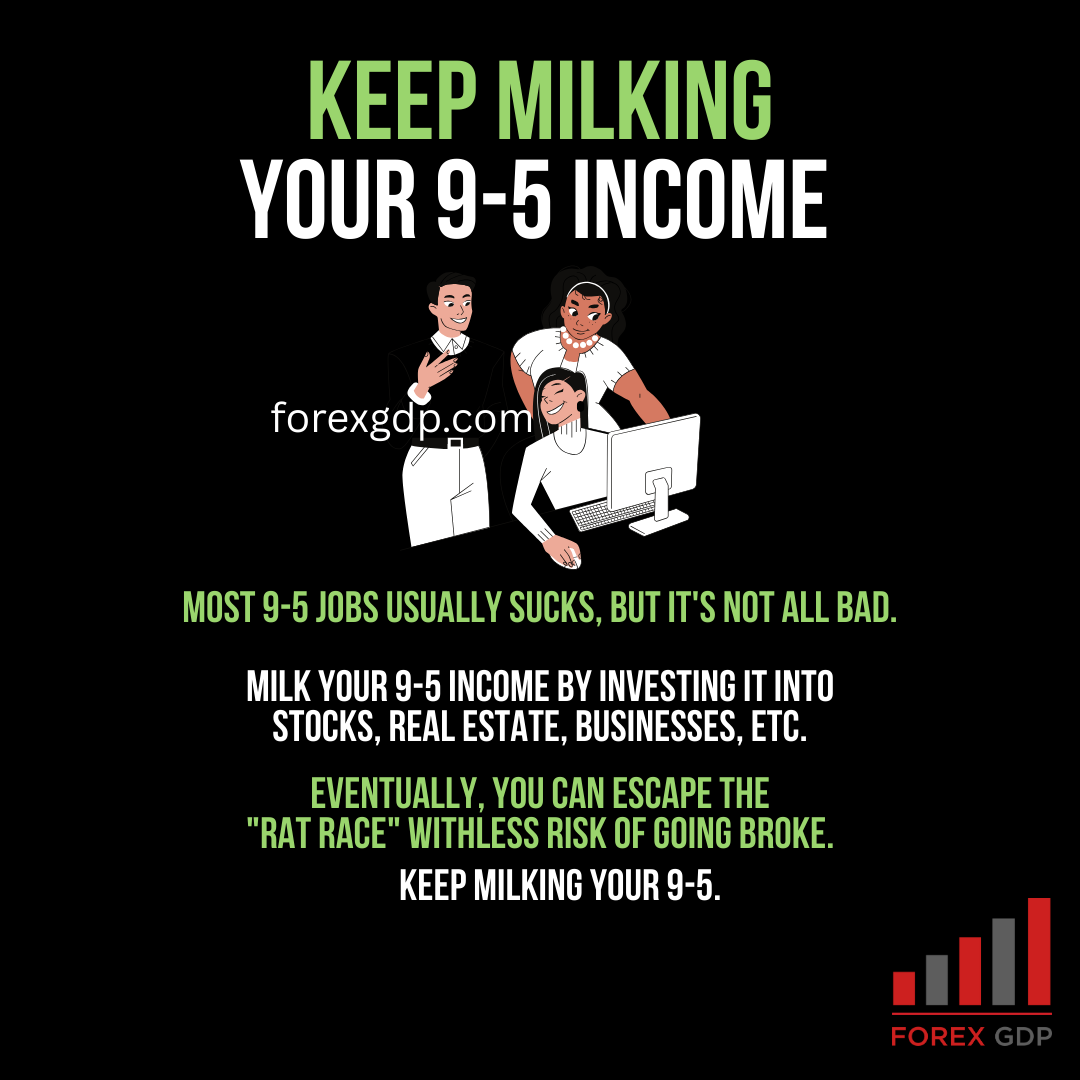
But here’s the uncomfortable truth nobody likes to admit out loud. That boring paycheck is also the most reliable investor you’ll ever have. It shows up on schedule. It doesn’t panic during market dips. It doesn’t ghost you when things get tough. Treating it like the enemy is like yelling at the cow while drinking the milk.
Stability is underrated until you lose it
Ask anyone who’s ever had inconsistent income how much they miss predictability. Stability isn’t sexy, but it’s powerful. A steady job gives you something most people chasing “freedom” don’t have early on: breathing room. That breathing room lets you think long-term instead of scrambling just to survive.
The 9–5 isn’t a cage unless you make it one. Used wisely, it becomes a launchpad. Not forever. Just long enough to fund your escape without blowing yourself up financially.
The myth of quitting fast
Social media loves overnight success stories. Quit your job. Follow your passion. Figure it out later. It sounds bold, rebellious, almost heroic. What they don’t show you are the sleepless nights, maxed-out credit cards, and quiet panic attacks when bills keep showing up.
Quitting fast doesn’t make you brave. Sometimes it just makes you broke. Keeping your job while building something on the side isn’t cowardly. It’s strategic.
Why slow money often wins
Fast money gets attention, but slow money builds empires. Compounding doesn’t care about hype. It rewards patience, consistency, and time. A steady income invested thoughtfully can quietly outperform reckless leaps fueled by ego.
Think of it like cooking. You can blast the heat and burn the meal, or let it simmer and actually taste something good at the end.
Milking Your Income Without Burning Out
Changing how you see your salary
The moment your paycheck stops being spending money and starts becoming seed money, everything shifts. You stop asking, “What can I buy?” and start asking, “What can this build?” That mental flip is small but powerful.
Your job becomes less emotional when you see it as a tool. Bad days still exist, but they sting less when you know each deposit is quietly buying you options.
Letting money work harder than you do
You already trade time for money at work. The real magic happens when money starts working for you while you’re busy doing something else. Not in a flashy, lottery-ticket way, but in a steady, boring, almost invisible way.
This is where investing comes in. Stocks, real estate, businesses, and similar vehicles aren’t about quick wins. They’re about building systems that don’t demand your presence every second.
Consistency beats motivation

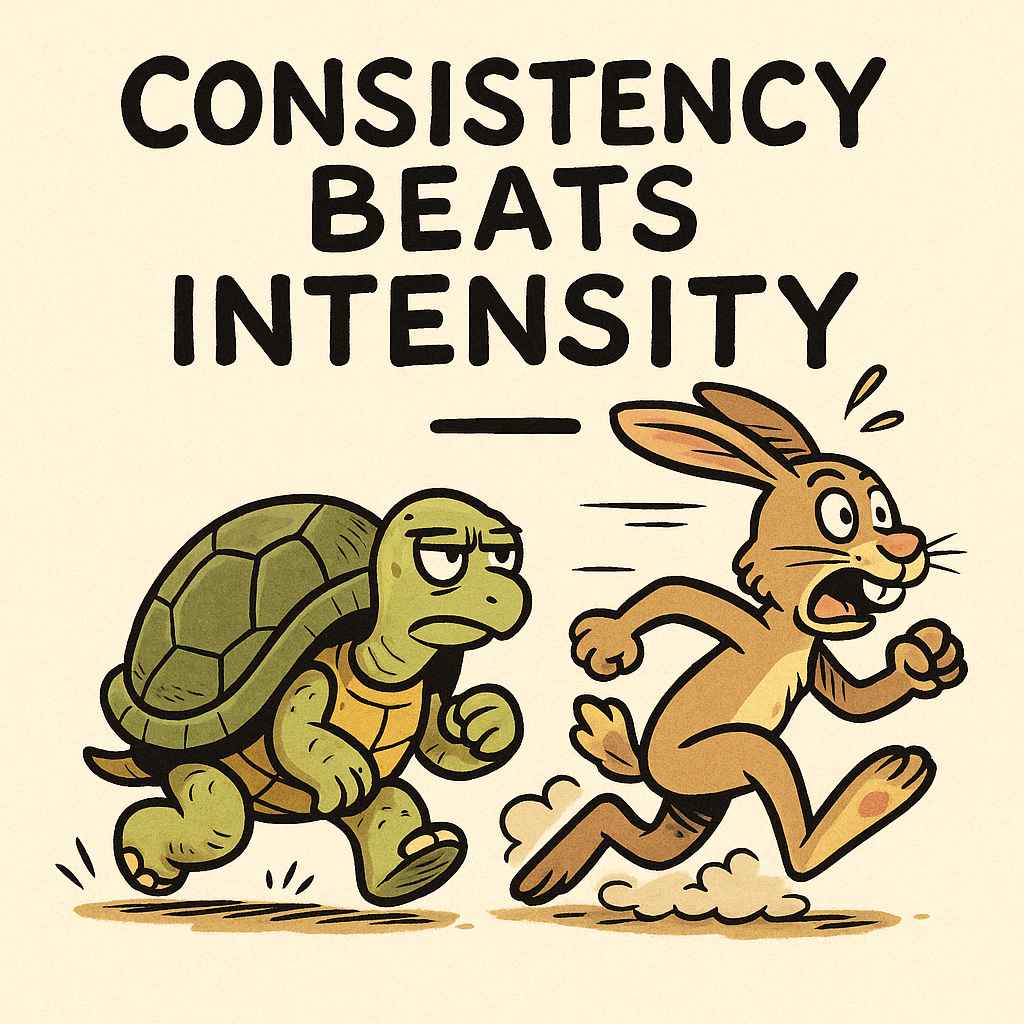
Motivation is unreliable. It shows up late and leaves early. Consistency is what actually changes outcomes. Investing small amounts regularly from a 9–5 income might feel insignificant at first, but time has a way of turning small habits into massive results.
You don’t need to feel inspired every payday. You just need to follow through.
Avoiding the lifestyle creep trap
The raise hits, and suddenly your expenses rise with it. Better car. Nicer apartment. More subscriptions than you remember signing up for. Lifestyle creep is sneaky because it feels deserved.
But every dollar locked into a higher lifestyle is a dollar that can’t buy freedom later. Milking your income means resisting the urge to upgrade everything just because you can.
Escaping the Rat Race Without Going Broke
What the “rat race” really means
The rat race isn’t just working a job. It’s working with no exit plan. It’s spending every dollar you earn and needing the next paycheck just to stay afloat. That’s what keeps people running in circles.
Escaping doesn’t mean never working again. It means reaching a point where work is optional, not mandatory for survival.
Building exits, not fantasies
Fantasies are fun. Exit plans are practical. An exit plan doesn’t rely on one big win. It’s built from multiple streams that slowly reduce your dependence on a single employer.
This approach isn’t flashy, but it’s resilient. When one thing stumbles, everything doesn’t collapse.
Why patience lowers risk
Risk feels exciting until it goes wrong. Patience, on the other hand, quietly lowers your exposure to disaster. Building wealth while keeping your job spreads risk across time and income sources.
You’re not betting the farm. You’re buying it piece by piece.
Freedom is quieter than advertised
Real financial freedom doesn’t come with fireworks. It shows up as calm. Less stress. Fewer desperate decisions. The ability to walk away from bad situations because you’re not trapped.
It’s not loud. It’s peaceful.
Investing While Keeping Your Day Job


Stocks as silent partners
Stocks don’t call you. They don’t schedule meetings. They don’t care if you’re having a bad day. That’s their beauty. When used wisely, they become silent partners in your financial life.
They’re not about day trading adrenaline or bragging rights. They’re about ownership and participation in long-term growth.
Real estate without the glamour
Real estate gets hyped as passive income, but it’s rarely truly passive. Still, it offers something powerful: leverage and tangible value. When funded by a steady paycheck, real estate investments can grow without stretching you too thin.
It’s not about becoming a landlord overnight. It’s about controlled exposure over time.
Businesses that don’t consume you
Not all businesses require you to quit your job. Some grow quietly in the background. Small, boring businesses often outperform flashy startups because they solve simple problems consistently.
When paired with a 9–5 income, these ventures don’t have to succeed fast. They just have to survive and improve.
Diversification as self-defense
Putting all your hopes into one investment is stressful. Diversification spreads pressure. It allows you to sleep at night knowing one bad year won’t wipe you out.
Think of it as financial self-defense rather than greed.
The Emotional Side of Staying Employed
Ego vs. security
There’s an ego boost in saying you “don’t work a 9–5.” Society romanticizes entrepreneurship and hustle culture. But ego doesn’t pay bills. Security does.
Choosing to stay employed while building wealth isn’t weakness. It’s maturity.
Reducing financial anxiety
Money stress affects everything. Relationships. Health. Sleep. A steady income acts like an emotional stabilizer. It lowers anxiety and creates space for better decisions.

When you’re not panicking about rent, you make smarter moves.
Time as your greatest asset
Your job buys you time. Time to learn. Time to invest. Time to recover from mistakes. Rushing usually comes from fear, not strategy.
Let time do some of the heavy lifting.
Choosing boredom over chaos
Chaos looks exciting from the outside. Living inside it is exhausting. There’s value in boring routines that quietly build momentum.
Sometimes the smartest move is the least exciting one.
Redefining Success on Your Own Terms
Success isn’t quitting, it’s control
Success isn’t measured by how fast you quit your job. It’s measured by how much control you have over your time and choices. Control comes from leverage, not rebellion.
A job you can leave at any time feels very different from one you’re trapped in.
Progress that compounds
Small wins stack. A little invested here. A small income stream there. Over time, those pieces start supporting each other.
It doesn’t feel dramatic day to day, but looking back, the change is undeniable.
Letting go of comparison
Someone will always be ahead of you online. Richer. Younger. Louder. Comparison steals focus and breeds impatience.
Your path doesn’t need an audience to work.
Winning quietly


The best kind of win doesn’t announce itself. It shows up when you realize you’re no longer stressed about things that used to keep you up at night.
Quiet wins last longer.
Final Summary: Keep Milking the Cow
Your 9–5 income isn’t a curse unless you treat it like one. It’s a resource, a tool, a steady stream of fuel that can fund investments, buy time, and reduce risk while you build something better. Quitting fast sounds exciting, but staying smart is what actually leads to freedom.
Milking your paycheck doesn’t mean settling. It means using what you have right now to create options later. Stocks, real estate, businesses, and other investments don’t need desperation to work. They need consistency, patience, and a clear head. Keep milking your 9–5. Let it work for you until one day, you don’t need it anymore.
FAQs
1.Is it wrong to want more than a 9–5 job?
Not at all. Wanting more is natural. The mistake is thinking you have to burn everything down to get it.
2.Can investing really work with a regular salary?
Yes. In fact, a steady income often makes investing less stressful and more sustainable over time.
3.How long should someone keep their 9–5?
As long as it serves a purpose. The goal isn’t loyalty to a job, but loyalty to your long-term freedom.
4.Is escaping the rat race realistic for average people?
It’s more realistic than chasing overnight success. Slow, steady progress works for normal incomes too.
5.What’s the biggest mistake people make with their paycheck?
Spending all of it and assuming freedom will magically show up later.