

Anger is strange. It shows up uninvited, talks louder than it should, and often leaves a mess behind. One moment you’re fine, the next your chest is tight, your jaw is clenched, and your thoughts are sprinting toward regret. Everyone gets angry, but not everyone knows what to do with it. And pretending it doesn’t exist? That usually makes it worse.
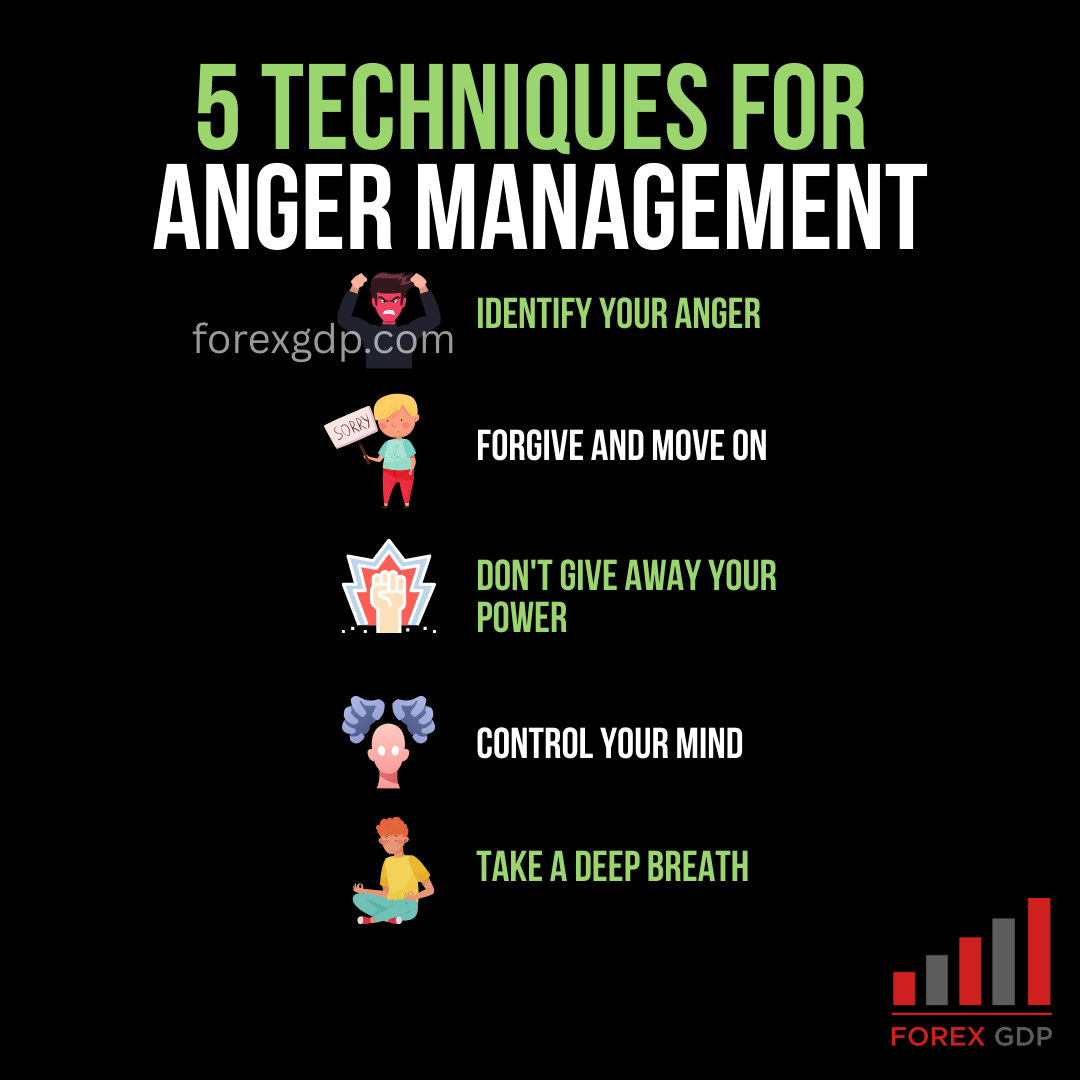
Anger management isn’t about becoming soft, silent, or emotionless. It’s about learning how to stand in the fire without burning everything around you. The ideas in this article are grounded in simple human experiences, not fluffy theory. They come down to five core techniques that can change how anger shows up in your life, how long it stays, and how much power it gets over you.
Understanding Anger Before It Controls You
Why Anger Isn’t the Enemy
Anger gets a bad reputation, but it’s not the villain people make it out to be. At its core, anger is a signal. It shows up when something feels unfair, threatening, or deeply frustrating. In that sense, anger is trying to protect you, even if it does a terrible job of expressing itself.
The problem starts when anger takes the steering wheel. When it speaks for you, decides for you, and acts faster than your values can keep up. That’s when relationships crack, opportunities slip away, and guilt creeps in afterward. Anger itself isn’t wrong. Losing awareness while angry is where things fall apart.
How Unchecked Anger Shapes Your Life
Anger that goes unmanaged doesn’t stay in one place. It leaks. It seeps into conversations, work decisions, family moments, and even quiet time alone. Over time, it can shape your personality in ways you don’t notice until someone points it out or distances themselves.
Unchecked anger also drains energy. It’s exhausting to be on edge all the time, replaying arguments in your head or waiting for the next trigger. Learning to manage anger isn’t about pleasing others. It’s about reclaiming your own peace and mental space.
Identify Your Anger Before It Explodes
Recognizing Emotional Triggers
Anger rarely comes out of nowhere. There’s usually a spark, something small that lights the fuse. It could be disrespect, feeling ignored, financial stress, or even exhaustion disguised as irritation. When you start noticing what sets you off, anger loses its element of surprise.
Triggers are personal. What enrages one person barely registers for another. That’s why paying attention to your patterns matters. The more familiar you become with your triggers, the less control they have over your reactions.
Listening to Your Body’s Warning Signs
Your body knows you’re angry before your mind admits it. The tight shoulders, the fast heartbeat, the shallow breathing, the heat rising in your face. These are early warning signs, not inconveniences to ignore.
Learning to pause when these signals appear is powerful. That pause, even if it’s only a few seconds, creates space between feeling and action. And in that space, you get a choice instead of an impulse.
The Power of Self-Awareness
Self-awareness isn’t about overanalyzing every emotion. It’s about honesty. It’s noticing when you’re irritated and admitting it to yourself without judgment. That awareness softens anger’s grip before it hardens into something destructive.
When you’re self-aware, anger becomes information instead of ammunition. You start asking better questions, like why this situation feels personal or what boundary feels crossed.
Separating Feelings From Actions
Feeling angry doesn’t force you to act angrily. That separation is crucial. You can acknowledge the emotion without letting it dictate your behavior. This mindset alone can save relationships and reputations.
The more you practice separating feeling from action, the less guilt you carry afterward. You stop apologizing for things you didn’t mean and start responding in ways you can stand by.
Forgive and Move On Without Forgetting Yourself

Why Holding Grudges Fuels Anger
Grudges are heavy. They sit in the background, quietly feeding anger long after the moment has passed. Holding onto resentment feels like control, but it’s really a slow burn that keeps reopening old wounds.
Forgiveness doesn’t mean pretending nothing happened. It means deciding that your peace matters more than replaying the offense. Letting go isn’t weakness. It’s self-respect.
Letting Go Without Excusing Harm
Forgiving someone doesn’t erase accountability. You can forgive and still set boundaries. You can release anger without reopening doors that shouldn’t be reopened. Forgiveness is about freeing yourself, not rewriting history.
When you forgive, you’re choosing not to let someone else’s actions dictate your emotional state indefinitely. That choice is deeply empowering.
Forgiveness as Self-Protection
Forgiveness often gets framed as a gift to others, but it’s really armor for yourself. It protects your mental health from constant agitation and emotional recycling.
Anger feeds on memory. Forgiveness weakens that cycle by loosening the emotional charge attached to past events.
Releasing the Need to Win
Sometimes anger sticks around because part of you wants validation, an apology, or justice. While those things matter, waiting for them can trap you in emotional limbo.
Releasing the need to “win” an old conflict allows you to move forward. Peace doesn’t always come from resolution. Sometimes it comes from acceptance.
Don’t Give Away Your Power to Anger
How External Events Hijack Emotions
It’s easy to let other people’s words or actions control how you feel. A rude comment, a delayed response, a broken promise. When your mood depends entirely on external behavior, your power is constantly up for grabs.
Anger thrives when you feel powerless. Taking responsibility for your emotional responses doesn’t excuse bad behavior, but it puts control back where it belongs.
Reclaiming Control Over Reactions
You can’t control everything that happens, but you can control how deeply it affects you. That realization is uncomfortable at first, but also liberating. It shifts focus from blame to choice.
When you stop handing over your emotional power, anger loses its authority. It becomes something you experience, not something that runs you.
Choosing Responses Instead of Reactions
Reactions are fast and emotional. Responses are intentional and aligned with your values. Anger pushes for reactions. Awareness creates responses.
Pausing before speaking, even briefly, can completely change the outcome of a tense moment. That pause is where control lives.
Building Emotional Independence
Emotional independence doesn’t mean isolation. It means your inner state isn’t constantly at the mercy of other people’s moods or mistakes.
The more emotionally independent you become, the calmer and more grounded you feel, even in challenging environments.
Control Your Mind When Thoughts Turn Hostile
The Inner Dialogue That Feeds Anger
Anger isn’t just emotional; it’s cognitive. The stories you tell yourself during conflict matter. Thoughts like “this always happens” or “they did this on purpose” pour fuel on the fire.
Challenging these narratives doesn’t mean denying your feelings. It means questioning whether your thoughts are helping or hurting you in the moment.
Redirecting Mental Energy
Your mind has momentum. Once it starts spiraling, it builds speed. Redirecting that energy takes intention, but it’s possible.
Shifting focus doesn’t mean suppressing anger. It means choosing not to obsess over it. Even small mental shifts can reduce intensity.
Breaking Negative Thought Loops
Anger loves repetition. The same argument replayed again and again, each time getting sharper. Recognizing this loop is the first step to breaking it.
When you catch yourself replaying events, gently interrupt the cycle. Change environments, shift attention, or remind yourself that rehashing won’t change the past.
Practicing Mental Discipline

Mental discipline isn’t rigid control. It’s gentle redirection. Like guiding a restless child, not scolding them.
Over time, this practice builds resilience. Anger still shows up, but it doesn’t linger as long or dig as deep.
Take a Deep Breath and Slow the Storm
Why Breathing Changes Everything
Breathing is often overlooked because it feels too simple. But it directly affects your nervous system. When you’re angry, breathing becomes shallow and fast, signaling danger to your body.
Deep, intentional breathing sends the opposite message. It tells your body that it’s safe to slow down, even if your thoughts are still racing.
Creating Space Between Anger and Action
A few deep breaths can create just enough distance to prevent regret. That space matters. It’s where clarity returns and impulsivity fades.
Breathing isn’t about eliminating anger. It’s about grounding yourself so anger doesn’t push you into actions you’ll later wish you’d avoided.
Using Breath as an Anchor
Breath gives you something tangible to focus on when emotions feel overwhelming. It anchors you in the present moment instead of letting your mind spiral into past or future conflicts.
This grounding effect can be subtle, but over time it becomes a reliable tool you can access anywhere.
Calming the Nervous System Naturally

Your body isn’t designed to stay in a constant state of alert. Deep breathing helps reset your system, reducing tension and restoring balance.
When practiced consistently, breathing becomes a reflexive response to anger, not an afterthought.
A Final Reflection on Managing Anger
Anger management isn’t about perfection. You will still get angry. You will still slip up. The goal isn’t to eliminate anger, but to understand it, work with it, and stop letting it run your life.
By identifying your anger, forgiving where possible, reclaiming your power, controlling your thoughts, and grounding yourself through breath, you create a healthier relationship with this intense emotion. Over time, anger becomes less explosive and more informative. And that shift changes everything.
FAQs
1.Is anger always a bad emotion?
No. Anger is a natural response to perceived injustice or threat. It becomes harmful only when it’s expressed destructively or ignored entirely.
2.How long does it take to improve anger management?
It varies. Small changes can happen quickly, but lasting improvement comes with consistent awareness and practice over time.
3.Can suppressing anger cause problems?
Yes. Suppressed anger often resurfaces as stress, resentment, or physical tension. Acknowledging anger is healthier than burying it.
4.What if other people trigger my anger constantly?
While you can’t control others, you can control how much power their behavior has over your emotional state.
5.Does managing anger mean becoming passive?
Not at all. Healthy anger management allows you to assert boundaries and express yourself clearly without losing control.