

The Mind Is a Garden, Not a Machine
The human mind isn’t a cold processor that simply reacts to inputs and spits out results. It’s more like a living garden. Whatever you plant, whatever you water, whatever you expose it to day after day eventually grows roots. Ignore it, and weeds take over. Feed it garbage, and it starts producing garbage. Feed it well, and suddenly life feels a little more breathable, a little more hopeful.
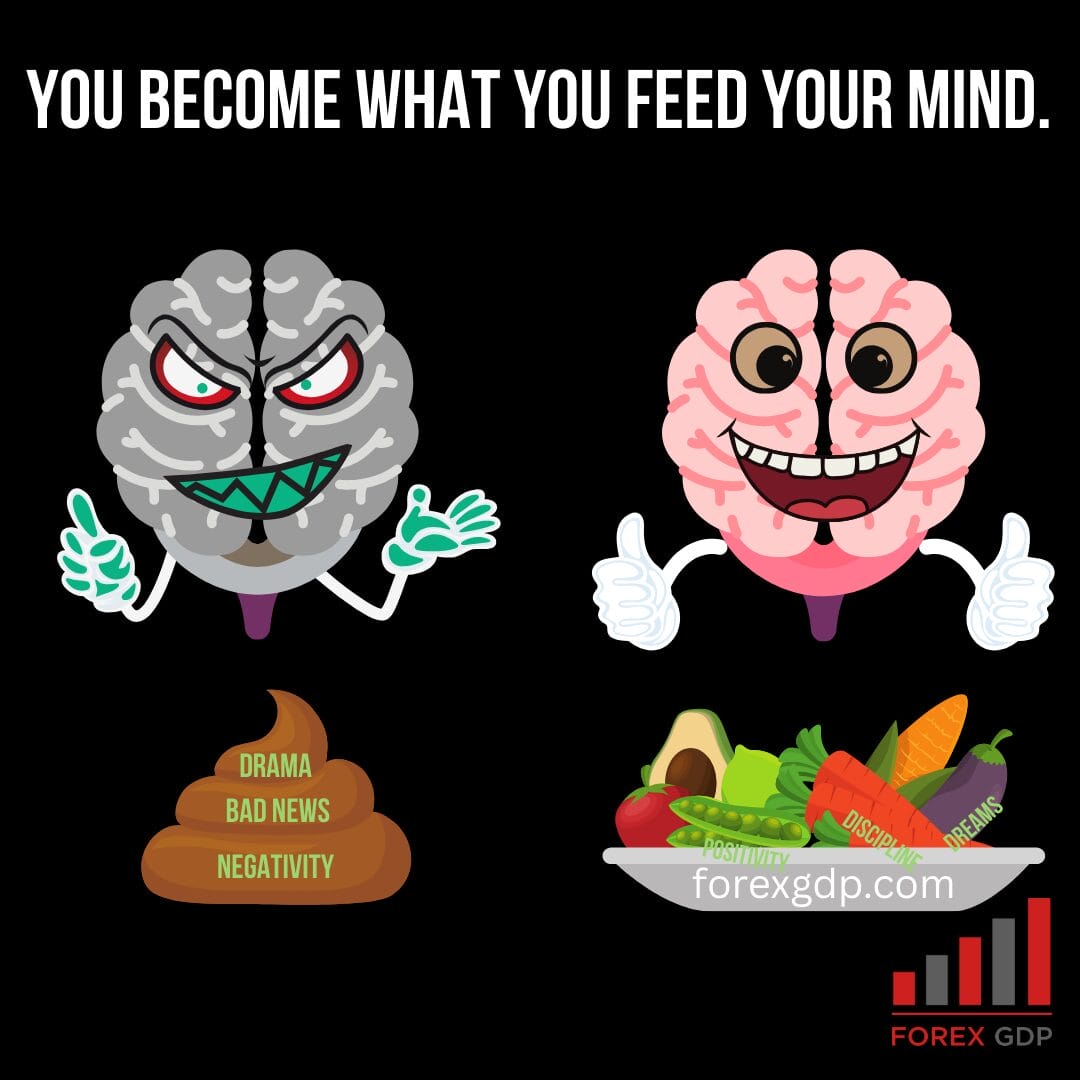
Look around at how people consume information today. Endless bad news. Drama dressed up as entertainment. Outrage served hot every morning. Then we wonder why anxiety feels normal and optimism feels naive. The image you saw captures this perfectly: one brain thriving on negativity, the other nourished by discipline, positivity, and dreams. It’s not symbolism for art’s sake. It’s a mirror.
Your Thoughts Are Not Innocent Passengers
Thoughts don’t just sit quietly in the back of your head. They steer. They influence how you speak, how you react, and how you see the world. A mind fed with fear and drama starts scanning for threats even where none exist. Over time, this mental diet becomes a personality.
What’s uncomfortable is realizing that no one else is responsible for this inner menu. Not the news. Not social media. Not the economy. They offer the buffet, but you choose what goes on your plate. That choice, repeated daily, shapes your emotional posture toward life.
Negativity Is Loud Because It’s Easy
Negativity doesn’t knock politely. It kicks the door in. Bad news spreads faster because it triggers survival instincts. Drama feels addictive because it demands attention without effort. A mind fed on this stuff doesn’t need discipline; it runs on impulse.
Over time, this constant intake dulls sensitivity. You stop noticing small wins. Gratitude feels forced. Cynicism starts sounding like intelligence. That angry-looking brain in the image isn’t born that way. It’s built meal by meal.
The Comfort of Complaining
Complaining feels good in the moment. It creates the illusion of control without requiring change. A mind that feeds on complaint starts bonding with its own misery. Problems become identity markers rather than challenges to solve.
This is where things get dangerous. When negativity becomes familiar, peace starts feeling boring. Silence feels uncomfortable. The mind seeks chaos just to feel alive, even if that chaos quietly drains it.
Mental Diets Shape Emotional Reflexes
What you repeatedly consume mentally becomes your default reaction. Feed your mind fear, and fear becomes your reflex. Feed it discipline, and discipline starts showing up even when motivation disappears. These reflexes matter more than occasional bursts of inspiration.

The image’s contrast is sharp for a reason. One brain is reactive, suspicious, tense. The other is expressive, open, and confident. Same structure, different fuel. That’s not philosophy. That’s habit.
Stress Is Often Self-Cooked
Life has enough unavoidable stress. Yet many people marinate their minds in additional pressure through constant exposure to negativity. The body doesn’t know the difference between real danger and imagined threat. Cortisol flows either way.
When stress becomes chronic, clarity suffers. Decision-making weakens. Patience shrinks. And the cruel irony is that most of this stress comes from information we voluntarily consume.
Emotional Patterns Don’t Change by Accident
No one wakes up one day magically calm and focused. Emotional patterns shift when mental inputs shift. Slowly at first, then suddenly. A better mental diet doesn’t eliminate problems, but it changes how heavy they feel.
That smiling brain isn’t pretending everything is perfect. It’s trained to respond instead of react. That difference alone can change a life’s trajectory.
You Are Always Feeding Something
Every scroll, every conversation, every thought loop is feeding something inside you. Either you’re strengthening fear and distraction, or you’re reinforcing clarity and purpose. Neutral doesn’t really exist. The mind is always digesting.
The image shows food under each brain for a reason. One side is fed drama, bad news, and negativity. The other is fed positivity, discipline, and dreams. These aren’t abstract ideas. They’re daily consumables.
Information Is Emotional Nutrition
Just like junk food, low-quality information tastes good at first and feels terrible later. It spikes emotion without offering nourishment. High-quality mental input, on the other hand, may require more effort to digest, but it builds resilience.
This doesn’t mean ignoring reality or pretending everything is fine. It means choosing information that empowers rather than paralyzes. Awareness without obsession. Knowledge without despair.
The News Isn’t Designed for Your Well-Being
News outlets survive on attention, not mental health. Fear keeps people watching. Outrage keeps people clicking. A mind constantly plugged into this stream starts believing the world is collapsing faster than it actually is.
That belief shapes behavior. People hesitate. They hoard. They distrust. All because their mental diet convinces them danger is everywhere, all the time.
Social Media Amplifies Mental Junk Food

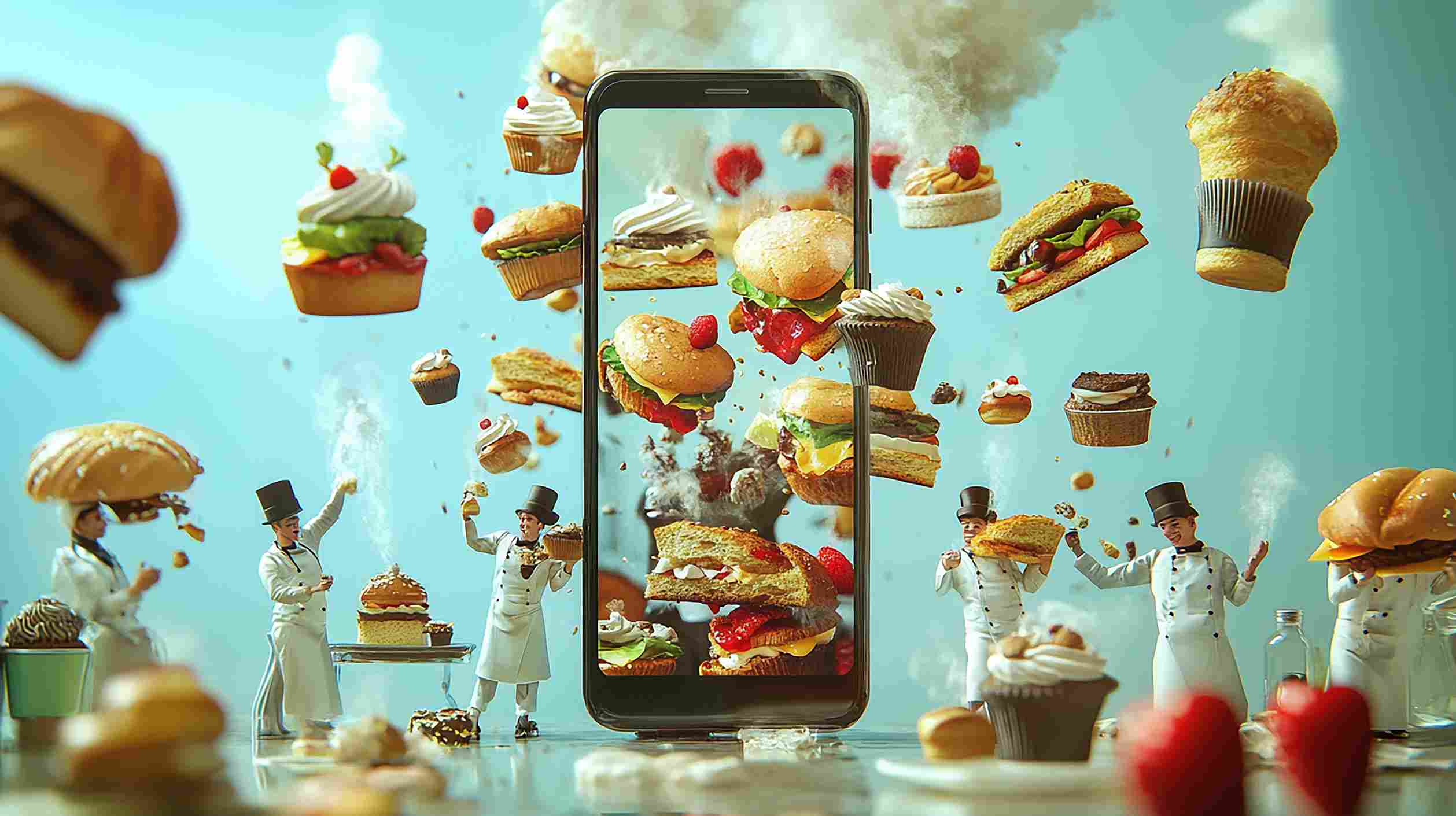
Social platforms reward extremes. Calm doesn’t go viral. Nuance doesn’t trend. A mind fed by this ecosystem starts craving stimulation instead of substance.
Over time, attention span shrinks. Comparison grows. And the mind forgets how to sit quietly with its own thoughts without reaching for another hit of noise.
Discipline Is a Form of Self-Respect
The smiling brain in the image isn’t happy by accident. It’s disciplined. Discipline isn’t punishment; it’s protection. It’s choosing long-term clarity over short-term emotional sugar.
A disciplined mental diet doesn’t mean rigidity. It means boundaries. It means knowing when to step back, when to unplug, and when to say no to mental clutter.
Dreams Need Mental Space to Grow
Dreams are fragile. They don’t thrive in a mind crowded with negativity. Constant doubt, sarcasm, and fear suffocate imagination before it can mature.
When the mind is fed with possibility instead of pessimism, ideas feel safer to explore. Creativity flows more freely. The future stops feeling like a threat and starts feeling like a canvas.
Positivity Is Not Naivety
Positivity gets a bad reputation, as if it means ignoring reality. Real positivity is grounded. It acknowledges difficulty without surrendering to it.
A mind fed with grounded optimism doesn’t deny problems. It simply refuses to let problems become its entire identity.
Your Mind Affects Your Money, Health, and Relationships
Mental diet isn’t just about feeling good. It shows up in tangible outcomes. Your financial decisions, your physical health, and your relationships all reflect what’s happening upstairs.
The presence of “Forex GDP” in the image isn’t random. Trading, investing, and decision-making demand emotional control. A chaotic mind makes expensive mistakes.
Fear-Based Thinking Is Costly


Fear clouds judgment. In markets, fear leads to panic decisions. In life, it leads to missed opportunities. A mind trained on negativity hesitates when it should act and acts impulsively when it should wait.
Confidence doesn’t come from knowing everything. It comes from trusting your process. That trust is built by feeding your mind discipline and patience, not noise.
Impulse Is the Enemy of Growth
Impulse feels urgent. It demands immediate action. A mind fed on drama reacts quickly but poorly. Whether it’s trading, spending, or relationships, impulse creates regret.
A calmer mind creates space between stimulus and response. In that space, better choices live.
Consistency Beats Intensity
Short bursts of motivation don’t outperform steady discipline. A mind nourished daily with constructive input stays consistent even when enthusiasm fades.
That consistency compounds. Small good decisions stack quietly until one day the results look impressive from the outside.
Your Inner World Leaks Outward
People feel your mental state before they understand it. Negativity shows up in tone, posture, and patience. Positivity shows up the same way. Relationships either strengthen or strain based on what you bring into the room mentally.
A well-fed mind listens better. It reacts less defensively. It creates emotional safety for others.
Health Is Not Just Physical
Chronic negativity taxes the nervous system. Sleep suffers. Immunity weakens. The body carries what the mind refuses to release.
Feeding your mind better doesn’t replace exercise or nutrition, but it supports them. Stress lowers when mental inputs improve, and the body responds accordingly.
Self-Talk Becomes Self-Fulfilling
The voice inside your head is shaped by what you consume. Feed it constant criticism and fear, and it becomes harsh. Feed it encouragement and perspective, and it becomes supportive.
That voice influences how you recover from failure and how boldly you pursue success.
A Quiet Shift Changes Everything


No dramatic overhaul is required. No overnight transformation. The most powerful changes begin quietly. One less dose of negativity. One more dose of intention.
The image doesn’t suggest perfection. It suggests awareness. Awareness of what you’re feeding your mind and what that diet is producing in your life.
Choosing Better Inputs Is an Act of Rebellion
In a world addicted to outrage, choosing calm is rebellious. In a culture obsessed with drama, choosing focus is radical. These choices won’t always be popular, but they will be powerful.
You don’t owe constant access to your attention. Protecting your mental space is not selfish. It’s strategic.
Silence Is Underrated
Silence allows thoughts to settle. It exposes mental clutter that constant noise hides. A mind comfortable with silence is less reactive and more intentional.
Silence isn’t emptiness. It’s fertile ground.
You Can Change the Menu Today
There’s no waiting period. No perfect moment. You can decide right now what deserves space in your mind. That decision, repeated, becomes identity.
The brain you feed today is the brain you wake up with tomorrow.
Final Thoughts: What Are You Feeding Yourself?
Every day, your mind is being shaped. Not by grand events, but by small, repeated choices. The content you consume, the conversations you entertain, the thoughts you replay. These are the ingredients of your inner world.
The image tells a simple truth without sugarcoating it. Feed your mind junk, and it will behave accordingly. Feed it discipline, positivity, and purpose, and it will start working for you instead of against you. The choice isn’t dramatic. It’s daily.
FAQs
1.Why does negativity feel more addictive than positivity?
Negativity triggers survival instincts and emotional spikes, which grab attention quickly. Positivity often requires patience and presence, making it quieter but more sustainable.
2.Can I still stay informed without harming my mental health?
Yes. Staying informed doesn’t require constant exposure. Intentional, limited consumption keeps awareness without overwhelm.
3.Is positivity the same as ignoring problems?
No. Healthy positivity acknowledges challenges while refusing to be consumed by them.
4.How long does it take to notice changes from a better mental diet?
Small shifts can be felt within days, but deeper changes emerge over weeks as new habits settle in.
5.Does mental discipline really affect financial decisions?
Absolutely. Emotional control improves patience, reduces impulse, and supports consistent decision-making, especially in high-stress environments like trading.