

Ever feel like your energy leaks out of you like a phone battery stuck at 12%… even when you swear you slept, ate something, and didn’t run a marathon?
Yeah. Same.
Most people assume low energy is just “normal adult life.” Work, stress, responsibilities, deadlines, traffic, noise, bills… the usual suspects. But the truth is, a lot of the exhaustion we carry isn’t coming from one big disaster. It’s coming from small daily habits that quietly chew through our mental and physical fuel like termites in a wooden house.
The scary part? You don’t always notice it happening.
You just wake up tired, drag yourself through the day, and crash at night… only to repeat it all again tomorrow. And somewhere in between, you start wondering: Is this it? Is this my new normal?
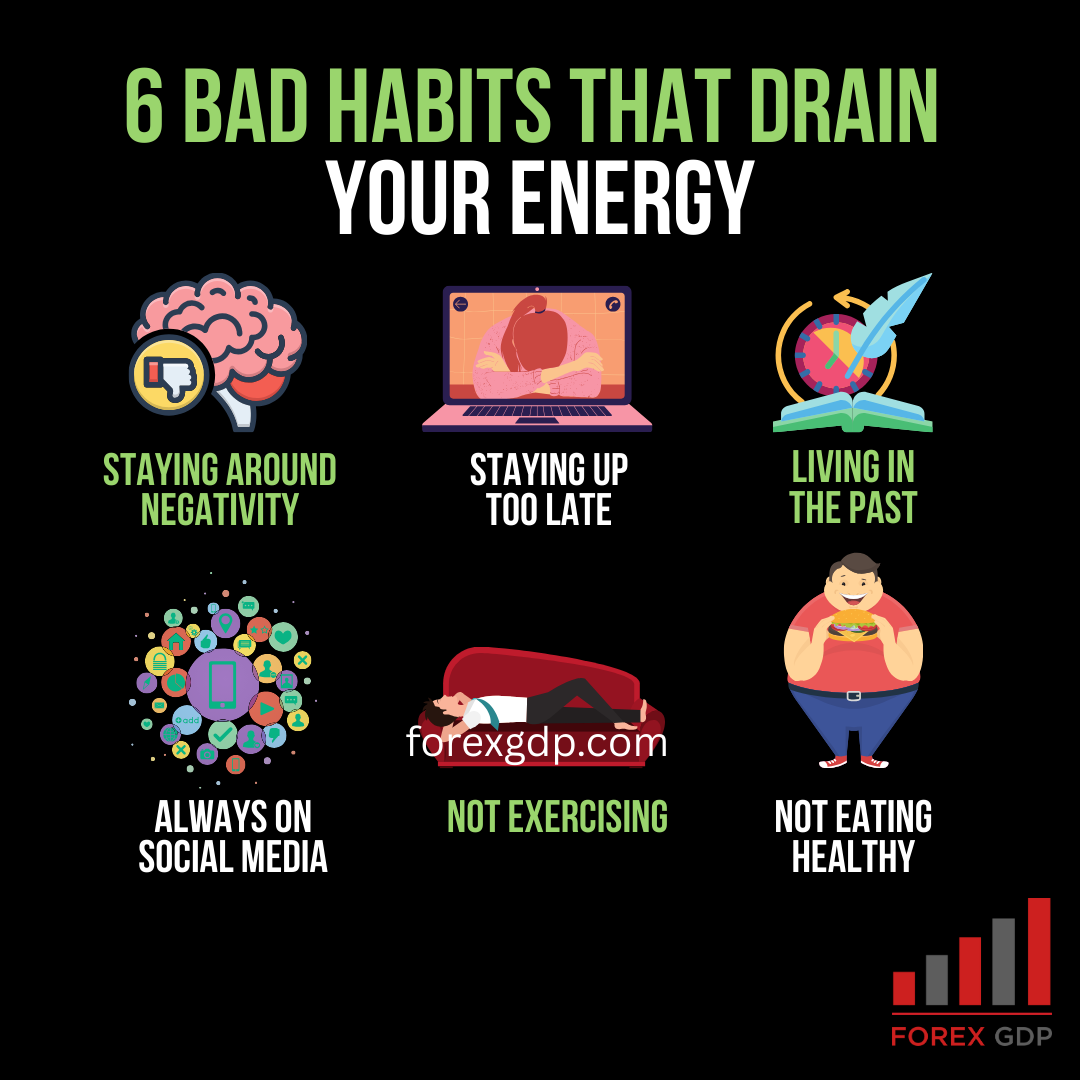
Let’s talk about six common habits that drain your energy—real ones, not fancy productivity trends. The kind that sneak into your routine, settle in like an unwanted roommate, and start eating your motivation straight out of the fridge.
If any of these sound like you, don’t worry. You’re not broken. You’re just bleeding energy in places you don’t expect.
Why Your Energy Feels Like It’s Always Running Out
Energy isn’t just physical. It’s emotional. Mental. Social. Even spiritual in a way—like the invisible “life force” that makes you feel excited to get up and do something.
When your energy is high, everything feels easier. You reply to messages faster. You handle stress better. You even look better. Your face has that “alive” vibe.
When your energy is low? Everything feels heavy. Even simple tasks start feeling like someone tied weights to your arms. You procrastinate, then feel guilty, then procrastinate harder. It’s a whole cycle.
Energy Isn’t One Tank—It’s Many Small Batteries
Think of your energy like a house powered by multiple generators. One is sleep. Another is food. Another is your mindset. Another is movement. Another is your environment. Another is your attention span.
When one generator fails, you can still survive. But when two or three fail together? That’s when you start feeling like you’re living on emergency power.
And the annoying part is this: you might be trying to “fix” the wrong generator. You drink coffee to fix sleep. You scroll social media to fix stress. You eat junk to fix sadness.
It’s like putting tape on a leaking pipe and calling it plumbing.
The “Invisible Drain” Problem
Some habits drain energy loudly—like staying up all night or skipping meals. You can feel the damage.
But some habits drain energy quietly. They don’t punch you in the face. They slowly pull you under the water until you’re wondering why breathing feels hard.
Negativity, regret, doom-scrolling, skipping exercise, eating poorly—these are the silent thieves. They don’t rob you once. They rob you daily.
Your Brain Is Always Paying a Price
Even when you’re sitting still, your brain is working. It’s processing emotions, remembering things, judging situations, comparing your life to others, worrying about tomorrow, replaying yesterday.
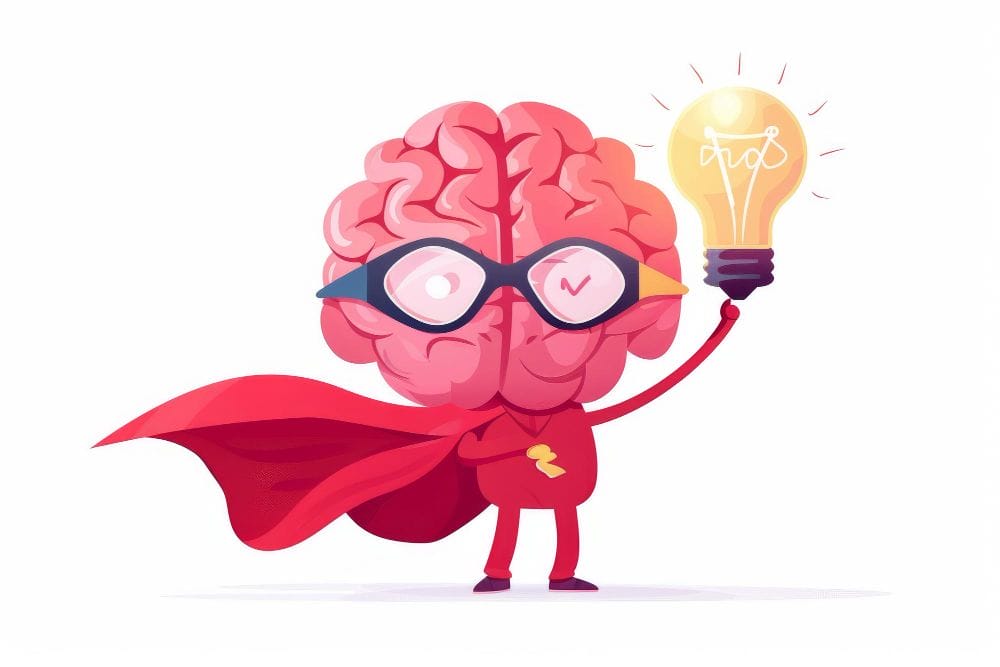
That mental noise costs energy. And if you’re feeding your brain the wrong “inputs,” it becomes like a machine overheating with no break.
You Don’t Need More Time—You Need Less Drain
Most people don’t actually need a more complicated routine. They need fewer energy leaks.
You don’t need to become a brand-new person overnight. You just need to stop doing the things that are quietly stealing your strength.
And yes, some of those things might feel “normal.” But normal doesn’t always mean healthy.
Bad Habit: Staying Around Negativity
Negativity is like secondhand smoke. Even if you’re not the one lighting the fire, you still end up coughing.
It’s exhausting to be around people who complain nonstop, criticize everything, or treat life like a permanent disaster movie. At first, you try to be supportive. You listen. You nod. You empathize.
Then one day you realize: you’ve been emotionally babysitting someone else’s storm, and now you’re soaked too.
How Negativity Sneaks Into Your Day
Negativity isn’t always loud yelling or dramatic fights. Sometimes it’s subtle.
It’s the coworker who constantly says, “This won’t work.”
It’s the friend who always has bad news.
It’s the family member who turns every conversation into a guilt trip.
It’s even your own inner voice whispering, “You’re not good enough.”
Negativity is sneaky because it often disguises itself as “realism.” But realism doesn’t mean expecting the worst. It means seeing things clearly—good and bad—without drowning in the bad.
And negativity? It’s like wearing sunglasses at night. Everything looks darker than it actually is.
The Emotional Hangover Effect
You know what’s strange? You can spend one hour with a negative person and feel tired for the next six.
That’s the emotional hangover. Your brain keeps replaying the vibe. The tension. The irritation. The heaviness.
You walk away feeling like someone drained your battery without asking permission.
Why You Feel Guilty for Creating Distance

A lot of people stay around negativity because they feel guilty leaving.
They think, If I don’t listen, I’m a bad friend.
Or, If I don’t tolerate it, I’m selfish.
Or, Maybe I’m overreacting.
But here’s the truth: protecting your energy isn’t cruelty. It’s survival.
You can care about someone and still refuse to drown with them.
How to Keep Your Energy Without Becoming Cold
You don’t have to become rude or heartless. You just need boundaries.
You can respond without absorbing.
You can listen without carrying.
You can support without sacrificing your peace.
Your energy is not an unlimited charity fund. Spend it wisely.
Bad Habit: Staying Up Too Late
Late nights feel like freedom, don’t they?
The world finally shuts up. No calls. No messages. No demands. Just you, your phone, maybe a snack, and the quiet.
It feels like the only time you truly belong to yourself.
But then morning shows up like a rude landlord, and you’re stuck paying rent for last night’s “me time.”
Revenge Bedtime Procrastination Is Real
A lot of people don’t stay up late because they’re busy.
They stay up late because they’re finally alone.
It’s called revenge bedtime procrastination, and it’s basically your brain saying, You took my whole day, so I’m stealing the night.
And honestly? It makes sense.
But it’s also a trap.
Because the more you steal from sleep, the more you borrow exhaustion for tomorrow. And tomorrow already has enough problems.
Sleep Debt Doesn’t Forgive Easily
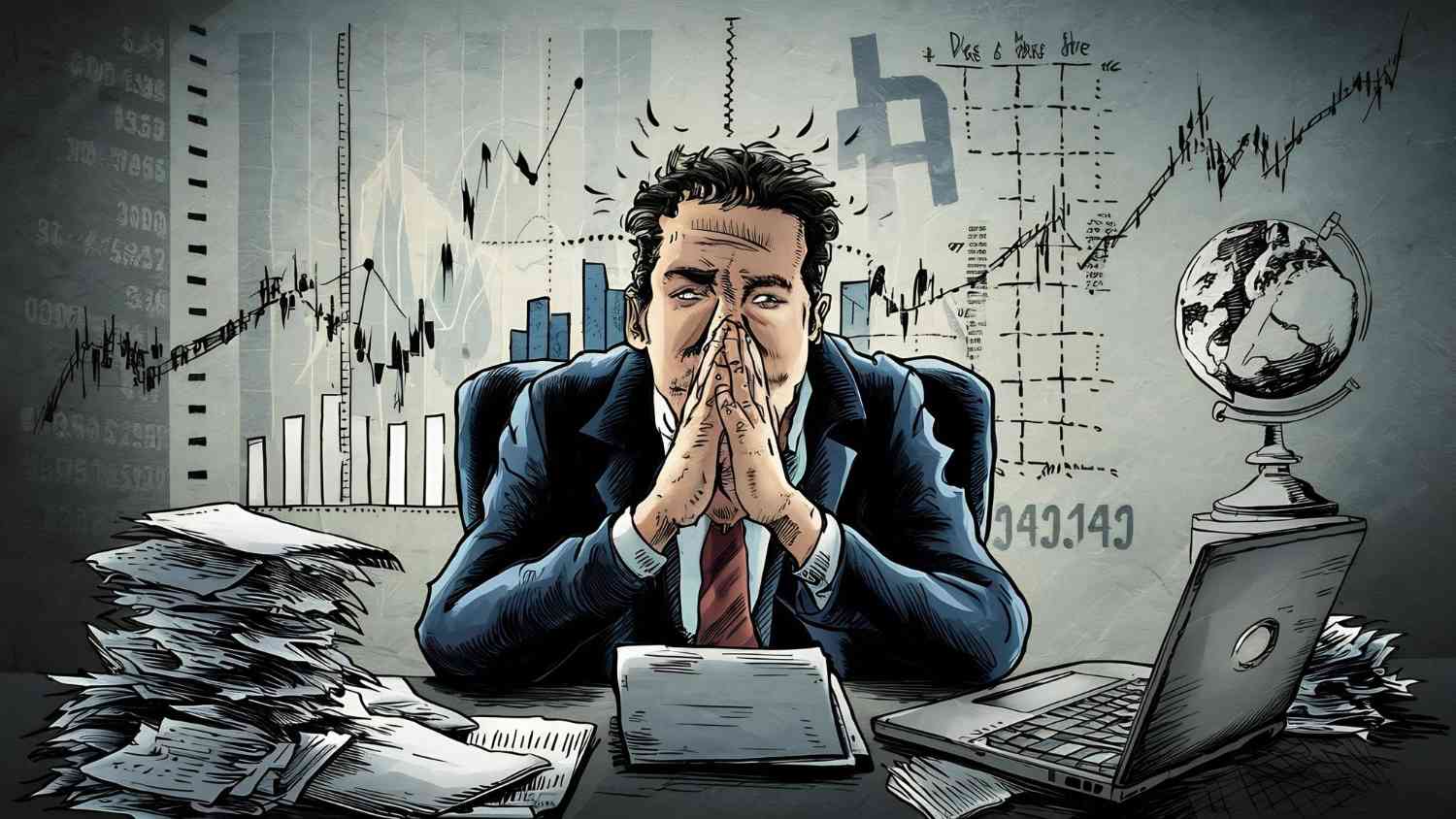
Sleep isn’t like money where you can just “earn more later.” It’s more like oxygen. You can’t cheat it forever.
When you don’t sleep enough, your body keeps score. It collects the debt quietly, then hits you with it when you least expect it.
You become foggy.
You become moody.
You lose patience faster.
You crave junk food more.
You feel lazy, even when you’re not.
And suddenly your life feels harder than it should.
Your Brain Becomes a Slow Internet Connection
Lack of sleep turns your brain into bad Wi-Fi.
You can still function, but everything loads slowly. Your thoughts lag. Your focus drops. Your motivation disappears.
Even your emotions buffer. One small inconvenience feels like a personal attack.
That’s not your personality. That’s sleep deprivation wearing your face.
The Night Isn’t the Enemy—The Habit Is
Staying up late once in a while isn’t the end of the world.
But making it a routine? That’s when it starts draining your energy like a leaking tap you ignore until the water bill arrives.
The fix isn’t punishment. It’s balance.
You deserve rest just as much as you deserve free time.
Bad Habit: Living in the Past
Living in the past is like dragging a heavy suitcase everywhere you go… even when the trip is already over.
Maybe it’s regret.
Maybe it’s heartbreak.
Maybe it’s embarrassment.
Maybe it’s that one mistake you made years ago that still makes your stomach twist.
And the worst part? Nobody else remembers it the way you do.
But you replay it anyway, like your brain is stuck on a sad playlist.
Regret Feels Like Paying Interest on Old Pain

Regret is expensive.
You don’t just remember the past—you relive it. You keep paying emotional interest on something that already happened.
You think, If only I did this…
If only I said that…
If only I didn’t trust them…
If only I started earlier…
And every “if only” becomes another little drain on your energy.
You can’t change what happened. But your brain still tries, like it’s editing a movie that already released.
Nostalgia Can Become a Trap
Not all memories are painful. Some are sweet.
But even nostalgia can drain you if it turns into longing.
When you constantly think, Life was better back then, you start rejecting the present without realizing it. You stop noticing good moments because you’re busy comparing them to an old version of happiness.
And that comparison? It’s exhausting.
Your Past Is a Teacher, Not a Home
The past has lessons. It has warnings. It has wisdom.
But it’s not a place to live.
You can visit it, learn something, and come back stronger. But if you move in permanently, you’ll start feeling stuck, tired, and bitter.
Like you’re watching life through a window instead of participating in it.
You Don’t Need Closure to Move Forward
This one hurts, but it’s true.
Sometimes you won’t get closure.
Sometimes you won’t get an apology.
Sometimes you won’t get answers.
Waiting for closure is like waiting for a train that isn’t coming.
You don’t move forward because the past becomes “unfinished business.” But your energy keeps bleeding while you wait.
You can choose peace without permission.
Bad Habit: Always on Social Media

Social media is like a slot machine in your pocket.
You pull the lever with your thumb, hoping for something good—something funny, something exciting, something satisfying.
Sometimes you get it.
Most times you don’t.
But you keep pulling anyway.
And before you know it, your energy is gone, your time disappeared, and your brain feels like it ran a marathon… while your body didn’t even leave the chair.
Scrolling Feels Relaxing Until It Doesn’t
At first, scrolling feels like a break.
You tell yourself, I’m just relaxing.
But your brain isn’t resting. It’s consuming. Processing. Comparing. Reacting.
You see someone’s success.
Someone’s perfect body.
Someone’s new car.
Someone’s relationship.
Someone’s vacation.
Even if you’re not jealous, your brain still absorbs the pressure. It starts measuring your life against highlight reels.
And that constant measuring? It drains energy fast.
Your Attention Becomes a Mess
When you’re always on social media, your attention span gets chopped into tiny pieces.
You struggle to focus on work.
You struggle to read.
You struggle to sit quietly without checking your phone.
You struggle to enjoy simple things.
It’s like your brain becomes addicted to constant stimulation, and normal life starts feeling boring.
That’s not laziness. That’s overstimulation.
You Start Feeling Busy Without Doing Anything
This is the weirdest part.
You can spend hours online and still feel like you “did something.” But what did you actually do?
You consumed.
You watched.
You reacted.
You compared.
And then you feel drained, like you worked hard… even though you didn’t build anything.
It’s a fake kind of tired. The kind that doesn’t come with pride. Just emptiness.
Social Media Steals Your Mood in Small Pieces

One negative post can shift your whole mood.
One argument can ruin your peace.
One piece of bad news can make you anxious.
You might not even realize it’s happening. But your energy is being pulled in different directions all day, like your mind is being tugged by invisible strings.
And when your mood is unstable, your energy follows.
Bad Habit: Not Exercising
Exercise has a strange reputation.
People treat it like punishment. Like it’s only for weight loss. Like it’s a painful chore you do when you hate yourself enough.
But movement isn’t punishment. It’s maintenance.
Not exercising doesn’t just affect your body. It affects your mind. Your confidence. Your sleep. Your mood. Your energy.
And when you skip it long enough, your body starts feeling like a car that hasn’t been driven in months—stiff, sluggish, and weirdly fragile.
Your Body Was Built to Move
Humans weren’t designed to sit all day.
We weren’t made to be folded into chairs for hours, staring at screens, barely moving except for typing and scrolling.
When you don’t move, your body gets lazy—not because it wants to, but because it adapts to what you demand from it.
If you demand nothing, it gives you nothing.
Then you feel tired… and you think rest will fix it.
But sometimes the tiredness isn’t from doing too much.
It’s from doing too little.
Exercise Gives Energy Before It Takes Energy
This sounds backwards, but it’s real.
Yes, exercise costs effort.
But it pays you back with energy.
You feel clearer.
You breathe deeper.
You sleep better.
You feel proud of yourself.
Your mood improves.
Even small movement changes your day.
You don’t need a gym body. You need a body that feels alive.
Skipping Movement Creates a Heavy Feeling
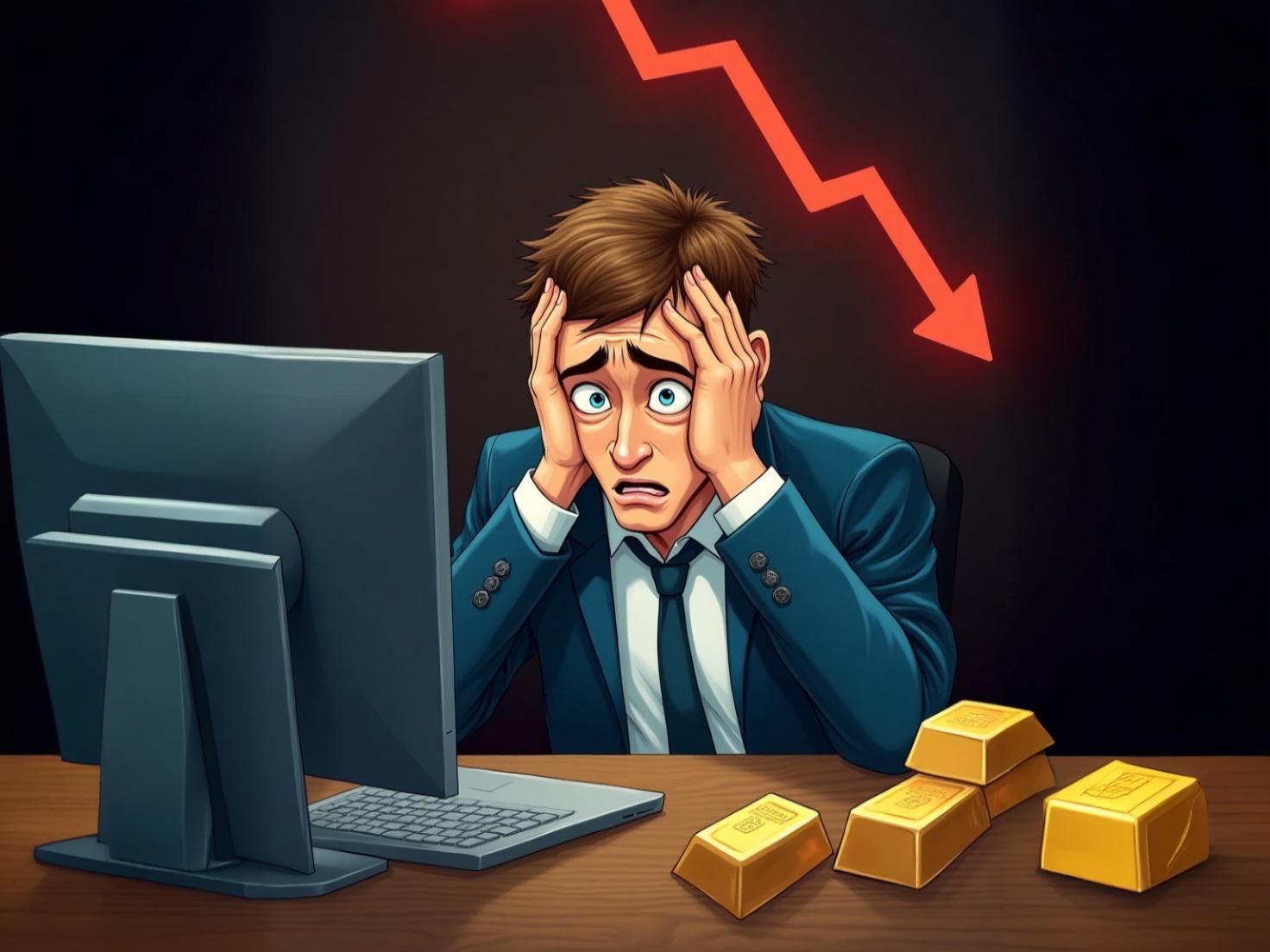
When you don’t exercise, your body starts feeling heavier than it should.
Your joints feel stiff.
Your back feels tight.
Your mood feels flat.
Your motivation disappears.
It’s like your body becomes a slow-moving machine, and everything takes more effort than necessary.
And that effort drains you.
You Don’t Need Intensity—You Need Consistency
People quit exercise because they think it has to be extreme.
But energy isn’t built through occasional heroic workouts. It’s built through regular movement—something you can repeat without hating your life.
Your body doesn’t need perfection.
It needs a signal: We’re still alive. We still move. We still fight.
Bad Habit: Not Eating Healthy
Food isn’t just food.
It’s fuel. It’s mood. It’s focus. It’s energy.
And when you eat poorly, your body doesn’t just “gain weight” or “feel full.” It reacts in a hundred little ways—crashes, cravings, brain fog, sluggishness, irritability.
Bad food doesn’t always feel bad immediately. Sometimes it tastes amazing in the moment… and punishes you later.
Like a friend who’s fun at night but ruins your life in the morning.
Junk Food Creates Energy Spikes and Crashes
You eat something sugary or oily, and for a moment you feel good.
Your brain lights up.
Your mood lifts.
Your cravings calm down.
Then the crash comes.
Suddenly you feel sleepy.
Your mind gets foggy.
You want more snacks.
You lose motivation.
It’s like your energy is on a roller coaster you didn’t buy a ticket for.
And once you’re on that ride, it’s hard to get off.
Your Gut and Your Mood Are Best Friends
A lot of people don’t connect food to emotions, but it’s connected more than we admit.
When you eat poorly, you often feel anxious, tired, irritated, or unmotivated. Not because you’re weak, but because your body is struggling.
It’s hard to feel mentally strong when your physical system is running on low-quality fuel.
You wouldn’t pour dirty petrol into a luxury car and expect it to fly. So why do we do that to ourselves?
Healthy Eating Isn’t About Being Strict
Let’s be honest—nobody wants to live like a robot eating plain salads forever.
Healthy eating isn’t about punishment. It’s about making your life easier.
When you eat better, you think better.
When you think better, you act better.
When you act better, your life improves.
It’s not a diet. It’s an upgrade.
Your Energy Is Built in the Kitchen Too

Energy isn’t only created through sleep and motivation.
A huge part of energy is built through what you eat daily.
If your meals are random, rushed, and low-quality, your energy will be random too.
But when your food is supportive, your body starts cooperating. And life stops feeling like a constant struggle.
Final Summary: Your Energy Is Yours to Protect
If your energy has been low lately, you’re not lazy. You’re not weak. You’re not “just getting older.”
You might just be stuck in habits that drain you quietly.
Staying around negativity is like breathing polluted air.
Staying up too late is like stealing tomorrow’s strength.
Living in the past is like carrying bricks in your backpack.
Being always on social media is like feeding your mind constant noise.
Not exercising is like letting your body rust.
Not eating healthy is like running your life on low-grade fuel.
The good news? You don’t need to fix everything at once.
You just need to start closing the leaks.
Because once you stop losing energy in the wrong places, you’ll be shocked by how much power you actually have.
FAQs
1.Why do I feel tired even after sleeping enough?
Because sleep is only one part of energy. If you’re eating poorly, staying stressed, living in negativity, or overstimulated from screens, your body can still feel drained even with decent sleep.
2.Can social media really affect my energy that much?
Yes. Constant scrolling overstimulates your brain, messes with focus, triggers comparison, and creates mental fatigue. It’s not harmless “relaxation” when it becomes a habit.
3.How do I stop living in the past when it keeps haunting me?
Start by noticing how often you replay old events. The past won’t change, but your relationship with it can. You don’t need perfect closure to move forward—you need permission to let go.
4.Do I need intense workouts to feel more energetic?
Not at all. Consistent movement matters more than intensity. Even light exercise can improve mood, reduce stiffness, and boost daily energy.
5.What’s the fastest habit to fix for better energy?
Staying up too late is often the quickest win. Better sleep improves mood, focus, cravings, and motivation. It’s like upgrading your entire system overnight.