
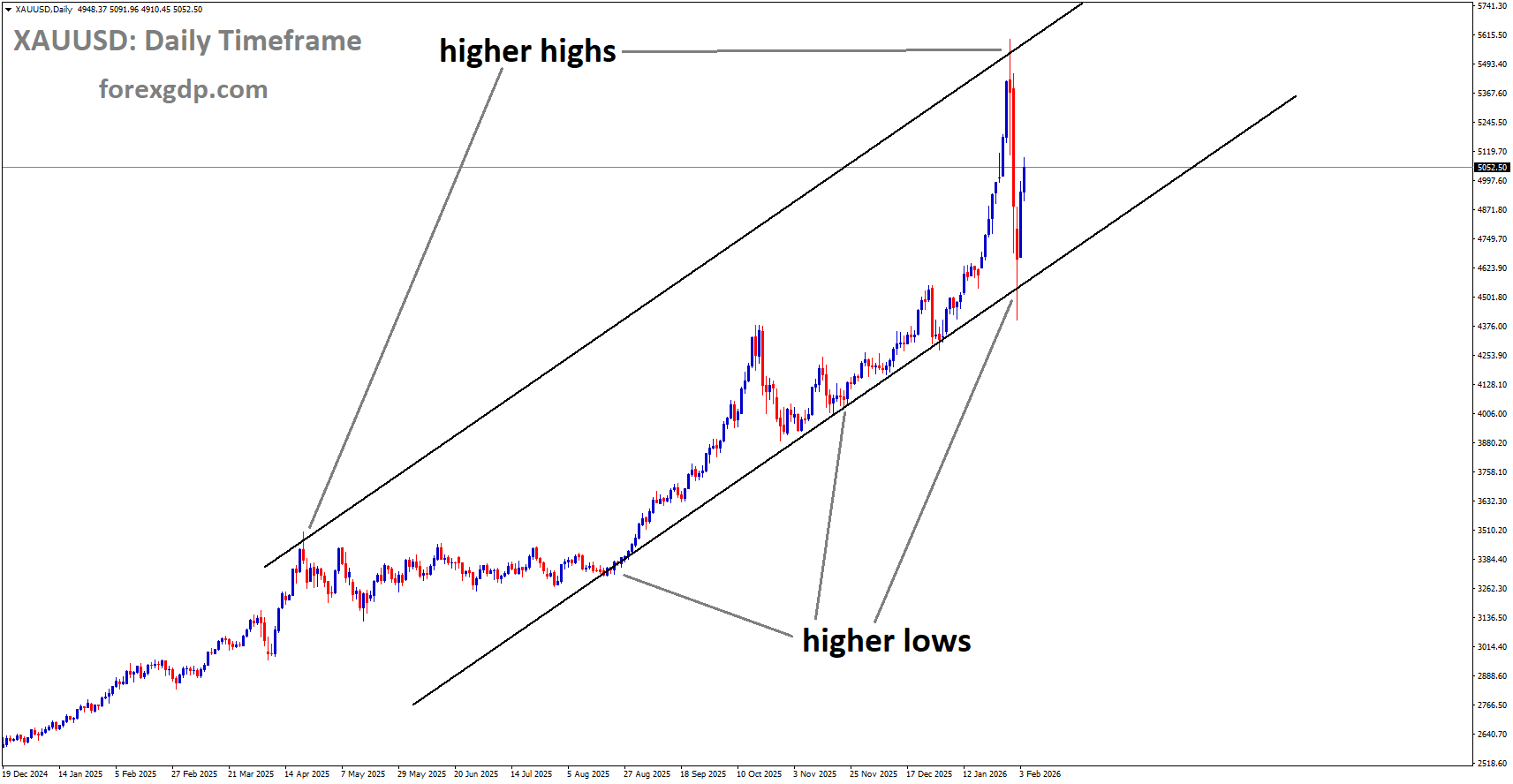
XAUUSD is moving in an ascending channel, and the market has rebounded from the higher low area of the channel
Gold has extended its upward move for a second straight day, drawing strong interest from investors looking for stability in uncertain times. A mix of geopolitical stress and shifting expectations around US monetary policy has created a supportive environment for the precious metal. As confidence in riskier assets wavers, gold is once again proving why it has long been viewed as a reliable store of value.
This renewed momentum comes as markets react to fresh developments in global politics and closely watch upcoming US economic data. Together, these factors are shaping short-term sentiment and influencing how investors position themselves across major asset classes.
Rising Geopolitical Risks Revive Safe-Haven Demand
One of the biggest drivers behind gold’s recent climb is the return of tension between the United States and Iran. Reports of a military incident in the Arabian Sea have unsettled markets and raised concerns about the direction of diplomatic efforts between the two nations. Whenever geopolitical risks resurface, investors tend to reduce exposure to assets seen as risky and move toward safer alternatives.
Gold benefits directly from this shift in behavior. It is widely seen as a hedge against political instability, conflict, and uncertainty. When headlines point to rising global friction, demand for gold often increases as investors look for protection against sudden market swings.
The latest developments have also cast doubt on hopes for smoother relations between Washington and Tehran. Optimism around upcoming talks has faded, and that has added another layer of caution across financial markets. In this environment, gold stands out as an asset that does not rely on political outcomes or economic growth to hold its value.
Interest Rate Expectations Weigh on the US Dollar
Another important factor supporting gold is the ongoing debate around US interest rates. Expectations that the Federal Reserve may lower rates later this year have kept pressure on the US dollar. Since gold is priced in dollars, a softer dollar generally makes the metal more attractive to buyers using other currencies.
Gold does not pay interest, so it tends to perform better when interest rates are low or expected to fall. When yields on bonds and savings decline, the opportunity cost of holding gold decreases. This makes it easier for investors to justify increasing their exposure to the metal.
Recent comments from US central bank officials have added to the belief that policymakers are open to easing financial conditions if needed. While opinions within the Federal Reserve vary, markets continue to lean toward a more supportive stance on growth and inflation. That outlook has limited any strong recovery in the dollar and helped gold maintain its upward bias.
Mixed Signals From Federal Reserve Voices
Statements from key figures at the Federal Reserve have painted a mixed but revealing picture of the policy outlook. Some officials have suggested that inflation pressures are manageable and that there is room to support the economy through lower borrowing costs. Others have acknowledged that inflation remains above target but expressed confidence that further improvement is likely.
This range of views has kept investors guessing, but the overall takeaway is that aggressive tightening is unlikely in the near term. For gold, this uncertainty works in its favor. When policy direction is not clearly restrictive, investors often lean toward assets that can hold value across different economic scenarios.
Political developments have also played a role. Recent legislative actions in the United States have reduced immediate concerns around government funding disruptions. While this has brought some stability, it has not been enough to offset broader concerns tied to global risks and long-term economic challenges.
Economic Data in Focus as Traders Seek Direction
With major geopolitical and policy themes already in play, attention is now turning to upcoming US economic reports. Data on private-sector employment and activity in the services sector are expected to provide fresh clues about the strength of the economy.
Employment figures are especially important because they influence how the Federal Reserve views economic momentum. Signs of cooling in the labor market could strengthen the case for rate cuts, while resilience may support a more cautious approach. Either outcome has implications for the dollar and, by extension, gold.
The services sector report is also closely watched, as it represents a large portion of economic activity. Any signs of slowing demand or easing price pressures could reinforce expectations of supportive monetary policy. This data-driven approach keeps short-term trading active and can lead to quick shifts in market sentiment.
Why Gold Continues to Attract Long-Term Interest
Beyond daily headlines and economic releases, gold’s appeal runs deeper. It is one of the few assets that carries no credit risk and is not tied to the performance of any single economy. Central banks, institutional investors, and individual buyers all turn to gold during times of uncertainty for this reason.
In recent years, global events have reminded markets how quickly conditions can change. Trade disputes, regional conflicts, and unexpected economic shocks have all reinforced the value of diversification. Gold plays a key role in that strategy, offering balance when other assets struggle.
The current environment highlights this dynamic clearly. With political risks rising and policy outlooks shifting, gold has found renewed support from a wide range of investors. Its ability to respond to both fear and caution makes it a unique asset in the global financial system.
Market Sentiment Remains Cautious but Engaged
While gold has benefited from recent developments, investor sentiment remains measured rather than euphoric. Many market participants are taking a wait-and-see approach, balancing short-term opportunities with longer-term risks.
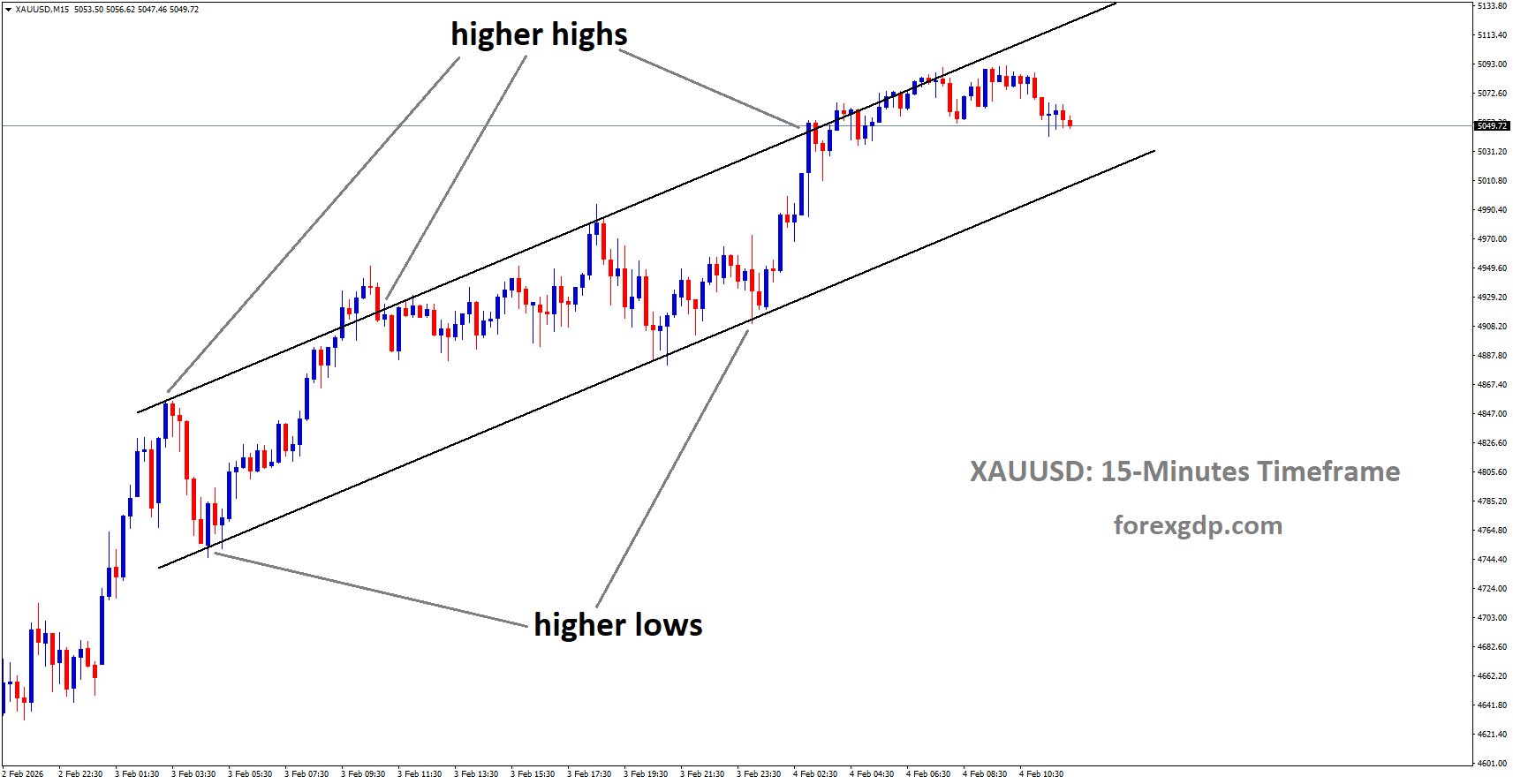
XAUUSD is moving in an ascending channel, and the market has fallen from the higher high area of the channel
This cautious optimism is reflected in trading behavior, as investors closely monitor news flow and economic indicators. Gold’s steady advance suggests confidence in its role as a defensive asset, even as broader markets remain sensitive to new information.
The coming days are likely to bring more clarity as fresh data is released and geopolitical narratives evolve. Until then, gold continues to attract attention as a reliable option in an uncertain landscape.
Final Summary
Gold has strengthened for a second consecutive day, supported by renewed geopolitical tensions and expectations of lower US interest rates. Rising uncertainty has pushed investors toward safe-haven assets, while a softer outlook for the US dollar has further boosted gold’s appeal. Mixed signals from Federal Reserve officials and upcoming economic data have kept markets alert, reinforcing gold’s role as a trusted store of value. As global risks and policy questions remain unresolved, gold continues to stand out as a key asset for stability and balance.