

XAUUSD is moving in an uptrend channel, and the market has rebounded from the higher low area of the channel
Gold is experiencing a mixed trading environment as it struggles to maintain its modest gains during the day. While the precious metal initially showed some strength, renewed buying interest in the US Dollar has put pressure on gold prices. At the same time, easing concerns about inflation and ongoing geopolitical tensions are creating a complex backdrop for the market.
Investors are now focusing closely on upcoming economic data from the United States, especially the Consumer Price Index (CPI). This report could provide important signals about future decisions from the US Federal Reserve regarding interest rates. With several factors influencing market sentiment, gold remains caught between supportive and restrictive forces.
US Dollar Strength Weighs on Gold
Gold briefly moved higher earlier in the day but failed to hold onto those gains as the US Dollar regained momentum. The dollar attracted buyers after recently falling to its lowest level in about a week. As demand for the currency increased, gold came under pressure.
Typically, a stronger dollar makes gold less attractive to international buyers because the metal is priced in US currency. When the dollar rises, gold becomes more expensive for investors using other currencies. This relationship often leads to gold losing some of its appeal during periods of dollar strength.
However, the current rise in the dollar does not appear to have strong long-term momentum. Market participants remain cautious because expectations about future US interest rate cuts are still shaping the outlook.
Lower interest rates tend to benefit gold because the metal does not offer interest or yield. When borrowing costs fall, investors often move toward assets like gold as a store of value. As a result, even though the dollar has recovered slightly, expectations about future rate cuts could continue to support gold.
Oil Price Movements Reduce Inflation Concerns
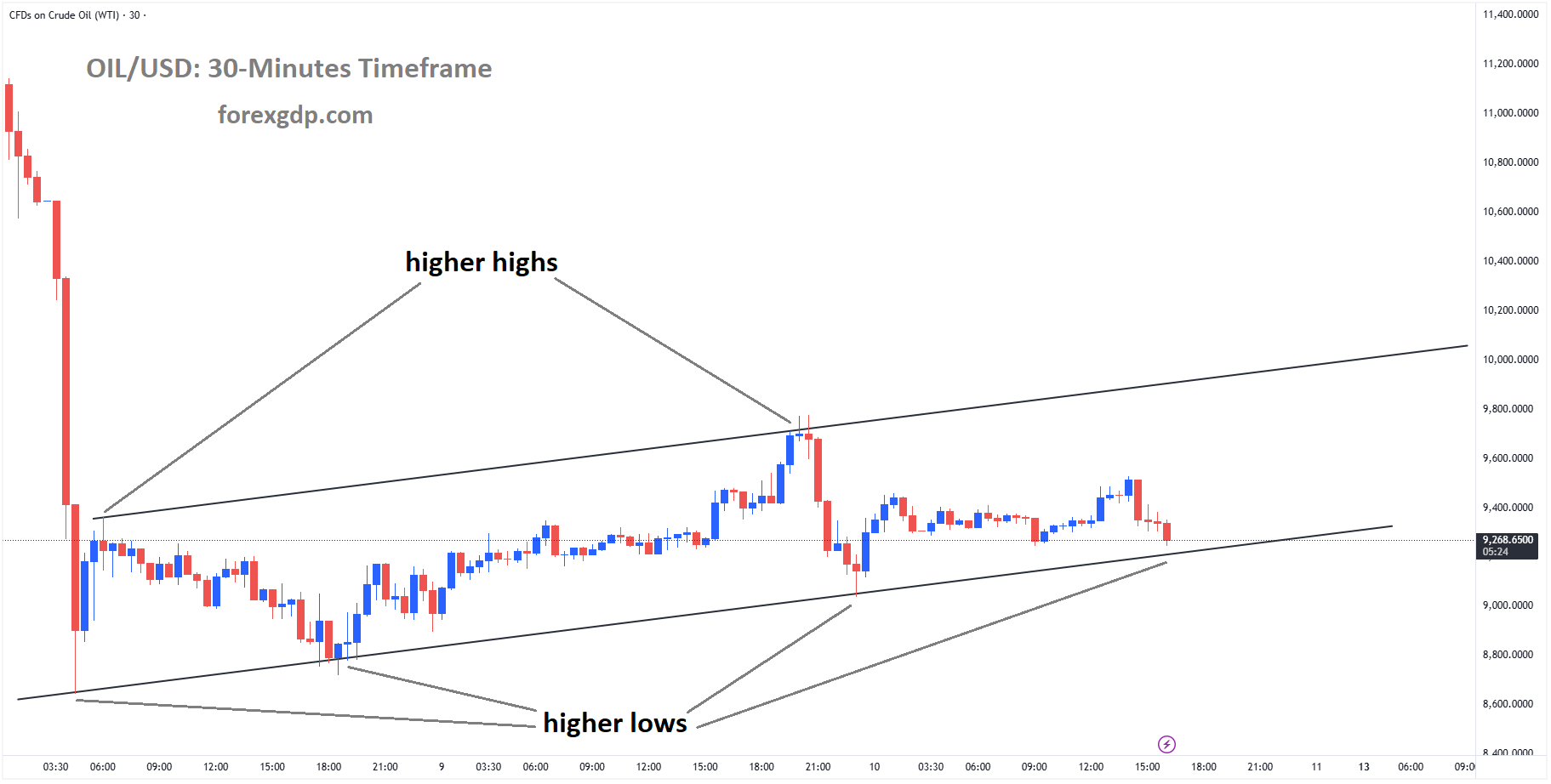
One of the key developments influencing the market has been the recent movement in oil prices. Earlier this week, oil surged sharply and reached its highest level in more than two years. However, prices have since fallen significantly.
This drop came after comments suggesting that the conflict in the Middle East might ease soon. In addition, reports indicated that the International Energy Agency is considering a large release of oil reserves to help bring down energy prices.
Lower oil prices can help reduce inflation concerns. When energy costs decline, it becomes easier for central banks to manage inflation without keeping interest rates high. This situation increases the possibility that the Federal Reserve could reduce interest rates in the future.
If the Fed becomes more comfortable with easing monetary policy, gold could benefit. Investors often turn to gold during periods when interest rates are falling or expected to fall. Because of this, the decline in oil prices has created a supportive environment for the precious metal despite the temporary strength in the dollar.
Geopolitical Tensions Continue to Support Safe-Haven Demand
Another important factor influencing gold is the ongoing geopolitical tension in the Middle East. Although there have been hints that the conflict might eventually ease, the situation remains highly uncertain.
Recent reports indicate that intense military activity continues in the region. Iran has faced heavy bombardments, and its military forces have increased their operations against both the United States and Israel. In addition, statements from Iranian authorities suggest that they may target technological infrastructure connected to their opponents.
Such developments keep global investors on edge. When geopolitical tensions rise, financial markets often experience uncertainty. During these periods, investors tend to move toward assets that are considered safe havens.
Gold has historically been one of the most popular safe-haven assets. It is widely viewed as a reliable store of value during times of political instability, economic stress, or conflict. As a result, ongoing tensions in the Middle East are helping prevent gold prices from falling sharply.
The presence of geopolitical risks also limits excessive optimism in financial markets. Even when other factors weigh on gold, these risks often provide a strong underlying level of support.
Investors Focus on Key US Inflation Data
Despite the various global developments, traders are currently holding back from making strong directional bets. Instead, many are waiting for the latest inflation data from the United States.
The upcoming Consumer Price Index report is expected to provide important clues about the direction of inflation. This data is closely watched because it plays a significant role in shaping the Federal Reserve’s policy decisions.
If inflation appears to be slowing, it could strengthen expectations that the Fed will lower interest rates in the future. Such an outcome would generally support gold by reducing the appeal of interest-bearing assets.
On the other hand, if inflation remains elevated, the central bank may choose to keep interest rates higher for longer. This could boost the US Dollar and create short-term pressure on gold.
Another important economic report scheduled for release later this week is the Personal Consumption Expenditures Price Index. This measure of inflation is particularly important because it is the Federal Reserve’s preferred gauge for tracking price changes.
Together, these two reports will play a crucial role in shaping the market outlook. Investors across financial markets, including gold traders, are watching closely to see how the data might influence future policy decisions.
Uncertainty Around Energy Supply Still Lingers
Another factor that could influence inflation expectations is the potential disruption of global oil supply. Some analysts remain concerned about the possibility of shipping disruptions in key energy routes, including the Strait of Hormuz.
This strategic waterway is one of the most important routes for global oil transportation. Any prolonged disruption could lead to supply shortages and renewed increases in energy prices.
If oil supply becomes limited again, inflation pressures could return quickly. Such a scenario would complicate the Federal Reserve’s policy decisions and create additional uncertainty in financial markets.
For gold, rising inflation risks could provide further support. Investors often buy gold as a hedge against inflation because it tends to hold its value when purchasing power declines.
Market Sentiment Remains Balanced
At the moment, the gold market appears to be balancing multiple competing forces. The stronger US Dollar is creating short-term pressure on prices, while falling oil prices and expectations of future interest rate cuts provide underlying support.
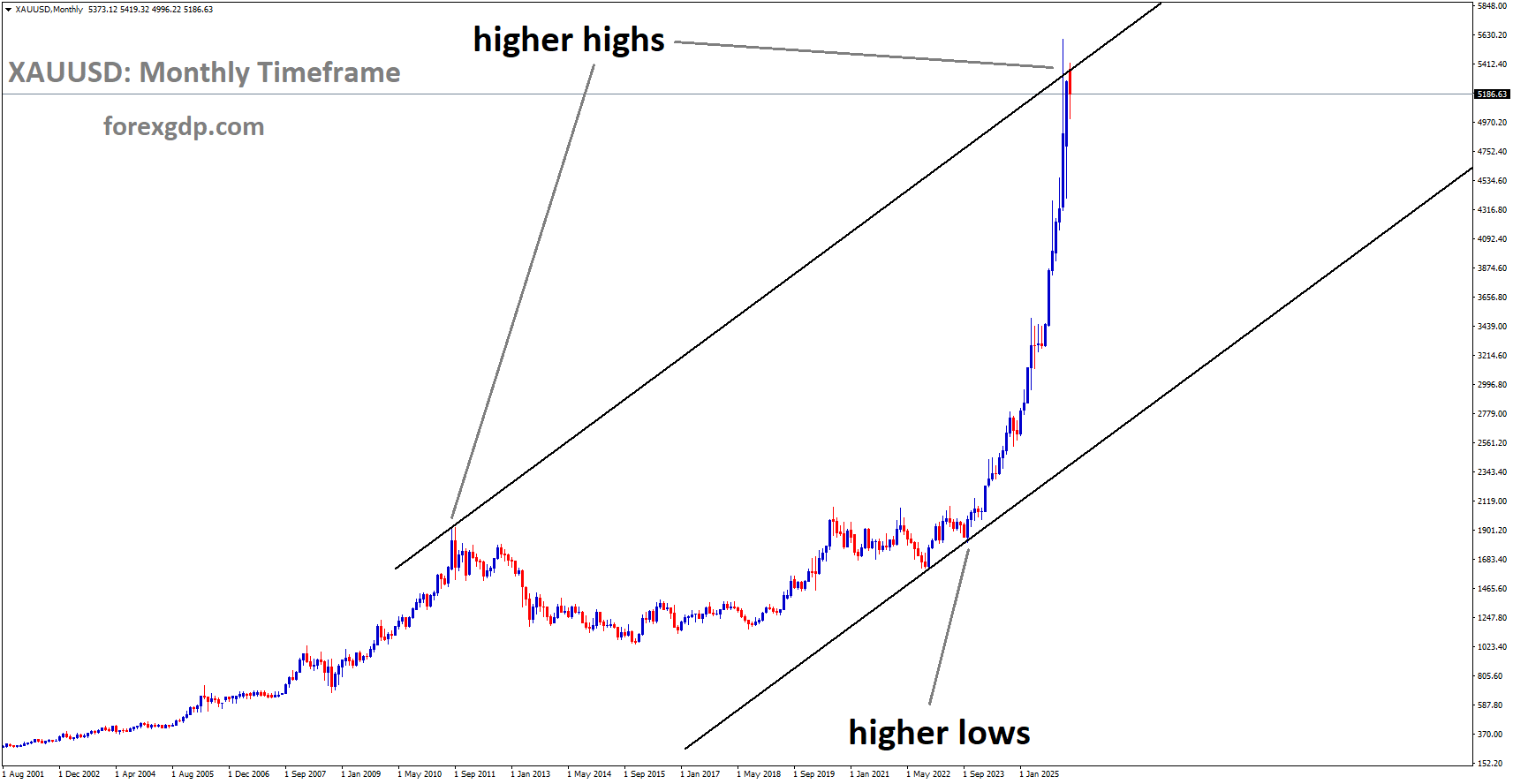
XAUUSD is moving in an uptrend channel, and the market has reached a higher high area of the channel
At the same time, ongoing geopolitical tensions continue to boost demand for safe-haven assets. These risks prevent gold from experiencing large declines even when other factors temporarily weigh on the market.
Because of these mixed signals, traders are choosing to remain cautious. Many are waiting for clearer guidance from upcoming economic data before making significant investment decisions.
Summary
Gold is currently navigating a complex global environment shaped by currency movements, geopolitical tensions, and expectations about interest rates. A stronger US Dollar has limited the metal’s ability to extend its gains, but easing inflation concerns and falling oil prices have helped maintain underlying support.
At the same time, ongoing conflict in the Middle East continues to encourage demand for safe-haven assets, preventing major downside pressure on gold. Investors are now closely watching upcoming US inflation data, which could provide important clues about the Federal Reserve’s next policy steps.
With multiple global factors influencing sentiment, gold remains sensitive to economic developments, geopolitical risks, and changes in monetary policy expectations. The direction of inflation data and central bank decisions will likely play a key role in shaping the precious metal’s near-term outlook.