

Let’s not sugarcoat it—forced trades are the silent killers of trading accounts. You might feel like you need to trade, like sitting out is wasting time. But that mindset? It’s exactly what leads to regret.
Think about it. Have you ever entered a trade just because the market was moving and you didn’t want to miss out? And then watched it reverse immediately? That’s not bad luck—that’s forcing the market to fit your desire.
Trading isn’t about constant action. It’s about timing, patience, and discipline. And if you ignore those, the market will remind you—painfully.
What Is a Forced Trade?
A forced trade happens when you enter the market without a valid reason based on your strategy. It’s not planned—it’s emotional.
Here’s how it usually shows up:
- You take a trade without confirmation
- You ignore your own rules
- You trade just to feel productive
- You jump in after missing a big move
It’s like trying to start a car with no fuel. You’re going nowhere, but you keep trying anyway.
Why Do Traders Force Trades?
Let’s break it down. This behavior doesn’t come from nowhere—it’s driven by emotions.
1. Fear of Missing Out (FOMO)
You see price moving fast and think, “This is it—I need to get in!” But by the time you enter, the move is often over.
2. Revenge Trading
After a loss, you feel the urge to win it back immediately. Instead of thinking clearly, you act impulsively—and usually lose again.
3. Boredom
No setups, no movement, nothing exciting. So you create trades out of thin air just to feel engaged.
4. Overconfidence
A few wins make you feel unstoppable. You start taking trades without proper analysis—and reality hits back hard.
Why Forced Trades Lead to Regret
Let’s be real—forced trades rarely end well. Why?
- They lack proper analysis
- They are poorly timed
- They often ignore risk management
You’re not trading with logic—you’re reacting. And the market punishes reactive behavior. It’s like jumping into a race halfway through and expecting to win. You’re already out of position.
The Illusion of Control
Many traders believe they can “control” outcomes by trading more. That’s a trap.
You might think:

- “More trades = more profit”
- “I can outsmart the market”
But the truth? The market doesn’t care. It moves based on countless factors beyond your control. Trying to force trades is like trying to control the ocean waves. You can’t. You can only learn to ride them.
Patience: The Real Trading Superpower
Patience isn’t just a nice trait—it’s essential. Good traders don’t chase every move. They wait. They observe. They act only when everything aligns.
Why does patience work?
- It filters out bad trades
- It improves timing
- It increases win probability
Think of it like hunting. You don’t fire randomly—you wait for the perfect shot.
Quality Over Quantity
Here’s a mindset shift you need:
More trades do not mean more money.
In fact, overtrading often leads to losses.
Professional traders:
- Take fewer trades
- Focus on high-quality setups
- Avoid unnecessary risks
Meanwhile, many beginners trade constantly—and burn out quickly.
Which one sounds smarter?
The Hidden Cost of Forced Trading
Forced trades don’t just hurt your account—they affect your mindset.
Each bad trade:
- Reduces your confidence
- Increases frustration
- Leads to more impulsive decisions
It becomes a cycle. One bad trade leads to another. It’s like digging a hole. The more you try to fix it quickly, the deeper it gets.
How Emotions Take Over Your Trading
Your brain isn’t built for trading—it’s built for survival.
That means:
- Fear makes you exit early
- Greed makes you hold too long
- Impulse makes you enter too soon
When emotions take control, your strategy disappears. And without a strategy, you’re just guessing.

Building Discipline: Your Real Edge
Let’s be honest—strategy alone isn’t enough. Discipline is what separates successful traders from the rest.
Here’s what discipline looks like:
- Sticking to your plan
- Waiting for valid setups
- Accepting losses calmly
- Avoiding overtrading
It sounds simple, but it’s one of the hardest things to master.
Create and Follow a Trading Plan
A trading plan is your foundation. Without it, you’re trading blindly.
Your plan should include:
- Entry rules
- Exit strategies
- Risk limits
- Position sizing
But here’s the key: you must follow it.
A plan you don’t follow is useless.
The Power of Not Trading
This might feel uncomfortable, but sometimes the best trade is no trade.
Why?
- You avoid unnecessary losses
- You stay emotionally balanced
- You preserve capital
Think of it like sitting out a bad hand in poker. You’re not losing—you’re waiting.
Recognizing Good Trade Setups
Instead of forcing trades, learn to identify strong opportunities.
Look for:
- Clear trends
- Strong support and resistance
- Confirmation signals
- Good risk-reward ratios
If these aren’t present, step back.
Not every moment is meant for trading.
Stop Chasing the Market
Chasing is one of the fastest ways to lose money. Price moves, and you rush in late. But by then, the opportunity is gone.
Here’s a better mindset:
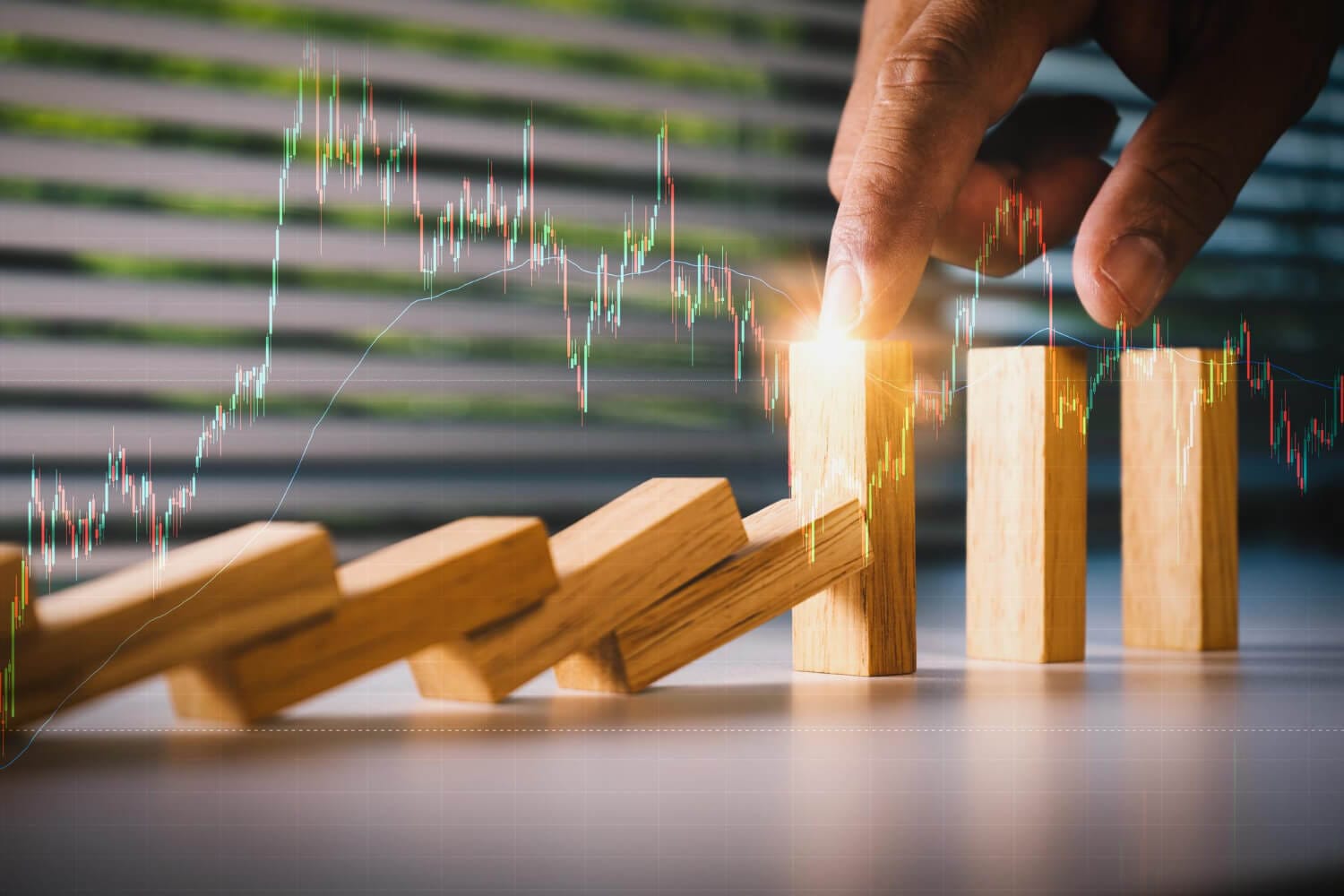
Missed trades are part of the game.
There will always be another setup. Always.
Risk Management: Your Safety Net
Even great traders lose trades. The difference is—they manage risk.
Basic rules:
- Risk only a small percentage per trade
- Always use stop-loss
- Don’t increase position size emotionally
Forced trades often ignore these rules—and that’s where losses grow.
Learn Through Journaling
If you want to improve, track your trades.
Focus on:
- Why you entered
- Whether it followed your plan
- Your emotional state
- The result
You’ll quickly notice patterns.
And yes—forced trades will stand out clearly.
How to Break the Habit of Forced Trading
Changing habits isn’t easy, but it’s possible.
Start with this:
- Set strict rules and stick to them
- Limit your trades per day
- Take breaks after losses
- Avoid trading when emotional
- Focus on process, not profit
Consistency is key. Small improvements lead to big results.
Think Long-Term, Not Short-Term
Trading isn’t about winning today—it’s about surviving and growing over time.
A long-term mindset helps you:
- Stay patient
- Avoid impulsive decisions
- Focus on consistency
Forced trades come from urgency. Successful trading comes from patience.
Conclusion: Let the Market Come to You
At the end of the day, the message is simple:
The trade you force is the trade you regret.
Every time you act out of emotion instead of logic, you increase your chances of failure. The market rewards discipline, not desperation.
So slow down. Wait for your setup. Trust your plan.
Because the best traders don’t chase the market—they let it come to them.
FAQs
1. Why do forced trades usually fail?
Because they are based on emotion rather than strategy. Without proper analysis and timing, the probability of success drops significantly.
2. How can I control my trading emotions?
Take breaks, follow a strict plan, and avoid trading after losses. Awareness and discipline are key.
3. Is taking fewer trades better?
Yes. Fewer, high-quality trades are far more effective than frequent, low-quality ones.
4. What should I do after a losing trade?
Step back, review what went wrong, and avoid jumping into another trade immediately.
5. Can I succeed in trading without discipline?
No. Discipline is essential. Without it, even the best strategy will fail over time.