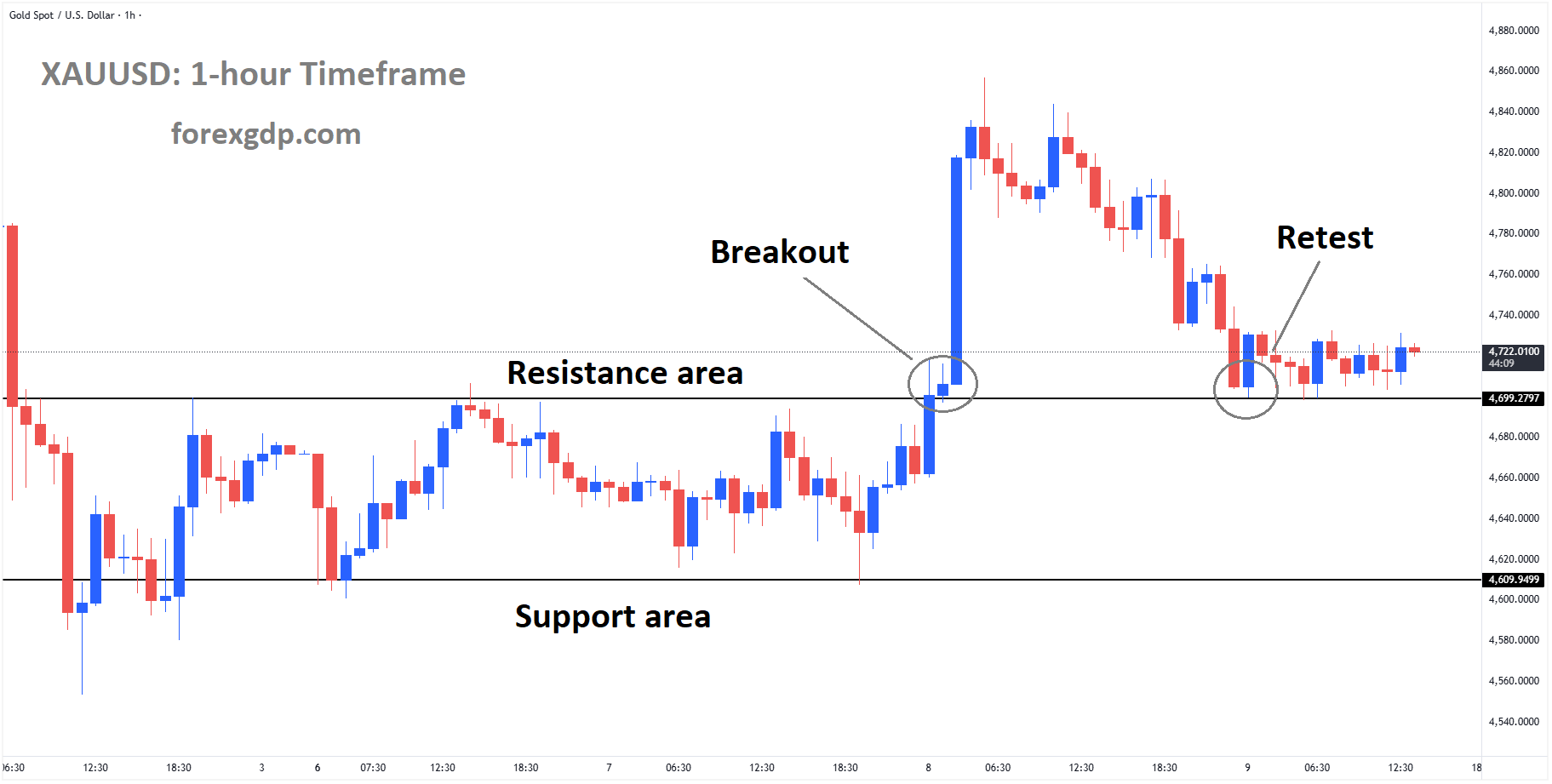
XAUUSD reached the retest area of the broken box pattern
The job market in the United States is sending mixed signals. On one hand, new jobs are still being created, and unemployment rates remain relatively low. On the other hand, many Americans are feeling uneasy about their chances of finding work, especially if they lose their current job.
This growing sense of uncertainty reflects deeper concerns about the economy, hiring trends, and personal financial stability. While there are some positive signs, the overall mood among workers suggests caution rather than confidence.
A Decline in Job Search Confidence
In recent months, Americans have become increasingly doubtful about how quickly they can find a new job. Surveys show that many workers believe their chances of landing a new role within three months are not very strong.
On average, people estimate their chances at around 45%. That number may not sound extremely low at first, but it becomes more meaningful when compared to past periods. Surprisingly, this level of confidence is even weaker than during the early days of the COVID-19 pandemic in 2020. It is also similar to the slow recovery period following the Great Recession in the early 2010s.

This shift marks a clear change from just a few years ago. During the period often referred to as the “Great Resignation,” workers felt empowered. Job openings were everywhere, and switching roles often came with better pay and benefits. That sense of opportunity has now faded, replaced by hesitation and concern.
Fear of Job Loss Is Rising
Confidence in finding a job is only part of the story. At the same time, many Americans are also worried about losing their current positions.
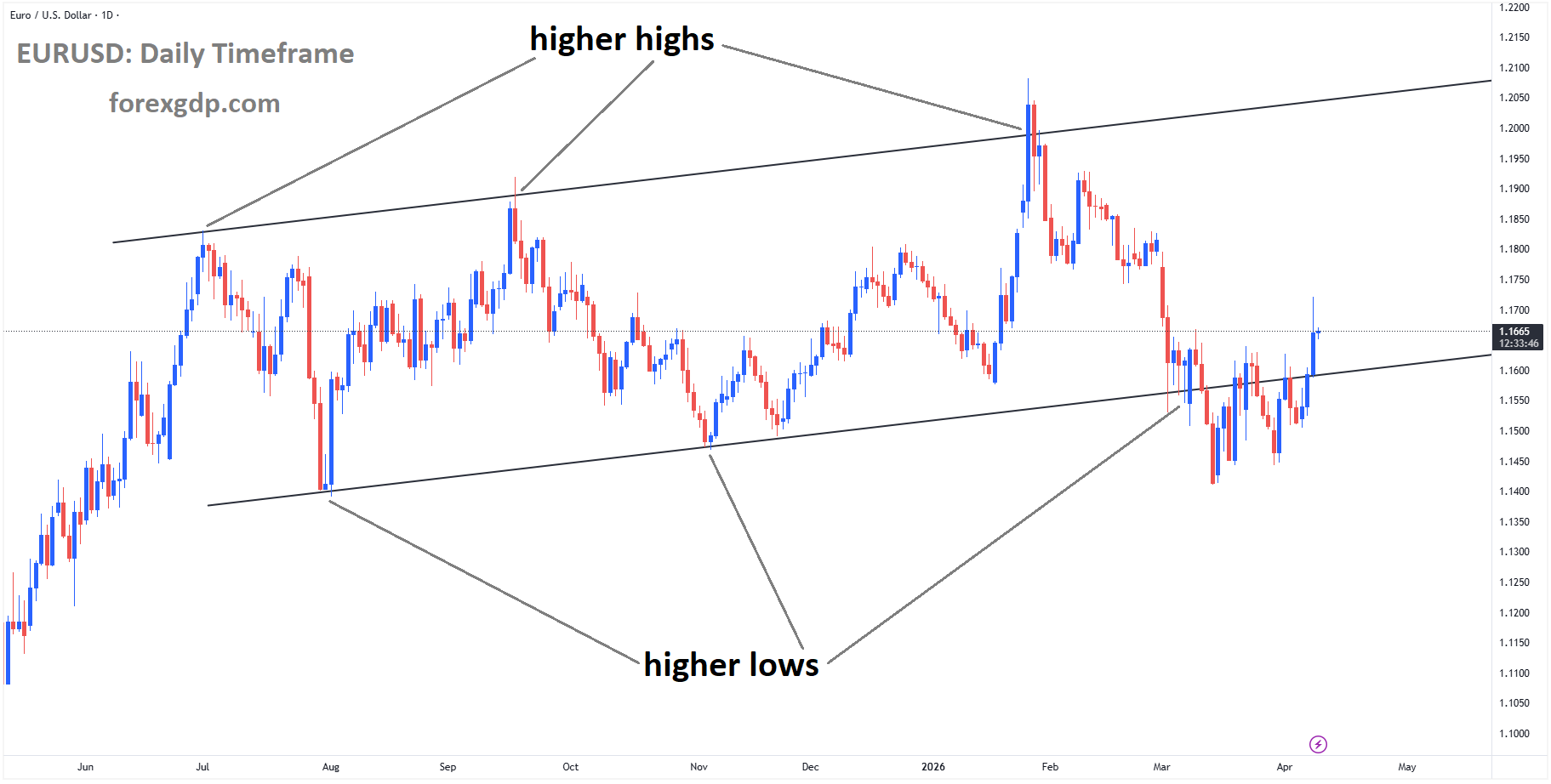
EURUSD is moving in an ascending channel, and the market has reached the higher low area of the channel
Recent survey data shows that workers believe there is a higher chance they could lose their job within the next year. This growing fear adds to the stress people already feel about the job market.
When people are unsure about both job security and future opportunities, it creates a cycle of anxiety. Workers may hesitate to take risks, such as switching careers or asking for better conditions, because they are not sure what lies ahead.
Economic Concerns Are Shaping Sentiment
The broader economic environment is playing a major role in shaping how people feel about jobs. Rising living costs, unstable financial markets, and concerns about personal finances are all contributing to a more negative outlook.
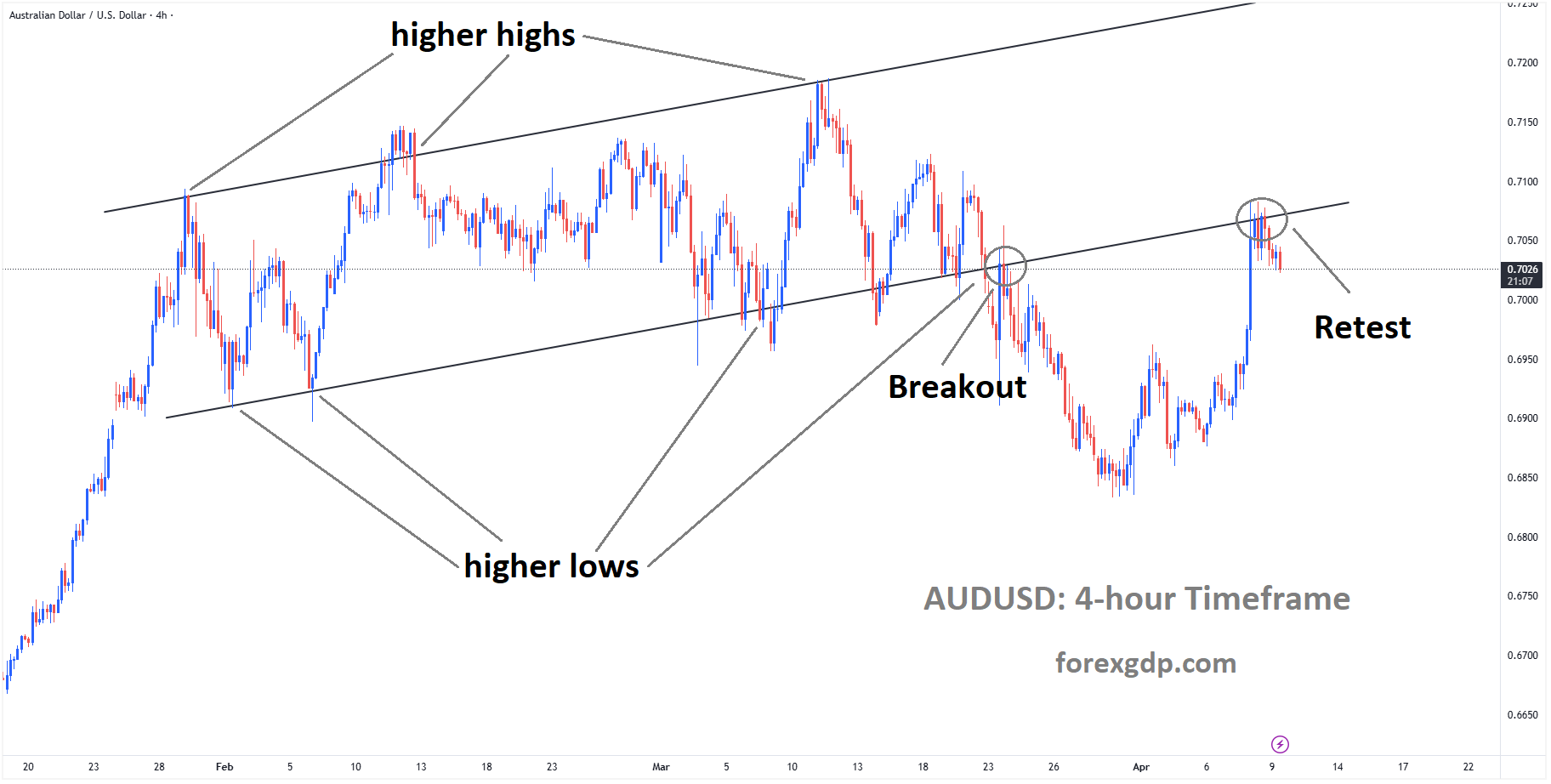
AUDUSD is falling from the retest area of the broken Ascending channel
Consumer sentiment has taken a noticeable hit. Many Americans expect their financial situation to worsen in the near future. A significant number even report that their household finances are already worse than they were a year ago.
Key Factors Affecting Confidence
Several economic factors are influencing how people view the job market:

- Increasing everyday expenses, such as fuel and basic goods
- Uncertainty in financial markets
- Concerns about income stability
- Reduced confidence in short-term economic growth
When these pressures combine, they create a sense of instability. Even people who are currently employed may feel vulnerable.
A Tougher Environment for Job Seekers
Although jobs are still available, finding one has become more challenging. Hiring has slowed compared to previous years, and competition for roles has increased.
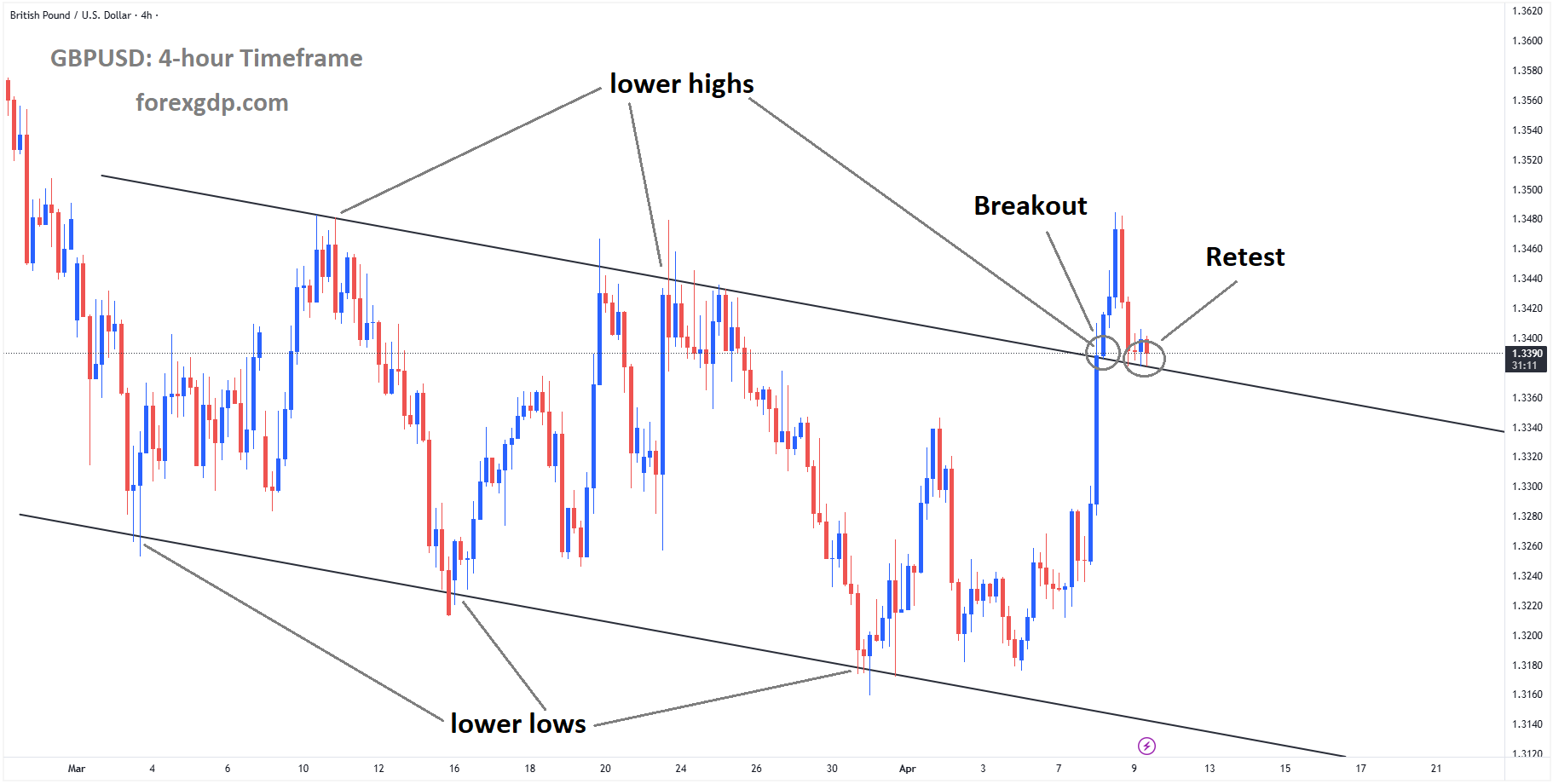
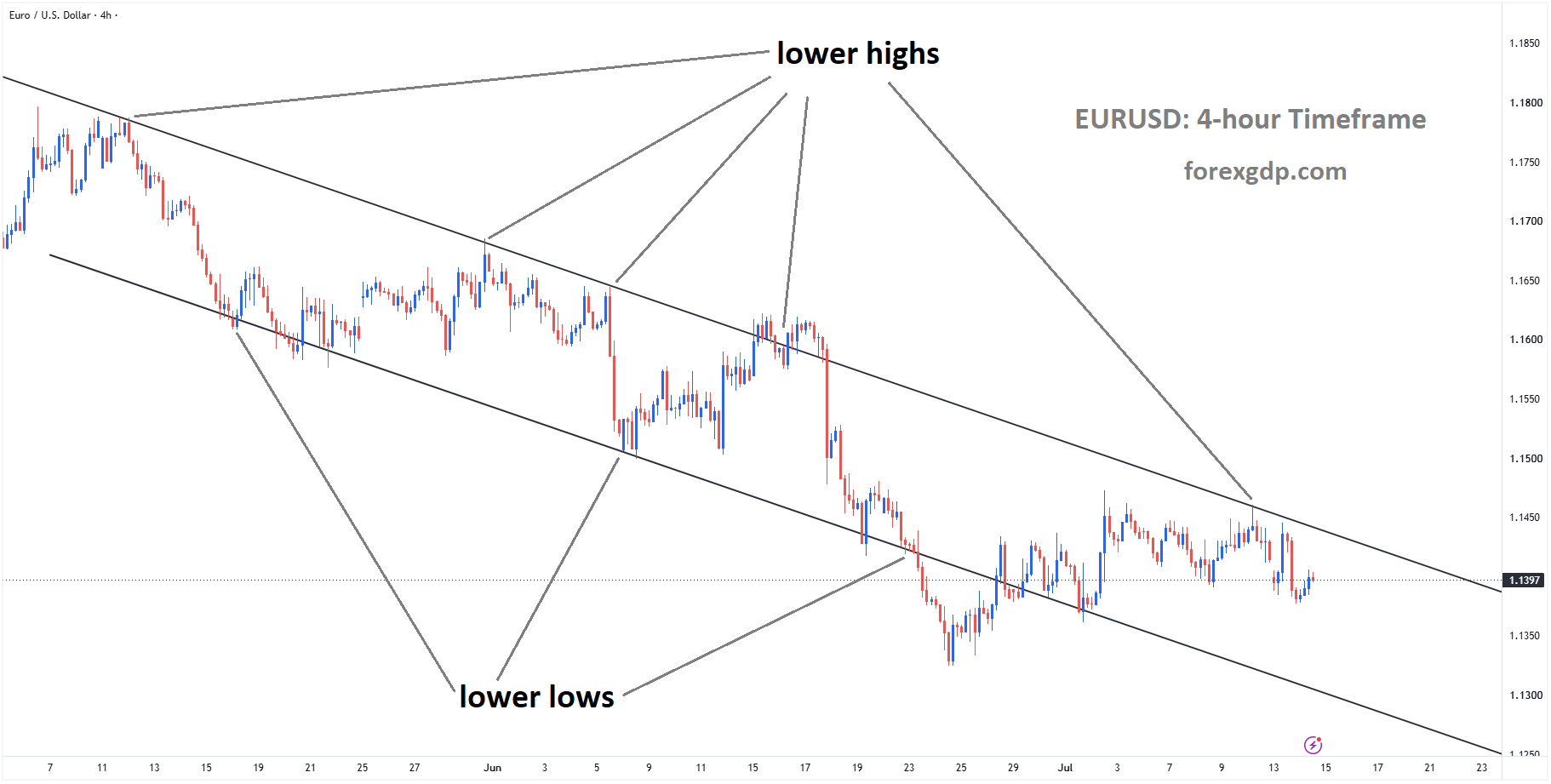
GBPUSD reached the retest area of the broken descending channel
One clear sign of this shift is the amount of time people spend unemployed. The median duration of unemployment has increased, meaning job seekers are taking longer to secure new positions.
As of recent data, the typical job seeker spends over 11 weeks looking for work. This is noticeably longer than the previous year, showing that the job search process is becoming more difficult.
Why Job Searches Are Taking Longer
There are several reasons behind longer job searches:
- Companies are being more selective in hiring
- Fewer job openings compared to peak hiring periods
- Increased competition among applicants
- Changes in hiring processes, including multiple interview rounds
These factors make it harder for individuals to stand out and secure offers quickly.
The Rise of Long-Term Unemployment
One of the more concerning trends is the increase in long-term unemployment. This refers to people who have been without a job for 27 weeks or more.
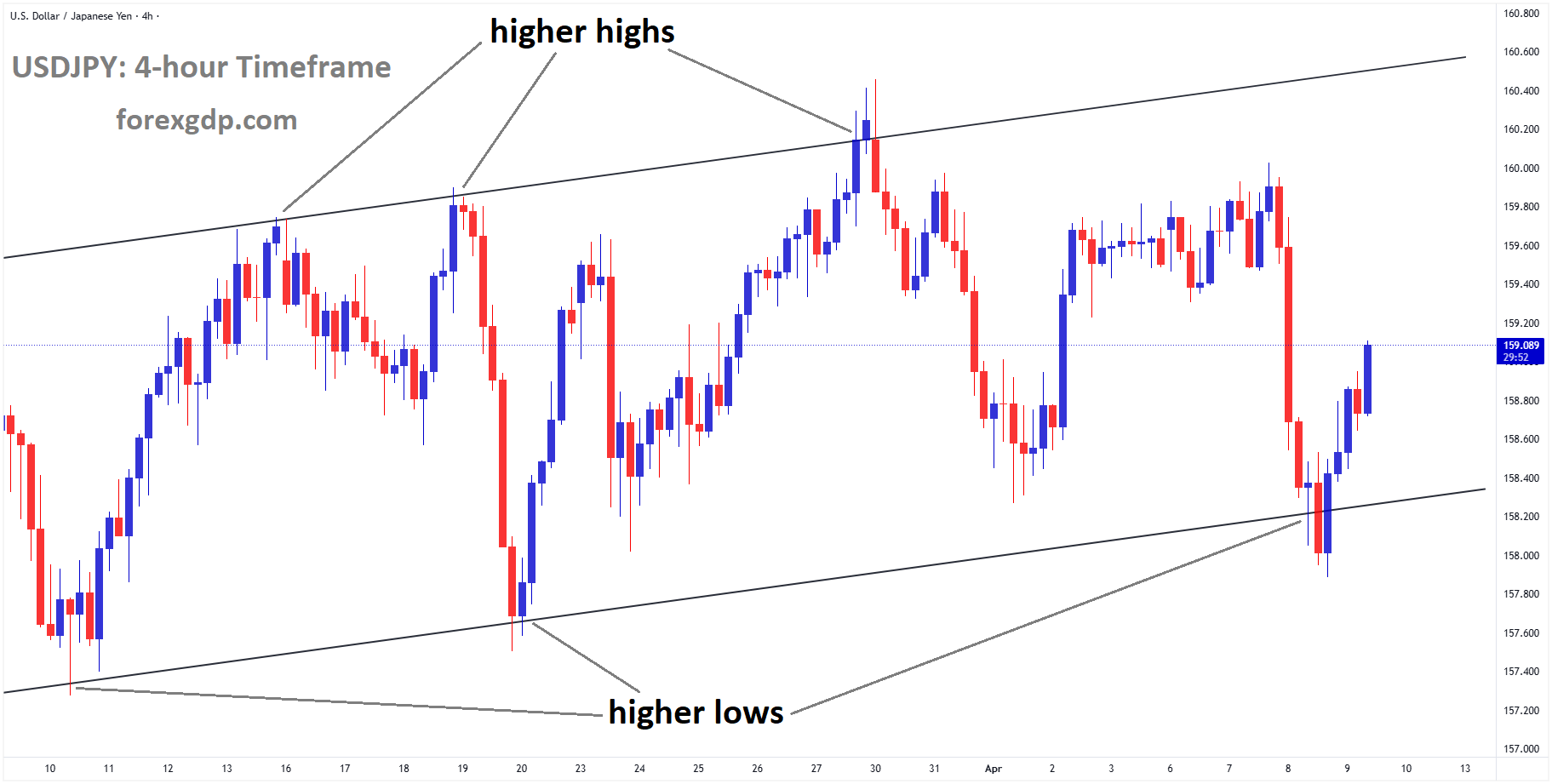
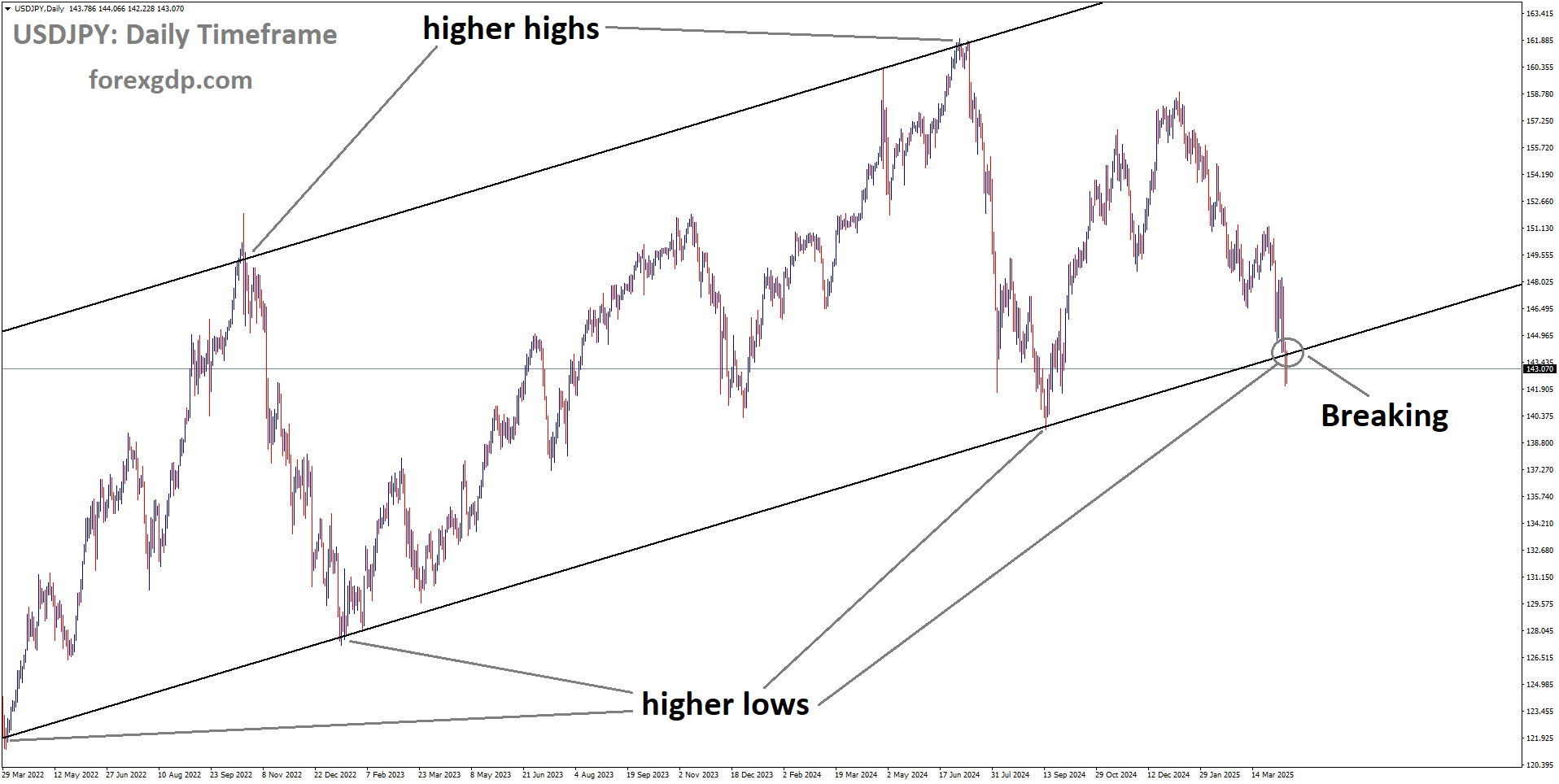
USDJPY is moving in an ascending channel, and the market has rebounded from the higher low area of the channel
Currently, more than a quarter of unemployed Americans fall into this category. That is a significant portion and highlights how difficult it can be to re-enter the workforce after an extended period.
Some individuals report searching for jobs for months or even years. Others have submitted hundreds or thousands of applications without success. This level of persistence shows determination, but it also reflects how challenging the market has become.
The Impact of Long-Term Unemployment

Being out of work for a long time can have several effects:
- Reduced confidence and motivation
- Financial strain on individuals and families
- Difficulty explaining employment gaps
- Skills becoming outdated in fast-changing industries
These challenges can make it even harder for people to find new opportunities, creating a cycle that is difficult to break.
Signs of Hope in Job Growth
Despite the concerns, there are still positive developments in the job market. Recent data shows that job creation has exceeded expectations, offering a hopeful signal for workers.
A strong increase in new jobs suggests that businesses are still hiring and that the economy continues to generate opportunities. Even more encouraging is that job growth is spread across different industries, rather than being limited to a few sectors.
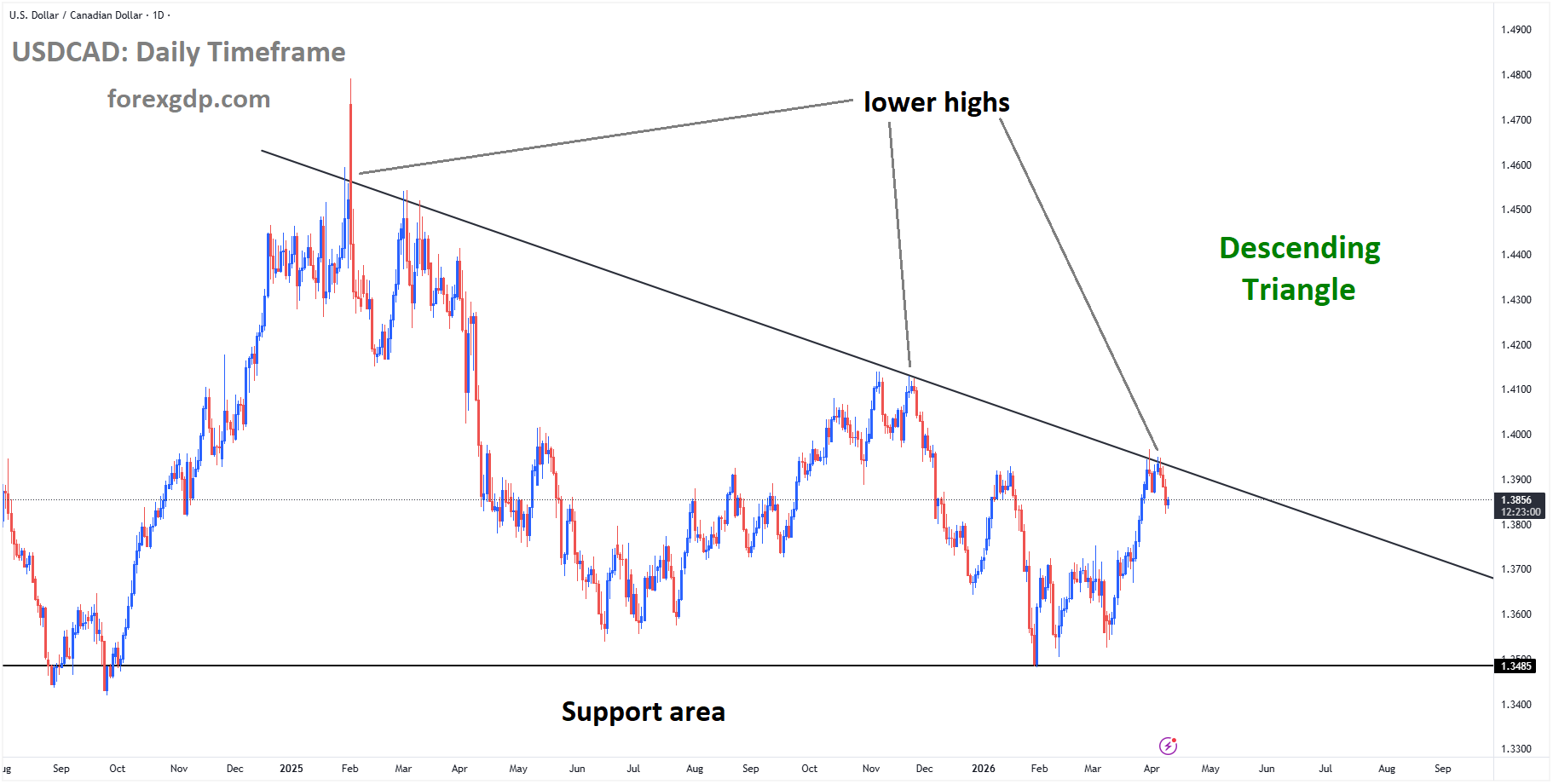
USDCAD is moving in a descending triangle pattern, and the market has fallen from the lower high area of the pattern
This broader hiring trend means that more people, with different skills and backgrounds, may have a chance to find suitable roles.
Why Job Growth Matters
Strong job growth can have several benefits:
- More opportunities for job seekers
- Increased confidence in the labor market
- Potential for wage growth over time
- Improved overall economic stability
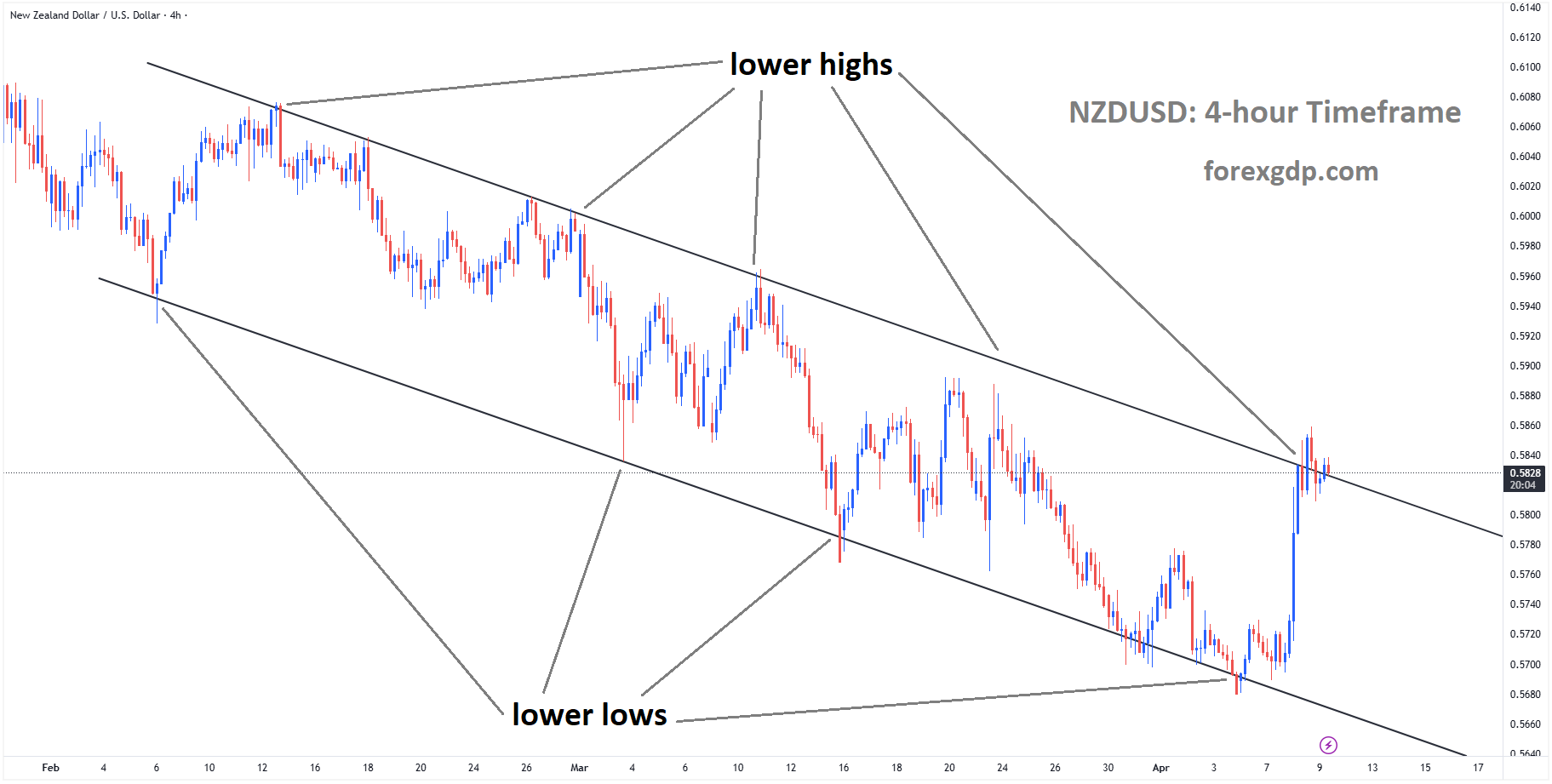
NZDUSD is moving in a descending channel, and the market has reached the lower high area of the channel
While it may not solve all challenges immediately, consistent job creation is an important step in rebuilding confidence.
Balancing Optimism and Reality
The current job market presents a mix of positives and negatives. On one side, unemployment remains relatively low, and new jobs are being created. On the other, hiring has slowed, and workers feel less confident about their prospects.
This combination creates a complicated picture. It is not a crisis, but it is also not a period of strong confidence and growth.
For many Americans, the uncertainty lies in not knowing how long it will take to find work if needed. That uncertainty alone can shape decisions about spending, saving, and career moves.
What This Means for Workers
For individuals navigating this environment, adaptability is key. The job market is changing, and those who stay flexible may have a better chance of success.
Practical Steps for Job Seekers
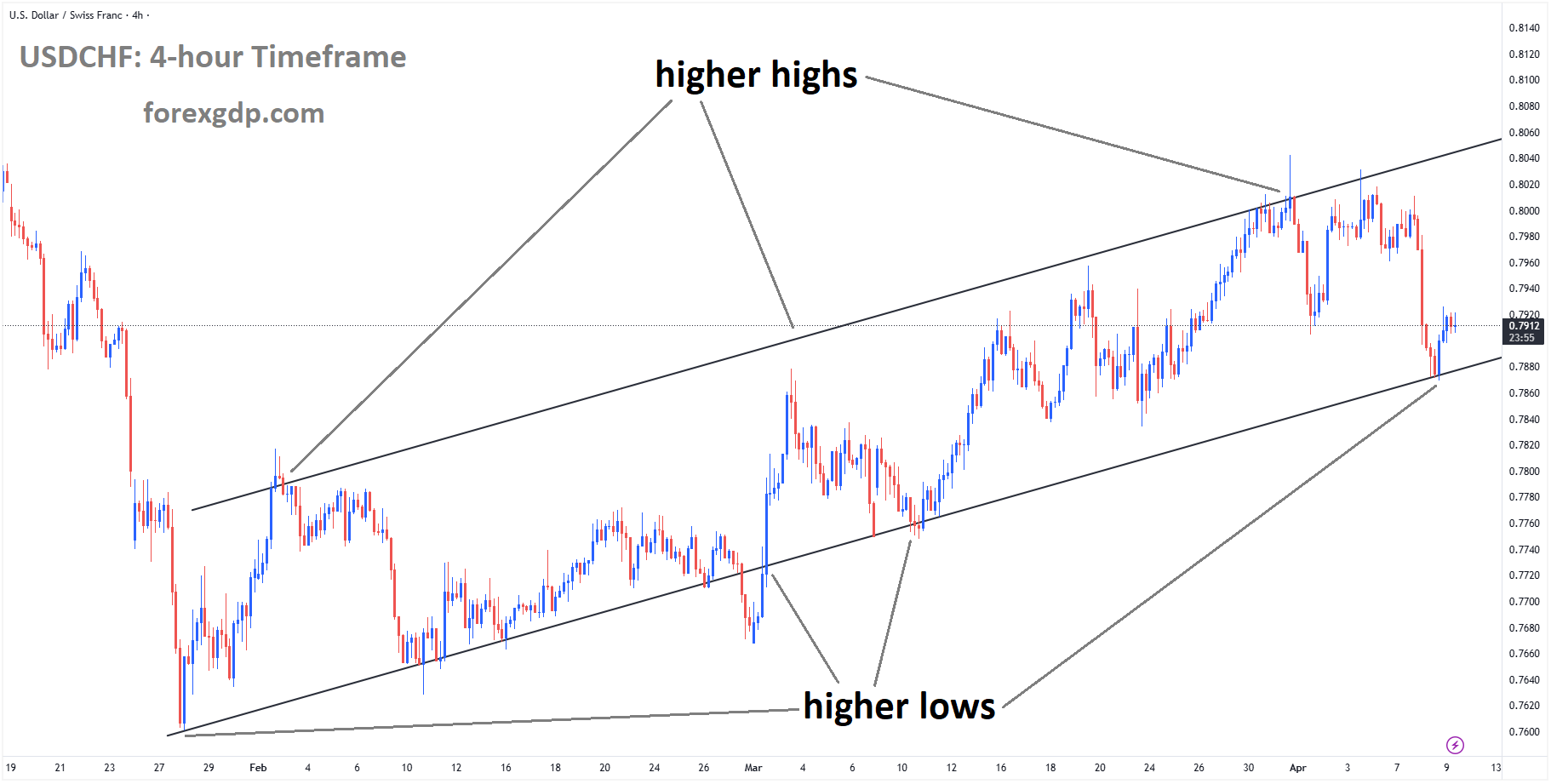
USDCHF is moving in an ascending channel, and the market has rebounded from the higher low area of the channel
- Continuously update skills to match market demand
- Expand job search strategies beyond traditional methods
- Network with professionals in relevant fields
- Stay informed about industry trends
While the process may take longer than expected, persistence and preparation can make a difference.
Summary
The outlook for the U.S. job market is filled with both challenges and opportunities. Many Americans are feeling less confident about finding new jobs quickly, and concerns about job security are growing. Economic pressures and slower hiring have added to this uncertainty, making job searches longer and more competitive.

At the same time, steady job creation offers a reason for cautious optimism. Opportunities still exist, even if they are harder to secure than before. For workers, understanding these trends and adapting to them can help navigate an uncertain but evolving job landscape.
Don’t trade all the time, trade forex only at the confirmed trade setups
Get more confirmed trade signals at premium or supreme – Click here to get more signals, 2200%, 800% growth in Real Live USD trading account of our users – click here to see , or If you want to get FREE Trial signals, You can Join FREE Signals Now!