

Trading looks easy from the outside. Charts, numbers, a few clicks—and boom, money. But step inside for a week, and you’ll realize something uncomfortable: most people aren’t losing because of the market… they’re losing because of themselves.
That quote—“Keep your losses small and your mind clear”—isn’t motivational fluff. It’s survival advice. Ignore it, and trading will punish you fast. Follow it, and you at least give yourself a fighting chance.
Why Most Traders Crash and Burn
Let’s be blunt. Most traders don’t fail because they lack knowledge. They fail because they can’t handle losses.
- They hold losing trades too long
- They risk too much on one idea
- They let emotions override logic
A small mistake becomes a big loss. And one big loss? That’s often the beginning of the end.
The Trap of “It Will Come Back”
We’ve all been there. You enter a trade, it goes against you, and you think:
“Just a little more… it’ll reverse.”
That’s not strategy—that’s hope. And hope is dangerous in trading.
- Markets don’t care about your entry
- Prices can go further against you than you expect
- Waiting often turns small losses into disasters
Holding onto a bad trade is like refusing to exit a sinking ship. It doesn’t make you brave—it makes you stuck.
What Keeping Losses Small Really Means
This isn’t complicated, but it’s uncomfortable.
- Use a stop-loss—and don’t move it out of fear
- Risk only a small portion of your account (1–2%)
- Accept being wrong quickly
You’re not trying to avoid losses. You’re trying to control them.
Because in trading, control beats prediction every time.
Your Ego Is Quietly Destroying You
Here’s something nobody likes to admit—ego is a silent killer.
You don’t want to be wrong. So instead of closing a losing trade, you:
- Hold longer
- Add more positions
- Convince yourself you’re “right”
That’s not trading anymore. That’s defending your pride. And the market doesn’t reward pride—it crushes it.

Why Big Losses Are So Dangerous
A big loss doesn’t just hurt your account—it messes with your head.
- Lose 20%, and you need 25% just to recover
- Lose 50%, and you need 100% to break even
Now add emotional pressure on top of that. Suddenly, you’re forcing trades, chasing wins, and making worse decisions.
Small losses? Manageable. Big losses? They spiral fast.
The Second Rule: Keep Your Mind Clear
This is where most traders underestimate the game.
You can have a great strategy, but if your mind is cluttered, you’ll still lose.
A clear mind helps you:
- Follow your plan
- Stay patient
- Avoid impulsive decisions
A messy mind does the opposite. It pushes you into mistakes you wouldn’t normally make.
What Happens When You Trade Emotionally
Trading with emotions is like driving blindfolded. You might move forward, but you’re not in control.
Here’s what usually happens:
- You overtrade after a loss
- You enter trades without proper setup
- You ignore your own rules
And the worst part? You know you’re doing it, but you can’t stop.
Revenge Trading: The Silent Account Killer
One loss turns into anger. Anger turns into action.
You jump into another trade, trying to “win it back.” That’s revenge trading—and it’s brutal.
- It’s impulsive, not planned
- It ignores risk management
- It often leads to more losses
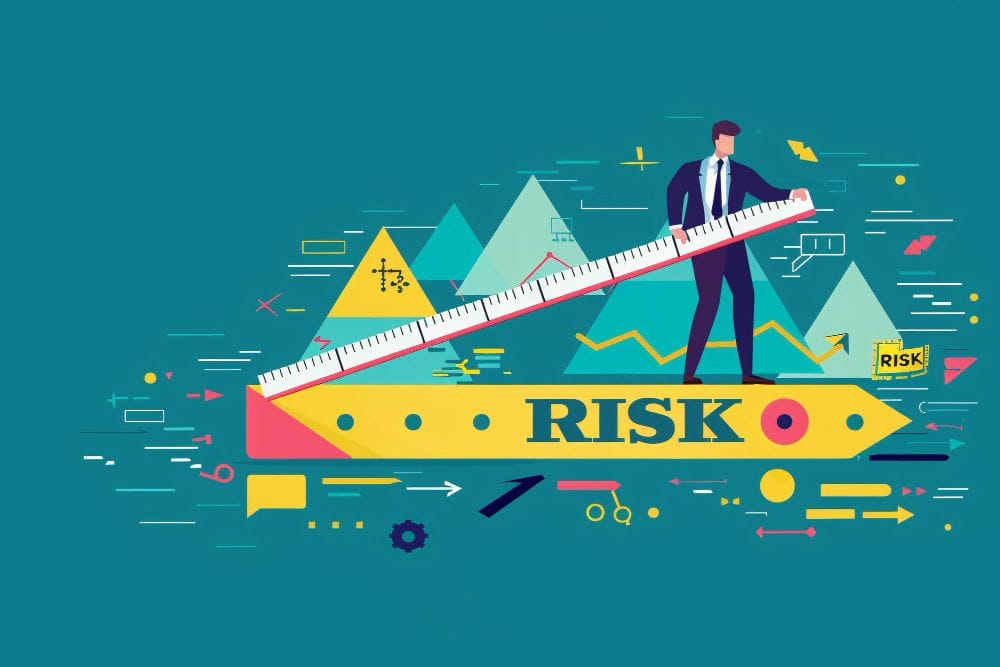
The smartest move after a loss? Step away. Not fight back.
Discipline: The Skill Nobody Wants but Everyone Needs
Discipline isn’t exciting. It doesn’t feel good. But it works.
It means:
- Taking losses without hesitation
- Following rules even when it’s boring
- Walking away when you’re not focused
Discipline won’t give you instant wins—but it will keep you in the game.
Stop Chasing Perfect Trades
There’s no such thing as a perfect setup. Waiting for perfection leads to hesitation or late entries.
Instead:
- Focus on good setups, not perfect ones
- Accept uncertainty
- Stick to your plan
Consistency beats perfection. Every single time.
Risk Management Is Your Real Advantage
Forget indicators and complex strategies for a moment.
The only thing you truly control is risk.
- You can’t control market direction
- You can control how much you lose
That’s your edge. Protect it.
Because if you survive long enough, opportunities will come.
Why Trading Feels Like Gambling Sometimes
Let’s be honest—trading can feel addictive.
- The wins give you a rush
- The losses trigger frustration
- The constant action keeps you hooked
But here’s the truth: if trading feels like a thrill ride, you’re probably overdoing it.
Professional trading is calm, controlled, and sometimes… boring.

Build a Simple, Repeatable Routine
A clear mind comes from structure. Without it, you’ll drift.
Try something simple:
- Analyze markets at a fixed time
- Take only planned trades
- Set stop-loss and target immediately
- Walk away
No overthinking. No constant chart-watching.
Sometimes the Best Trade Is No Trade
This one’s hard to accept.
But not trading is often better than forcing a bad trade.
- If you’re tired—don’t trade
- If you’re emotional—don’t trade
- If nothing is clear—don’t trade
Sitting out is not weakness. It’s control.
Accept Losses Like a Business Expense
Losses are part of the game. You can’t avoid them.
Think of them like:
- Paying rent
- Buying inventory
- Running a business
Once you accept that, losses stop feeling personal. They just become part of the process.
Consistency Over Big Wins
You don’t need huge profits to succeed.
What you need is consistency.
- Small losses
- Small wins
- Controlled risk
Over time, this builds stability. And stability leads to growth.
Think Like a Boxer, Not a Gambler
A good boxer doesn’t swing wildly for a knockout every second.
They:
- Protect themselves
- Pick their shots
- Avoid unnecessary damage
Trading works the same way. One careless move can end everything.
The Hidden Cost: Your Mental Health
Bad trading doesn’t just affect your money.
It affects your life.
- Stress
- Anxiety
- Constant overthinking
If your mind isn’t clear, trading becomes exhausting. And that’s not sustainable.

Conclusion: Control Yourself or Lose Control of Everything
Trading isn’t about predicting the market. It’s about managing yourself.
If you can:
- Keep your losses small
- Stay mentally clear
- Control your emotions
You already have an advantage most traders don’t.
Ignore these rules, and the market will teach you the hard way. Follow them, and you might just last long enough to succeed.
FAQs
1. Why do traders struggle to cut losses?
Because it feels like admitting defeat. Ego and hope make traders hold on longer than they should.
2. What is the ideal risk per trade?
Most experienced traders risk only 1–2% of their account per trade to stay safe.
3. How can I stay mentally clear while trading?
Stick to a routine, avoid overtrading, and take breaks when you feel emotional or tired.
4. Is it possible to succeed with small profits?
Yes. Consistent small gains with controlled losses can grow an account steadily over time.
5. How do I avoid revenge trading?
Step away after a loss, reset your mindset, and only return when you can follow your plan calmly.