

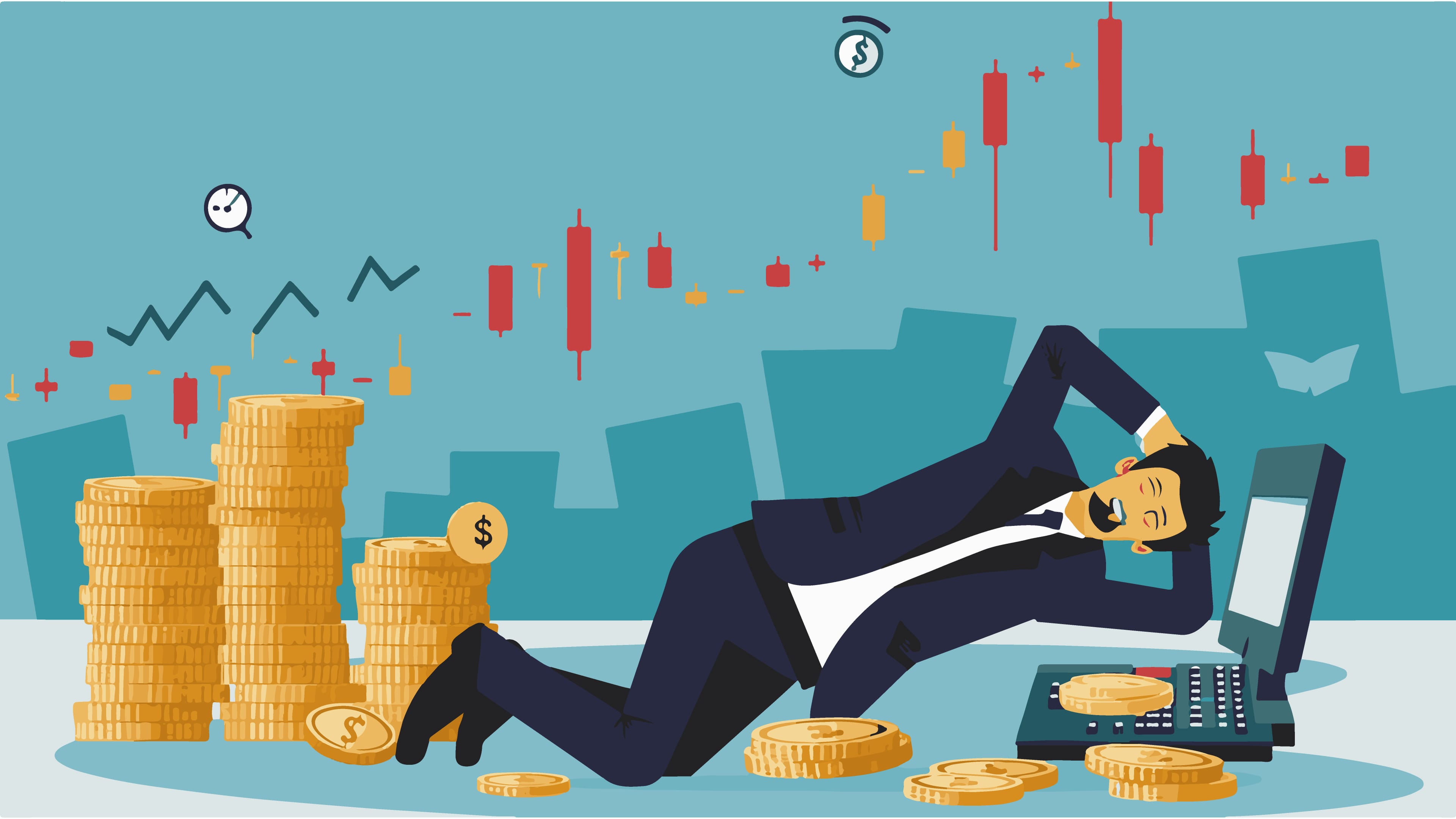
Trading is not just about charts, indicators, or market analysis. The real battle happens inside your mind. Many traders enter the market believing success comes from finding the perfect strategy. Sadly, that’s far from reality. Most traders lose because fear controls their decisions.
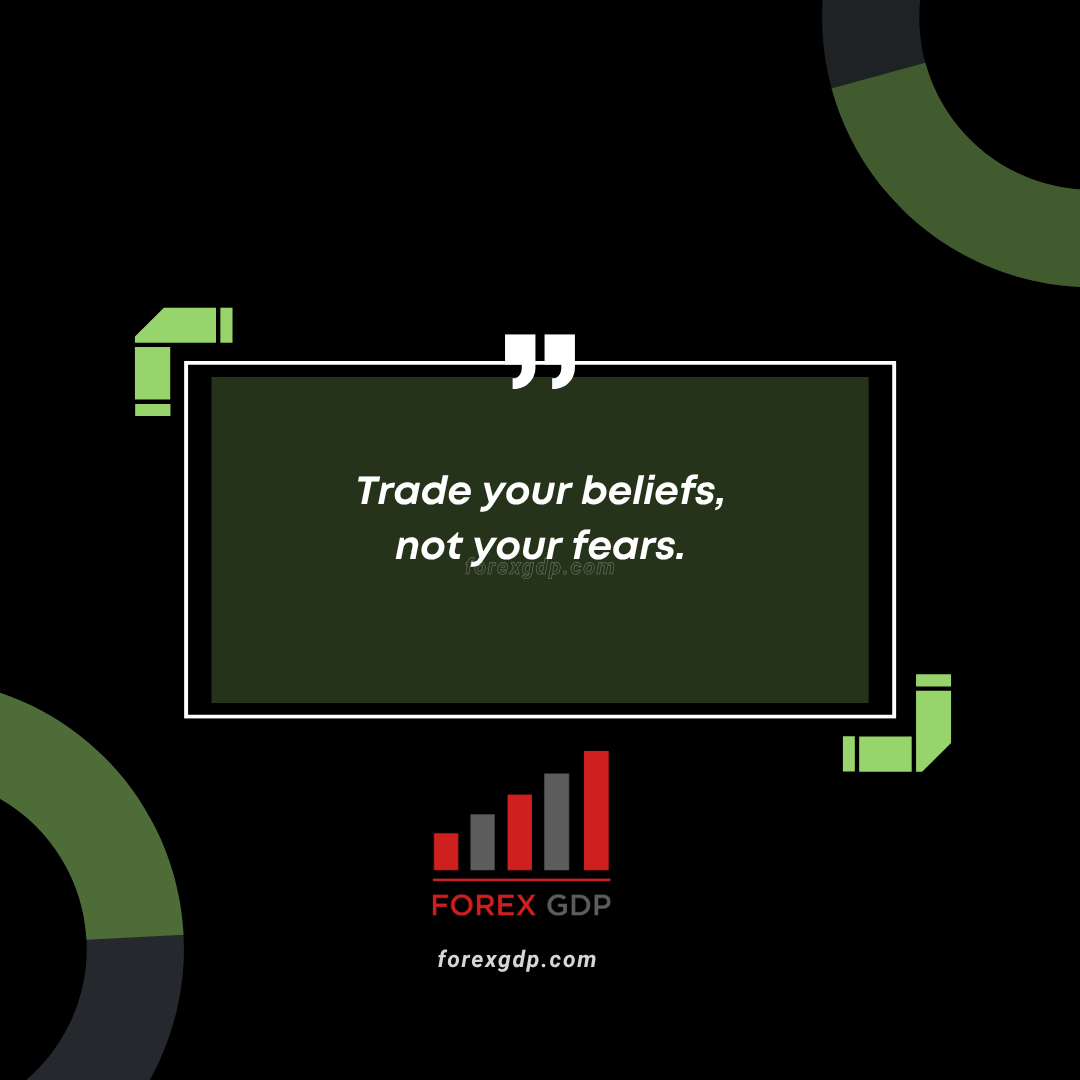
The quote “Trade your beliefs, not your fears” carries a powerful message. It reminds traders to trust their knowledge, strategy, and preparation instead of reacting emotionally. Fear can destroy even the best trading plan in seconds.
Whether you trade forex, stocks, or crypto, mastering your mindset is the key to long-term success.
Why Fear Destroys Traders
Fear is natural. Every human experiences it. But in trading, fear becomes dangerous because it affects decision-making.
Fear causes traders to:
- Exit trades too early
- Avoid good setups
- Overtrade after losses
- Panic during market volatility
- Ignore their trading plans
Imagine driving a car while constantly slamming the brakes. You’ll never reach your destination smoothly. Trading works the same way. Fear interrupts logic and creates chaos.
What Does “Trade Your Beliefs” Really Mean?
Trading your beliefs means trusting your analysis and strategy instead of reacting emotionally to every market movement.
Your beliefs should come from:
- Backtested strategies
- Market knowledge
- Risk management rules
- Trading experience
- Discipline and patience
Professional traders focus on probabilities, not emotions. They understand losses are part of the process.
Amateur traders chase emotions. Professionals trust systems.
The Cycle of Fear-Based Trading
Fear-based trading usually follows a painful pattern.
1. A Loss Happens
Every trader loses sometimes. It’s normal.
2. Confidence Drops
Instead of accepting the loss, traders begin doubting themselves.
3. Emotional Decisions Begin
This leads to:
- Revenge trading
- Random entries
- Bigger lot sizes
- Ignoring stop losses
4. More Losses Follow
One emotional trade often creates another. This cycle destroys accounts faster than bad strategies ever could.
Confidence Comes From Preparation
Confidence is built through preparation, not motivation.
A trader who studies the market regularly feels calmer under pressure. Why? Because preparation creates trust.
Real confidence comes from:
- Practicing strategies
- Reviewing trades
- Keeping journals
- Understanding risk management
- Learning from mistakes
Would you trust a pilot who never trained? Probably not. The same applies to trading.

Why Most Traders Fail Emotionally
Many traders actually have decent strategies. Their problem is emotional execution.
A trader may know exactly what to do but still fail because they:
- Panic too quickly
- Break trading rules
- Chase losses
- Let greed control decisions
It’s like having a map but refusing to follow it.
The market punishes emotional behavior harshly.
Fear in Forex Trading
Forex trading moves quickly. Prices react instantly to news, inflation data, interest rates, and global events.
That speed creates emotional pressure.
Common Trading Fears
Fear of Losing Money
Nobody enjoys losing. But traders who become obsessed with avoiding losses often make worse decisions.
Fear of Missing Out (FOMO)
The market moves fast, and traders jump into trades late because they fear missing profits.
Fear of Being Wrong
Some traders refuse to close losing trades because their ego cannot handle being wrong.
Fear After Consecutive Losses
After several bad trades, traders become afraid to enter even strong setups. Fear clouds judgment like fog covering a road.
Trading Without a Plan Is Dangerous
A trading plan acts like a roadmap. Without it, traders rely on emotions. A good trading plan should include:

- Entry rules
- Exit rules
- Risk percentage
- Stop loss placement
- Profit targets
- Trading schedule
Without structure, fear takes control quickly.
And fear never leads traders in the right direction.
How Professional Traders Handle Fear
Professional traders are not fearless. They simply manage emotions better.
Here’s what they do differently:
- Accept losses calmly
- Focus on long-term results
- Use proper risk management
- Avoid emotional attachment to trades
- Stay disciplined during volatility
They understand that one trade means nothing in the bigger picture.
That mindset changes everything.
Risk Management Protects Traders
Risk management is the safety net of trading.
Many traders ignore it because it feels boring. But boring habits often create consistent profits.
Good risk management includes:
- Risking only small percentages per trade
- Using stop losses
- Avoiding overleveraging
- Staying realistic about profits
When traders risk too much money, emotions become uncontrollable. Every trade suddenly feels life-changing. That pressure destroys clear thinking.
Social Media Creates Unrealistic Expectations
Social media has damaged trading culture badly.
Everywhere online, people post:
- Luxury cars
- Massive profits
- Fake screenshots
- “Get rich quick” lifestyles
New traders start believing success should happen instantly. Then reality hits hard. Real trading is slow, disciplined, and repetitive. Consistency matters far more than flashy profits. Trading is not a lottery ticket.
Patience Is a Superpower in Trading
Most traders lose because they cannot wait. They force trades out of boredom or excitement. But successful traders understand patience. Think of a sniper. A sniper waits carefully for the perfect opportunity instead of firing randomly.
Trading works the same way. Sometimes the smartest decision is doing nothing.

The Power of Emotional Discipline
Discipline means following your plan even when emotions tell you otherwise.
Emotionally disciplined traders:
- Respect stop losses
- Avoid revenge trading
- Stay calm during losses
- Ignore emotional impulses
- Focus on consistency
Discipline may feel boring, but it builds long-term success.
Without discipline, fear and greed control everything.
Why Trading Journals Matter
Many traders skip journaling. That’s a huge mistake.
A trading journal helps identify:
- Emotional patterns
- Repeated mistakes
- Strong setups
- Weak habits
Journals create self-awareness. Without self-awareness, traders keep repeating the same emotional errors again and again.
Simple Strategies Often Work Better
Many traders overcomplicate trading. They use too many indicators, too many strategies, and too much analysis.
Complexity creates confusion. Simple trading systems are easier to follow consistently.
Most successful traders focus on:
- Price action
- Market structure
- Trends
- Risk management
- Discipline
Simple doesn’t mean weak. Simple often means effective.
Trading Is Mostly Mental
Beginners think trading is all about technical analysis. Experienced traders know the truth:
Trading is mostly psychological. A strong mindset matters more than fancy indicators. Even the best strategy fails when emotions take over. That’s why successful traders spend years improving emotional control, patience, and discipline.
How to Build a Winning Trading Mindset
Building a strong mindset takes time.
Here are some important habits:
Accept Losses
Losses are part of trading. No strategy wins all the time.
Think Long-Term
One trade does not define your future.
Control Risk
Smaller risk reduces emotional pressure.
Focus on Process
Good habits create good results over time.
Stay Emotionally Neutral
Don’t let wins make you overconfident or losses make you desperate.
Consistency beats emotional reactions every single time.
Conclusion
The phrase “Trade your beliefs, not your fears” is one of the most important lessons in trading.
Fear will always exist. The market is unpredictable, and losses are unavoidable. But successful traders learn to trust preparation, discipline, and strategy instead of emotional impulses.
Trading success does not belong to the smartest person in the room. It belongs to the trader who can stay calm under pressure, manage risk properly, and remain disciplined during both wins and losses.
In the end, the market rewards emotional control far more than excitement.
Trade with logic.
Trade with patience.
And most importantly, trade your beliefs—not your fears.
FAQs
1. What does “Trade your beliefs, not your fears” mean?
It means traders should trust their strategy and preparation instead of making emotional decisions based on fear.
2. Why do traders fail emotionally?
Most traders fail because fear, greed, and impatience cause them to break their trading rules.
3. How can beginners control fear in trading?
Beginners can control fear by using proper risk management, following a trading plan, and avoiding overleveraging.
4. Is mindset important in forex trading?
Yes. Trading psychology is extremely important because emotions directly affect decision-making.
5. What is the biggest mistake traders make?
The biggest mistake is trading emotionally without discipline or a proper trading plan.