

Forex trading looks exciting from the outside. Social media is full of luxury cars, profit screenshots, and people claiming they turned $100 into thousands overnight. But the reality is much darker. Most traders lose money because they constantly chase shortcuts instead of mastering what already works.
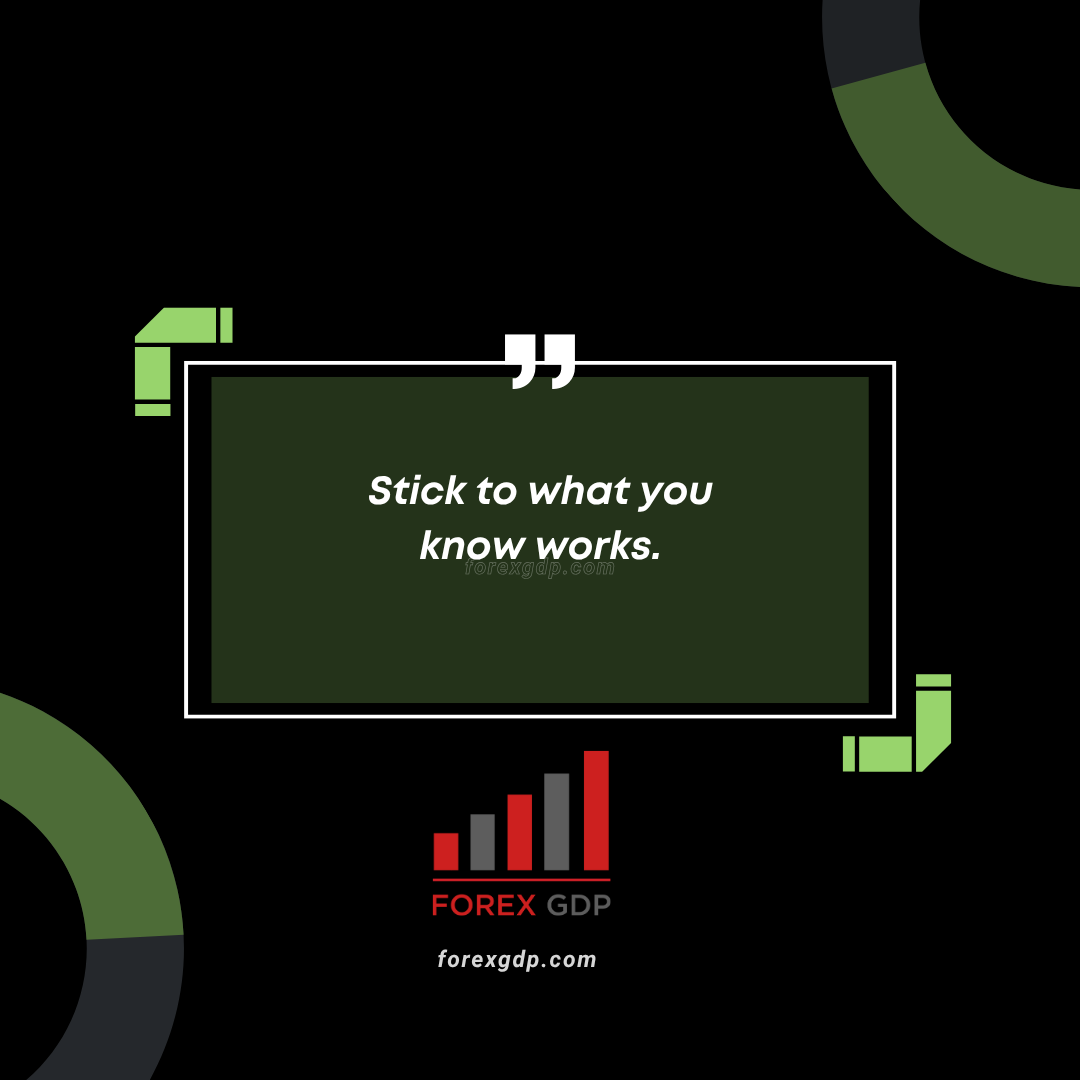
The quote in the image — “Stick to what you know works.” — may sound simple, but in trading, simplicity is powerful. The market punishes confusion, emotional decisions, and unnecessary complexity. Traders who stay disciplined and trust proven strategies usually survive longer than those chasing the next “holy grail.”
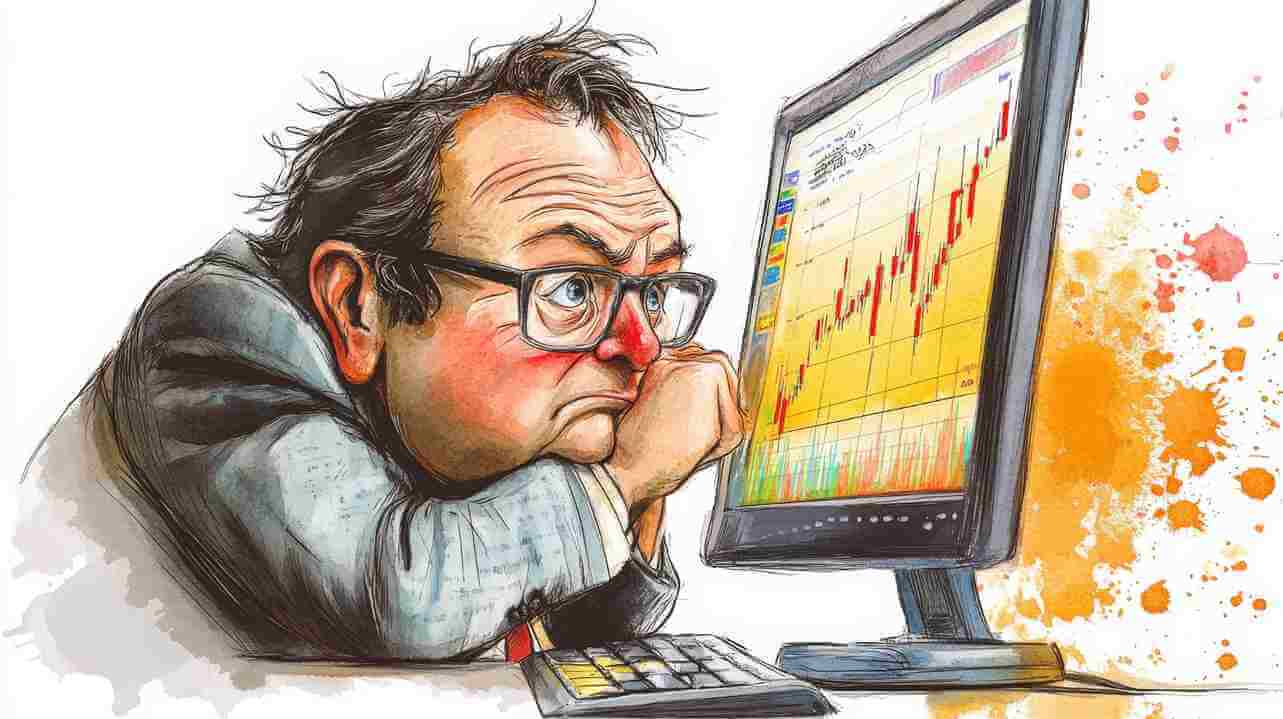
Why Most Forex Traders Fail
Many traders fail because they change strategies too often. One week they use scalping, the next week they follow indicators, and then suddenly they jump into smart money concepts because a YouTuber promised huge profits.
This creates chaos. Instead of mastering one strategy deeply, traders keep restarting from zero. It’s like trying to learn ten languages at once and mastering none of them. Consistency disappears, and losses increase.
Successful traders understand something important: every strategy has losing trades. Losses are normal. What matters is following a tested system with discipline instead of reacting emotionally after every setback.
The Addiction to “New” Trading Strategies
Forex traders often believe a new strategy will magically solve all their problems. After a few losses, they panic and search for another indicator, another mentor, or another course.
But the problem usually isn’t the strategy. It’s the trader.
A profitable system can still fail if the trader ignores rules, overtrades, or risks too much money. Constantly changing methods only destroys confidence and creates confusion. Traders who win long-term are usually the ones who stick with simple, proven systems and refine them slowly over time.
Simple Strategies Often Work Better
Many beginners think complicated charts make them smarter traders. Their screens become filled with indicators, signals, and random tools that only create stress.
In reality, some of the best traders use simple methods:
- Support and resistance
- Trend following
- Price action
- Risk management
That’s it.
Trading doesn’t reward complexity. It rewards consistency. A simple strategy executed correctly is far more powerful than a complicated strategy used emotionally.
Emotions Destroy More Accounts Than Bad Strategies
Fear and greed ruin traders every single day. Fear causes traders to close winning trades too early. Greed makes them risk too much. Revenge trading pushes them into terrible decisions after losses.
The market becomes dangerous when emotions take control.
Professional traders understand that trading is mostly psychological. They don’t panic after a loss because they trust their process. They know losing trades are part of the business. Beginners, however, often react emotionally and abandon strategies too quickly.
Why Risk Management Matters So Much
A good strategy without risk management is useless. Many traders focus only on entries while ignoring how much money they risk per trade.
That’s a huge mistake.
Professional traders protect their capital carefully. They know survival matters more than quick profits. Even the best strategies can experience losing streaks, so controlling risk is essential.
Small, controlled losses are normal. Huge emotional losses destroy accounts permanently.
Patience Is the Skill Most Traders Ignore
Modern society trains people to expect instant results. Everyone wants fast money, fast success, and quick rewards. But forex trading doesn’t work like that.
Sometimes the best trade is no trade at all.
Beginners struggle with patience because they feel the need to constantly enter the market. They force setups that don’t exist and end up taking unnecessary losses. Experienced traders wait calmly for high-quality opportunities instead of trading out of boredom.
Patience may feel boring, but in trading, boring often wins.
Social Media Has Created Unrealistic Expectations
Social media has damaged the trading industry badly. Fake gurus show rented cars, fake lifestyles, and unrealistic profits to attract attention.
New traders start believing trading should make them rich quickly. When reality hits, frustration begins. They abandon strategies too soon because they expect instant success.
Real trading success is much less glamorous. It involves discipline, routine, patience, and emotional control. Most profitable traders live quiet, structured lives instead of chasing internet attention.
Mastery Comes From Repetition
Think about athletes or musicians. They repeat the same fundamentals thousands of times until those actions become natural.
Trading works exactly the same way.

You don’t become profitable by learning hundreds of strategies. You become profitable by mastering one system deeply. Repetition builds confidence, experience, and emotional control.
Over time, charts become easier to understand because you’ve seen the same patterns repeatedly. Experience slowly replaces fear.
Overtrading Is Financial Self-Destruction
Many traders think more trades mean more money. Usually, the opposite happens.
Overtrading often comes from greed, boredom, or revenge after losses. Instead of waiting for quality setups, traders force trades constantly. This leads to emotional decisions and unnecessary losses.
Professional traders value precision over quantity. One excellent trade is better than ten emotional ones. Trading should feel controlled, not chaotic.
Discipline Is More Important Than Intelligence
Surprisingly, smart people often struggle in forex trading because they overcomplicate everything. They constantly search for hidden secrets instead of focusing on basic consistency.
The market doesn’t reward ego or intelligence alone. It rewards discipline.
A disciplined trader who follows simple rules consistently can outperform someone with advanced knowledge but poor emotional control. Trading success usually comes from controlling yourself, not controlling the market.
How to Find What Actually Works for You
Not every strategy fits every trader. Some people enjoy fast-paced scalping, while others prefer slower swing trading. The key is finding a method that matches your personality and schedule.
Once you find a strategy with a real edge, stop jumping around constantly. Test it properly, improve slowly, and build confidence through repetition.

That’s how long-term success begins.
Conclusion
The quote “Stick to what you know works” carries a powerful lesson for every forex trader. Most people fail because they chase excitement instead of consistency. They abandon proven methods after temporary losses and search endlessly for shortcuts that don’t exist.
Real success in forex trading comes from discipline, patience, emotional control, and proper risk management. The traders who survive aren’t always the smartest — they’re usually the most consistent.
In the end, trading isn’t about finding magic. It’s about mastering simplicity and trusting the process long enough to let it work.
FAQs
1. Why do traders keep changing strategies?
Most traders panic after losses and believe a new strategy will solve their problems instead of improving discipline and patience.
2. Are simple forex strategies profitable?
Yes. Many successful traders use simple methods like price action, trend trading, and support/resistance combined with proper risk management.
3. What is the biggest reason traders lose money?
Poor emotional control and bad risk management are the biggest reasons most traders fail.
4. How important is patience in forex trading?
Patience is extremely important because forcing trades often leads to unnecessary losses and emotional decisions.
5. Is discipline more important than strategy?
Absolutely. Even a great strategy will fail if the trader lacks discipline and emotional control.