

Forex trading looks exciting from the outside. Social media makes it seem easy — fast money, luxury lifestyles, and instant success. But the reality is much darker. Most traders lose because they enter the market emotionally unprepared and financially impatient. Forex is not a shortcut to wealth. It’s a battlefield where discipline matters more than luck.
The phrase “Your best trade is still ahead” carries a powerful message. One bad trade doesn’t define your future. A missed opportunity isn’t the end of your journey. The market keeps moving, and new opportunities always appear for traders who stay patient and focused.
What Does “Your Best Trade Is Still Ahead” Mean?
This phrase is more than motivation. It’s a mindset every trader needs to survive. Many beginners become obsessed with losses and start doubting themselves after a few bad trades. That emotional spiral destroys confidence and leads to even bigger mistakes.
The truth is simple: forex trading is a long game. Professional traders understand that losses are temporary. Instead of crying over missed trades, they focus on preparing for the next setup. The market always gives another chance.
The Ugly Reality of Forex Trading
Most people enter forex expecting quick profits. They watch flashy videos online and think trading is easy money. Then reality hits hard. Accounts get blown, emotions explode, and confidence disappears overnight.
Nobody talks about the stress behind trading. The sleepless nights, the frustration after losses, and the emotional exhaustion are real. Forex can become mentally draining if you don’t control your emotions. That’s why many traders quit before they ever improve.
Why Most Traders Fail
The biggest reason traders fail is greed. People want fast money, so they overtrade, risk too much, and ignore discipline. Instead of treating trading like a business, they treat it like gambling.
Another huge problem is impatience. Traders jump into random setups because they fear missing out. They chase the market emotionally and end up making poor decisions. In forex, emotional trading is like driving a car without brakes — eventually, disaster becomes unavoidable.
Losses Are Part of the Game
Every successful trader has lost money. Losses are unavoidable in forex. Even the best strategies fail sometimes because no system wins 100% of the time.
Instead of fearing losses, traders should learn from them. Each losing trade teaches something valuable about discipline, risk management, or emotional control. Think of losses as tuition fees paid to the market. Painful, yes — but necessary for growth.
The Importance of Trading Psychology
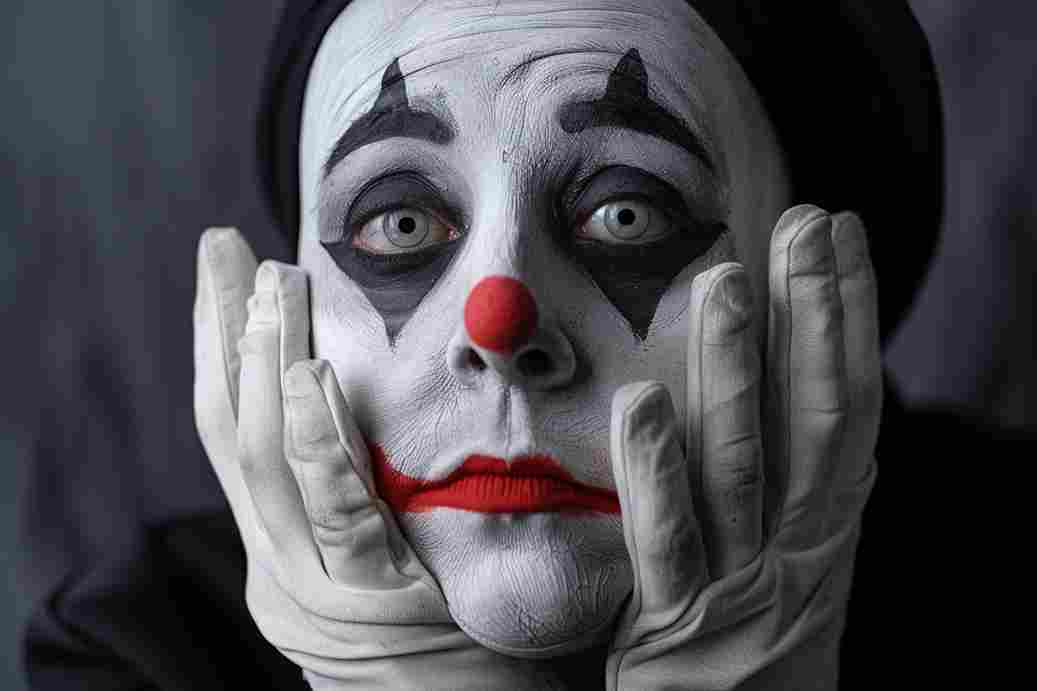
Forex is more psychological than technical. Many beginners waste time searching for “perfect indicators” while ignoring emotional discipline. But even the best strategy fails if emotions take control.
Fear causes traders to close trades too early. Greed makes them hold trades too long. Anger leads to revenge trading. Your mindset becomes either your greatest weapon or your biggest enemy. Successful traders learn to manage emotions before managing money.
Patience Is the Secret Weapon
One of the biggest mistakes traders make is overtrading. They believe they must constantly be in the market to make money. In reality, forcing trades usually leads to losses.
Professional traders wait patiently for high-quality setups. They understand that sometimes the best trade is no trade at all. Patience protects both capital and emotional energy. Forex rewards calm decision-makers, not impulsive gamblers.
Risk Management Saves Traders
Without risk management, forex becomes nothing more than gambling. Many traders destroy accounts because they risk huge amounts on a single trade. One emotional decision can erase months of progress.
Smart traders protect their capital carefully. Most professionals risk only a small percentage per trade because survival matters more than quick profits. If your account survives, you always have another chance to recover.
Discipline Beats Talent
Some people are naturally talented at reading charts, but talent alone means nothing without discipline. A disciplined average trader often outperforms a talented emotional trader.
Successful traders follow routines. They journal trades, stick to plans, and control risk consistently. Trading success doesn’t come from one lucky trade. It comes from repeating good habits over and over again.

The Danger of Revenge Trading
Revenge trading is one of the fastest ways to destroy an account. After a loss, traders often feel angry and desperate to recover money immediately. That emotional state leads to reckless decisions.
The market doesn’t care about your frustration. Trying to “fight back” emotionally only creates more losses. The smartest move after a bad trade is often stepping away and calming down before entering the market again.
Social Media Creates Unrealistic Expectations
Social media has made forex look easier than it really is. Traders constantly post winning screenshots and luxury lifestyles, creating the illusion that everyone is making money except you.
But most of what you see online is carefully edited. Nobody proudly posts blown accounts or emotional breakdowns. Comparing yourself to fake success stories damages confidence and creates unnecessary pressure. Real trading is far less glamorous and much more disciplined.
Why Consistency Matters More Than Big Wins
Many beginners dream of turning small accounts into millions overnight. That fantasy mindset leads to reckless trading and huge risks. Professional traders think differently.
Consistency is more powerful than occasional massive profits. Small, steady gains build long-term success through compounding. Forex is not about hitting jackpots. It’s about surviving and growing steadily over time.
Your Best Trade Is Still Ahead
Every trader experiences losses, frustration, and self-doubt. But one bad day doesn’t define your future. The market keeps moving, and opportunities never stop appearing.
Your next great trade could happen tomorrow, next week, or next month. What matters most is staying disciplined enough to recognize that opportunity when it comes. Growth in forex happens slowly, through experience, patience, and emotional control.

Conclusion
Forex trading is difficult, emotional, and mentally exhausting. It exposes weakness faster than almost anything else. Many traders fail because they chase quick money instead of focusing on discipline and consistency.
But the market always offers another chance. That’s the true meaning behind “Your best trade is still ahead.” Every mistake can become a lesson. Every loss can build experience. Traders who survive long enough to learn eventually understand that success comes from patience, risk management, and emotional control — not luck.
Stay calm, protect your capital, and trust the learning process. Your journey isn’t over because of one bad trade. The next opportunity is always waiting.
FAQs
1. Is forex trading good for beginners?
Forex can be good for beginners if they focus on learning first and avoid unrealistic expectations. Education and discipline are essential.
2. Why do most forex traders lose money?
Most traders lose because of emotional decisions, poor risk management, and impatience.
3. How important is psychology in forex trading?
Psychology is extremely important. Emotional control often matters more than technical strategy.
4. Can I become rich from forex trading?
Yes, but it usually takes years of learning, discipline, and consistency. Forex is not a quick-money scheme.
5. What is the safest way to trade forex?
The safest approach is using proper risk management, small position sizes, and a disciplined trading plan.