

Trading looks glamorous from the outside. Flashing charts, fast profits, luxury lifestyles, and the illusion of financial freedom pull people into the forex market every single day. But behind every successful trader sits something far less exciting than strategy or luck. It’s discipline. Quiet, repetitive, uncomfortable discipline.
Most traders spend years hunting for the perfect indicator. They jump from one strategy to another like someone changing lanes in heavy traffic, hoping the next move gets them ahead faster. Yet the harsh truth rarely changes. The market punishes impatience and rewards consistency.
The quote, “Discipline is the shortcut to profits,” sounds simple at first glance. Almost too simple. But buried inside those few words is the difference between traders who survive and traders who disappear after blowing multiple accounts.
Why Most Traders Fail Before They Even Begin
The market doesn’t destroy people overnight. It usually happens slowly, through tiny emotional decisions that seem harmless in the moment. One revenge trade here. One oversized position there. One ignored stop-loss because “the market will come back.”
Discipline disappears long before the account balance does.
Many traders enter the forex market believing success comes from intelligence alone. They think if they watch enough YouTube videos or buy enough signals, profits will naturally follow. But trading is less like solving a math problem and more like managing your own emotions during chaos.
The Addiction to Fast Results
People love shortcuts. Human beings are wired that way. We want quick transformations, instant rewards, and overnight success stories. Forex trading feeds that fantasy perfectly because the market moves fast.
One good trade can make someone feel invincible.
That emotional high becomes dangerous. Instead of respecting the process, traders start chasing excitement. They increase lot sizes recklessly. They abandon risk management. Suddenly, trading stops being a business and starts feeling like gambling inside a casino with blinking candles.
When Emotion Becomes the Real Enemy
Fear and greed don’t arrive dramatically. They sneak into trading decisions quietly.
A trader sees a setup forming and hesitates because the previous trade lost money. Another trader refuses to close a losing position because admitting defeat hurts the ego. Someone else enters random trades out of boredom because waiting feels unbearable.
The market doesn’t care about emotions. It reacts to structure, liquidity, momentum, and psychology on a much larger scale. Emotional traders become easy prey because their decisions are predictable.
The Illusion of “Easy Money”
Social media has made trading look deceptively simple. A few screenshots of profits, luxury cars beside laptops, and motivational captions convince beginners that forex is a fast lane to wealth.
Reality feels very different.
Most profitable traders spend more time waiting than trading. Their days are often boring. There’s no constant adrenaline. No dramatic excitement. Just patience, execution, and routine. Ironically, the traders who crave excitement usually lose the fastest.
Strategy Matters Less Than Consistency
This truth frustrates many people. They want a magical system that never loses. But even strong trading strategies experience losses. What separates professionals from amateurs is how they handle those losses.
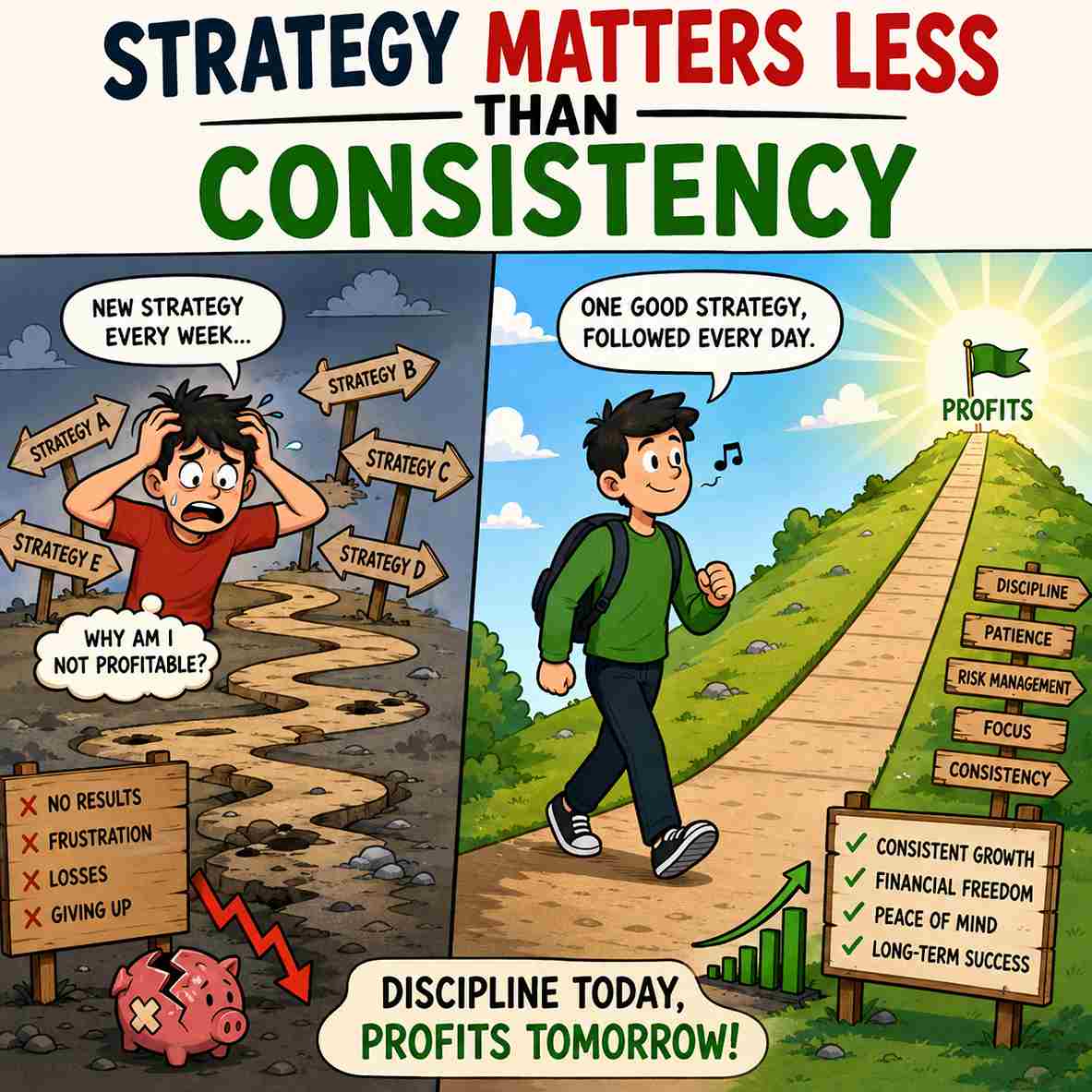
A disciplined trader accepts setbacks calmly. An undisciplined trader spirals emotionally after two losing trades.
The Power of Repetition
Imagine going to the gym once and expecting six-pack abs immediately. Sounds ridiculous, right? Yet traders behave this way constantly. They try a strategy for three days, lose money, and immediately abandon it.
Consistency compounds slowly.
A disciplined trader repeats the same high-quality process over and over again. Eventually, patterns emerge. Confidence builds naturally. Execution improves. The edge becomes clearer because repetition sharpens skill.
Why Patience Feels So Difficult
Patience sounds easy until money becomes involved.
Watching price move without entering can feel painful. Missing a trade can trigger regret. Waiting for confirmation often feels like standing still while everyone else races ahead. But the market rewards patience the same way nature rewards seasons. Nothing blooms instantly.
Disciplined traders understand timing matters more than frequency.
Discipline Creates Emotional Freedom
People often think discipline feels restrictive. In reality, it creates freedom. Strange as it sounds, rules reduce stress. A trader with a structured routine doesn’t waste energy debating every decision emotionally.
Without discipline, every trade becomes psychological warfare.
The Calm Mind Trades Better
A chaotic trader usually has a chaotic mind. They stare at charts all day, panic during volatility, and second-guess every move. Their emotions swing harder than the market itself.
Disciplined traders operate differently.
They know their risk before entering a trade. They accept possible outcomes beforehand. Because of this, they remain calmer under pressure. Emotional stability becomes a hidden edge most people overlook.
Confidence Comes From Structure
Confidence isn’t built by winning every trade. That’s impossible.
Real confidence comes from trusting your process even during losing streaks. A disciplined trader knows one trade means very little in the bigger picture. Losses become business expenses rather than emotional disasters.
This mindset changes everything.
The Difference Between Hope and Planning
Undisciplined traders hope. Disciplined traders plan.
Hope sounds positive, but it’s dangerous in trading. Hope convinces people to hold losing trades too long. Hope encourages overleveraging. Hope whispers lies when logic should take control.
Planning, on the other hand, creates clarity. Entry points, exit points, risk levels, and emotional boundaries become defined before the trade even begins.
Risk Management Is a Form of Discipline

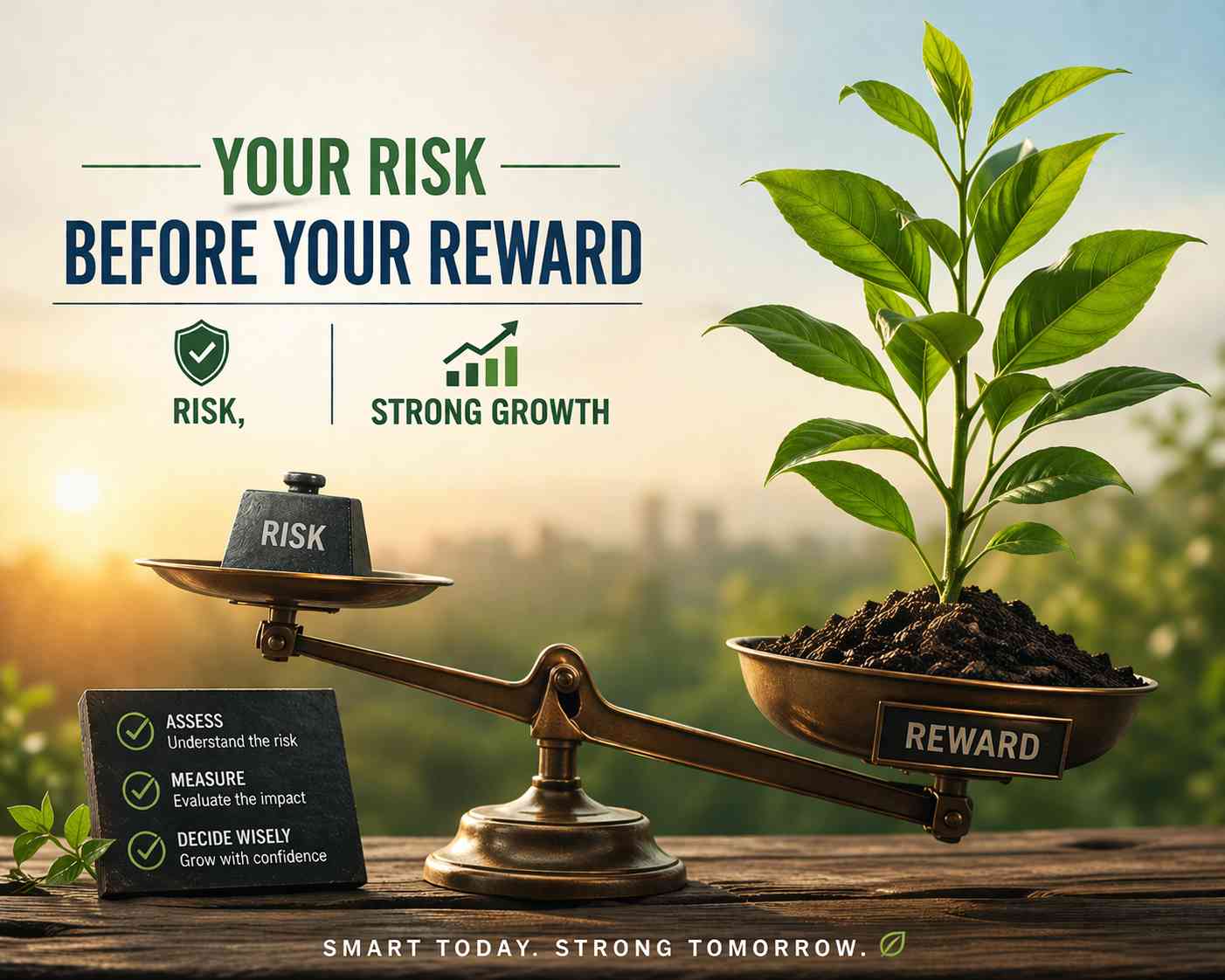
Nobody likes talking about losses. Traders prefer discussing profits because profits feel exciting. Yet survival matters more than excitement.
A trader who protects capital stays in the game long enough to improve.
Small Losses Protect Big Opportunities
Think of losses like small scratches on armor. They sting, but they don’t destroy you. Massive losses, however, can wipe out months or years of progress in a single emotional mistake.
Disciplined traders understand preservation is power.
They never risk everything on one idea because markets are unpredictable. Even the best setups fail sometimes. Respecting risk keeps emotions balanced and accounts alive.
Why Overtrading Destroys Potential
Overtrading usually comes from emotional discomfort.
Some traders can’t handle silence. If the market slows down, they force trades simply to feel active. But forced trades rarely end well. It’s like fishing in an empty pond out of impatience and then wondering why nothing bites.
Disciplined traders wait for quality opportunities instead of manufacturing unnecessary action.
Routine Builds Long-Term Success
Success in trading rarely looks dramatic from the inside. Most profitable traders follow repetitive routines that outsiders would probably find boring.
That boredom is actually a sign of maturity.
The Importance of Daily Habits
Habits shape results more than motivation ever will.
Motivation disappears when losses happen. Discipline remains. A trader who journals consistently, reviews mistakes, and follows a routine develops resilience naturally over time.
Small habits quietly create massive outcomes.
Why Discipline Beats Motivation
Motivation feels powerful in the beginning. It pushes people to start. But discipline is what keeps them going when excitement fades.
Some mornings feel frustrating. Some weeks feel heavy. Markets can humble anyone. Discipline keeps traders grounded during those periods because it doesn’t rely on emotions.
The Psychology Behind Profitable Trading
The market is a mirror. It reflects impatience, fear, greed, arrogance, and insecurity back at traders every day. That’s why psychology matters so much.
Most people don’t lose because the market is unbeatable. They lose because they can’t control themselves.
Ego Is Expensive
Ego quietly destroys trading accounts.
Nobody wants to admit they’re wrong. Closing a losing trade can feel like accepting personal failure. So traders hold onto losses, hoping the market magically reverses. Sometimes it does. Often it doesn’t.
Disciplined traders separate ego from execution.
Being Right Isn’t the Goal

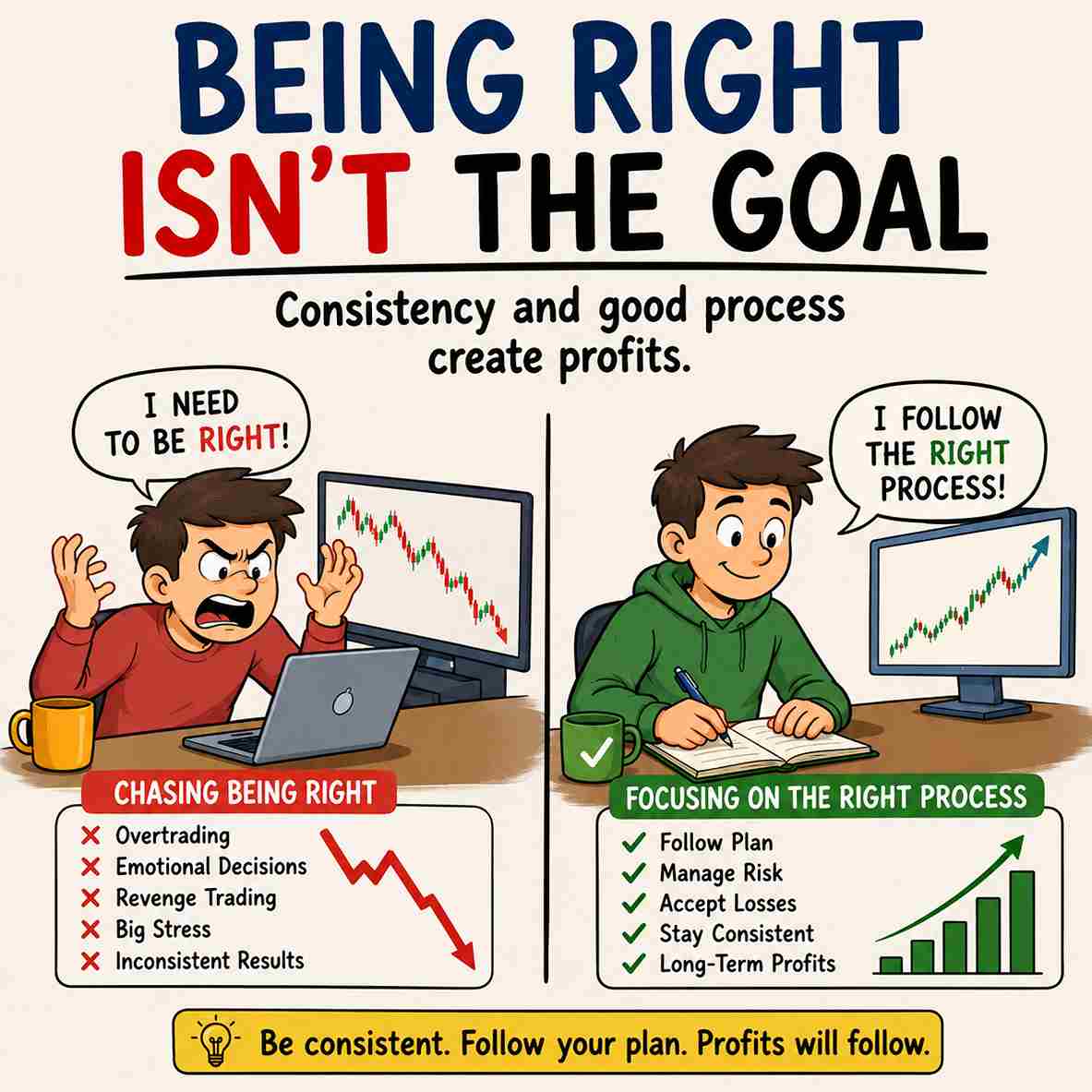
Many traders obsess over accuracy. They want every prediction to work perfectly. But profitability isn’t about being right all the time.
It’s about managing risk better than mistakes.
A trader can lose multiple trades and still remain profitable if discipline controls losses properly. That idea feels uncomfortable for people addicted to perfection.
Humility Keeps Traders Alive
The market humbles everyone eventually.
Arrogant traders often experience one big winning streak and suddenly believe they’ve mastered everything. Then reality arrives brutally. Overconfidence leads to reckless decisions, and reckless decisions usually end painfully.
Humility creates caution. Caution protects capital.
Fear Has Many Faces
Fear doesn’t always look obvious. Sometimes it hides behind hesitation. Other times it appears as over-analysis or constant strategy hopping.
Fear makes traders abandon their plans.
The Fear of Missing Out
FOMO is everywhere in trading.
Price starts moving aggressively, and suddenly traders feel pressure to jump in late. They chase momentum emotionally instead of following structure. Often, they enter right before reversals happen.
Discipline helps traders accept missed opportunities calmly. There will always be another setup tomorrow.
The Fear of Losing Money
Ironically, fearing losses too much can create bigger losses.
Some traders close winning trades too early because they’re scared profits will disappear. Others avoid taking valid setups entirely. Fear distorts decision-making until logic fades away.
Disciplined traders understand losses are unavoidable. Accepting that reality removes much of the emotional pressure.
Greed Never Feels Satisfied
Greed whispers dangerous ideas into traders’ minds.
“Double the lot size.”
“Hold longer.”
“One more trade.”
The problem with greed is that it rarely recognizes limits.
When Profits Become Dangerous
Winning streaks can be surprisingly risky psychologically.
A trader who experiences multiple wins may start feeling unstoppable. Discipline weakens because confidence becomes inflated. Risk management suddenly feels unnecessary. Then one bad trade wipes out everything.
Consistency matters more than emotional highs.
The Importance of Knowing Enough Is Enough
Some traders make good profits and still refuse to stop trading for the day. They keep pushing, searching for more, until exhaustion leads to careless mistakes.
Disciplined traders know when to step away.
Sometimes protecting profits matters more than squeezing every possible dollar from the market.
Discipline Separates Professionals From Dreamers


Anyone can talk about trading. Social media proves that daily. But real traders understand the emotional weight behind consistency.
Discipline isn’t glamorous, but it’s powerful.
Professional Traders Think Differently
Professionals approach trading like a business. Amateurs approach it like entertainment.
That difference changes everything.
Business-Minded Trading
Businesses focus on sustainability. They track performance, manage risk, and think long term. Professional traders do the same thing.
They don’t panic over temporary setbacks because they understand the bigger picture. Every trade becomes part of a larger statistical process rather than a personal emotional event.
Why Emotional Decisions Feel So Costly
An emotional trade often leaves a deeper scar than a losing trade planned properly.
Why? Because regret hurts.
A disciplined trader can lose money and still feel calm because the process remained correct. An impulsive trader, however, feels frustration, guilt, and anger because they violated their own rules.
Success Is Usually Quiet
The internet celebrates loud success. Fancy lifestyles, massive profits, and dramatic stories dominate attention. But genuine consistency usually looks far less exciting.
And that’s perfectly fine.
The Myth of Constant Action
Many traders believe productivity means constant trading. In reality, overactivity often signals emotional instability.
The best traders sometimes wait hours or even days for quality setups. That patience looks boring externally but profitable internally.
Why Simplicity Often Wins
Complexity attracts people because it feels intelligent. Traders pile indicators onto charts until the screen resembles a spaceship dashboard.
Yet many successful traders use surprisingly simple systems.
Discipline matters more than complexity because execution creates results, not endless complication.
Building Discipline Takes Time
Nobody becomes disciplined overnight.
It develops through mistakes, setbacks, frustration, and self-awareness. Every blown trade teaches something painful if the trader is willing to learn honestly.
Failure Can Become a Teacher
Losses feel terrible emotionally, but they often reveal weaknesses clearly.
An impulsive trade exposes impatience. A revenge trade exposes emotional instability. Overleveraging exposes greed. Failure becomes feedback when viewed correctly.
Disciplined traders study their mistakes instead of hiding from them.
Progress Is Rarely Linear
Trading growth feels messy.
Some weeks feel incredible. Others feel discouraging. Improvement doesn’t happen in a straight line. It’s more like climbing a mountain during changing weather conditions. Sometimes visibility disappears completely.
Discipline keeps traders moving forward despite uncertainty.
The Shortcut Nobody Wants to Hear About

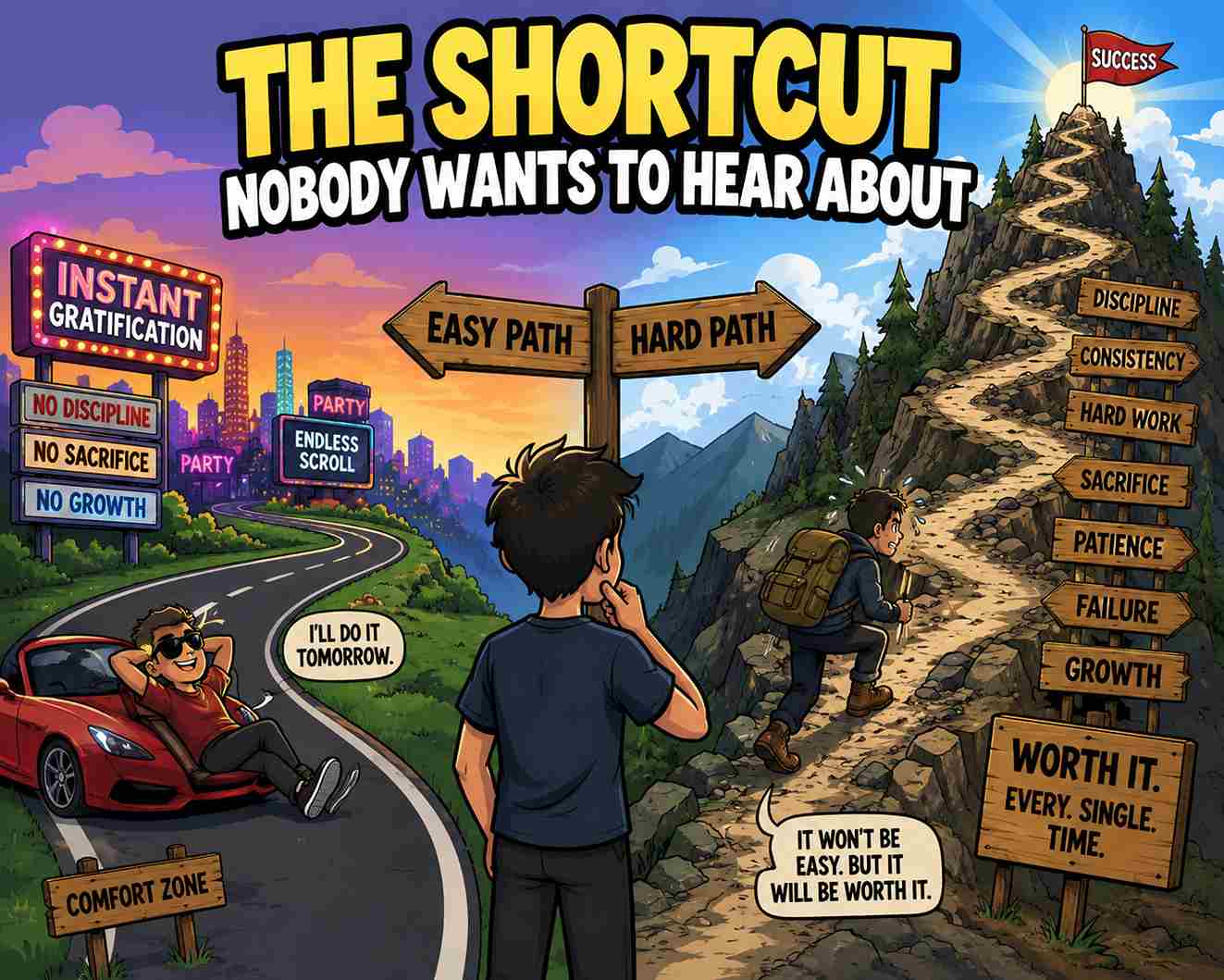
People search endlessly for shortcuts in trading. Faster profits. Easier systems. Secret indicators. But the real shortcut sounds almost disappointing because it lacks excitement.
Discipline.
That’s it.
Not because discipline guarantees instant wealth, but because it prevents the self-destructive behavior that ruins most traders before they ever gain enough experience to succeed.
A disciplined trader avoids unnecessary mistakes. They survive longer. They learn faster. They remain emotionally stable during volatility. Over time, those small advantages compound dramatically.
The market rewards emotional control more than raw intelligence. A calm trader with average strategy execution often outperforms an emotional trader with brilliant analysis. That reality frustrates many people because discipline requires personal responsibility. There’s nobody else to blame.
In many ways, trading becomes a battle against human nature itself. Impulsiveness, greed, fear, impatience, and ego all fight for control constantly. Discipline acts like a shield protecting traders from their worst instincts.
And perhaps that’s why it feels so difficult.
Because discipline isn’t flashy. It doesn’t create viral screenshots or instant gratification. It’s repetitive, uncomfortable, and often invisible. But beneath that quiet routine lies the foundation of every long-term profitable trader.
The traders who truly succeed understand something important. Profits aren’t chased aggressively. They’re earned through consistency, patience, and emotional control.
That’s the real shortcut.
FAQs
1.Why is discipline more important than strategy in forex trading?
A strategy can only work properly when it’s followed consistently. Without discipline, traders abandon plans emotionally, ignore risk management, and make impulsive decisions that destroy long-term profitability.
2.Can a beginner trader become profitable through discipline alone?
Discipline alone won’t replace learning, but it dramatically increases a beginner’s chances of survival and improvement. It helps traders avoid emotional mistakes while gaining experience over time.
3.How does overtrading affect trading performance?
Overtrading usually leads to emotional exhaustion, poor decision-making, and unnecessary losses. It often happens when traders feel bored, impatient, or desperate to recover losses quickly.
4.Why do traders struggle with emotional control?
Money triggers powerful emotions like fear and greed. Since trading involves uncertainty and risk, many traders react emotionally instead of logically, especially during losses or winning streaks.
5.What habits help build trading discipline?
Maintaining a trading journal, following strict risk management, reviewing mistakes honestly, and sticking to a consistent routine are some of the most effective ways to strengthen discipline over time.