

Every trader experiences losses. It’s part of the forex journey. But the real danger begins when traders try to recover those losses immediately. That emotional reaction often leads to poor decisions, larger losses, and eventually blown accounts. The quote, “Avoid chasing profit after losses,” carries a lesson many traders learn too late.
In forex trading, emotions can become more dangerous than the market itself. One losing trade can trigger frustration, anger, and desperation. Instead of staying disciplined, traders begin forcing trades just to “win back” money. Unfortunately, the market rarely rewards emotional behavior.
What Does Chasing Losses Mean?
Chasing losses happens when traders make impulsive trades after losing money. Instead of following a trading strategy, they trade emotionally. They increase lot sizes, ignore stop losses, or enter random trades hoping to recover quickly.
It’s similar to a gambler trying to win back money at a casino. The more emotional the person becomes, the worse the decisions get. Forex trading works the same way. Emotional trading usually creates bigger losses instead of recovery.
Why Traders Fall Into This Trap
The biggest reason is psychological pressure. Nobody enjoys losing money. After a loss, traders often feel the need to “fix” the situation immediately. That urgency clouds judgment and destroys patience.
Ego also plays a huge role. Many traders take losses personally. Instead of accepting the market’s uncertainty, they try to fight back emotionally. But the forex market doesn’t care about emotions, pride, or frustration. It only rewards discipline and smart risk management.
The Emotional Damage of Revenge Trading
Revenge trading creates stress and mental exhaustion. Traders become glued to charts for hours, desperately searching for setups that may not even exist. Every candle movement feels emotional, and trading becomes painful instead of strategic.
Over time, confidence disappears. Traders stop trusting their systems and start changing strategies constantly. One day they use indicators, the next day price action, then another random method. This confusion creates inconsistency, and inconsistent trading usually leads to failure.
How Small Losses Become Big Problems
A small loss is manageable. But emotional trading can quickly turn a tiny loss into a disaster. Imagine losing 2% on one trade. Instead of stopping calmly, the trader doubles the next position size trying to recover faster.
Then another loss happens.
Now panic increases. Risk management disappears completely. Within hours, weeks or even months of profits can vanish. Many accounts don’t fail because of bad strategies. They fail because traders lose emotional control.
The Illusion of Quick Recovery
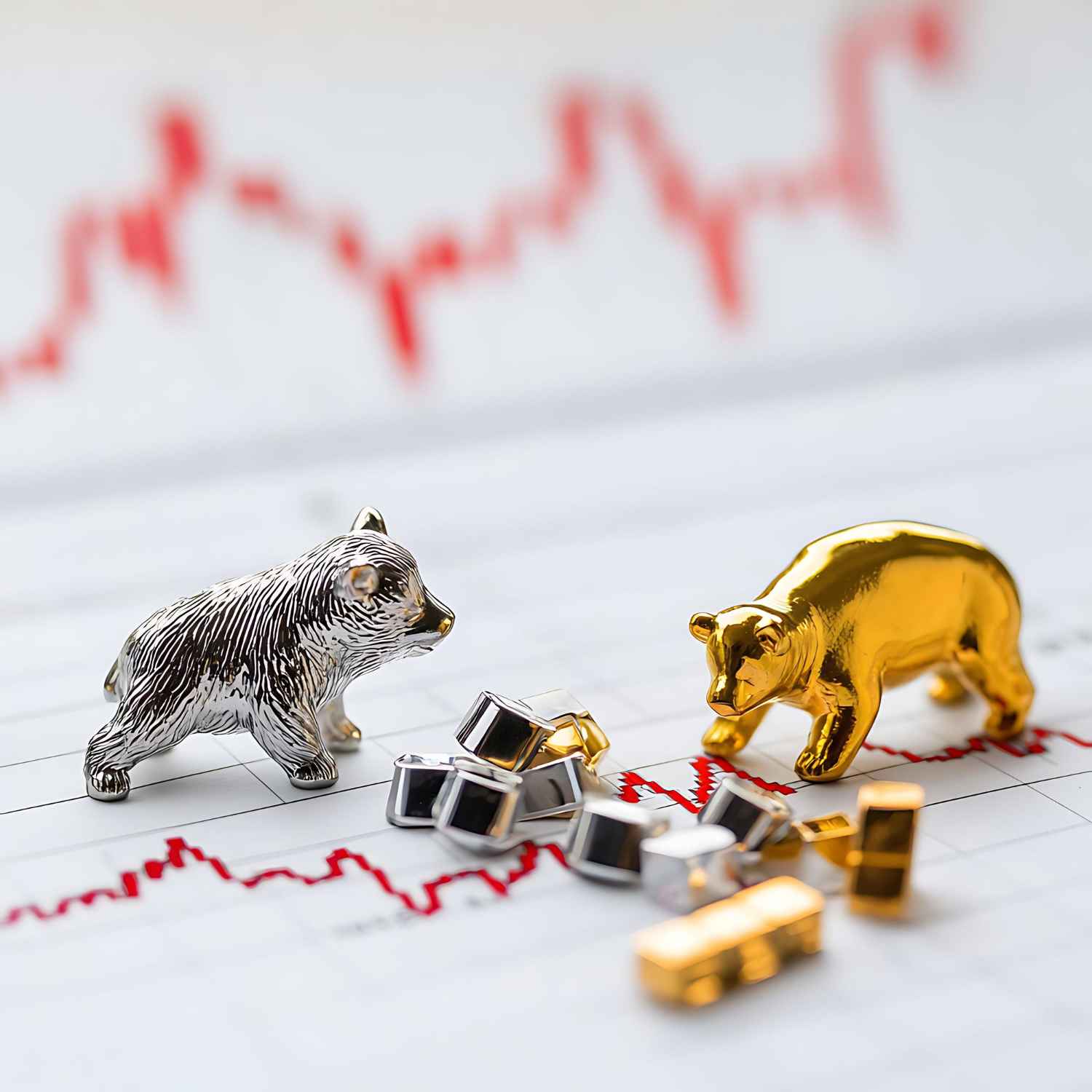
Many traders believe they can recover losses instantly. That mindset is dangerous. The market is unpredictable, and rushing trades usually leads to poor entries. Successful trading is a marathon, not a sprint.
Sometimes revenge trading works temporarily, which makes the habit even worse. A trader may take a reckless trade and win money back. That creates false confidence. Eventually, the same emotional behavior causes massive losses because bad habits always catch up.
How Professional Traders Handle Losses
Professional traders understand that losses are normal. Even the best traders lose trades regularly. The difference is emotional discipline. Professionals don’t panic after losing. They simply move on to the next opportunity.
They focus heavily on protecting capital. Instead of trying to make fast profits, they think long term. Smart traders know survival matters more than excitement. Without capital, there’s no chance to recover or grow.
Warning Signs You’re Chasing Losses
One major sign is increasing lot sizes emotionally after a losing trade. Another warning sign is entering trades without proper confirmation or analysis. Emotional traders often abandon their rules completely.
Anger is another dangerous indicator. If trading starts feeling personal or frustrating, emotions are already taking control. Healthy trading should feel calm and structured, not chaotic or stressful.
The Importance of Risk Management
Risk management is the shield that protects traders from emotional destruction. Many experienced traders risk only 1% or 2% per trade. This keeps losses small and manageable.
Setting daily loss limits is also important. For example, some traders stop trading after three consecutive losses or after losing a certain percentage in one day. Taking breaks prevents emotional spirals and helps maintain mental clarity.
Why Patience Is Powerful in Forex
Patience feels boring, but it’s one of the greatest trading skills. Successful traders wait for high-quality setups instead of forcing trades constantly. They understand that opportunities will always come again.
Forex trading is a lot like fishing. A patient fisherman waits for the right moment instead of throwing the rod everywhere in frustration. Emotional traders behave impatiently, and impatience often scares profits away.
Discipline Matters More Than Strategy
Many beginners spend endless hours searching for the “perfect strategy.” But even a strong strategy fails without discipline. Emotional traders break rules constantly, which destroys consistency.
A simple strategy with strong emotional control can outperform a complicated system used recklessly. In trading, psychology often matters more than technical analysis. The market punishes greed, fear, and impatience very quickly.
Social Media Makes It Worse
Social media creates unrealistic expectations for traders. Fake gurus constantly show luxury lifestyles, massive profits, and unrealistic success stories. This pressures beginners into thinking they must make money quickly.
The reality is different. Real trading success takes patience, discipline, and years of learning. Comparing yourself to social media traders only increases frustration and emotional decision-making.
Building a Long-Term Trading Mindset
Successful traders think long term. They understand that one trade means very little. What matters is consistency over hundreds of trades, not emotional reactions to temporary losses.
Trading should feel controlled and repetitive, not exciting like gambling. If trading feels overly emotional or thrilling, that’s usually a warning sign. Consistency builds accounts slowly, while emotional decisions destroy them quickly.

Conclusion
The message “Avoid chasing profit after losses” is one of the most important lessons in forex trading. Chasing losses turns disciplined traders into emotional gamblers. It destroys confidence, risk management, and long-term growth.
Losses are normal in trading. What truly matters is how traders respond to them. The forex market rewards patience, discipline, and emotional control — not desperation. Stay calm after losses, trust your strategy, and protect your capital above everything else.
In trading, survival always comes before profit.
FAQs
1. What is revenge trading in forex?
Revenge trading happens when traders make emotional trades after losses to recover money quickly.
2. Why is chasing losses dangerous?
It causes traders to ignore strategies, increase risks, and make impulsive decisions that can destroy accounts.
3. How do professional traders handle losses?
Professional traders accept losses calmly and continue following their trading plans without emotional reactions.
4. What is the safest risk percentage per trade?
Most experienced traders risk only 1–2% of their account balance per trade.
5. Can emotional trading be controlled?
Yes. Strong risk management, discipline, patience, and taking breaks after losses can help control emotions effectively.