

Risk and growth have always danced together like two stubborn partners who refuse to leave the floor. One pushes forward while the other pulls back, yet neither can survive alone. In the world of forex trading, business, and personal finance, people often dream about explosive success without paying attention to the discipline that keeps success alive. That dream usually crashes hard. The image carrying the phrase “Consistency in risk equals consistency in growth” captures a truth many people learn too late.
Growth is exciting. Risk management sounds boring. That is exactly why most people fail.

The modern financial world moves fast. Charts rise and collapse in minutes. Social media glorifies overnight success stories while quietly hiding the thousands of blown accounts sitting in silence. People enter trading believing they only need confidence, intelligence, or luck. Then reality arrives like a cold storm. Markets do not reward emotion. They reward discipline.
Consistent risk management is not glamorous. It will not make someone look like a hero at a dinner party. Yet it quietly builds something stronger than hype ever could. It creates survival. And survival creates growth.
Why Most Traders Fail Before They Truly Begin
Many people enter forex trading with excitement burning inside them. They see screenshots of massive profits and assume the market is some magical machine printing money. The truth feels far less romantic. Trading exposes human weakness faster than almost anything else.
A trader may start with patience, but the moment fear and greed arrive, logic often disappears. One bad trade turns into revenge trading. One lucky win becomes overconfidence. Before long, the account begins bleeding slowly like a leaking pipe nobody wants to fix.
The Addiction to Fast Profits
The obsession with quick money destroys consistency. Social media has trained people to chase dramatic outcomes instead of sustainable progress. Traders want huge gains in days rather than steady improvement over months or years.
That mindset creates dangerous habits. People risk too much on single trades because they believe one big win will change their lives instantly. Sometimes it works temporarily, which makes the trap even more dangerous. A lucky gambler often becomes a reckless trader.
The Illusion of Control
Many traders believe they can control the market through prediction alone. They spend endless hours searching for perfect indicators or secret strategies. Yet markets are driven by uncertainty, human emotion, economic shifts, and global events.
Trying to fully control the market is like trying to hold water in your hands during a storm. No matter how tightly you squeeze, it escapes. Smart traders stop chasing certainty and focus on controlling what actually matters: risk.
How Emotional Trading Destroys Accounts
Emotion can quietly sabotage even talented traders. Fear causes early exits while greed pushes traders to stay too long. Frustration leads to impulsive decisions that ignore logic completely.
A trader who risks too much often experiences emotional chaos. Every price movement feels personal. Sleep disappears. Anxiety grows. Eventually, the trader stops following any structured plan and begins acting on instinct alone. That rarely ends well.
The Difference Between Gambling and Trading
The line between gambling and trading is thinner than many people admit. Both involve uncertainty, but the mindset behind them changes everything.
Gamblers chase excitement. Traders chase consistency. One depends on luck while the other depends on process. That distinction separates people who survive from those who disappear after a few months.
Why Discipline Matters More Than Talent
Talent without discipline is like a sports car with no brakes. It may look impressive for a moment, but disaster eventually arrives. Some traders possess incredible technical knowledge yet still lose money because they cannot control themselves.
Discipline creates structure during emotional moments. It forces traders to follow limits instead of impulses. In many cases, an average trader with strong discipline outperforms a brilliant trader with poor self-control.
The Silent Power of Small Wins
People underestimate the strength of small, consistent gains. They look boring compared to dramatic success stories. Yet compound growth works quietly in the background like roots growing beneath a tree.
Small wins build confidence without creating reckless behavior. They allow traders to survive losing streaks and stay mentally balanced. Over time, consistency becomes more powerful than explosive moments of success.
Understanding Risk as a Tool Instead of a Threat


Most people fear risk because they misunderstand it. They see risk as danger instead of seeing it as a necessary part of growth. The goal is not to eliminate risk completely. That would be impossible.
The real goal is learning how to manage risk intelligently. Controlled risk creates opportunity. Uncontrolled risk creates destruction.
Every Opportunity Carries Uncertainty
Life itself runs on uncertainty. Starting a business involves risk. Changing careers involves risk. Investing money involves risk. Even staying comfortable carries hidden risks because stagnation slowly kills progress.
The forex market simply makes uncertainty more visible. Prices move constantly, reflecting the unpredictability of economies and human behavior. Traders who accept uncertainty become calmer and more strategic.
Why Fear Creates Bad Decisions
Fear narrows thinking. It pushes people into survival mode, making rational decisions harder. Traders who fear losses too much often hesitate, miss opportunities, or exit trades too early.
Ironically, excessive fear can increase losses instead of preventing them. A fearful trader behaves inconsistently, and inconsistency destroys long-term growth.
Confidence Without Structure Becomes Dangerous
Confidence is important, but confidence without boundaries quickly becomes arrogance. Some traders experience a few successful trades and suddenly believe they cannot fail.
That mindset often leads to oversized positions and reckless decisions. Markets have a brutal way of humbling arrogance. One careless trade can erase months of progress.
The Relationship Between Patience and Growth
Patience feels painfully slow in a world addicted to instant gratification. Yet meaningful growth rarely happens overnight. Strong traders understand that consistency matters more than speed.
Risk management teaches patience naturally. When traders stop risking everything on single opportunities, they begin thinking long term instead of emotionally reacting to short-term fluctuations.
Why Sustainable Growth Looks Boring
People often ignore sustainable growth because it lacks drama. Consistent traders rarely post flashy screenshots or boast loudly online. Their success grows quietly.
That quiet progress may seem unimpressive at first, but it creates durability. Sustainable growth survives market downturns, emotional pressure, and unexpected losses.
Building a Long-Term Mindset
A long-term mindset changes how traders approach every decision. Instead of obsessing over one trade, they focus on overall performance across months and years.
This shift reduces emotional pressure dramatically. Losses stop feeling catastrophic because traders understand they are part of the process. Consistency becomes easier when every single trade no longer feels like life or death.
Consistency Creates Psychological Stability
Risk management is not only about protecting money. It also protects mental health. Trading can become emotionally exhausting when people constantly swing between euphoria and panic.
Consistent risk creates emotional balance. Traders stop reacting wildly because they know one bad trade cannot destroy everything.
The Mental Toll of Reckless Trading

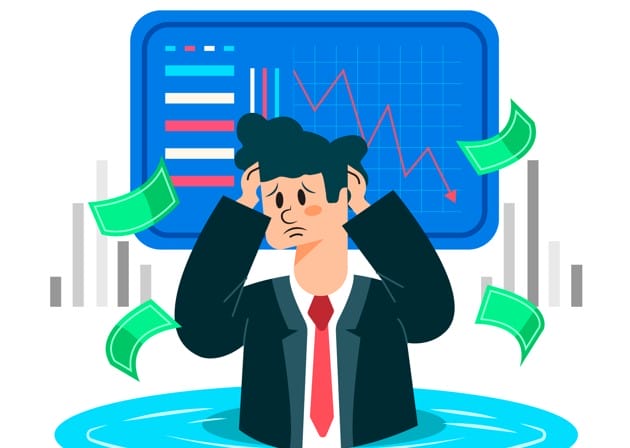
Reckless trading damages confidence deeply. Huge losses create shame, frustration, and self-doubt. Some traders begin questioning their intelligence or worth entirely.
The emotional damage can spill into personal life as well. Stress affects sleep, relationships, and overall well-being. Financial instability often creates tension that extends far beyond the charts.
Why Anxiety Increases With Larger Risks
Large risks create emotional pressure that most people cannot handle calmly. When too much money sits on the line, every market movement feels threatening.
This anxiety interferes with clear thinking. Traders begin making impulsive decisions simply to escape emotional discomfort. Smaller, controlled risks reduce that pressure significantly.
The Hidden Cost of Revenge Trading
Revenge trading happens when frustration takes control after losses. Instead of stepping back calmly, traders attempt to recover losses immediately through aggressive decisions.
That emotional reaction usually worsens the situation. It becomes a cycle where anger fuels bigger losses, and bigger losses fuel more anger.
Confidence Built Through Structure
Real confidence does not come from luck. It comes from preparation and consistency. Traders who follow structured risk management develop trust in their process.
That trust creates emotional resilience. Even during losing streaks, disciplined traders remain calmer because they understand short-term setbacks do not define long-term success.
The Importance of Predictable Habits
Predictable habits reduce emotional chaos. When traders follow routines consistently, decision-making becomes more stable and logical.
Simple habits like setting risk limits, reviewing trades, and maintaining patience may sound ordinary, but they create extraordinary results over time.
Why Stability Beats Excitement
Excitement feels attractive at first, but it often leads to destructive behavior. Many traders secretly become addicted to emotional highs and lows.
Stability may appear less thrilling, yet it supports sustainable success. Calm decision-making produces better outcomes than emotional intensity.
How Consistent Risk Builds Financial Growth
Growth does not need to be explosive to be meaningful. In fact, slow and consistent financial progress often proves far more reliable than dramatic gains.
Risk management allows traders to remain active long enough for compound growth to work its magic. Without survival, growth becomes impossible.
Protecting Capital Changes Everything
Capital is the lifeblood of trading. Once it disappears, opportunities disappear with it. Traders who fail to protect capital usually experience short careers.
Preserving money allows traders to stay in the game during difficult periods. Markets constantly change, and survival creates the chance to adapt and improve.
Why Recovery From Large Losses Is Difficult
Large losses create mathematical problems many traders ignore. Losing half an account requires massive gains just to recover.
That reality creates emotional pressure as well. Traders become desperate to regain losses quickly, often making even riskier decisions.
Small Losses Keep Traders Alive

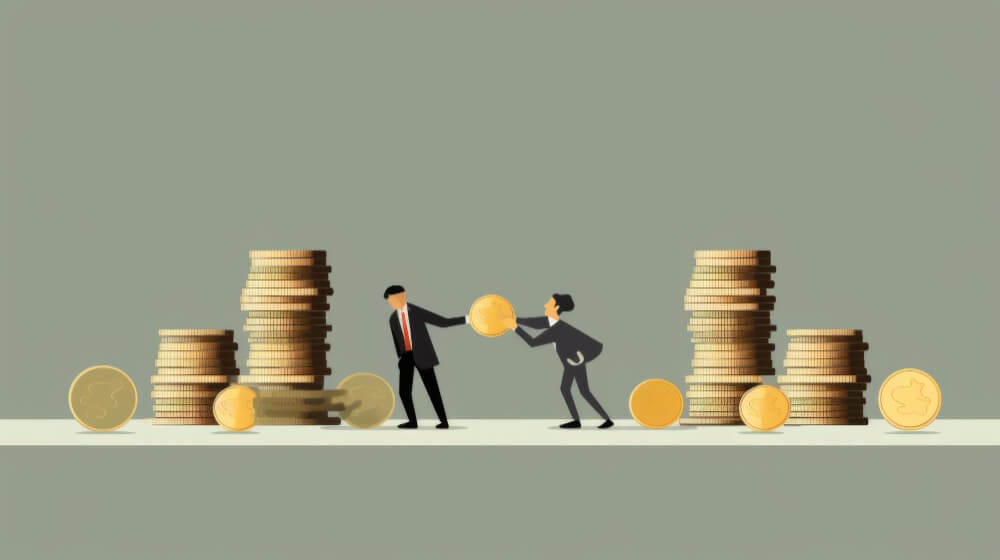
Small losses are manageable. They allow traders to learn without experiencing devastating emotional damage.
Professional traders understand that losses are normal. Their goal is not perfection. Their goal is maintaining control while letting profitable opportunities outweigh losses over time.
Compound Growth Rewards Patience
Compound growth behaves like a snowball rolling downhill. At first, progress appears tiny. Over time, momentum builds quietly until the results become undeniable.
Many traders sabotage themselves because they become impatient too early. They abandon consistency in search of shortcuts.
The Difference Between Momentum and Hype
Momentum develops through discipline and repetition. Hype depends on emotional excitement and unrealistic expectations.
Hype burns fast like fireworks exploding in the night sky. Momentum grows steadily like a river carving through rock over decades.
Why Slow Growth Often Wins
Slow growth allows traders to remain emotionally balanced. It reduces pressure and encourages smarter decision-making.
Fast growth achieved through reckless risk often collapses suddenly. Sustainable growth may feel frustratingly gradual, but it usually survives market volatility better.
The Human Side of Financial Discipline
Behind every trading account sits a human being with emotions, fears, dreams, and insecurities. Risk management is not purely mathematical. It is deeply psychological.
People often sabotage themselves because they carry emotional baggage into financial decisions.
Ego Can Become a Trader’s Biggest Enemy
Ego quietly destroys consistency. Some traders refuse to accept losses because admitting mistakes feels painful.
Instead of exiting bad positions, they hold them longer hoping the market will eventually validate their decisions. That stubbornness can become financially catastrophic.
Why Humility Matters in Trading
Humility allows traders to adapt. Markets constantly change, and rigid thinking becomes dangerous.
A humble trader accepts being wrong sometimes without emotional collapse. That flexibility creates resilience during difficult periods.
Learning to Respect Uncertainty
Uncertainty never disappears completely. Traders who fight uncertainty constantly feel stressed and frustrated.
Respecting uncertainty creates emotional peace. It reminds traders that no strategy guarantees perfection.
The Emotional Reward of Consistency


Consistency creates more than financial stability. It creates personal confidence. Traders who manage risk effectively often feel calmer in other areas of life as well.
Discipline developed in trading can influence business decisions, relationships, and personal growth.
Why Routine Creates Inner Calm
Humans naturally crave stability even when they pretend otherwise. Consistent routines reduce mental clutter and emotional confusion.
Trading with structure feels less chaotic because decisions follow a process instead of random emotion.
Balancing Ambition With Patience
Ambition drives growth, but unchecked ambition can become destructive. Patience acts like a steering wheel keeping ambition under control.
The strongest traders combine hunger for success with emotional restraint. They push forward without becoming reckless.
What the Forex GDP Message Really Represents
The phrase “Consistency in risk equals consistency in growth” carries a deeper message than many people realize. It is not only about trading strategies or market behavior.
It reflects a philosophy about life itself.
Growth Requires Stability Beneath the Surface
A skyscraper cannot stand tall without a strong foundation. In the same way, financial growth cannot survive without disciplined risk management underneath it.
People often focus only on visible success while ignoring the hidden habits supporting it. Yet those invisible habits determine whether success lasts.
Why Foundations Matter More Than Appearances
Modern culture celebrates appearances constantly. Flashy cars, dramatic profits, and luxury lifestyles attract attention quickly.
But appearances can be dangerously misleading. Many people displaying success publicly are privately struggling because their foundation lacks stability.
The Quiet Strength of Consistency
Consistency rarely receives applause. It feels repetitive and ordinary. Yet it creates extraordinary endurance.
Like water slowly shaping stone, disciplined habits produce lasting transformation over time.
A Message Beyond Trading
The lesson behind controlled risk extends far beyond forex markets. Relationships require emotional balance. Businesses require calculated decisions. Personal goals require discipline.
People who constantly chase extremes often burn out emotionally and financially.
Applying Risk Management to Everyday Life
Everyday life involves decisions carrying emotional and financial consequences. Overspending, impulsive choices, and unrealistic expectations can create instability.
Balanced decision-making creates stronger long-term outcomes. Consistency becomes valuable in nearly every aspect of life.
Why Sustainable Success Feels Different

Sustainable success feels calmer than chaotic success. It does not depend on constant emotional highs.
Instead, it creates quiet confidence built through discipline, patience, and resilience.
Final Thoughts
Consistency in risk truly does create consistency in growth. That idea may sound simple at first glance, but it holds enormous power. The financial world often seduces people with promises of fast success, yet shortcuts usually come with hidden costs.
Real growth requires emotional discipline, patience, humility, and structure. Traders who survive long enough to succeed understand this deeply. They stop chasing excitement and begin respecting consistency instead.
Risk management is not about fear. It is about control. It protects traders from emotional collapse while creating room for steady progress. Small, disciplined decisions repeated over time eventually become powerful.
The message from Forex GDP reflects something timeless. Sustainable success is rarely loud. It grows quietly beneath the surface until one day the results speak for themselves.
FAQs
1.What does consistent risk mean in forex trading?
Consistent risk means using controlled and predictable risk levels on every trade instead of making emotional decisions. It helps traders protect capital and maintain long-term stability.
2.Why do many traders fail despite having good strategies?
Many traders fail because emotional decisions override their strategies. Fear, greed, and impatience often destroy discipline even when the strategy itself is effective.
3.Can small profits really create meaningful growth over time?
Yes, small consistent profits can grow significantly through compound growth. Steady progress usually survives longer than reckless attempts at fast gains.
4.How does risk management improve emotional stability?
Risk management reduces anxiety because traders know a single loss will not destroy their account. This creates calmer and more rational decision-making.
5.Is risk management important outside of trading?
Absolutely. Risk management applies to business decisions, personal finance, relationships, and long-term planning. Consistency and balance support sustainable success in many areas of life.