

Forex trading looks exciting from the outside. Fast profits, moving charts, and endless opportunities attract thousands of people every day. But behind the flashy screenshots and social media hype lies a brutal reality — most traders lose because they react emotionally instead of logically.
The quote “React with logic, not urgency” is more than motivation. It’s a survival rule in trading. Urgency pushes traders into bad decisions, while logic keeps them calm under pressure. The market rewards patience, not panic.
If you’ve ever jumped into a trade too quickly or felt stressed watching candles move, this article is for you.
Why Urgency Destroys Traders
Urgency is dangerous because it forces emotional decisions. A trader sees a strong market move and instantly feels the need to enter before “missing out.” Without proper analysis, they open a trade impulsively. Minutes later, the market reverses and the loss hits hard.
This happens every day. Emotional trading feels fast and exciting, but it usually ends badly. The market doesn’t reward panic. It punishes it.
Fear and greed are the two biggest emotional enemies. Fear makes traders close good trades too early, while greed pushes them to risk too much. Together, they create chaos in decision-making.
The Psychology Behind Trading Emotions
Human brains are designed for survival, not trading. When prices move quickly, your brain treats it like danger. That’s why traders panic during losses or become overly excited during wins.
A losing trade can trigger stress, anger, or frustration. A winning streak can create overconfidence. Both emotions are risky because they cloud judgment.
Successful traders learn emotional control. They stop reacting emotionally and start following systems. Just like a pilot trusts instruments during turbulence, traders must trust their strategies instead of feelings.
FOMO: The Silent Account Killer
Fear of Missing Out, also known as FOMO, destroys countless trading accounts. Traders see the market moving fast and suddenly feel left behind. They chase trades without confirmation because they believe the opportunity will disappear forever.
But forex opportunities never stop coming. The market opens every day. Acting desperate only creates poor entries and unnecessary losses.
Patience may feel boring, but boring trading is often profitable trading. The best traders wait calmly for high-quality setups instead of chasing every candle like gamblers.
Logical Traders Follow Plans
A trading plan acts like a roadmap. Without it, emotions take control. Logical traders know exactly:
- When to enter
- When to exit
- How much to risk
- Which setups to avoid

Emotional traders make decisions based on feelings, and feelings change constantly. One minute they feel confident, the next minute they panic.
A solid plan removes confusion and helps traders stay disciplined even during market volatility.
Losses Are Part of the Game
One painful truth about trading is this: losses are unavoidable. Even professional traders lose regularly.
The difference is emotional traders take losses personally. Logical traders see them as business expenses. A restaurant owner doesn’t shut down after one slow day. Similarly, traders shouldn’t panic after one losing trade.
Urgent traders often try recovering losses immediately through revenge trading. That emotional reaction usually creates even bigger losses.
Sometimes the smartest thing a trader can do is simply walk away and reset emotionally.
Overtrading Leads to Disaster
Many traders believe more trades mean more profits. That’s completely wrong.
Overtrading usually comes from boredom, desperation, or emotional pressure. Traders force entries even when no strong setup exists. Slowly, unnecessary losses drain the account.
Trading too much is like constantly pressing the gas pedal without brakes. Eventually, things crash.
Professional traders understand that quality matters more than quantity. One good trade is better than ten emotional ones.
Risk Management Is Everything
Most beginners focus only on profits. Professionals focus on protecting capital first.
Without risk management, one emotional decision can destroy an entire account. Logical traders use stop losses, controlled lot sizes, and proper risk percentages because they understand uncertainty.
Urgent traders risk too much trying to get rich quickly. But the market is unpredictable. Even good setups fail sometimes.
That’s why smart traders think long term. Survival matters more than excitement.
Patience Creates Better Results
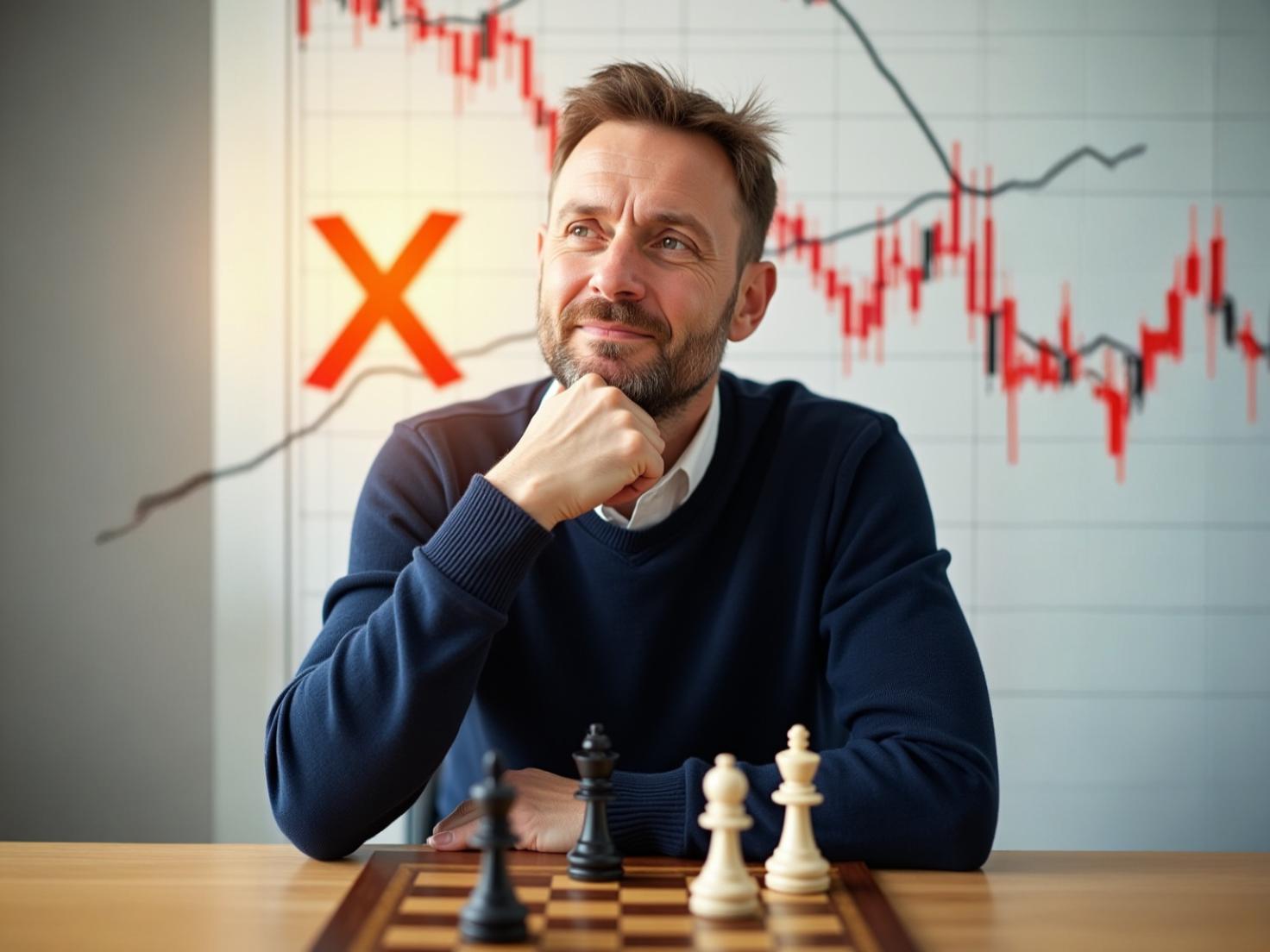
Sometimes the best trade is no trade at all.
The market constantly tempts traders with movement, but not every move deserves a reaction. Logical traders wait carefully for setups that match their strategy.
Think of a sniper versus someone spraying bullets randomly. One waits patiently for precision. The other wastes energy and resources.
Trading works the same way. Patience creates consistency, while urgency creates mistakes.
Emotions Distort Reality
When traders become emotional, they stop thinking clearly. Fear creates panic. Anger creates revenge trading. Overconfidence creates reckless risk-taking.
A trader holding a losing position may ignore obvious warning signs because emotions blind them. Another trader on a winning streak may suddenly believe they can’t lose.
Both situations are dangerous.
The market doesn’t care about emotions. It moves based on supply, demand, and liquidity — not hope or frustration.
Discipline Matters More Than Intelligence
You don’t need to be a genius to succeed in forex. Many intelligent traders still fail because they lack discipline.
Trading success depends more on emotional consistency than technical knowledge. A trader can know every chart pattern in the world and still lose money if emotions control decisions.
Discipline means:
- Following rules consistently
- Respecting risk management
- Staying patient
- Accepting losses calmly
Without discipline, even the best strategy becomes useless.
How to Build a Calm Trading Mindset
Improving emotional control takes time, but it’s possible. One powerful habit is keeping a trading journal. Writing down your entries, emotions, mistakes, and results helps identify destructive patterns.
Another important step is reducing emotional attachment to money. If every trade feels life-changing, pressure and panic will dominate your decisions.
Focus more on process than profits. Ask yourself:
- Did I follow my strategy?
- Was my setup logical?
- Did I manage risk properly?
Good habits eventually create good results.

Conclusion
“React with logic, not urgency” is one of the most valuable lessons in forex trading. Emotional decisions create panic, overtrading, revenge trading, and massive losses. Logical thinking creates patience, discipline, and long-term consistency.
The forex market rewards calm traders, not emotional gamblers. While others panic during volatility, disciplined traders stay focused and follow their plans.
At the end of the day, trading success isn’t just about charts or indicators. It’s about controlling yourself when emotions try taking over.
Because in forex, your biggest enemy is rarely the market — it’s your own reactions.
FAQs
1. Why is emotional trading dangerous?
Emotional trading leads to impulsive decisions, poor risk management, and unnecessary losses caused by fear or greed.
2. What is FOMO in forex trading?
FOMO means Fear of Missing Out. It happens when traders rush into trades because they fear losing an opportunity.
3. How can I stay calm while trading?
Use a trading plan, manage risk properly, take breaks after losses, and avoid overtrading.
4. Why is patience important in forex?
Patience helps traders wait for high-probability setups instead of entering emotional trades randomly.
5. Can discipline improve trading performance?
Yes. Discipline improves consistency, emotional control, and decision-making, which are essential for long-term trading success.