

Forex trading attracts millions of people because of one dream — financial freedom. But most traders quickly discover a harsh truth: the more trades they take, the more mistakes they make. Many beginners believe constant action equals success, but in reality, overtrading destroys confidence, discipline, and accounts.
The smarter approach is simple: trade fewer setups for more confidence. Instead of chasing every market move, successful traders wait patiently for strong opportunities. This mindset reduces stress, improves decision-making, and creates consistency over time.
Why Most Forex Traders Struggle
Many traders enter the market without patience or structure. They jump into random trades because they fear missing opportunities. Social media makes this worse by showing nonstop profits and flashy lifestyles. As a result, traders begin forcing entries even when setups are weak.
The problem is that trading emotionally leads to poor decisions. One bad trade turns into revenge trading, and soon the account starts bleeding. Instead of trading with logic, traders react with fear and frustration. That’s why so many people fail despite spending hours watching charts.
The Problem With Overtrading
Overtrading is one of the fastest ways to lose money in forex. Every unnecessary trade increases emotional pressure and exposes traders to more risk. It becomes exhausting mentally because traders constantly monitor charts looking for action.
Imagine trying to drive safely while speeding through every road without direction. That’s exactly how overtrading feels. You become impatient, distracted, and emotionally unstable. Instead of waiting for quality opportunities, you trade out of boredom or desperation.
What “Trade Fewer Setups” Really Means
Trading fewer setups does not mean avoiding the market completely. It means becoming selective. Professional traders don’t trade every signal they see. They focus only on high-probability setups that match their strategy and risk management rules.
Think about a sniper compared to someone spraying bullets everywhere. The sniper waits carefully, chooses the perfect moment, and executes with precision. In forex, patience works the same way. One quality trade can outperform ten random ones.
Why Confidence Matters in Trading
Confidence is one of the most important skills in trading. Without confidence, traders hesitate, panic, and constantly doubt themselves. But real confidence doesn’t come from winning every trade. It comes from trusting your strategy and following your rules consistently.
When traders focus on fewer setups, they begin understanding their strategy deeply. They recognize patterns faster and make calmer decisions. Over time, this creates a strong sense of trust in their trading process.

Simplicity Is More Powerful Than Complexity
Many beginners think complicated strategies are better. They use too many indicators, multiple timeframes, and confusing systems. But complexity often creates hesitation and emotional mistakes.
The truth is that simple strategies are easier to follow consistently. When your trading plan is clear, decision-making becomes faster and less stressful. Simplicity removes confusion and helps traders stay disciplined during volatile market conditions.
How Fewer Trades Improve Risk Management
Risk management is the foundation of long-term trading success. Taking too many trades exposes traders to unnecessary losses and emotional exhaustion. By focusing only on quality setups, traders protect their capital and avoid reckless behavior.
Fewer trades also help maintain emotional balance. Instead of constantly worrying about multiple open positions, traders can concentrate on managing one strong setup properly. This leads to better control and more stable performance over time.
Patience Is the Secret Weapon
Patience is difficult because humans naturally want action. Traders often feel uncomfortable waiting for setups. They believe they must always be doing something to make money.
But the market rewards patience far more than impulsiveness. Sometimes the best trade is no trade at all. Waiting for clear opportunities keeps traders out of dangerous market conditions and prevents emotional decisions.
The Emotional Damage of Revenge Trading
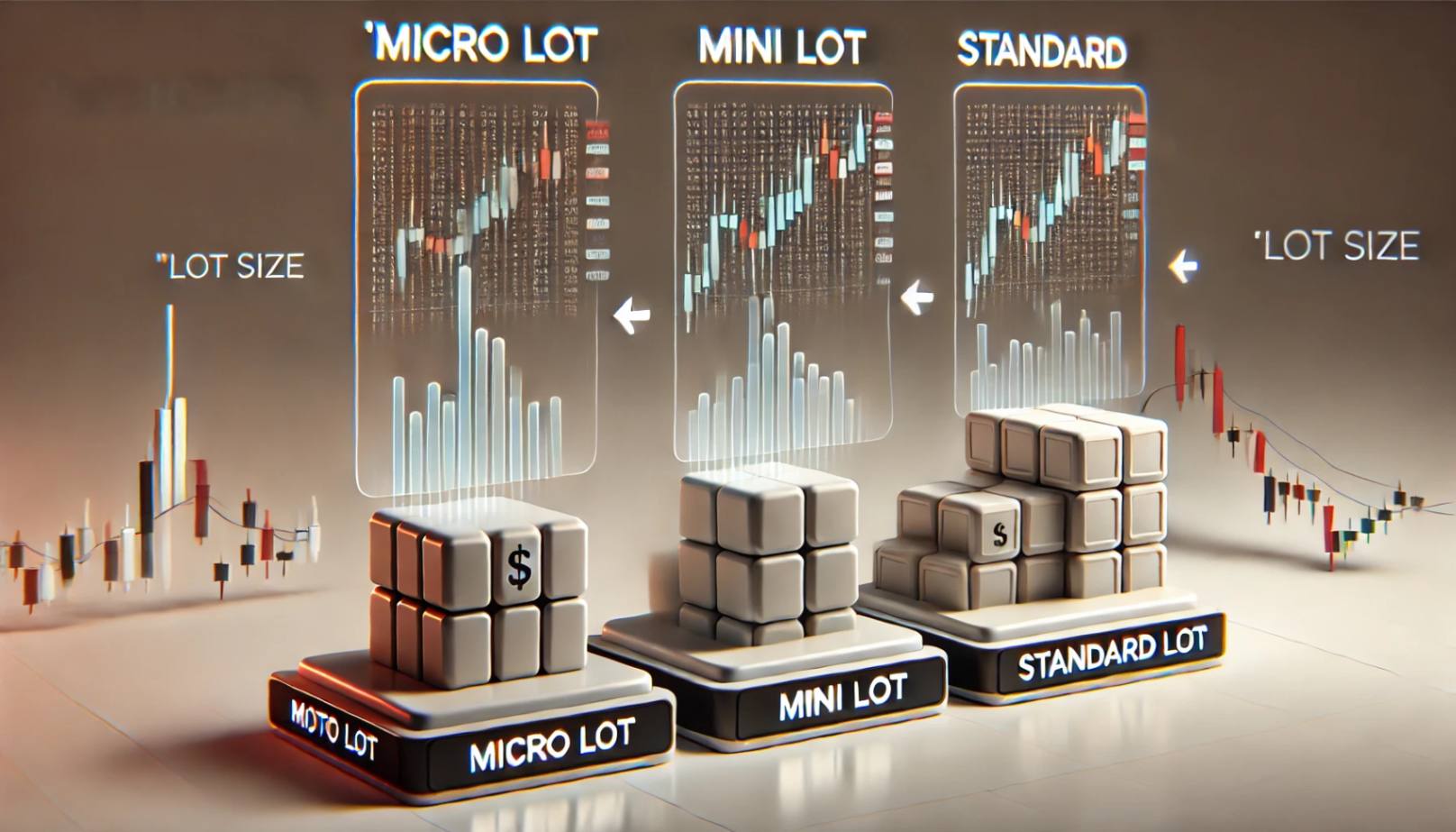
One losing trade can easily trigger emotional behavior. Traders start increasing lot sizes, ignoring rules, and chasing losses. This is known as revenge trading, and it destroys countless accounts every year.
Trading fewer setups helps reduce this emotional cycle. When every trade is planned carefully, traders become less reactive and more disciplined. Instead of trying to recover losses emotionally, they focus on long-term consistency.
How Professional Traders Think
Professional traders don’t measure success by the number of trades they take. They focus on quality, discipline, and risk management. Many professionals spend more time waiting and analyzing than actually trading.
This is where beginners often get confused. They assume successful traders are active all day long. In reality, experienced traders understand that opportunities are limited. They wait for the market to come to them instead of chasing every movement.
Building a High-Confidence Trading Routine
A strong trading routine creates stability and discipline. Traders should start by creating clear entry and exit rules. Every setup should meet specific conditions before a trade is placed.
Keeping a trading journal is also extremely important. Writing down trades, emotions, and mistakes helps identify patterns over time. Traders who review their behavior regularly improve much faster than those who trade blindly.
Limiting daily trades can also prevent emotional spirals. Sometimes one good trade is enough for the day. More trades do not always mean more profits.
Why Forex Trading Is a Marathon
Many traders enter forex expecting quick riches. They want instant results and become frustrated when success takes time. But trading is a long-term skill, just like learning a sport or building a business.
Consistent growth matters more than short-term excitement. Small disciplined improvements compound over time. Traders who stay patient and focused usually outperform those chasing fast profits.
The Real Meaning of Trading Confidence
Real confidence is not believing every trade will win. That mindset is dangerous. True confidence means trusting your process regardless of temporary losses.
Even the best traders lose trades regularly. The difference is that they remain calm because they understand probability. They know one loss does not define their future results.
When traders stop forcing setups and start focusing on quality opportunities, confidence naturally increases. The market becomes less stressful, decisions become clearer, and consistency becomes possible.

Conclusion
The forex market punishes impatience and rewards discipline. Most traders lose money because they trade too often, react emotionally, and chase every market movement. But successful trading is not about constant action — it’s about smart decision-making.
Trading fewer setups for more confidence allows traders to stay calm, focused, and disciplined. It improves risk management, emotional control, and long-term consistency. Instead of forcing trades, successful traders wait patiently for the best opportunities.
At the end of the day, you don’t need more trades to become profitable. You simply need better ones.
FAQs
1. Why is trading fewer setups important?
Trading fewer setups helps traders focus on high-quality opportunities, reduce emotional decisions, and improve consistency.
2. Can overtrading destroy a forex account?
Yes. Overtrading increases risk exposure and emotional stress, which often leads to major losses.
3. How can beginners avoid revenge trading?
Beginners can avoid revenge trading by following strict rules, limiting trades, and focusing on long-term performance instead of short-term emotions.
4. Do professional traders trade every day?
Not always. Many professional traders wait patiently for strong setups instead of forcing trades daily.
5. What creates confidence in forex trading?
Confidence comes from discipline, experience, risk management, and trusting a proven trading strategy.