

Trading looks exciting from the outside. Fast profits, luxury lifestyles, and screenshots of massive wins flood social media every day. But behind the flashy videos lies a painful truth — most traders lose money because they search for shortcuts instead of learning the real process.
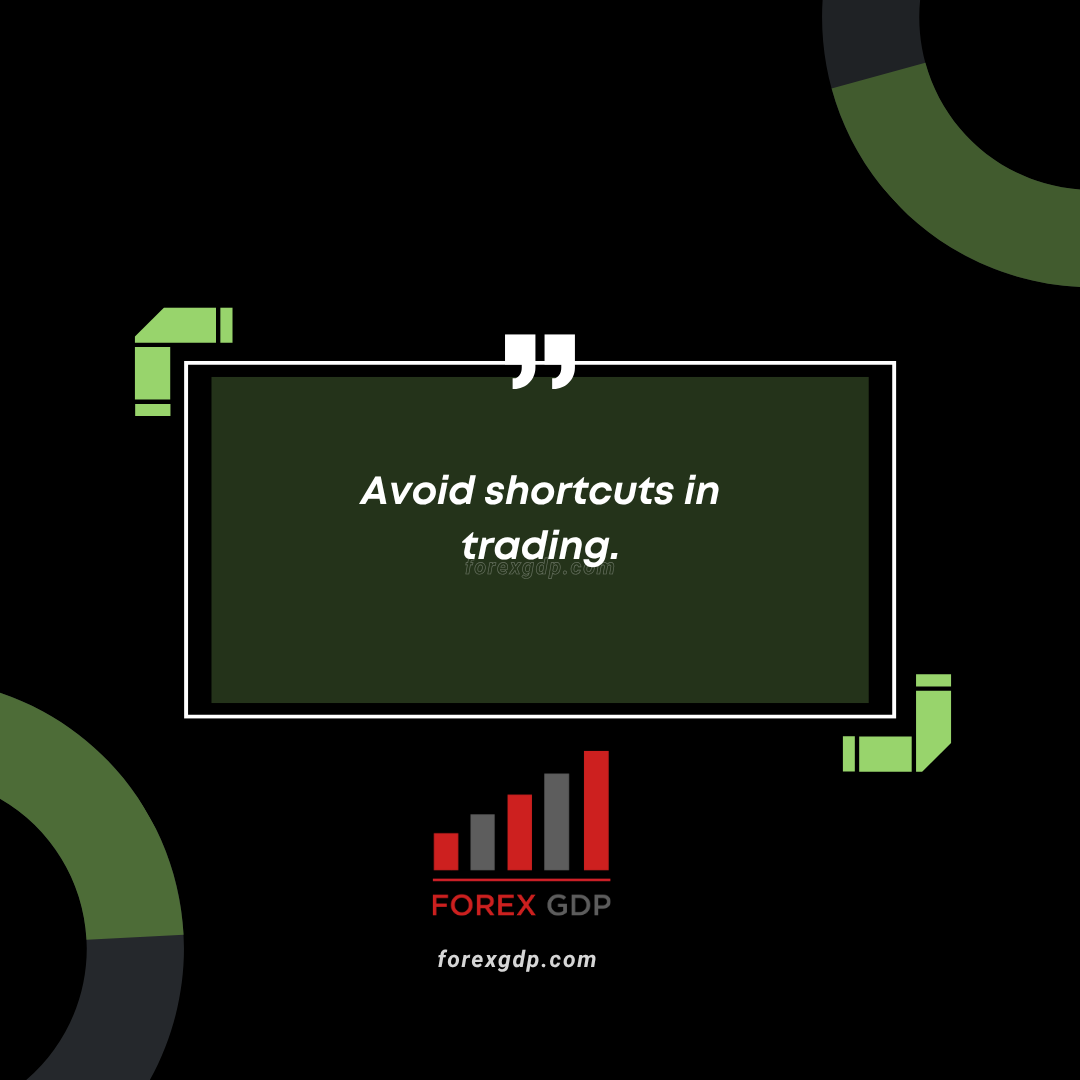
The quote “Avoid shortcuts in trading” carries a powerful message. In trading, shortcuts may feel attractive at first, but they often lead to blown accounts, emotional stress, and disappointment. Success in the market comes from patience, discipline, and consistency — not from gambling or chasing fast money.

Why Most Traders Fail
Most beginner traders enter the market with unrealistic expectations. They believe trading is an easy way to become rich quickly. Instead of learning risk management or market structure, they jump from one “magic strategy” to another.
The problem is simple: they want rewards without effort. Trading doesn’t work that way. The market punishes impatience harshly. Many traders lose because they focus more on fast profits than long-term survival.
The Illusion of Easy Money
Social media has created a dangerous fantasy around trading. Everywhere you look, someone is showing luxury cars, expensive watches, or fake profit screenshots. It makes trading seem effortless.
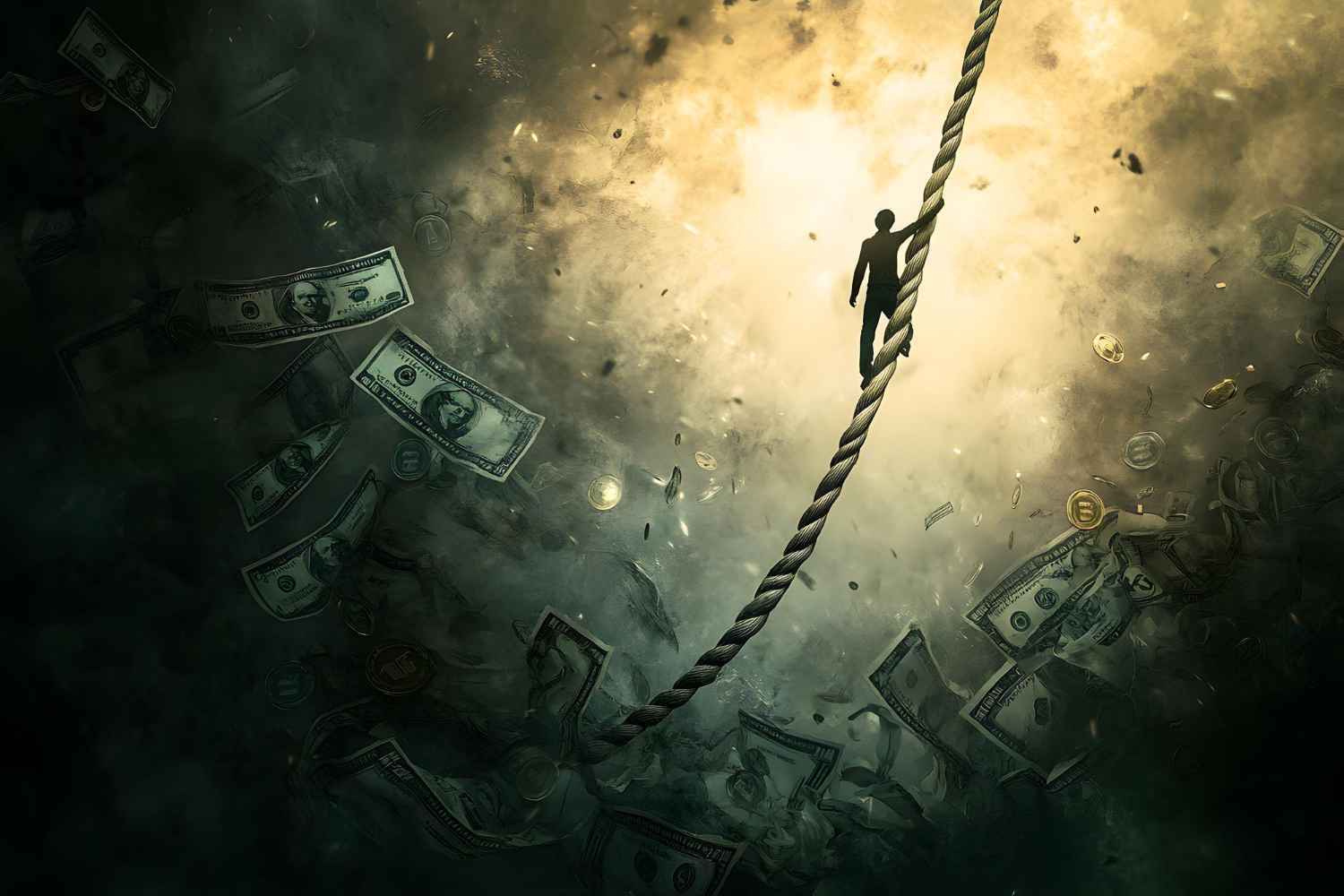
But what people rarely show are the losses, sleepless nights, stress, and failed accounts. Trading is not a shortcut to wealth. It is a skill that takes time to master, just like becoming a doctor, athlete, or engineer.
Quick profits often create false confidence. A trader wins a few trades and suddenly thinks they are unbeatable. Then greed takes over, risk increases, and one bad trade destroys everything.
Shortcuts Destroy Discipline
Discipline is the foundation of successful trading. Once traders begin searching for shortcuts, discipline disappears. They stop following rules, ignore stop losses, and make emotional decisions.
This leads to behaviors like revenge trading, overtrading, and impulsive entries. Instead of trading with logic, they trade with emotions. That’s when losses begin piling up quickly.
Trading without discipline is like driving a car with no brakes. It may move fast for a while, but eventually, disaster becomes unavoidable.
The Dangerous Addiction to Trading Signals
Many traders depend completely on signal groups or online “gurus.” They blindly copy trades without understanding why those trades are taken. At first, this may seem convenient, but it creates dependency.
What happens when the signal provider disappears or starts losing? Most followers panic because they never learned how to trade independently.
Real traders focus on education and skill-building. Shortcut traders rely on others to think for them, and that rarely ends well.
Why Patience Matters in Trading
Patience is one of the most ignored skills in trading. Beginners want constant action. They feel the need to enter trades every hour because they think activity means progress.
Professional traders think differently. They can wait for the perfect setup without forcing trades. They understand that quality matters more than quantity.
Trading is like fishing. Throwing the net everywhere out of frustration won’t guarantee success. Smart traders wait for the right opportunity instead of chasing every market movement.
Risk Management Is More Important Than Winning
One of the biggest misconceptions in trading is believing you must win every trade. That’s completely false. Even professional traders experience losses regularly.
What separates successful traders from failed traders is risk management. Smart traders protect their capital carefully. They risk small amounts per trade and survive losing streaks.
Reckless traders do the opposite. They use huge leverage, risk massive percentages, and chase unrealistic gains. Eventually, one bad trade wipes out their account completely.
Emotions Are the Real Enemy
Most trading mistakes come from emotions, not strategy. Fear causes traders to exit trades too early, while greed keeps them in losing trades too long.
Then comes revenge trading — one of the most dangerous habits in the market. After losing money, many traders jump into random trades trying to recover losses quickly. Instead of fixing the problem, they make it worse.
The market exposes emotional weaknesses brutally. If a trader lacks patience, discipline, or emotional control, the market will reveal it very quickly.
The Importance of Having a Trading Plan
Trading without a plan is financial suicide. A proper trading plan helps traders stay disciplined during emotional moments.
A good trading plan should include:
- Entry and exit rules
- Risk management guidelines
- Position sizing
- Trading schedule
- Emotional control rules
Without structure, trading becomes pure gambling. Successful traders follow systems. Losing traders rely on hope and emotions.
Why Overtrading Destroys Accounts
Many traders believe more trades mean more profits. In reality, overtrading often leads to unnecessary losses.
Some traders become addicted to the excitement of the market. They enter poor setups simply because they feel bored or impatient. This behavior destroys discipline and increases emotional mistakes.
Sometimes the best trade is no trade at all. Professional traders understand this clearly, while beginners often learn it the hard way.
Slow Growth Is Better Than Fast Destruction
Most traders dream of doubling their accounts quickly. That mindset is dangerous because it encourages reckless behavior.
Successful trading is usually slow and steady. Small consistent gains over time are far more powerful than risky attempts to get rich overnight.
Compounding works like rolling a snowball downhill. At first, growth seems small, but with consistency and patience, it becomes massive over time.
The Difference Between Trading and Gambling
Many people claim they are trading when they are actually gambling. If someone enters random trades, ignores risk management, and depends on luck, that’s not trading — it’s gambling.
Real trading involves planning, analysis, discipline, and emotional control. Casinos thrive because emotional people make irrational decisions. The market works the same way.
Professional traders focus on probability and long-term consistency. Gamblers focus only on excitement and fast rewards.
How to Avoid Shortcuts in Trading
Avoiding shortcuts starts with changing your mindset. Traders must stop searching for secret strategies and start focusing on education and discipline.
Important habits include:
- Learning technical and fundamental analysis
- Practicing on demo accounts
- Keeping a trading journal
- Managing emotions properly
- Accepting losses as part of the process
Losses are normal in trading. Even the best traders lose. The key is learning from mistakes instead of reacting emotionally.

Conclusion
The phrase “Avoid shortcuts in trading” is more than just advice — it’s a survival rule. Trading rewards patience, discipline, consistency, and emotional control. It punishes greed, impatience, and reckless behavior.
There is no magic shortcut to success in the market. The traders who survive long term are the ones willing to learn slowly, manage risk wisely, and stay emotionally disciplined.
Shortcuts may look attractive in the beginning, but they often lead straight to failure. The long road may feel harder, but it is the only path that truly works in trading.
FAQs
1. Why do beginner traders lose money?
Most beginners lose because they chase fast profits without understanding risk management, discipline, or trading psychology.
2. Is trading a quick way to become rich?
No. Successful trading takes time, patience, education, and emotional control.
3. Why is risk management important in trading?
Risk management protects traders from large losses and helps them survive long enough to grow consistently.
4. What is overtrading?
Overtrading happens when traders place too many unnecessary trades, often due to boredom, greed, or emotional reactions.
5. Can trading become a full-time career?
Yes, but only for traders who treat it like a serious business and focus on discipline and consistency instead of shortcuts.