

Trading can look exciting from the outside. Fast profits, financial freedom, and luxury lifestyles make forex trading feel like a shortcut to success. But behind the charts, many traders are silently struggling with emotions they don’t understand.
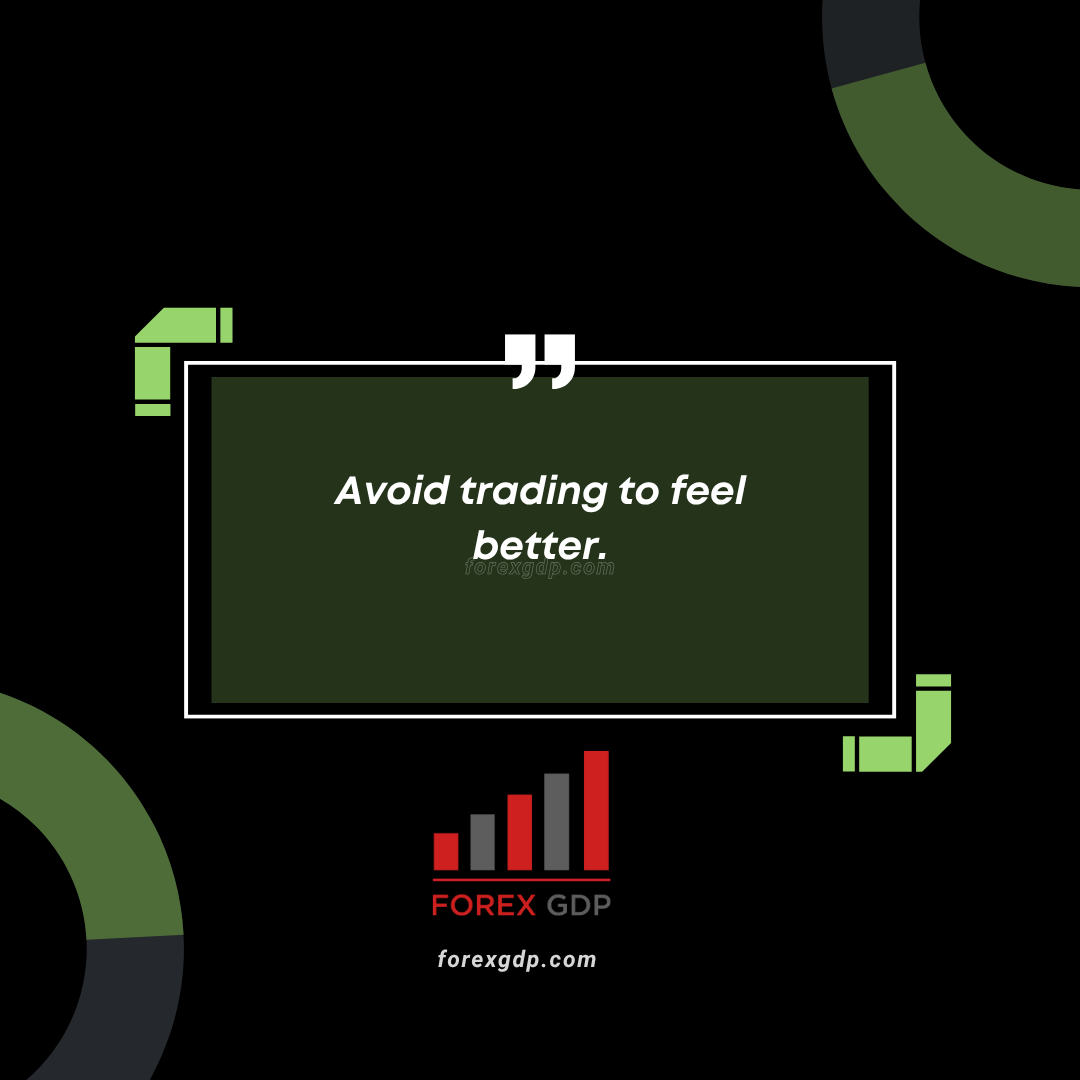
One of the biggest mistakes traders make is using trading to escape stress, frustration, boredom, or sadness. That’s dangerous because the market doesn’t heal emotions — it exposes them. The quote, “Avoid trading to feel better,” carries a powerful warning every trader needs to hear.
Why Emotional Trading Is Dangerous
Trading is not just about strategies and indicators. It’s mostly psychological. Your emotions influence every decision you make in the market. If you’re stressed, angry, or desperate, those feelings often appear in your trades.
The problem is simple: emotional traders stop following logic. Instead of sticking to a plan, they chase feelings. And feelings are unreliable in a market that rewards discipline.
The Hidden Reason Many People Start Trading
A lot of people enter forex because they want freedom. But deep down, many are also looking for emotional relief. Some want to escape financial pressure, job stress, loneliness, or personal failures.
Trading becomes an emotional escape instead of a business. That’s where problems begin. The market is not therapy. It’s a high-pressure environment that punishes emotional decisions quickly.
Trading Addiction Is Real
Winning trades create excitement. Your brain releases dopamine, making you crave the emotional high again. Over time, some traders become addicted to checking charts, opening trades, and chasing profits.

It starts feeling less like investing and more like gambling. Traders begin forcing trades just to feel something. That emotional dependency slowly destroys discipline and decision-making.
Revenge Trading Can Destroy an Account
After a losing trade, many traders feel frustrated or angry. Instead of stopping, they immediately try to win the money back. This is called revenge trading.
The danger is that emotions take control. Traders increase lot sizes, ignore risk management, and open random positions. A small loss suddenly turns into a disaster. The market doesn’t reward emotional reactions — it punishes them.
Social Media Makes Trading Psychology Worse
Social media has created unrealistic expectations about forex trading. Everywhere you look, there are fake screenshots, luxury cars, and influencers pretending to make millions overnight.
This creates pressure on beginners. They start believing trading should always feel exciting and profitable. In reality, professional trading is boring most of the time. Real traders wait patiently, manage risk carefully, and accept losses calmly.
The flashy lifestyle shown online often leads traders into emotional and impulsive behavior.
Boredom Trading Is a Silent Problem
Many traders open trades simply because they feel bored. They stare at charts for hours and convince themselves they need to be in the market constantly.
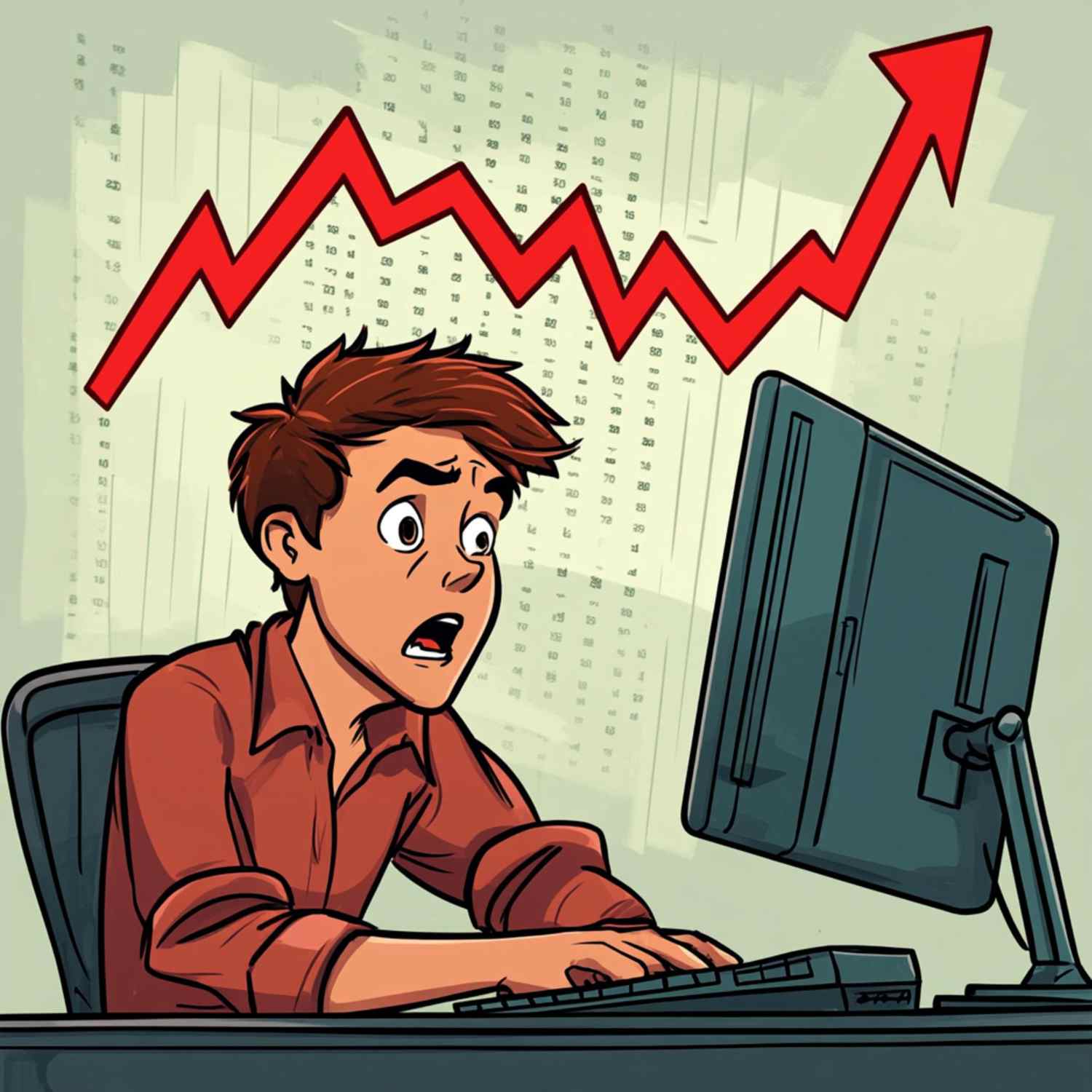
But forcing trades is like forcing rain from the sky — it doesn’t work. Professional traders understand that sometimes the best trade is no trade at all. Emotional traders struggle with patience, so they create opportunities that don’t actually exist.
Stress Outside Trading Affects Your Decisions
Personal problems don’t disappear when you open trading charts. Stress from work, relationships, lack of sleep, or financial pressure often leaks into trading decisions.
A tired or emotionally overwhelmed trader becomes impulsive. They enter trades too early, exit too quickly, or ignore stop losses completely. Trading requires emotional clarity, and stress makes clear thinking difficult.
Why Ego Is Dangerous in Forex
Some traders don’t just want profits — they want validation. They want to feel smart, successful, or superior. Because of that, they refuse to accept losses.
Instead of closing bad trades, they hold onto them hoping the market will reverse. Their ego becomes more important than protecting capital. Unfortunately, the market doesn’t care about pride. Ego is expensive in trading.
How Emotional Traders Ignore Risk Management
Risk management sounds boring, which is why emotional traders often ignore it. When emotions take over, traders convince themselves that one trade will change everything.
They risk huge portions of their account trying to recover losses quickly. But trading is a marathon, not a sprint. One emotional trade with poor risk management can wipe out months of hard work in minutes.
Signs You’re Trading Emotionally
There are clear warning signs emotional trading is taking control. If you constantly check charts, feel anxious after losses, or increase lot sizes to recover money quickly, emotions are driving your decisions.
Another major sign is trading without a setup. When traders open positions out of boredom, anger, or desperation, they stop acting like professionals and start acting impulsively.
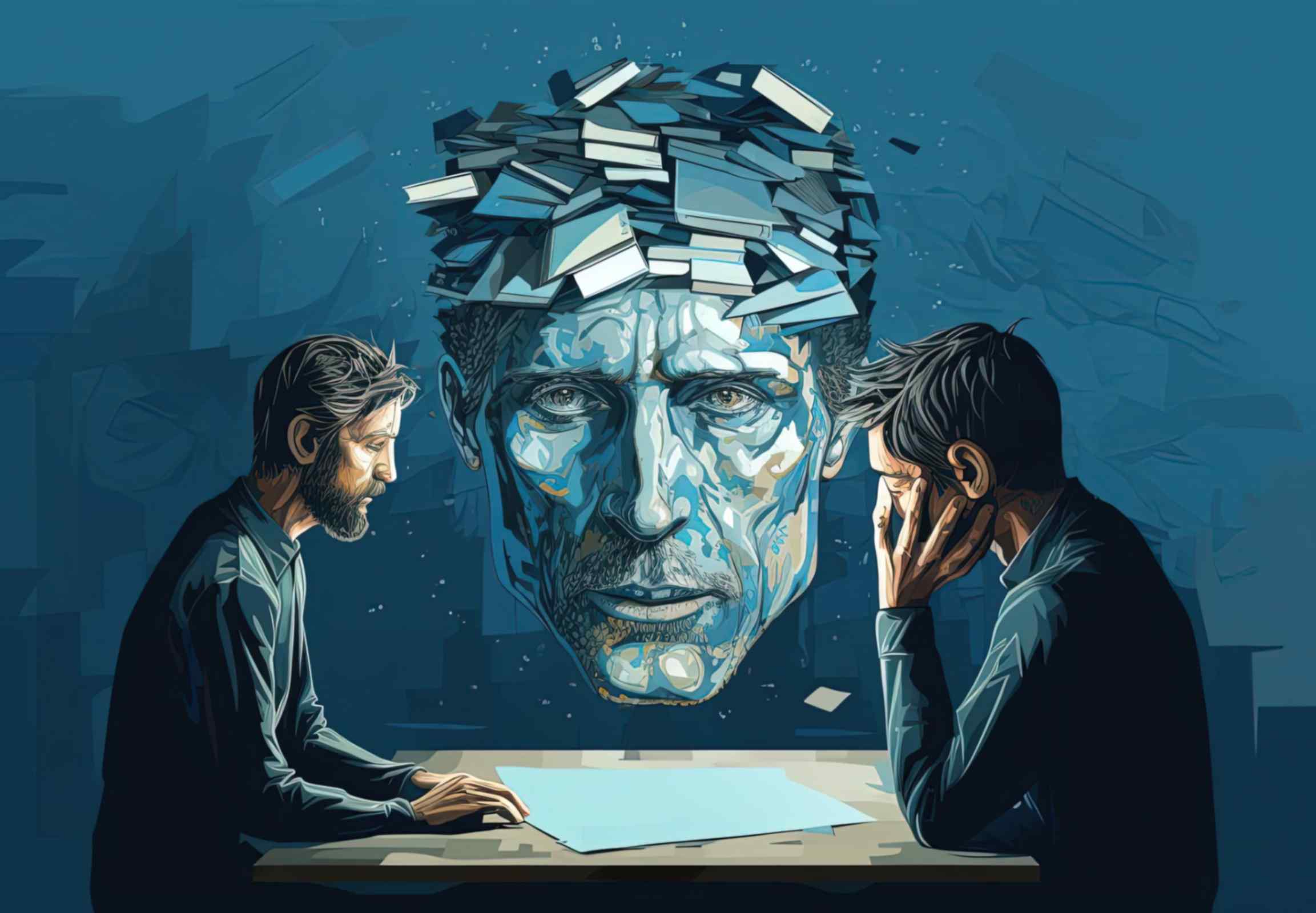
Recognizing these signs early can save both your account and your mental health.
How Professional Traders Think Differently
Professional traders treat trading like a business. They don’t trade for excitement or emotional relief. They follow routines, manage risk carefully, and stay patient even during losing streaks.
Consistency matters more than adrenaline. Good traders understand that survival is the first goal. Instead of chasing quick profits, they focus on protecting capital and making disciplined decisions repeatedly over time.
How to Stop Emotional Trading
The first step is creating strict trading rules. Rules reduce emotional decisions because they force structure and discipline. Having a daily loss limit or fixed risk percentage helps protect traders from impulsive behavior.
Keeping a trading journal is also powerful. Writing down your emotions before and after trades reveals patterns you may not notice otherwise. Sometimes the real problem isn’t your strategy — it’s your mindset.
Taking breaks after losses is equally important. Walking away from the charts allows emotions to settle before making another decision.
Patience Is the Real Trading Superpower
Most traders lose because they can’t wait. They constantly search for action, even when there are no quality setups available. Patience feels boring, but it’s one of the most valuable skills in trading.
Professional traders act like snipers. They wait carefully for high-probability opportunities instead of firing at everything moving in the market. Emotional traders, however, struggle with silence and often overtrade because they crave excitement.
The Market Owes You Nothing
This is a hard truth many traders hate accepting. The market doesn’t care about your bills, emotions, goals, or desperation. It doesn’t owe you profits simply because you need money badly.
Once traders accept this reality, they stop expecting emotional rewards from trading. They begin focusing on discipline instead of hope. That mindset shift changes everything.

Conclusion
The quote “Avoid trading to feel better” is more than simple advice — it’s a survival rule for traders. Emotional trading leads to impulsive decisions, revenge trades, overtrading, and destroyed accounts.
Forex trading should never become an emotional escape from stress or unhappiness. The traders who succeed long term are not necessarily the smartest. They are the most disciplined, patient, and emotionally controlled.
Before opening your next trade, ask yourself one question:
“Am I following my strategy, or am I trying to fix my emotions?”
That answer could save your account.
FAQs
1. What is emotional trading?
Emotional trading happens when traders make decisions based on feelings like fear, anger, stress, or excitement instead of logic and strategy.
2. Why is revenge trading dangerous?
Revenge trading causes traders to act impulsively after losses, often leading to bigger losses and poor risk management.
3. Can forex trading become addictive?
Yes. The excitement from winning trades can create dopamine-driven behavior similar to gambling addiction.
4. How can I control emotions while trading?
Using strict rules, risk management, trading journals, and taking breaks after losses can help control emotions.
5. What is the biggest mistake beginner traders make?
Many beginners trade emotionally, overtrade, and ignore risk management instead of focusing on discipline and patience.