

The forex market has always carried a strange kind of magnetism. It pulls people in with promises of freedom, flexibility, and fast money. Screens glow late into the night while traders stare at candlestick charts like sailors reading storm clouds. Some people walk away richer. Others leave frustrated, exhausted, and wondering where everything went wrong.
That’s the uncomfortable truth nobody likes to admit. Forex trading is not just about making money. It’s about surviving long enough to learn how the market behaves. The image carrying the phrase “Trade smart, not hard” captures a mindset that many traders ignore until they’ve already burned through time, confidence, and capital.
Smart trading is not glamorous. It doesn’t look like luxury cars or screenshots of impossible profits. It looks calm. It looks disciplined. Sometimes it even looks boring. Yet boring is often what keeps traders alive.
The modern forex trader faces endless noise. Social media influencers scream about “guaranteed signals.” Online groups push risky strategies dressed up as genius. Beginners get trapped in a cycle of overtrading because they believe success must come from constant action. But the market doesn’t reward noise. It rewards patience.
The idea behind trading smart instead of hard is simple: work with the market instead of fighting it. A trader who understands risk, timing, psychology, and consistency often outperforms the trader who spends every waking hour chasing trades.
Why Most Forex Traders Burn Out
Many traders enter forex with energy and ambition. At first, the excitement feels intoxicating. Every price movement creates adrenaline. Every win feels like proof of talent. But slowly, the pressure builds.
The market never sleeps. Currency prices move around the clock. Traders become obsessed with checking charts every few minutes. They begin treating every tiny fluctuation like an emergency. What started as an opportunity turns into emotional chaos.
The Trap of Overtrading
Overtrading is one of the biggest reasons traders fail. It happens when traders believe more trades automatically mean more profit. In reality, excessive trading usually leads to poor decisions and emotional exhaustion.
A trader sitting in front of a screen for ten straight hours often starts seeing opportunities that do not really exist. It’s like staring at clouds and suddenly convincing yourself they form meaningful patterns. The human brain wants action, especially when money is involved.
When Patience Feels Impossible
Patience sounds easy until real money enters the picture. Traders feel pressure to constantly “do something.” Watching the market without entering a trade can feel frustrating. Yet experienced traders understand that waiting is often the smartest move.
Sometimes the best trade is no trade at all. That idea irritates beginners because it feels passive. But the market punishes impulsive behavior. Entering random positions just to stay active is like swinging wildly in baseball without watching the ball.
Emotional Trading Creates Damage
Fear and greed are dangerous partners. A losing trade creates panic, while a winning streak creates overconfidence. Both emotions distort judgment.
Many traders revenge-trade after losses. They increase position sizes hoping to recover quickly. That usually makes things worse. One bad emotional decision can erase weeks of steady gains.
The Illusion of Working Harder
People naturally believe hard work solves everything. In many careers, that idea holds true. In forex trading, however, more effort does not always produce better results.
Staring at charts endlessly can actually reduce clarity. The mind becomes overloaded. Traders begin second-guessing every setup. They stop trusting their strategy because they’re drowning in information.
Information Overload Is Real
Modern traders consume massive amounts of data. Economic news, technical indicators, trading signals, expert opinions, social media predictions — it never ends.
Too much information creates paralysis. Traders become afraid to act because every source says something different. One analyst predicts a rally while another predicts collapse. Confusion replaces confidence.
Burnout Destroys Decision-Making
Mental exhaustion quietly damages performance. Tired traders make impulsive decisions. They forget risk management rules. They chase losses and hold losing trades too long.
Trading while emotionally drained is like driving through thick fog at high speed. Eventually, something crashes.
What Smart Forex Trading Really Means

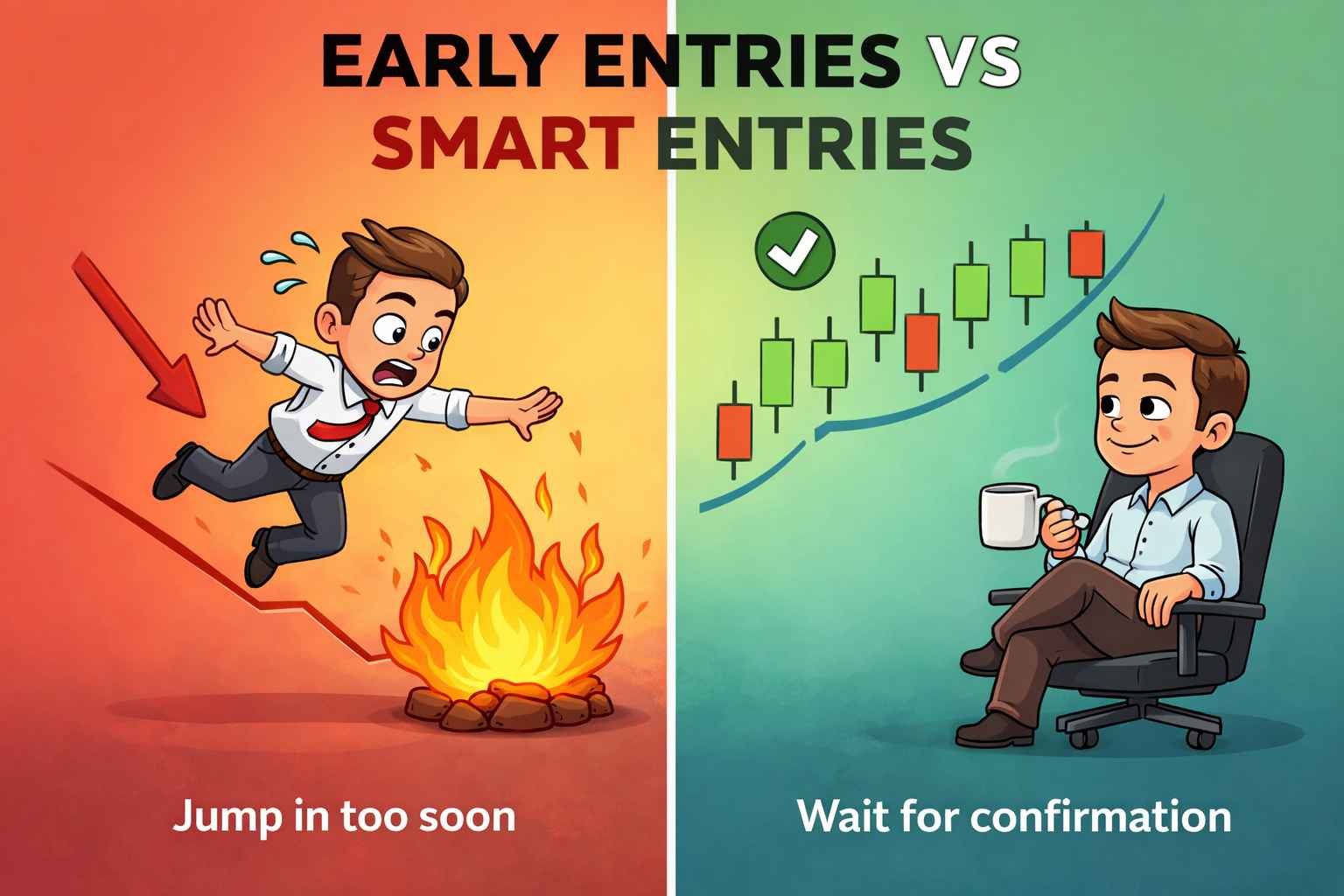
Smart trading is not about avoiding effort. It’s about directing energy toward the right things. Successful traders focus on efficiency instead of chaos.
They develop systems. They manage emotions. They protect capital. Most importantly, they understand that survival matters more than excitement.
Risk Management Comes First
Professional traders think differently about money. Beginners focus heavily on profit. Professionals focus heavily on protection.
That difference changes everything. Smart traders understand they cannot control the market, but they can control risk.
Protecting Capital Is the Real Game
A trader without capital cannot trade tomorrow. That’s why smart traders never risk too much on a single position. They accept that losses are part of the process.
This mindset feels counterintuitive at first. Many new traders believe confidence means betting big. In reality, discipline means staying small enough to survive uncertainty.
Small Losses Prevent Big Disasters
Every trader experiences losing trades. Even the best strategies fail sometimes. The goal is not perfection. The goal is controlled damage.
Think of it like wearing a seatbelt. You hope you never need it, but when trouble appears, protection matters. Stop-loss orders and position sizing serve the same purpose in forex trading.
Discipline Beats Excitement
The market constantly tempts traders into emotional decisions. Price spikes create fear of missing out. Sudden reversals trigger panic. Smart traders resist these emotional traps.
Discipline often feels boring because it removes drama. But consistency grows from boring habits.
Routine Builds Confidence
Many successful traders follow strict routines. They analyze markets at specific times. They review setups carefully. They avoid impulsive entries.
Routine reduces emotional chaos. It creates structure in an environment filled with uncertainty. Like an athlete practicing fundamentals daily, traders build strength through repetition.
Consistency Matters More Than Big Wins
One massive winning trade may look impressive online, but long-term success usually comes from steady performance.
Smart traders avoid gambling behavior. They understand that slow growth compounds over time. A trader earning consistent moderate returns often outlasts traders chasing explosive profits.
Strategy Without Psychology Fails
A trading strategy can look perfect on paper and still fail in practice. Why? Because humans are emotional creatures.
Fear changes decisions. Greed changes decisions. Doubt changes decisions. Smart trading requires emotional awareness.
Confidence Must Be Earned
Real confidence comes from preparation and experience, not arrogance. Traders who blindly believe they cannot fail usually learn painful lessons.
Smart traders remain humble. They respect the market because they know it can humble anyone.
Accepting Losses Changes Everything
Many traders struggle emotionally because they view losses as personal failures. Smart traders see losses differently. They see them as business expenses.
A restaurant owner expects operating costs. A trader should expect occasional losses. Once traders stop taking losses personally, emotional stability improves dramatically.
Technology and Modern Trading Advantages


Today’s traders have access to tools that previous generations could only dream about. Real-time charts, mobile apps, advanced indicators, and automated systems have transformed forex trading.
But technology cuts both ways. It can help traders become smarter, or it can amplify bad habits.
Smart Tools Can Improve Performance
Modern platforms offer incredible convenience. Traders can analyze markets from almost anywhere. Information travels instantly.
The key is using technology wisely instead of becoming dependent on it.
Automation Reduces Emotional Errors
Some traders use automated systems to execute trades based on predefined rules. This approach removes certain emotional decisions from the process.
Automation can help maintain discipline, especially during volatile market conditions. It acts like a guardrail preventing emotional impulses from taking over.
Data Helps Traders Learn Faster
Trading journals and performance analytics allow traders to study patterns in their behavior. Smart traders constantly review past trades to identify strengths and weaknesses.
Without review, mistakes repeat endlessly. Reflection turns experience into wisdom.
Social Media Can Mislead Traders
The online trading world often looks glamorous. Screenshots of giant profits spread everywhere. Influencers present trading as a shortcut to luxury.
What people rarely show are the losses, stress, sleepless nights, and failures behind the scenes.
Comparison Creates Frustration
Watching others claim massive profits can damage confidence. Traders begin feeling inadequate or impatient.
But social media is like a highlight reel in sports. It rarely shows the missed shots, injuries, or failures. Comparing your real journey to someone else’s edited image creates unnecessary pressure.
False Gurus Thrive on Desperation
Unfortunately, the forex industry attracts many dishonest personalities. Some sell unrealistic dreams to beginners desperate for financial freedom.
Smart traders stay skeptical. They understand that genuine success rarely comes wrapped in flashy marketing promises.
The Psychology Behind Smart Trading
Trading is not just financial. It is deeply psychological. The charts may show numbers, but behind every price movement are human emotions.
Fear, greed, hope, regret, confidence, and panic all shape market behavior. Smart traders learn to manage themselves before trying to manage the market.
Emotional Control Is a Competitive Advantage
Two traders can use the exact same strategy and achieve completely different results. The difference often comes down to emotional control.
The trader who remains calm under pressure usually survives longer.
Stress Changes Market Perception
Stress narrows thinking. Traders under pressure become reactive instead of analytical. They focus on short-term pain rather than long-term strategy.
A stressed trader might close winning trades too early or hold losing positions too long. Emotional discomfort clouds judgment.
Calm Traders See Opportunities Clearly


When emotions settle, clarity improves. Smart traders avoid forcing trades during emotional extremes.
They understand that the market will always provide another opportunity. Missing one trade is not the end of the world.
Confidence Without Ego Matters
Confidence is essential in trading, but ego is dangerous. There’s a fine line between trusting your strategy and becoming stubborn.
The market punishes arrogance quickly.
Ego Turns Mistakes Into Disasters
Some traders refuse to admit when they are wrong. Instead of accepting manageable losses, they hold losing positions hoping the market reverses.
Hope is not a strategy. The market does not care about pride.
Humility Keeps Traders Flexible
Smart traders stay adaptable. If market conditions change, they adjust. They don’t marry their opinions.
Flexibility matters because the forex market constantly evolves. What worked yesterday may fail tomorrow.
Building Long-Term Success in Forex Trading
Sustainable success does not happen overnight. Smart traders think long term. They treat trading like a marathon rather than a sprint.
This mindset changes behavior dramatically.
Consistency Creates Momentum
Small consistent actions often outperform dramatic bursts of effort. Smart traders focus on process instead of obsession with immediate results.
Progress in trading resembles planting seeds. Growth happens gradually, often invisibly at first.
Habits Shape Results
Good habits compound over time. Reviewing trades, following risk rules, and maintaining discipline slowly strengthen performance.
Bad habits compound too. Emotional decisions and reckless behavior eventually create damage that becomes difficult to recover from.
Learning Never Stops
The market constantly changes because economies, politics, and global events constantly change. Smart traders remain curious and adaptable.
Complacency becomes dangerous in fast-moving financial environments.
Mindset Matters More Than Most People Think
Many people search endlessly for the perfect strategy while ignoring mindset. But even great strategies fail under emotional pressure.
Smart trading begins internally.
Patience Creates Better Timing
The market rewards patience more often than aggression. Smart traders wait for quality setups instead of forcing action.
This approach feels uncomfortable because humans naturally crave activity. Yet patience often separates professionals from gamblers.
Confidence Grows Through Experience
Experience teaches lessons that books cannot fully explain. Over time, traders learn how markets react during volatility, uncertainty, and momentum shifts.
Each mistake becomes part of the learning process. Traders who survive long enough eventually develop intuition grounded in real experience.
Trading Smarter in a Noisy Financial World


The financial world today feels louder than ever. Everyone has an opinion. Headlines scream urgency. Influencers promise shortcuts. Traders face constant pressure to move faster, trade bigger, and chase excitement.
But smart trading often means slowing down.
The phrase “Trade smart, not hard” carries more depth than it first appears. It challenges the belief that nonstop effort guarantees success. In forex trading, survival, discipline, patience, and emotional control matter far more than endless activity.
A smart trader understands that the market is not an enemy to conquer. It is an environment to navigate carefully. Like sailing through unpredictable waters, success comes from preparation, balance, and calm decision-making.
Hard trading drains energy. Smart trading preserves it.
Hard trading chases every opportunity. Smart trading waits for the right one.
Hard trading is emotional. Smart trading is intentional.
That difference changes everything.
FAQs
1.What does “trade smart, not hard” actually mean in forex trading?
It means focusing on discipline, strategy, and risk management instead of constantly chasing trades or relying on emotional decisions. Smart trading values quality over quantity.
2.Why do many forex traders lose money quickly?
Many traders fail because of overtrading, poor risk management, emotional decisions, and unrealistic expectations. The pressure to make fast profits often leads to reckless behavior.
3.Is forex trading more psychological than technical?
Both matter, but psychology plays a massive role. Even strong technical strategies can fail if traders panic, become greedy, or ignore discipline during emotional moments.
4.Can beginners become successful forex traders?
Yes, but success usually takes time, patience, and consistent learning. Traders who focus on long-term improvement rather than quick profits tend to perform better over time.
5.How important is risk management in forex trading?
Risk management is critical. Protecting capital allows traders to survive losses and continue trading. Without proper risk control, even skilled traders can lose everything quickly.