

Forex trading is full of noise. Social media influencers scream about “market crashes,” fake gurus promise overnight riches, and emotional traders panic every time the market moves a few points. In the middle of all this chaos, one principle stands strong:
Trust the data. Doubt the drama.
The market rewards logic, not emotions. Traders who rely on hype usually lose money fast, while those who follow facts, charts, and strategy survive long term. Trading is not a casino game. It’s a battle of discipline and decision-making.
Why Drama Is Dangerous in Forex Trading
Drama spreads faster than truth. One scary headline can make thousands of traders panic within minutes. Fear and greed take over, and people start making emotional decisions instead of smart ones.
That’s exactly how traders destroy accounts. They buy because everyone else is buying. They sell because social media says the market is crashing. Instead of following a plan, they follow the crowd like sheep running toward a cliff.
The market feeds on emotional traders. If you react emotionally to every candle, the market will punish you repeatedly.
What “Trust the Data” Really Means
Trusting the data means relying on facts instead of feelings. Professional traders use information like:
- Price action
- Technical analysis
- Economic news
- Risk management
- Historical patterns
They don’t trade because they “feel lucky.” They trade because the numbers support their decisions.
Think of trading like driving through fog. Emotions are blurry headlights, but data is the GPS guiding you safely through the storm.
The Role of Technical Analysis
Charts Reveal the Truth
Charts never lie. They show exactly what buyers and sellers are doing. Technical analysis helps traders identify trends, support levels, resistance zones, and possible reversals.
When a chart clearly shows a downtrend, ignoring it because an influencer said “buy” is like walking into heavy rain without an umbrella. The market doesn’t care about opinions.
Successful traders respect what the chart is saying instead of fighting against it.
Fundamental Data Matters Too
Currencies Move Because of Economics
Forex prices are heavily influenced by economic data. Interest rates, inflation, employment reports, and central bank decisions all impact currency strength.
For example, if a country raises interest rates, its currency often becomes stronger because investors move money there. That’s real logic supported by economic data.
Compare that to random online predictions with zero evidence. One is analysis. The other is gambling dressed in confidence.

Emotions: The Silent Account Killer
Fear and Greed Destroy Discipline
Most traders don’t lose because of bad strategies. They lose because they can’t control emotions.
Fear causes traders to close good trades too early. Greed causes them to risk too much. Hope makes them hold losing trades forever, praying the market will reverse.
But the market is cold. It doesn’t care about your hopes.
Trading based on emotion is like trying to sail a ship during a hurricane without a compass. Eventually, you crash.
Why Social Media Misleads Traders
Fake Gurus Sell Dreams
Social media made forex trading look glamorous. Expensive cars, fake profit screenshots, luxury vacations — it’s all designed to attract attention.
But most of these influencers never show losses, emotional stress, or blown accounts. They sell fantasy instead of reality.
Real trading is not exciting every day. It’s often slow, repetitive, and disciplined. Professional traders focus on consistency, not flashy lifestyles.
That’s why smart traders ignore hype and focus on improving skills.
Risk Management Is More Important Than Winning
Protecting Capital Comes First
Many beginners obsess over win rates. But experienced traders know survival matters more.
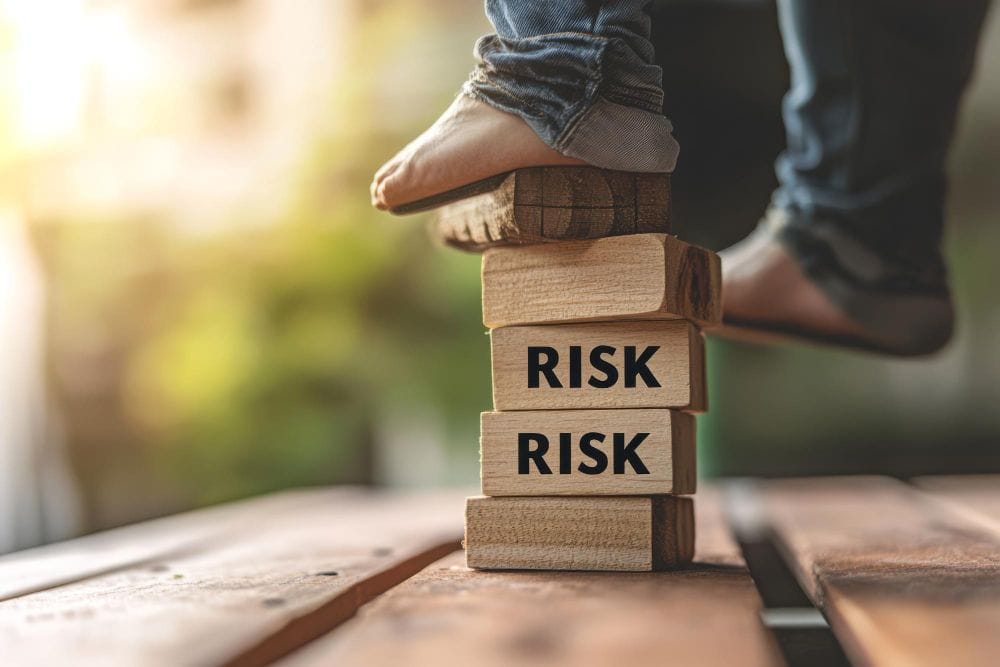
A trader risking 1% per trade can survive losses and continue trading. A trader risking 20% per trade is basically playing Russian roulette with their account.
Even the best strategies lose sometimes. Risk management protects traders during those difficult periods.
Without risk control, one emotional mistake can wipe out months of hard work.
The Power of Patience in Trading
Not Every Setup Deserves a Trade
Many traders overtrade because they feel the need to constantly be in the market. That’s a dangerous mindset.
Sometimes the best trade is no trade at all.
Professional traders wait patiently for high-quality setups. They act like snipers, not machine guns spraying bullets everywhere.
Patience helps traders avoid unnecessary risks and emotional decisions.
Data Builds Real Confidence
Preparation Beats Hope
Real confidence doesn’t come from motivational quotes or hype videos. It comes from preparation.
When traders study charts, test strategies, and understand risk management, they become more confident because they trust their process.
Fake confidence disappears during losses. Real confidence survives because it’s backed by knowledge and discipline.
That’s the difference between professionals and emotional gamblers.
Why Herd Mentality Fails
Following the Crowd Is Risky
The crowd is usually emotional. When everyone becomes extremely bullish, smart traders start becoming cautious. When panic spreads everywhere, opportunities sometimes appear.
Blindly copying other traders rarely works because you don’t know their full strategy, risk tolerance, or goals.
Independent thinking is essential in forex trading. Smart traders analyze the market themselves instead of chasing trends blindly.
Discipline Always Beats Prediction
Nobody Predicts the Market Perfectly
Even professional traders lose trades regularly. The difference is they manage losses properly instead of letting emotions spiral out of control.
Trading is about probabilities, not perfect predictions.
Think of it like poker. Professional poker players don’t win every hand, but they consistently make smart decisions over time. Trading works the same way.
Consistency matters more than ego.
How to Become a Data-Driven Trader
Simple Habits That Improve Trading
Becoming a smarter trader doesn’t happen overnight, but small habits make a huge difference:
- Create a trading plan
- Use stop losses
- Journal every trade
- Limit social media noise
- Backtest strategies
- Focus on long-term growth

These habits reduce emotional mistakes and improve consistency over time.
Conclusion
Forex trading is filled with fear, hype, panic, and emotional chaos. Every day, traders are bombarded with dramatic headlines and unrealistic promises. But successful trading has never been about emotions.
It’s about discipline.It’s about patience.
And most importantly, it’s about trusting the data instead of the drama. Charts, economic reports, and risk management provide clarity when emotions create confusion. Traders who stay calm and follow evidence usually survive long term, while emotional traders burn out quickly. So the next time social media screams about a “massive market move,” pause for a moment. Study the facts. Analyze the charts. Trust your strategy. Because in trading, logic beats emotion every single time.
FAQs
1. Why is data important in forex trading?
Data helps traders make logical decisions based on facts, trends, and analysis rather than emotions or rumors.
2. What does “doubt the drama” mean?
It means avoiding emotional reactions caused by social media hype, panic news, or unrealistic trading promises.
3. Can emotions really affect trading performance?
Yes. Fear, greed, and hope often lead to poor decisions like overtrading or holding losing positions too long.
4. Is technical analysis reliable in forex trading?
Technical analysis helps traders understand market behavior and identify trends, making decisions more structured and disciplined.
5. How can beginners improve their trading mindset?
Beginners should focus on discipline, risk management, patience, and following data instead of emotional market noise.