

Most traders enter the Forex market focused on one thing: profits. They spend hours searching for winning strategies, indicators, and market predictions. Yet many overlook the most important factor in long-term trading success—risk management.
The quote, “Know your maximum risk at all times,” is more than just trading advice. It is a survival rule. The market is unpredictable, and no strategy wins every time. Understanding how much you can lose before entering a trade protects your capital and keeps emotions under control.
What Does Maximum Risk Mean?
Maximum risk is the highest amount of money you are willing to lose on a trade. Before opening any position, you should know exactly how much of your account is at risk if the market moves against you.
Think of it like driving a car. You wear a seatbelt not because you expect an accident, but because accidents can happen. In trading, risk management is your seatbelt.
Without knowing your maximum risk, every trade becomes a gamble rather than a calculated decision.
Why Risk Management Is More Important Than Winning
Many beginners believe successful traders win most of their trades. In reality, profitability depends more on controlling losses than increasing wins.
A trader who wins 80% of trades can still lose money if their losing trades are too large. On the other hand, a trader with a 50% win rate can be highly profitable if their profits are bigger than their losses.
The goal is not to avoid losing trades. The goal is to ensure losses remain small and manageable.
The Danger of Ignoring Risk
One of the biggest reasons traders fail is because they risk too much on a single trade. They increase position sizes, remove stop losses, or use excessive leverage hoping for bigger profits.
At first, this may seem to work. However, one bad trade can wipe out weeks or even months of gains. The market has no sympathy for overconfident traders.
When risk is ignored, survival becomes a matter of luck rather than skill.
The Psychology of Risk
Trading is as much about emotions as it is about analysis. Fear and greed often push traders into making poor decisions.
After a few winning trades, greed encourages larger positions. After losses, fear causes hesitation or revenge trading. Both reactions can lead to significant account damage.
Knowing your maximum risk before entering a trade creates confidence because you already understand the worst possible outcome.

How Professional Traders Think
Beginners usually ask, “How much can I make?”
Professionals ask, “How much can I lose?”
This simple shift in thinking changes everything. Experienced traders calculate risk first and profits second. They understand that preserving capital is the foundation of long-term success.
A trader cannot make money if their account no longer exists.
The 1% Risk Rule
Many professional traders follow a simple principle: never risk more than 1% of their account on a single trade.
For example, if your account balance is $10,000, your maximum loss on one trade should be around $100.
This approach protects your account from losing streaks and allows you to stay in the market long enough to benefit from future opportunities.
Why Stop Losses Matter
A stop loss automatically closes a trade when it reaches a predetermined loss level. It is one of the most important tools in risk management.
Without a stop loss, losses can grow much larger than expected. Markets can move quickly, especially during major economic events.
A stop loss removes emotion from the process and ensures losses remain within acceptable limits.
Position Sizing and Capital Protection
Position sizing determines how much you trade. Even a great setup can become dangerous if the position size is too large.
Two traders may take the same trade, but if one risks 1% and the other risks 20%, their outcomes will be dramatically different when the trade fails.
Successful traders understand that proper position sizing is often more important than finding the perfect entry.
The Hidden Risk of Leverage
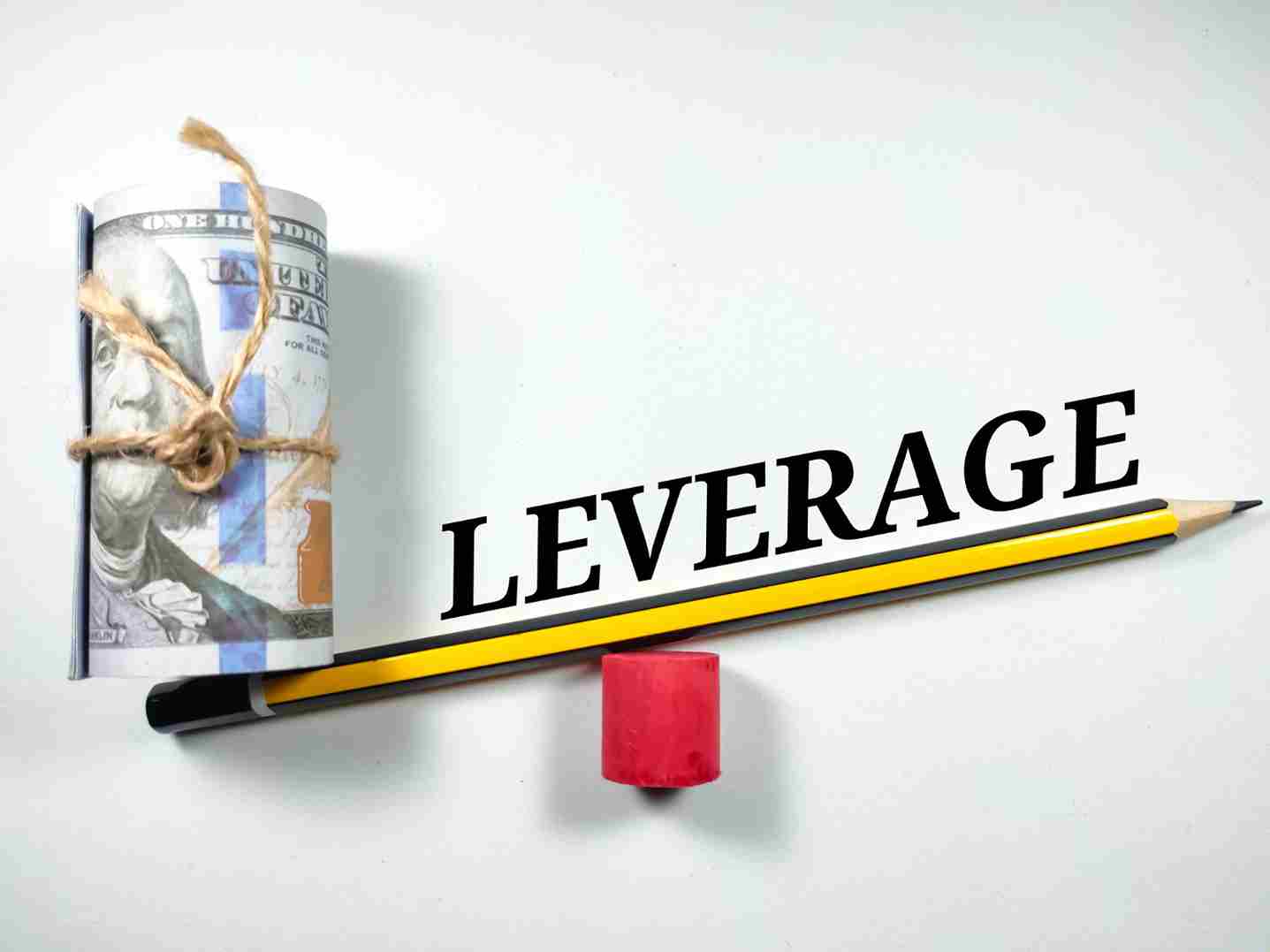
Leverage allows traders to control larger positions with less capital. While this can increase profits, it also magnifies losses.
Many beginners are attracted by the possibility of large returns without fully understanding the dangers involved.
Leverage is like a sharp knife. Used correctly, it can be helpful. Used carelessly, it can cause serious damage.
Risk-to-Reward Ratios
A strong risk-to-reward ratio helps traders remain profitable even if they do not win every trade.
For example, risking $100 to potentially earn $300 creates a 1:3 ratio. In this situation, a trader can lose several trades and still remain profitable over time.
This concept allows traders to focus less on being right and more on managing outcomes effectively.
Building a Personal Risk Management Plan
Every trader should have a written risk management strategy. This plan should include maximum risk per trade, daily loss limits, position sizing rules, and stop-loss requirements.
Having clear rules removes emotional decision-making and promotes consistency. The best traders follow their plans regardless of market conditions.
Discipline often matters more than intelligence in trading.
Common Risk Management Mistakes
Many traders repeatedly make the same costly errors. These include trading without stop losses, risking too much on one trade, using excessive leverage, and attempting to recover losses through revenge trading.
Such mistakes usually stem from emotion rather than logic. Recognizing these behaviors early can save both money and confidence.
The market rewards patience and punishes recklessness.
Conclusion
Knowing your maximum risk at all times is one of the most important principles in Forex trading. Markets are unpredictable, and losses are unavoidable. However, large and devastating losses can be prevented through proper risk management.
By controlling position sizes, using stop losses, limiting leverage, and following a structured risk plan, traders dramatically increase their chances of long-term success. Remember, trading is not about making money quickly—it is about staying in the game long enough for disciplined decisions to compound over time.
The traders who survive are not always the smartest or the most accurate. They are the ones who understand risk and respect it every single day.
FAQs
1. What is maximum risk in Forex trading?
Maximum risk is the highest amount of money a trader is willing to lose on a trade before entering the market.
2. How much should I risk per trade?
Most professionals recommend risking between 1% and 2% of your account balance on a single trade.
3. Why are stop losses important?
Stop losses automatically limit losses and help traders avoid emotional decision-making during volatile market conditions.
4. Can I succeed with a low win rate?
Yes. A strong risk-to-reward ratio can make a trader profitable even with a relatively low win rate.
5. What is the biggest risk management mistake?
Risking too much on a single trade through oversized positions or excessive leverage is one of the most common and costly mistakes.