

In trading, price moves every second. It rises, falls, spikes, and reverses without warning. Many traders become obsessed with these movements and end up making emotional decisions that damage their accounts. The truth is simple: successful traders react to their plans, while unsuccessful traders react to price.
The phrase “React only to plans, not price” is more than just a trading quote. It is a discipline that helps traders stay calm, consistent, and profitable. Instead of chasing every market movement, professional traders follow a predefined strategy and trust the process.
Why Traders Get Trapped by Price Movements
Price is designed to attract attention. When the market suddenly rallies, traders fear missing out. When it falls sharply, panic begins to spread. These emotional reactions often lead to poor decisions.
Many traders enter trades too late because they see a strong move and believe it will continue forever. Others exit winning trades too early because they fear losing profits. In both cases, emotion replaces logic, and consistency disappears.
The Power of a Trading Plan
A trading plan acts like a GPS during a long journey. Without it, you’re constantly guessing which direction to take. With it, every decision becomes easier because the path is already defined.
A solid trading plan includes entry rules, exit rules, stop-loss levels, profit targets, and risk management guidelines. When these factors are decided beforehand, emotional decision-making becomes much less likely.
Professional Traders Follow Rules
Professional traders understand that they cannot control the market. They cannot predict every move or avoid every loss. Instead, they focus on controlling their actions and managing risk effectively.
Rather than reacting to every candle on the chart, they wait patiently for setups that match their strategy. This disciplined approach allows them to survive difficult market conditions and remain consistent over time.
Emotional Trading Is Expensive
Fear and greed are responsible for countless trading losses. Fear causes traders to exit positions too soon, while greed encourages them to hold trades longer than they should.
Imagine building profits for several weeks only to lose everything in one impulsive trade. Unfortunately, this happens every day because traders abandon their plans when emotions take control. One emotional decision can erase months of disciplined work.

The Danger of Fear of Missing Out (FOMO)
FOMO is one of the biggest enemies of traders. When a market starts moving quickly, many traders feel pressured to jump in immediately. They worry that if they wait, the opportunity will disappear.
The problem is that most FOMO trades occur after the best entry has already passed. By following a trading plan, traders can avoid chasing the market and focus only on setups that meet their criteria.
Why Risk Management Matters
Even the best trading strategy cannot guarantee a winning trade every time. Losses are a natural part of trading, which is why risk management is so important.
A good trader protects capital first and seeks profits second. Limiting risk on every trade helps ensure that a few losses do not destroy the entire account. Survival is the foundation of long-term success.
Patience Creates Better Results
Many traders believe success comes from taking more trades. In reality, success often comes from taking fewer but higher-quality trades. Patience allows traders to wait for favorable opportunities rather than forcing action.
Think of a hunter waiting for the perfect moment. They don’t fire at every movement they see. They wait, observe, and act only when conditions are right. Trading requires the same level of patience.
How to Build Trust in Your Plan
Confidence in a trading plan comes from testing and experience. Traders who backtest their strategies understand how their systems perform over hundreds of trades. This knowledge makes short-term losses easier to accept.
Keeping a trading journal can also help. Recording trades, emotions, and outcomes reveals patterns that might otherwise go unnoticed. Over time, this process improves both discipline and performance.
Focus on Process, Not Outcomes
Many traders judge success based on a single trade. This is a mistake. A good trade can lose money, and a bad trade can make money. What matters is whether the trade followed the plan.
The goal should be consistent execution rather than immediate results. When traders focus on the process, profitability often follows naturally over the long run.
Benefits of Reacting to Plans Instead of Price
Traders who follow their plans experience less stress and greater consistency. They spend less time worrying about every market fluctuation and more time focusing on quality decision-making.
This approach also improves confidence because every action has a logical reason behind it. Instead of guessing, traders know exactly why they are entering, managing, or exiting a position.
Discipline Is the Real Edge
Many people search endlessly for the perfect indicator or secret strategy. However, the real advantage in trading is often discipline. A simple strategy executed consistently can outperform a complex strategy executed emotionally.
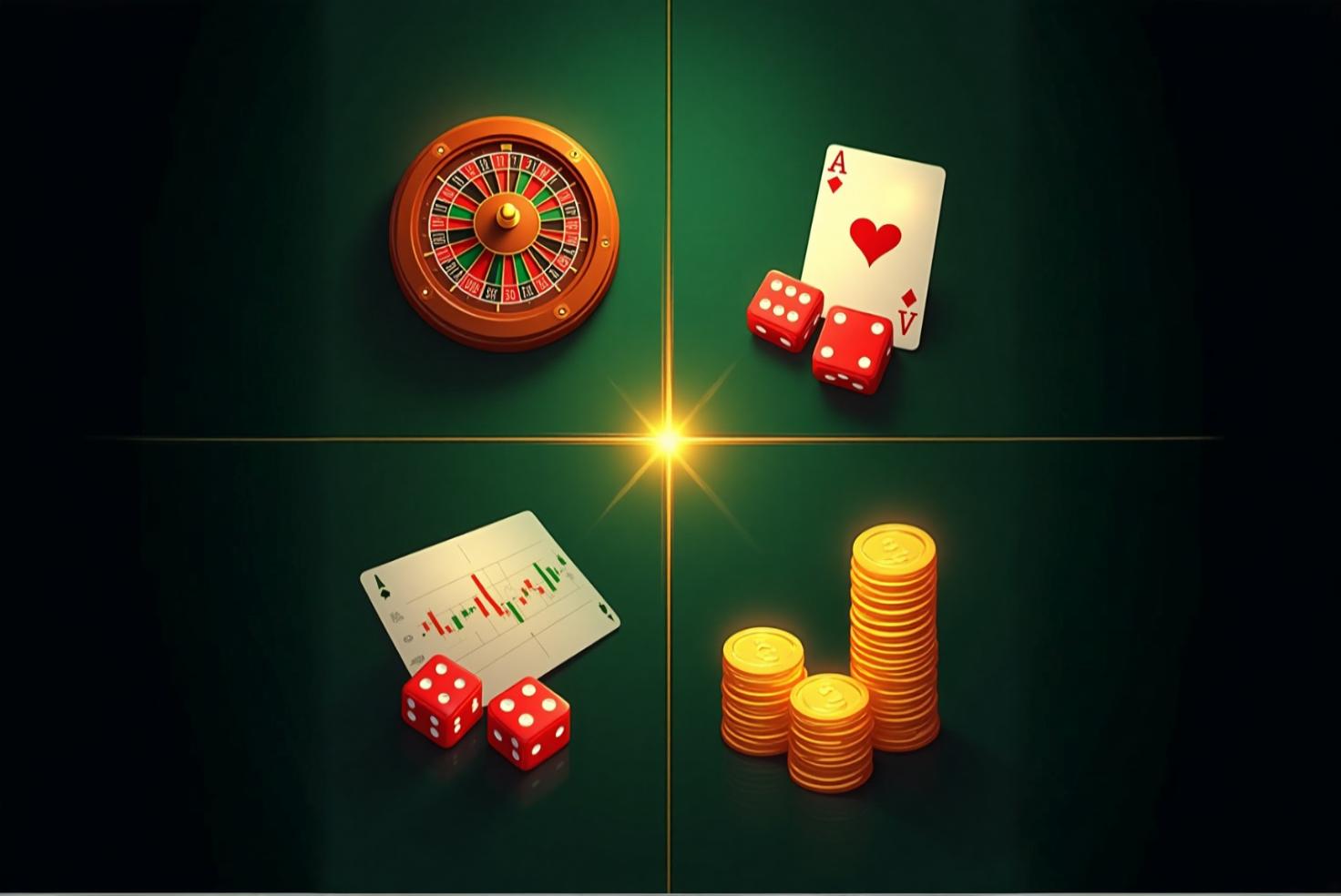
Discipline allows traders to stay focused during winning streaks and losing streaks alike. It transforms trading from gambling into a structured business process.
Conclusion
The market is full of distractions, but successful traders know where to focus. Price movements will always create fear, excitement, and uncertainty. Reacting to every fluctuation often leads to poor decisions and inconsistent results.
A trading plan provides structure, clarity, and confidence. By reacting to plans instead of price, traders eliminate much of the emotional noise that destroys performance. In the long run, discipline and consistency matter far more than predicting every market move. Trust your plan, manage your risk, and let the process work.
FAQs
1. What does “React only to plans, not price” mean?
It means making trading decisions based on a predefined strategy rather than emotional reactions to market movements.
2. Why do traders react emotionally to price?
Fear, greed, and FOMO often influence decision-making when traders constantly watch market fluctuations.
3. How does a trading plan help?
A trading plan provides clear rules for entries, exits, and risk management, reducing emotional trading.
4. Is risk management more important than strategy?
Both are important, but without proper risk management, even a great strategy can lead to significant losses.
5. Can discipline improve trading results?
Yes. Discipline helps traders follow their plans consistently, avoid emotional mistakes, and achieve better long-term performance.