

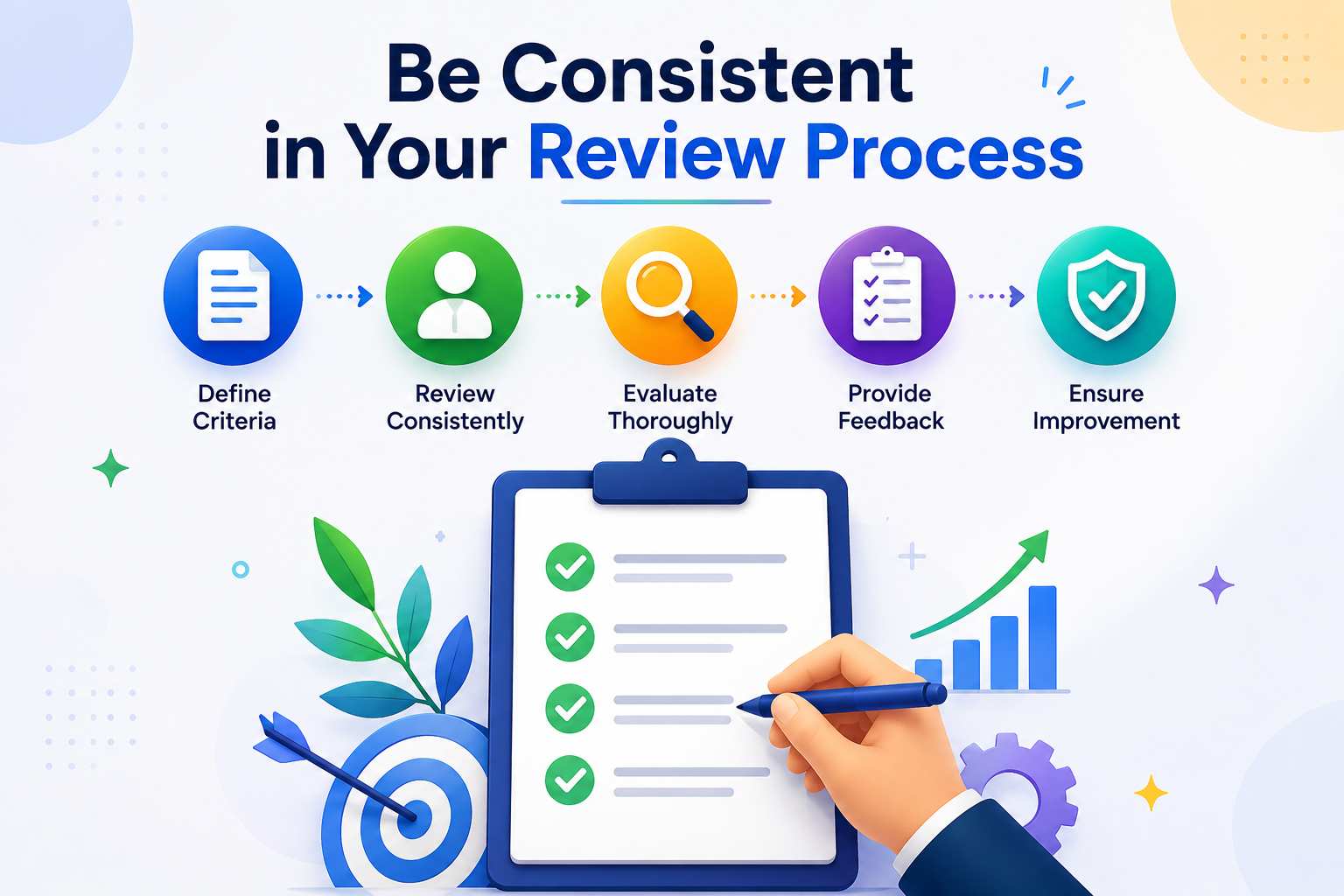
Consistency is one of the most overlooked factors in achieving success. Whether you’re reviewing employee performance, business operations, trading results, or personal goals, a structured and consistent review process helps you make smarter decisions.
Many people review things only when problems arise. Unfortunately, that approach often leads to repeated mistakes. A consistent review process allows you to identify patterns, measure progress, and improve over time. It turns guesswork into informed decision-making.
Why Consistency Matters
A review process is only effective when it follows the same standards every time. If criteria change frequently, results become unreliable and difficult to compare.
Think of consistency as a compass. It keeps you moving in the right direction even when challenges arise. Without it, every review becomes subjective and less valuable.
The Cost of Inconsistent Reviews
Inconsistent reviews create confusion. People become unsure about expectations because standards seem to change from one evaluation to another.
This often results in poor decisions, reduced trust, and missed opportunities. When reviews lack structure, organizations and individuals struggle to identify what is actually working and what needs improvement.
How Consistency Improves Decision-Making
Good decisions rely on accurate information. Consistent reviews provide reliable data that can be used to evaluate performance and track progress.
When every review follows the same framework, trends become easier to identify. This allows leaders, managers, and individuals to make better choices based on facts rather than emotions.
The Connection Between Consistency and Fairness
Fairness is impossible without consistency. Everyone should be evaluated using the same standards and expectations.
Imagine two employees producing identical results but receiving different evaluations. Such situations damage trust and morale. Consistent reviews create transparency and ensure everyone is judged fairly.

Reducing Bias Through Structured Reviews
Personal bias can influence any evaluation. Emotions, favoritism, and recent events often affect judgment without us realizing it.
A structured review process helps eliminate these problems by focusing on measurable criteria. This creates more objective assessments and improves overall accuracy.
Creating an Effective Review Framework
A strong review process begins with clear objectives. First, determine exactly what you want to evaluate and why it matters.
Next, establish specific performance indicators. Whether measuring productivity, quality, efficiency, or customer satisfaction, using the same criteria consistently leads to more reliable outcomes.
The Importance of Documentation
Documentation plays a critical role in maintaining consistency. Memory can be unreliable, especially when evaluating long-term performance.
Recording review results creates a valuable history that can be referenced later. It also helps identify trends, recurring issues, and areas of improvement more effectively.
Consistency in Business Performance Reviews
Successful businesses depend on continuous improvement. Consistent reviews help organizations monitor progress and make strategic decisions based on accurate information.
Regular evaluations allow leaders to identify strengths, address weaknesses, and align teams with company goals. Over time, this leads to improved productivity and stronger performance.
Consistency in Trading and Financial Analysis
In financial markets, inconsistency can be costly. Many traders focus only on losses while ignoring successful trades, which creates an incomplete picture.

A disciplined review process examines every trade using the same standards. This helps uncover patterns, improve risk management, and strengthen decision-making over time.
Common Mistakes to Avoid
One common mistake is changing review criteria too often. Frequent adjustments make it difficult to compare results and track progress accurately.
Another mistake is reviewing only when problems occur. Reviews should be conducted regularly, regardless of whether outcomes are positive or negative. Consistency is what creates meaningful insights.
Using Technology to Improve Consistency
Modern technology can make reviews more effective and reliable. Performance management tools, analytics platforms, and automated reporting systems help standardize evaluations.
These tools reduce human error and ensure that reviews follow the same process every time. As a result, organizations gain more accurate data and better insights.
Building a Culture of Continuous Improvement
A review process should not focus solely on identifying mistakes. Its primary purpose should be learning and improvement.
When people trust the review process, they become more open to feedback and more willing to make changes. This creates a culture where growth becomes a natural part of everyday work.
Turning Reviews into Action
Reviews are valuable only when they lead to action. After every evaluation, identify what worked well and what needs improvement.
Create clear action steps with measurable goals. This ensures that feedback translates into real progress rather than remaining just another report on a shelf.
The Competitive Advantage of Consistency
Many individuals and organizations rely heavily on intuition. While instincts can be useful, they should never replace structured reviews.

Consistency provides a competitive advantage because it allows problems to be identified earlier and improvements to be implemented faster. Small improvements made consistently often produce remarkable long-term results.
Conclusion
Being consistent in your review process is one of the simplest yet most powerful habits you can develop. It improves decision-making, reduces bias, increases fairness, and creates accountability. Whether you’re managing a business, evaluating performance, reviewing trades, or tracking personal goals, consistency provides the clarity needed for continuous improvement. Over time, those small, consistent reviews become the foundation of lasting success.
FAQs
1. Why is consistency important in a review process?
Consistency ensures evaluations are fair, reliable, and based on objective standards rather than personal opinions.
2. How often should reviews be conducted?
The frequency depends on the goal, but regular weekly, monthly, or quarterly reviews generally provide the best results.
3. Can consistency improve employee performance?
Yes. Consistent reviews create clear expectations and provide constructive feedback that helps employees improve.
4. How does documentation support consistency?
Documentation creates a record of evaluations, making it easier to track progress and identify long-term trends.
5. What is the biggest benefit of a consistent review process?
The biggest benefit is better decision-making based on reliable information, leading to continuous improvement and long-term success.