

Trading is not just a battle against the market—it is often a battle against yourself. Many traders spend years learning technical analysis, indicators, and market patterns, yet they continue losing money because of one hidden enemy: emotions. Among the most damaging emotional mistakes is the emotional exit.
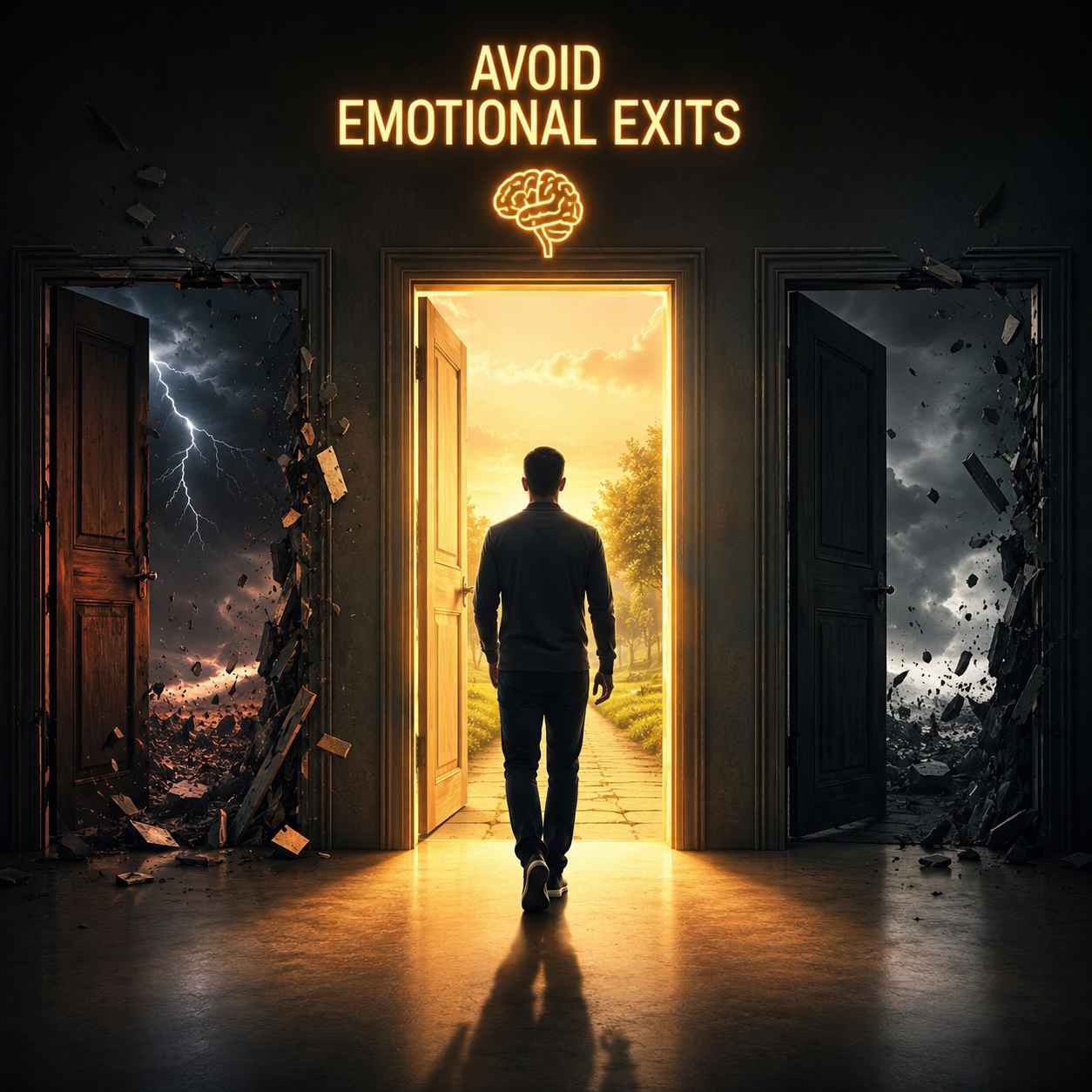
An emotional exit happens when a trader closes a trade based on fear, panic, frustration, or uncertainty instead of following a trading plan. While it may feel safe in the moment, it often leads to missed opportunities and reduced profits. The simple advice, “Avoid emotional exits,” can make the difference between long-term success and constant disappointment in trading.
What Is an Emotional Exit?
An emotional exit occurs when a trader abandons a position because of feelings rather than logic. The trade may still be valid according to the original strategy, but emotions take control. Fear of losing money, fear of giving back profits, or anxiety about market movements causes the trader to exit too soon.
Think of it like leaving a movie halfway through because one scene becomes uncomfortable. You never get to see how the story ends. The same thing happens in trading when emotions force you out before the setup has time to work.
Why Emotions Are Dangerous in Trading
The human brain is wired to avoid danger. Unfortunately, financial risk often triggers the same emotional responses as physical threats. When a trade moves against you, your brain may react with fear even though there is no real danger.
This emotional reaction can cloud judgment and lead to impulsive decisions. Instead of trusting analysis and strategy, traders start reacting to every small market movement. As a result, emotions become the decision-maker, and that rarely ends well.
Common Types of Emotional Exits
Fear-Based Exits
Fear is the most common reason traders leave positions early. A small pullback or temporary loss creates anxiety, causing traders to panic and close their trades. In many cases, the market later moves exactly as originally expected.
Greed-Based Exits
Greed doesn’t always mean staying in trades too long. Sometimes traders rush to secure small profits because they fear losing them. Instead of allowing winners to grow, they take profits too early and leave significant gains on the table.
Stress-Driven Exits
External stress can influence trading decisions more than many people realize. Financial worries, lack of sleep, work pressure, or personal issues can make traders more emotional and less disciplined, leading to poor exits.
The Hidden Cost of Emotional Exits
Emotional exits may seem harmless, but they can quietly destroy trading performance. One of the biggest costs is lost profit potential. Strong trades often experience temporary fluctuations before reaching their targets. Traders who exit emotionally rarely capture the full move.
Another problem is damaged confidence. Repeatedly watching trades move in the expected direction after exiting creates frustration and self-doubt. Over time, traders begin questioning both their strategy and their abilities.
How Emotional Exits Hurt Risk Management
Successful trading depends on maintaining favorable risk-to-reward ratios. For example, risking $100 to make $300 creates a healthy trading edge. However, emotional exits often reduce profits while losses remain unchanged.
When traders consistently take small gains out of fear, their winning trades become too small to offset losses. Eventually, even a good strategy can become unprofitable.
Signs You Are Exiting Trades Emotionally
One warning sign is constantly checking charts. Watching every price movement creates unnecessary stress and increases emotional attachment to trades.
Another sign is frequently changing stop-losses or profit targets without a valid reason. If your plan keeps changing after entering a trade, emotions may be influencing your decisions. Feeling immediate relief after closing a trade is also a common indicator that the decision was emotionally driven.
Why Traders Take Profits Too Early
Many traders struggle more with holding winners than accepting losses. Small profits feel safe because they provide certainty. Larger profits require patience and the willingness to tolerate uncertainty.
The fear of seeing unrealized gains disappear often causes traders to exit long before their target is reached. While this may provide temporary emotional comfort, it limits long-term growth and profitability.
The Importance of Having a Trading Plan
A trading plan acts as a roadmap during uncertain market conditions. Without a clear plan, emotions fill the gap and start making decisions.
A strong trading plan should define entry rules, stop-loss placement, profit targets, risk management, and position sizing. When these rules are established before entering a trade, it becomes easier to stay disciplined when emotions arise.

Practical Ways to Avoid Emotional Exits
One effective solution is using predefined stop-losses and take-profit levels. This removes much of the guesswork after entering a trade. Many traders also benefit from automating exits whenever possible.
Reducing position size can also make a huge difference. Large positions create emotional pressure, while smaller positions allow traders to think more clearly. If every trade feels stressful, the position size may simply be too large.
Building Emotional Discipline
Emotional discipline is not about eliminating fear. Every trader experiences fear, regardless of experience level. The goal is to prevent fear from controlling decisions.
Patience, consistency, and self-awareness are essential skills. Traders who accept uncertainty and trust their process are far less likely to make impulsive exits. Like building muscle in a gym, emotional discipline develops through practice and repetition.
The Value of Keeping a Trading Journal
A trading journal can reveal emotional patterns that would otherwise go unnoticed. Recording entry reasons, exit reasons, emotions, and outcomes helps traders identify recurring mistakes.
Over time, many traders discover that emotional exits occur more frequently than they initially believed. Awareness is the first step toward improvement.
Thinking Like a Professional Trader
Professional traders understand that no strategy wins every trade. Losses are part of the business. Instead of focusing on individual outcomes, they focus on consistent execution over hundreds of trades.
They know that success comes from following a proven process rather than reacting emotionally to short-term results. This mindset allows them to stay calm during market uncertainty and avoid unnecessary exits.

Conclusion
Emotional exits are one of the most expensive mistakes traders make. They reduce profits, damage confidence, disrupt risk management, and prevent long-term consistency. Whether driven by fear, greed, or stress, emotional decisions rarely lead to positive results.
The key to avoiding emotional exits is developing a clear trading plan, trusting your strategy, managing risk properly, and building emotional discipline. Markets will always test your patience and emotions, but successful traders understand that discipline matters more than feelings. The goal is not to eliminate emotions—it is to ensure they never control your trading decisions.
FAQs
1. What is an emotional exit in trading?
An emotional exit is closing a trade because of fear, anxiety, greed, or stress rather than following a predefined trading strategy.
2. Why do traders leave winning trades too early?
Most traders fear losing existing profits, so they secure gains prematurely instead of allowing the trade to reach its target.
3. How can I stop emotional trading?
Use a detailed trading plan, predefined stop-losses, proper position sizing, and a trading journal to maintain discipline.
4. Are emotional exits always wrong?
Not always. Exiting is justified if new information invalidates the trade setup. However, exits based purely on emotions are usually harmful.
5. Do professional traders experience emotions too?
Yes. Professional traders feel fear and stress like everyone else, but they rely on systems and discipline rather than emotional reactions.