

Confidence is essential for success. It helps us make decisions, take risks, and pursue goals. But when confidence grows unchecked, it becomes overconfidence—a dangerous mindset that convinces us we know more than we actually do. Whether you’re a trader, investor, entrepreneur, or student, overconfidence can lead to costly mistakes.
The problem with overconfidence is that it often appears after success. A few wins make us believe we’re unbeatable, causing us to ignore risks and dismiss warning signs. Unfortunately, reality has a way of reminding us that no one is always right.
What Is Overconfidence?
Overconfidence is the tendency to overestimate your abilities, knowledge, or chances of success. It occurs when people become excessively certain about their judgments and decisions, even when evidence suggests otherwise.
Think of confidence as driving within the speed limit because you trust your skills. Overconfidence is speeding because you believe accidents only happen to other people. The difference may seem small, but the consequences can be enormous.
Confidence vs. Overconfidence
Healthy confidence comes from preparation, learning, and experience. It allows you to act decisively while still respecting uncertainty. Overconfidence, on the other hand, creates the illusion that failure is impossible.
Confident people remain open to feedback and adapt when circumstances change. Overconfident people assume they already have all the answers. They stop learning because they believe there is nothing left to learn.
Why People Become Overconfident
Human beings naturally seek certainty. Our brains prefer predictable outcomes and often convince us that we understand situations better than we actually do. When things go well repeatedly, we begin to mistake luck for skill.
Success can be a double-edged sword. A trader who makes several profitable trades may start believing they have mastered the market. An investor who picks a winning stock may assume every future decision will be equally successful. This false sense of certainty is where overconfidence begins.
The Hidden Dangers of Overconfidence
One of the biggest dangers of overconfidence is poor decision-making. When people become too sure of themselves, they stop evaluating risks carefully. They focus only on potential rewards and overlook possible losses.
Overconfidence also makes people resistant to advice. Instead of listening to experts or considering alternative viewpoints, they rely solely on their own judgment. This often leads to avoidable mistakes that could have been prevented with a more balanced perspective.
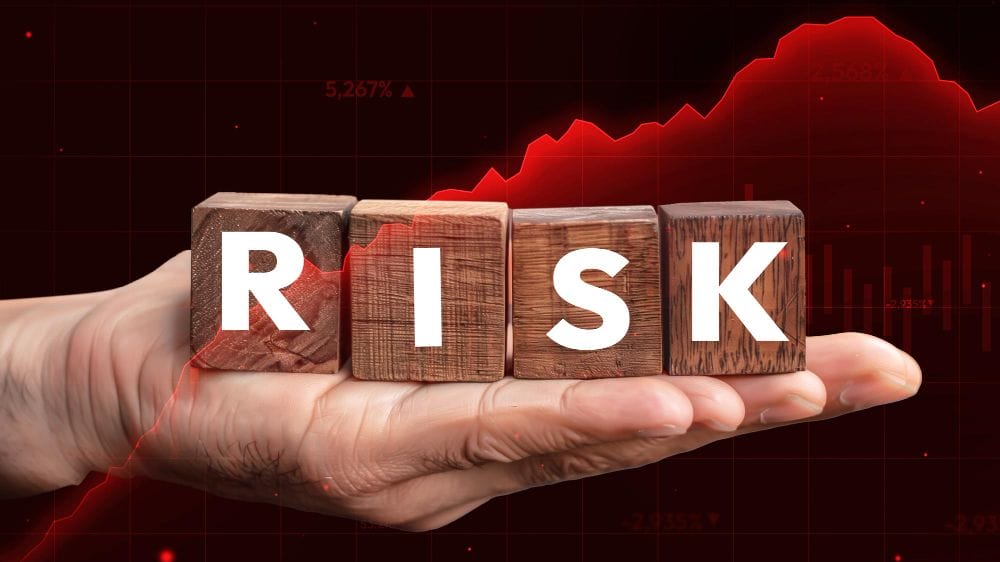
How Overconfidence Affects Traders
In trading, overconfidence can be devastating. After a few successful trades, many traders increase their position sizes, ignore risk management rules, and believe every trade will be profitable. They become emotionally attached to their predictions and refuse to accept losses.
The market does not reward arrogance. Even the most experienced traders experience losing streaks. Those who survive long-term are not necessarily the smartest—they are the most disciplined and realistic about risk.
The Impact on Investors
Investors often fall into the trap of believing they can accurately predict the future. As confidence grows, they may invest too much money in a single asset or ignore warning signs that contradict their expectations.
Financial markets are constantly changing. What worked yesterday may not work tomorrow. Overconfident investors often struggle to adapt because they become attached to their original opinions. As a result, they may hold losing investments far longer than they should.
Overconfidence in Business
Business leaders are not immune to this bias. Companies that experience rapid success sometimes assume growth will continue forever. They expand too quickly, hire aggressively, or launch new projects without proper planning.
History is filled with successful businesses that underestimated competitors and ignored changing market conditions. When leaders believe they are untouchable, innovation slows and mistakes increase. Success can quickly turn into failure when overconfidence replaces careful decision-making.
Common Warning Signs
Overconfidence often reveals itself through specific behaviors. One major sign is ignoring established rules or procedures because you believe they are no longer necessary. Another is refusing to admit mistakes and constantly blaming external factors.
Feeling invincible is perhaps the clearest warning sign. The moment you believe failure is impossible is often the moment you become most vulnerable to it.
How to Avoid the Trap
The first step in avoiding overconfidence is acknowledging that nobody has all the answers. Markets, businesses, and life itself are unpredictable. Accepting uncertainty makes you more cautious and thoughtful.
Keeping a decision journal can also help. By recording your reasoning and reviewing outcomes later, you gain a realistic understanding of your strengths and weaknesses. This prevents success from inflating your ego and keeps your expectations grounded.
Seeking opposing viewpoints is equally important. Instead of surrounding yourself with people who agree with you, listen to those who challenge your assumptions. Different perspectives often reveal blind spots that would otherwise go unnoticed.
The Power of Humility
Humility is not weakness—it is a competitive advantage. Humble people continue learning, ask questions, and adapt when circumstances change. They understand that experience does not eliminate uncertainty.
While overconfident individuals believe they know everything, humble individuals recognize there is always more to learn. This mindset helps them make better decisions and recover faster from mistakes.

Conclusion
Overconfidence is one of the most dangerous obstacles to long-term success. It encourages people to ignore risks, reject advice, and believe they are immune to failure. While confidence is necessary for growth, overconfidence can destroy everything that hard work has built.
The key is balance. Stay confident in your abilities, but remain humble enough to recognize your limitations. Continue learning, respect uncertainty, and never assume success is guaranteed. In the end, the people who achieve lasting success are not those who think they are always right—they are the ones willing to learn when they are wrong.
FAQs
1. What causes overconfidence?
Overconfidence often develops from repeated success, lack of self-awareness, and the human tendency to overestimate personal abilities.
2. Is confidence always a good thing?
Yes, healthy confidence is beneficial. Problems arise when confidence becomes excessive and turns into overconfidence.
3. Why is overconfidence dangerous in trading?
It can lead traders to ignore risk management, take larger positions, and hold losing trades for too long.
4. How can I tell if I am becoming overconfident?
Signs include ignoring advice, breaking your own rules, refusing to admit mistakes, and feeling certain that failure cannot happen.
5. What is the best way to prevent overconfidence?
Stay humble, keep learning, review your decisions regularly, and actively seek opinions that challenge your beliefs.