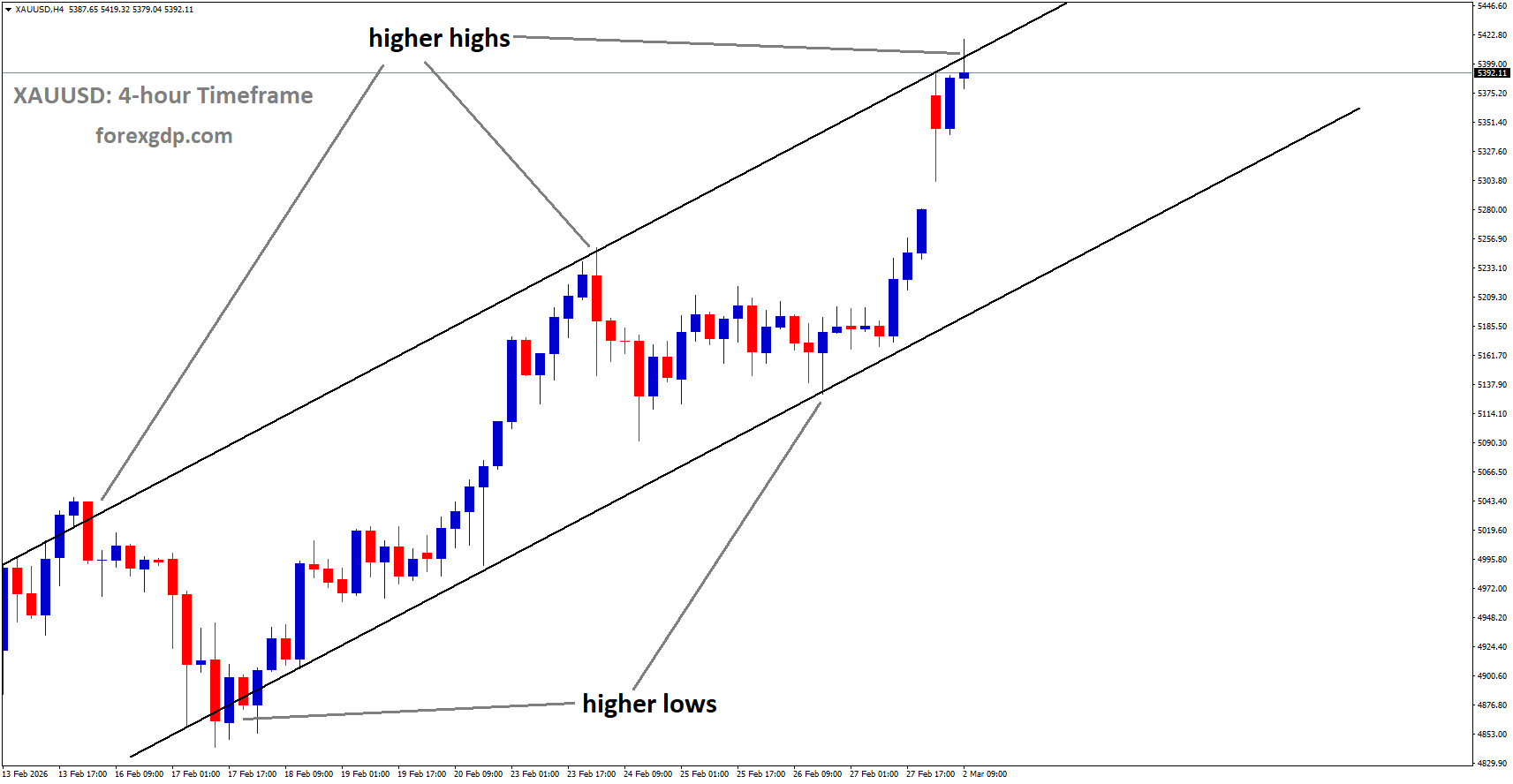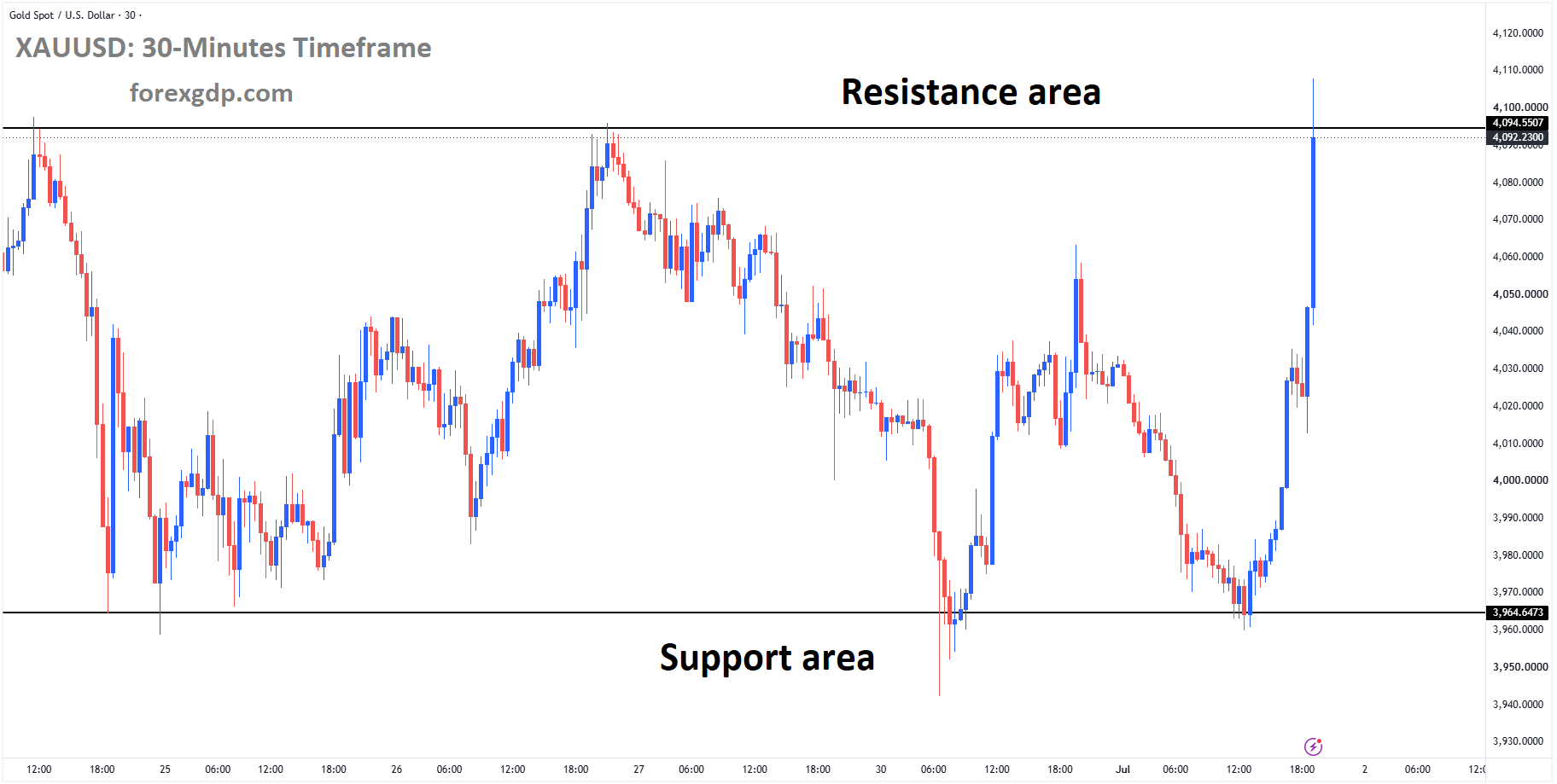
XAUUSD reached the resistance area of the box pattern
Gold prices remained relatively stable on Wednesday as the metal tried to hold its ground after a prolonged period of selling pressure. Although sellers have slowed their pace, Gold continues to face challenges from a stronger US Dollar and growing expectations that the US Federal Reserve may keep interest rates higher for longer.
Investors are also turning their attention to important US economic reports and comments from Federal Reserve officials, which could shape expectations for future monetary policy and influence Gold’s next move.
Higher Interest Rate Expectations Continue to Pressure Gold
One of the biggest reasons Gold has struggled in recent months is the changing outlook for US interest rates. Earlier this year, many investors expected the Federal Reserve to lower borrowing costs. However, rising inflation changed that view.
Inflation increased sharply following higher energy prices, forcing markets to reconsider the possibility of future rate cuts. Instead, many investors now believe the Federal Reserve could keep interest rates elevated or even consider another increase if inflation remains stubborn.
Higher interest rates usually strengthen the US Dollar and increase government bond yields. Since Gold does not pay interest or dividends, it becomes less attractive compared to income-producing investments during periods of higher rates.
This shift in expectations has become one of the main reasons why Gold has lost momentum after enjoying a strong rally over the past two years.
Gold’s Remarkable Rally Faces a Reality Check

Gold experienced an impressive surge over the past couple of years. Strong buying by central banks, increased investment through exchange-traded funds, global geopolitical uncertainty, and lower interest rates all helped push the precious metal to record highs.
However, every strong rally eventually faces periods of correction. In 2026, investors have become more cautious as economic conditions have changed.
Instead of focusing on safe-haven demand, markets are paying closer attention to inflation, interest rates, and the strength of the US economy. These changing priorities have reduced buying interest in Gold and encouraged many investors to lock in earlier profits.
While the recent decline has been significant, it also reflects a market adjusting after an unusually strong period of gains.
Investors Focus on Key US Economic Events
The next few days could play an important role in determining Gold’s direction.
Traders are closely watching several major US economic events, including private-sector employment data and the official Nonfarm Payrolls report. These reports provide valuable insight into the health of the labor market.
A stronger job market may support expectations that the Federal Reserve will keep interest rates high for longer. On the other hand, weaker employment figures could revive hopes that policymakers may eventually ease monetary policy.
In addition to the employment reports, investors are also waiting for comments from Federal Reserve Chair Kevin Warsh during an event in Sintra, Portugal. His remarks could provide further clues about how central bank officials view inflation, economic growth, and future policy decisions.
Because of these upcoming events, many traders are avoiding aggressive positions until more information becomes available.
A Strong US Dollar Remains a Major Challenge
The strength of the US Dollar continues to play a major role in Gold’s performance.
Gold is priced globally in US Dollars. When the Dollar becomes stronger, Gold becomes more expensive for buyers using other currencies. This often reduces international demand and limits upward momentum.
The recent improvement in the Dollar has largely been driven by expectations that US interest rates will remain elevated. As long as these expectations stay in place, Gold may continue facing resistance from currency markets.
Investors are carefully monitoring both economic data and Federal Reserve communication to see whether the Dollar’s strength can continue.
Physical Demand Weakens in India
Another factor affecting Gold is softer physical demand from India, one of the world’s largest consumers of the precious metal.
Recent industry data shows that many Indian households have chosen to sell older Gold holdings instead of purchasing new jewelry. Rising prices encouraged many families to take profits by selling existing assets.
At the same time, government policy has also influenced demand. An increase in customs duties on Gold imports has made new purchases more expensive, reducing buying activity across the country.
Since India plays such an important role in global Gold consumption, weaker demand from the country has added further pressure to the market.
Geopolitical Developments Still Matter
Although economic factors currently dominate market sentiment, geopolitical events remain important for Gold investors.
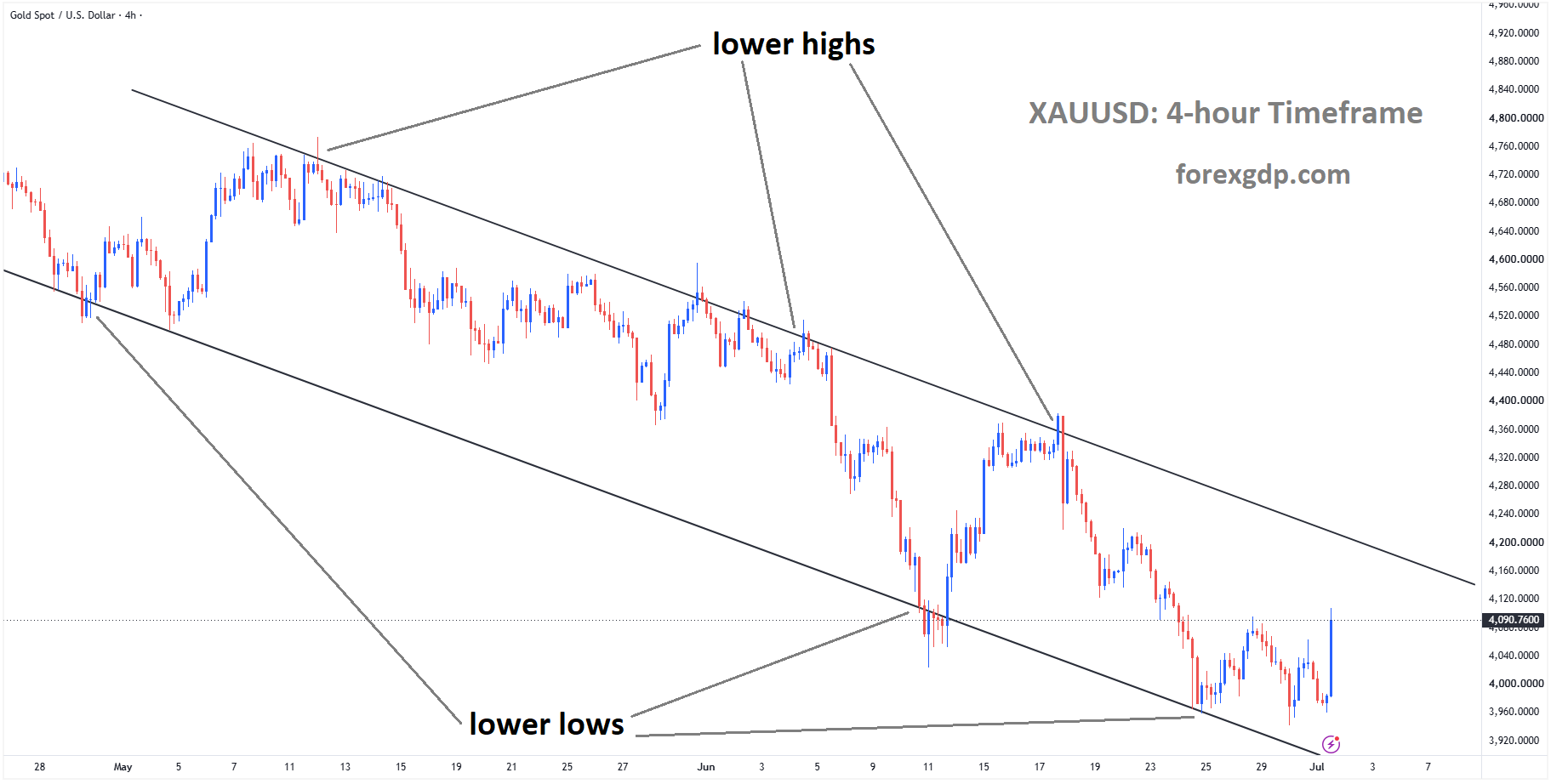
XAUUSD is rebounding from the lower low area of the descending channel
Attention remains focused on diplomatic efforts involving the United States and Iran. Officials from both countries have arrived in Doha, Qatar, but direct negotiations have yet to begin.
Any progress toward a lasting agreement could reduce global uncertainty and weaken demand for traditional safe-haven assets like Gold.
However, if tensions rise again or negotiations fail, investors could quickly return to Gold as a defensive investment.
For now, markets appear to be taking a wait-and-see approach while monitoring further developments.
Can Gold Regain Its Strength?
Gold still holds an important place in global investment portfolios, particularly during periods of uncertainty. However, the market currently faces several challenges at the same time.
Persistent inflation, expectations of higher interest rates, a strong US Dollar, and weaker physical demand are all limiting buying interest.
At the same time, investors remain cautious ahead of major economic reports that could significantly influence expectations for Federal Reserve policy.
If upcoming data shows signs of slowing economic growth or easing inflation, Gold could receive fresh support. On the other hand, stronger-than-expected economic numbers may reinforce expectations for tighter monetary policy, keeping pressure on the precious metal.
Final Summary
Gold is attempting to stabilize after a difficult period, but the market remains cautious. Expectations that the Federal Reserve will maintain a firm stance on interest rates continue to support the US Dollar while reducing the appeal of non-yielding assets like Gold.
Upcoming US labor market data and comments from Federal Reserve Chair Kevin Warsh are likely to play a major role in shaping investor expectations. Meanwhile, weaker demand from India and ongoing geopolitical uncertainty continue to influence market sentiment. Until clearer economic signals emerge, Gold is likely to remain sensitive to every major development affecting interest rates, inflation, and global economic confidence.