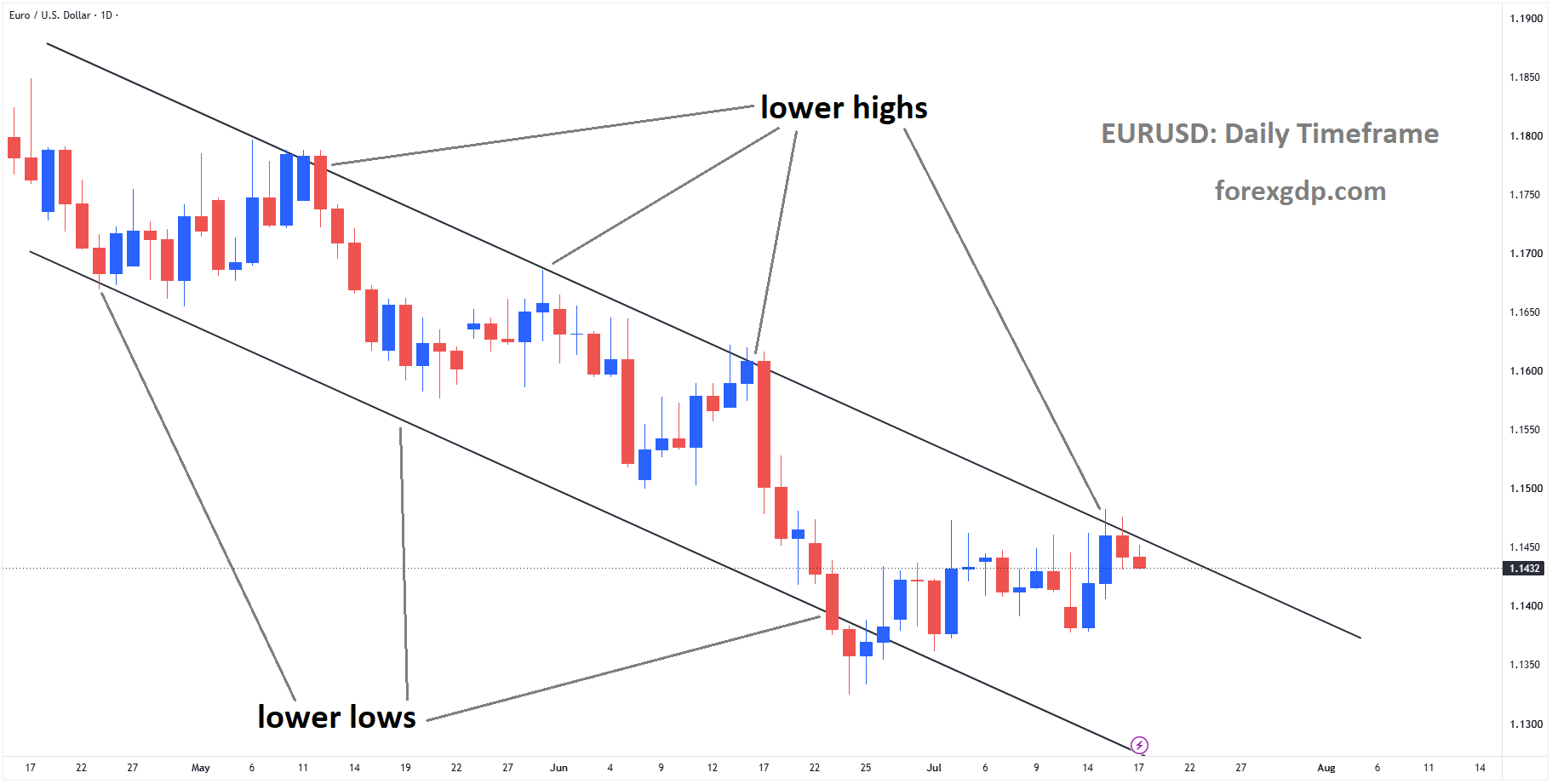
EURUSD is moving in a descending channel, and the market has reached the lower high area of the channel
EURUSD Consolidates as Investors Weigh Economic and Geopolitical Risks
The Euro remained relatively stable against the US Dollar during Friday’s European trading session as investors avoided making aggressive moves. With geopolitical tensions rising in the Middle East and the European Central Bank maintaining a cautious stance on inflation, traders are carefully watching developments before making fresh decisions.
The currency market has entered a period of uncertainty where political events and central bank guidance are playing a much bigger role than usual. As a result, the Euro and the US Dollar are both finding support from different factors, leaving the pair trading within a narrow range.
Growing Middle East Tensions Raise Market Concerns
One of the biggest drivers of market sentiment is the worsening relationship between the United States and Iran. Recent developments have increased fears that the conflict could expand further, creating fresh uncertainty for investors around the world.
Reports indicate that Iran has instructed Yemen’s Houthi forces to prepare for possible action affecting shipping routes through the Red Sea if the United States targets Iranian infrastructure. This warning came after comments from US President Donald Trump, who stated in an interview that military action against Iranian bridges and power facilities could be authorized if negotiations fail.
These developments have increased concerns that the situation could affect global trade and transportation, especially in one of the world’s most important shipping corridors.
Energy Supply Risks Add Pressure to the Global Economy
Whenever geopolitical conflicts threaten major trade routes or energy infrastructure, markets quickly begin to worry about supply disruptions. The Middle East remains one of the most important regions for global energy production, making any escalation closely watched by investors.
If transportation routes become restricted or energy production is interrupted, businesses worldwide could face higher operating costs. Increased transportation expenses and supply shortages often spread through the economy, affecting industries far beyond the energy sector.
These risks have encouraged investors to remain cautious, as prolonged disruptions could slow economic activity while increasing inflationary pressure across many countries.
Inflation Remains a Key Concern
Although inflation has eased from previous highs in many regions, policymakers are still concerned that price pressures could return if global supply chains face fresh disruptions.
Higher energy costs often filter through to transportation, manufacturing, food production, and consumer goods. This creates the possibility that inflation could remain stubborn even if demand begins to soften.
For central banks, this creates a difficult balancing act. They must continue supporting economic growth while ensuring inflation does not become deeply rooted in the economy once again.
ECB Continues to Watch the Situation Carefully
The European Central Bank has made it clear that it is closely monitoring global events, particularly the developments in the Middle East.
Joachim Nagel, a member of the ECB Governing Council and President of Germany’s Bundesbank, recently emphasized that policymakers remain alert to geopolitical risks. According to Nagel, the central bank stands ready to respond if changing economic conditions require action.
His comments suggest that the ECB is not taking current risks lightly. Instead, officials are prepared to adjust their policy approach should inflation or economic conditions change significantly.
Future Policy Decisions Remain Data Dependent
Rather than committing to a fixed path, ECB officials continue to stress that future decisions will depend on incoming economic data and changing global conditions.
This flexible approach allows policymakers to respond quickly if inflation accelerates again or if geopolitical developments begin to affect the broader European economy.
Investors are therefore paying close attention not only to official statements but also to every major economic report that could influence future ECB decisions.
US Dollar Also Finds Support During Uncertainty
Periods of heightened geopolitical tension often increase demand for the US Dollar because it is widely viewed as a safe-haven currency.
When uncertainty rises, many investors reduce exposure to riskier assets and seek currencies that are considered more stable during times of crisis. This natural demand for the Dollar can limit gains in other major currencies, including the Euro.
At the same time, the Euro continues to receive support from expectations that European policymakers remain committed to keeping inflation under control. These competing influences have helped keep both currencies relatively balanced.
Investors Focus on Global Headlines

Financial markets are currently reacting just as much to political news as they are to economic data. Every new development surrounding the US-Iran relationship has the potential to influence investor confidence within minutes.
As long as uncertainty remains elevated, traders are likely to stay cautious. Unexpected announcements regarding diplomacy, military actions, or international trade routes could quickly shift market sentiment.
This environment encourages investors to remain patient while carefully evaluating new information before making significant investment decisions.
Economic Confidence Depends on Stability
Businesses and investors generally perform better when the global environment is stable and predictable. Ongoing geopolitical tensions create uncertainty, making companies more cautious about spending, hiring, and investing.
Central banks also face greater challenges during these periods because external events can suddenly change inflation trends or economic growth expectations.
For Europe, maintaining economic stability while responding to changing global risks will remain one of the ECB’s biggest priorities in the coming months.
Summary
The Euro remained steady against the US Dollar as investors balanced concerns over escalating tensions between the United States and Iran with expectations surrounding future European Central Bank policy.
Growing geopolitical uncertainty has increased worries about global energy supplies and renewed inflation risks, encouraging traders to remain cautious. Meanwhile, ECB officials continue to signal that they are closely monitoring developments and stand ready to respond if economic conditions require it.
With political events and central bank decisions both shaping market sentiment, investors are expected to stay focused on incoming headlines and economic data as they look for clearer direction in the weeks ahead.
GBPUSD Edges Lower as Iran Conflict Escalates and Safe-Haven Flows Support the US Dollar
The British Pound lost some ground against the US Dollar during Friday’s Asian trading session as growing geopolitical tensions pushed investors toward safer assets. Renewed military action in the Middle East increased uncertainty across global financial markets, encouraging traders to seek the relative safety of the US Dollar.
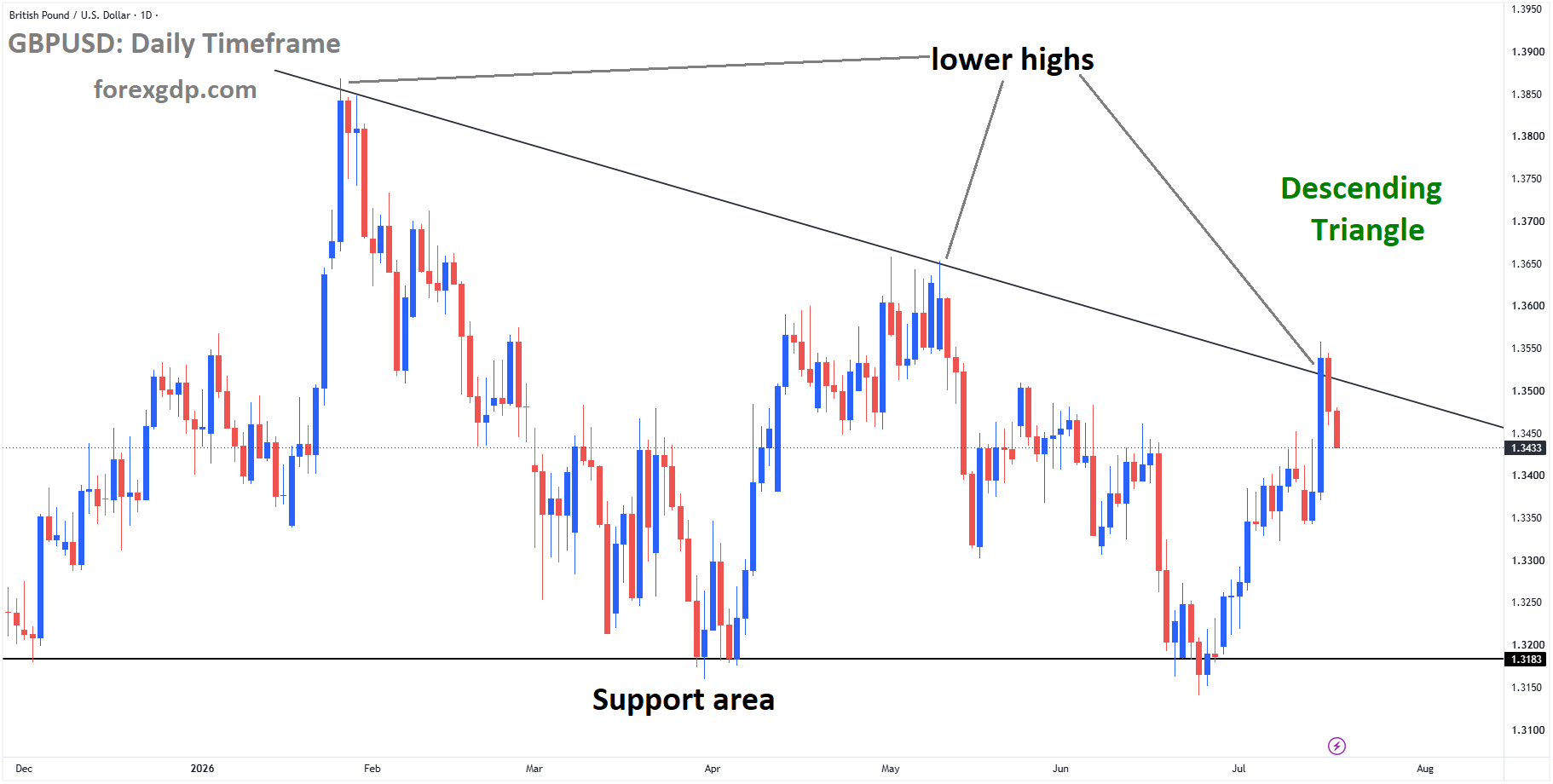
GBPUSD is moving in a descending triangle pattern, and the market has fallen from the lower high area of the pattern
At the same time, investors continue to assess the outlook for interest rates in both the United States and the United Kingdom. While expectations remain that the Bank of England could continue raising borrowing costs in the coming months, global risk sentiment has become the dominant driver of the currency market.
Rising Middle East Conflict Increases Global Uncertainty
The latest decline in GBPUSD comes as military tensions between the United States and Iran continue to escalate. The United States carried out another round of military strikes against Iranian targets, marking the sixth consecutive day of operations.
Officials in southern Iran reported damage to civilian infrastructure, including electricity facilities and transportation services. These developments have added fresh concerns about regional stability and raised fears that the conflict could spread further if diplomatic efforts fail.
Whenever geopolitical risks increase, investors often reduce exposure to assets considered more risky and instead move funds into traditional safe-haven investments. The US Dollar is one of the world’s most trusted safe-haven currencies, and this shift in investor behavior has provided additional support for the greenback.
Safe-Haven Demand Supports the US Dollar
Periods of political or military uncertainty usually encourage investors to focus more on preserving capital than seeking higher returns. That change in mindset often benefits currencies backed by large and stable economies.
As worries about the Middle East continue, demand for the US Dollar has strengthened because many global investors see it as a reliable place to park their money during uncertain times. This increased demand has placed extra pressure on the British Pound despite relatively positive expectations surrounding the UK economy.
The stronger Dollar reflects investor caution rather than a major change in economic fundamentals. Market participants remain highly sensitive to headlines related to the conflict, making geopolitical news one of the biggest short-term influences on currency movements.
US Military Operations Remain in Focus
According to the US Central Command (CENTCOM), the recent military actions were aimed at reducing Iran’s military capabilities. Officials also confirmed that a vessel was intercepted as part of efforts to enforce a blockade around the strategic Strait.
Earlier in the week, US President Donald Trump warned that additional infrastructure could become military targets if Iran refused to return to negotiations. Those comments further increased concerns that the conflict could continue for an extended period.
With every new development, investors carefully reassess the potential impact on global trade, energy supplies, and overall economic stability. Even if direct economic effects remain limited for now, uncertainty itself is often enough to influence market sentiment.
Investors Await Key US Consumer Confidence Data
Alongside geopolitical developments, traders are also preparing for the release of the preliminary Michigan Consumer Sentiment Index for July.
Consumer confidence plays an important role in measuring how households feel about the economy, employment, and future financial conditions. Strong confidence often supports consumer spending, while weaker confidence may signal slower economic activity ahead.
Although the report represents only one piece of the broader economic picture, investors will study the results carefully for additional clues about the strength of the US economy and possible future monetary policy decisions.
Cooling Inflation Keeps Fed Policy Expectations in Focus
Recent US inflation reports have presented a mixed but generally encouraging picture. Consumer inflation continued to ease during June, while producer inflation also showed signs of slowing.
These developments suggest that price pressures are becoming more manageable compared with previous periods of elevated inflation. However, inflation remains above the Federal Reserve’s long-term objective, meaning policymakers are likely to remain cautious before making major policy changes.
Despite the softer inflation readings, traders continue to expect the possibility of another Federal Reserve rate increase later this year. Expectations for future interest rate decisions continue to shift as new economic data becomes available.
Because interest rate expectations strongly influence currency markets, every important inflation or employment report has the potential to reshape investor expectations for future Federal Reserve policy.
Bank of England Still Expected to Tighten Policy
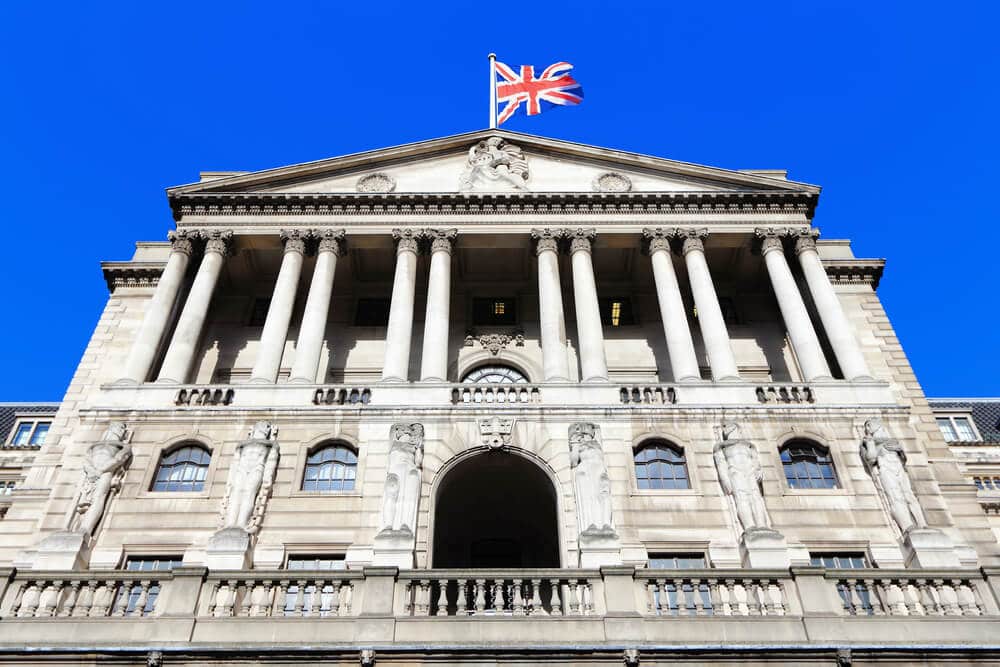
While global events have recently dominated trading activity, investors have not ignored developments in the United Kingdom.
Bank of England Governor Andrew Bailey acknowledged concerns surrounding the renewed conflict between the United States and Iran. However, he also stated that the latest geopolitical tensions have not significantly changed the UK’s inflation outlook at this stage.
His comments suggest that the central bank remains focused primarily on domestic inflation rather than external political events.
Financial markets continue to expect the Bank of England to raise interest rates again before the end of the year. Many investors also believe additional policy tightening could continue into next year if inflation remains persistent.
These expectations have provided underlying support for the British Pound, even though recent geopolitical risks have temporarily limited its ability to strengthen against the US Dollar.
Markets Balance Geopolitical Risks and Monetary Policy
Currency markets are currently being driven by two powerful forces. On one side, central banks remain focused on controlling inflation through monetary policy. On the other, geopolitical uncertainty is influencing investor confidence and driving demand for safer assets.
The interaction between these two themes is creating frequent shifts in market sentiment. Positive economic news can quickly be overshadowed by military developments, while easing geopolitical concerns could allow investors to refocus on economic fundamentals.
As a result, traders are paying close attention to both economic data releases and international political events before making major investment decisions.
Final Summary
GBPUSD faced renewed pressure as escalating tensions between the United States and Iran encouraged investors to seek the safety of the US Dollar. Continued military operations and concerns about regional stability have strengthened demand for safe-haven assets, temporarily outweighing support from expectations of further Bank of England interest rate increases.
Looking ahead, investors will closely monitor incoming US economic data, Federal Reserve policy expectations, and future comments from Bank of England officials. At the same time, developments in the Middle East are likely to remain a key factor influencing global market sentiment and the direction of major currencies.
USDJPY Advances While Weak Japanese Yen Slides Toward Historic Levels
The Japanese Yen remained under pressure at the end of the week as the US Dollar regained strength amid growing geopolitical uncertainty. Renewed conflict involving Iran, higher energy prices, and expectations that central banks could maintain tighter monetary policies have all contributed to the Yen’s recent weakness.
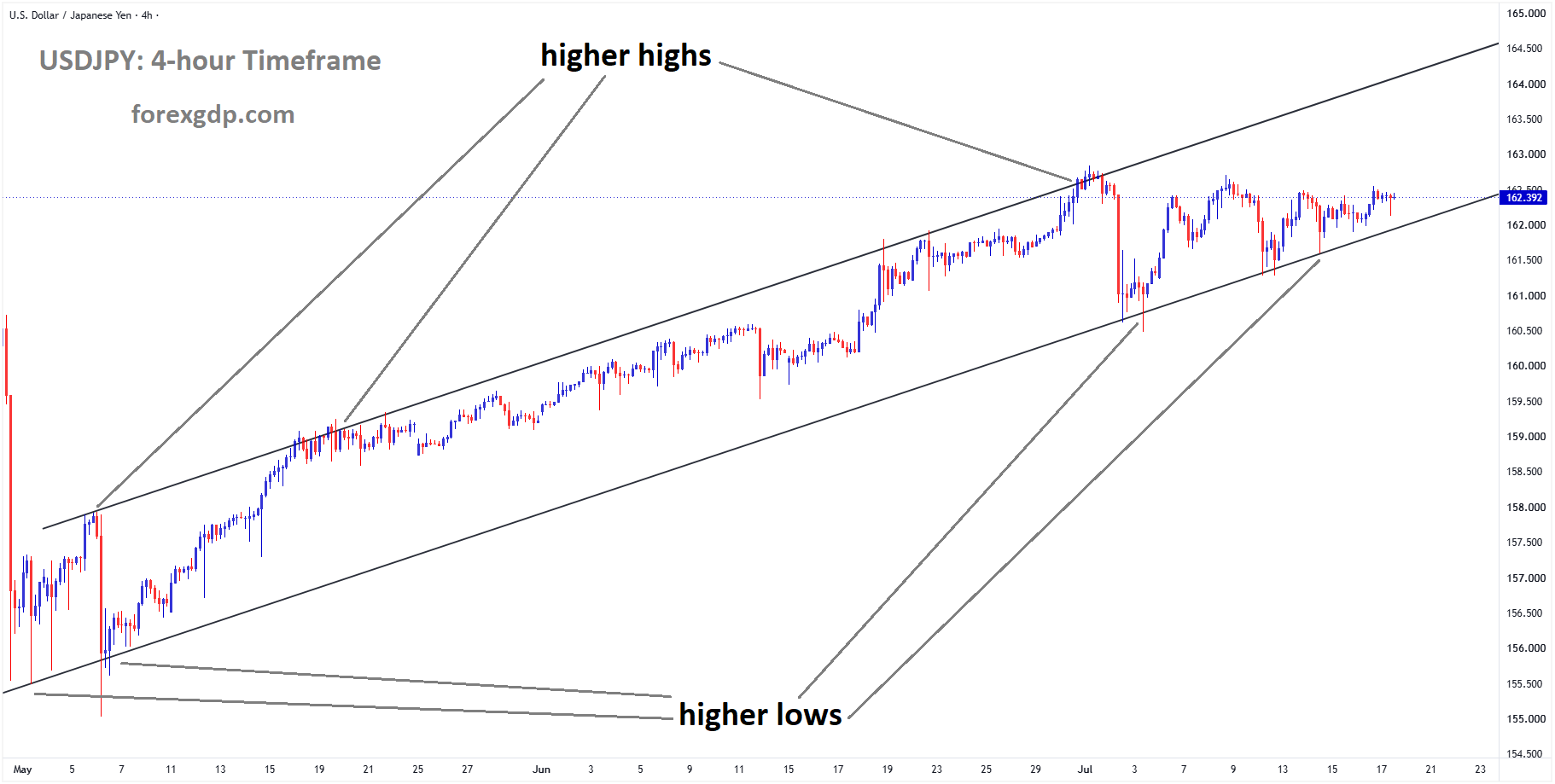
USDJPY is moving in an ascending channel, and the market has rebounded from the higher low area of the channel
While softer US inflation data had briefly reduced demand for the US Dollar, global risk concerns quickly shifted investor attention back toward safer assets. As a result, the Greenback recovered against several major currencies, while the Japanese Yen continued to struggle for a second straight day.
Geopolitical Tensions Drive Demand for the US Dollar
One of the biggest factors influencing the currency market is the renewed escalation of tensions in the Middle East. The ongoing conflict between the United States and Iran has once again become a major concern for investors across global financial markets.
The latest reports indicate that both countries have continued exchanging attacks, increasing fears that the conflict could spread further. Such uncertainty often encourages investors to move their money into assets that are considered relatively safer during periods of global instability. The US Dollar has once again benefited from this shift in market sentiment.
Although economic data remains important, geopolitical events are currently playing a much larger role in shaping investor decisions. Concerns about the wider economic impact of the conflict have helped strengthen demand for the Dollar despite recent signs of easing inflation in the United States.
Oil Supply Concerns Add Pressure Across Global Markets
The Middle East conflict has also raised fresh concerns about global energy supplies. Iranian officials reported attacks on important infrastructure, including energy facilities and transportation networks. At the same time, threats to disrupt a key shipping route for global oil exports have added another layer of uncertainty.
Whenever there is a risk to major energy supply routes, oil prices often react quickly. Rising energy costs create challenges for businesses, consumers, and governments worldwide. Higher fuel prices can increase inflation, making it more difficult for central banks to achieve stable price growth.
Investors are now watching whether continued disruptions could push energy costs even higher in the coming weeks. If that happens, many central banks may have fewer reasons to ease monetary policy, even if economic growth begins to slow.
Expectations for Higher Interest Rates Support the Dollar
The possibility of stronger inflation due to rising energy costs has also changed expectations for monetary policy around the world.
Many investors believe that central banks could remain cautious before considering any interest rate reductions. Keeping borrowing costs elevated for longer generally supports currencies with relatively higher yields, making them more attractive to international investors.
The US Dollar has benefited from these changing expectations. Even after recent inflation reports suggested price pressures may be easing, the renewed geopolitical uncertainty has shifted attention toward the possibility that inflation could remain difficult to control if energy prices continue rising.
As a result, the Dollar has regained momentum against several major currencies.
Japanese Yen Faces Ongoing Challenges

The Japanese Yen has found it difficult to recover despite repeated warnings from Japanese officials.
Japan’s Finance Minister once again stated that authorities are prepared to take decisive action if necessary to support the domestic currency. Such statements have become increasingly common as policymakers monitor the Yen’s prolonged weakness.
However, verbal warnings alone have not been enough to reverse the broader market trend.
Japan faces a unique economic situation compared to many other major economies. While inflation has increased, policymakers remain cautious about tightening monetary policy too aggressively because they want to avoid slowing economic growth.
This cautious approach limits how quickly the Bank of Japan can adjust its policy settings, leaving the Yen vulnerable whenever investors favor higher-yielding currencies elsewhere.
Interest Rate Gap Continues to Weigh on the Yen
Another major reason behind the Yen’s weakness is the growing difference between Japan’s monetary policy and that of other major economies.
While several central banks have spent recent years maintaining relatively restrictive policies to fight inflation, Japan has moved much more carefully. Investors often compare these policy differences when deciding where to allocate capital.
Currencies associated with higher returns tend to attract greater investment, while currencies offering lower returns can face selling pressure. This gap has encouraged many investors to continue using the Japanese Yen in carry trade strategies, where funds are borrowed in lower-yielding currencies and invested in markets offering potentially higher returns.
As long as this difference remains significant, the Yen could continue facing downward pressure.
Political Developments Add Another Layer of Uncertainty
Beyond the Middle East conflict, political developments involving the United States and China have also influenced market sentiment.
US President Donald Trump renewed criticism of China by accusing the country of interfering in the 2020 US election. These comments have raised concerns that tensions between the world’s two largest economies could increase once again.
Any deterioration in US-China relations has the potential to affect global trade, investment, and economic growth. Investors remain cautious because prolonged disputes between major economies often create uncertainty across financial markets.
The combination of geopolitical conflict and renewed trade concerns has encouraged investors to remain defensive, supporting demand for the US Dollar.
Investors Closely Monitor Global Risks
Market participants are now balancing several major risks at the same time. The ongoing conflict in the Middle East, uncertainty surrounding energy supplies, and political tensions between leading economies all continue to influence financial markets.
At the same time, investors remain focused on how central banks respond to changing economic conditions. Rising energy prices could complicate inflation trends, making future policy decisions even more challenging.
For Japan, the situation remains particularly difficult. Policymakers must balance the need to support economic growth while also responding to a weakening domestic currency. Until stronger policy changes emerge, the Yen may continue facing external pressure whenever global uncertainty supports the US Dollar.
Summary
The Japanese Yen remained under pressure as investors shifted back toward the US Dollar amid renewed geopolitical tensions and concerns about global energy supplies. Rising oil prices have strengthened expectations that central banks may need to maintain tighter monetary policies, supporting the Dollar while weighing on the Yen.
Meanwhile, Japan’s cautious monetary policy, combined with a widening interest rate gap and continued global uncertainty, has made it difficult for the Japanese currency to recover. As geopolitical developments and central bank decisions continue to shape market sentiment, investors are likely to remain highly attentive to both economic and political events in the weeks ahead.
USDCAD Struggles for Direction as Higher Oil Prices Lift the Canadian Dollar
The USD/CAD currency pair remains under pressure as the Canadian Dollar continues to receive support from firm crude oil prices. However, the decline in the pair has been limited because several global factors are also helping the US Dollar stay resilient.
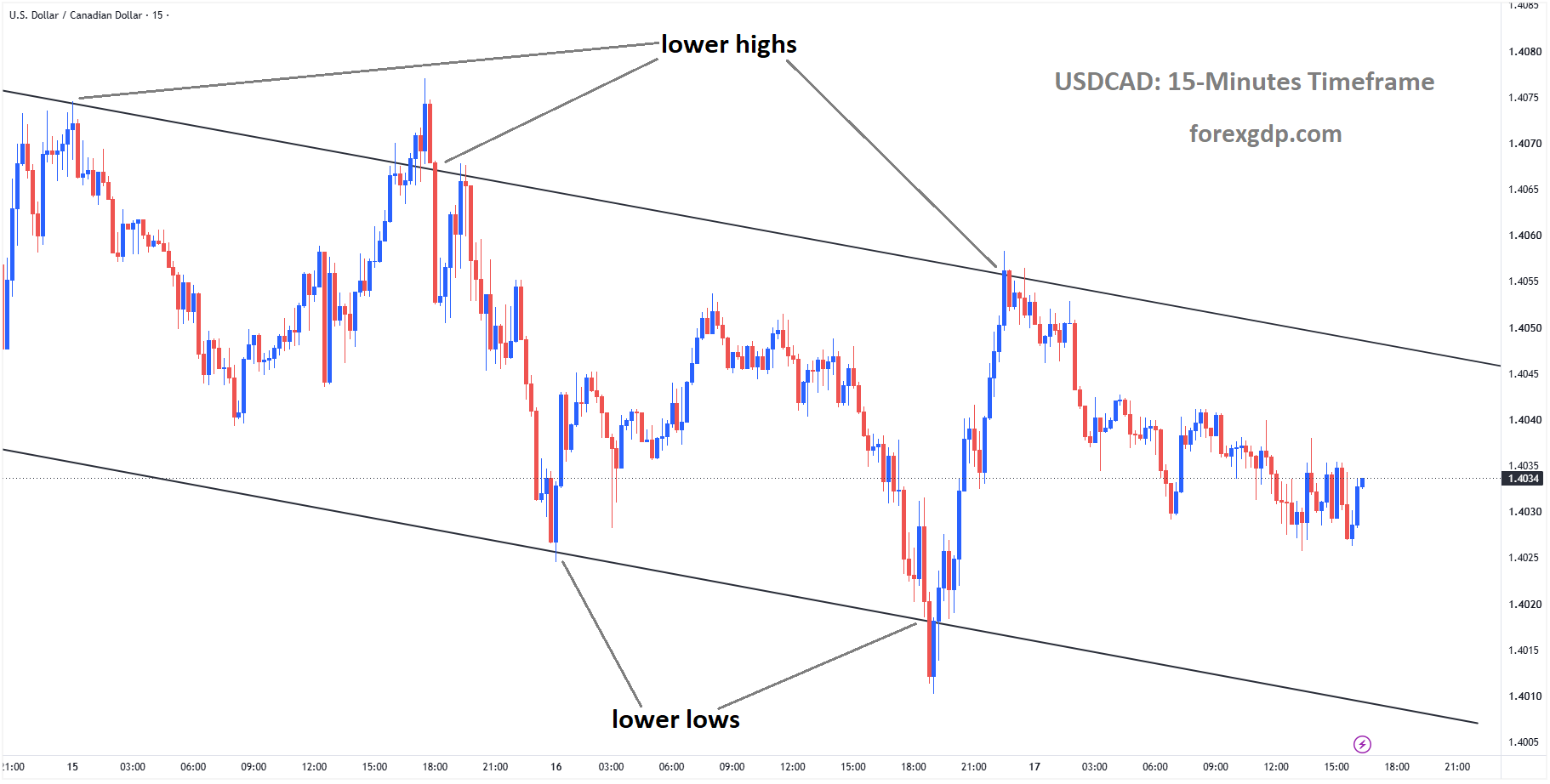
USDCAD is moving in a descending channel
Investors are closely watching the ongoing conflict in the Middle East, changes in energy markets, and expectations surrounding the US Federal Reserve. These developments are creating a mixed environment where neither currency has a clear advantage. At the same time, traders are preparing for a series of US economic reports that could influence short-term market sentiment.
Oil Prices Continue to Support the Canadian Dollar
One of the biggest factors supporting the Canadian Dollar is the strength in crude oil prices. Oil has remained near its recent highs as concerns over global energy supplies continue to grow.
Canada is one of the world’s largest oil exporters, so higher oil prices often strengthen its currency. When energy markets remain firm, investors generally see the Canadian Dollar as more attractive, which creates pressure on the USD/CAD pair.
Although the Bank of Canada recently maintained a cautious tone regarding the economy, the positive impact of stronger oil prices has helped balance those concerns. This has allowed the Canadian Dollar to remain relatively stable despite uncertainty in other parts of the global economy.
Rising Middle East Tensions Keep Investors Alert
The situation in the Middle East continues to play a major role in financial markets. Recent military actions between the United States and Iran have increased fears that the conflict could expand further.
Reports indicate that the United States has continued its military operations against Iran, while Iran has responded by targeting American military facilities in the region. There have also been reports of damage to civilian infrastructure, raising concerns that the conflict may become even more serious.
Whenever geopolitical risks increase, investors often become more cautious. During uncertain periods, many choose to move their money into assets considered safer, and the US Dollar usually benefits from this shift in market sentiment.
As a result, while higher oil prices support the Canadian Dollar, growing geopolitical uncertainty is helping prevent the US Dollar from weakening significantly.
Energy Supply Risks Remain a Major Concern
Another important factor influencing the market is the possibility of disruptions to global energy supplies.
Recent reports suggest that Iran has warned it could expand the conflict by targeting additional energy transportation routes. According to Reuters, Iranian officials have also requested support from Yemen’s Houthi forces to prepare for possible actions affecting shipping through the Red Sea.
At the same time, restrictions involving Iranian ports and shipping routes have added to concerns about the smooth flow of global oil supplies. These developments have kept traders focused on the possibility of tighter energy markets in the coming weeks.
When investors believe oil supplies could become more limited, energy prices tend to remain elevated. This continues to provide support for oil-exporting countries like Canada while also creating new challenges for central banks trying to control inflation.
Federal Reserve Expectations Support the US Dollar
The outlook for US monetary policy remains another key driver for USD/CAD.
Higher energy costs can increase inflationary pressures, making it more difficult for the Federal Reserve to ease its policy stance. As inflation concerns remain present, many investors believe the central bank could maintain a firm approach toward interest rates for longer than previously expected.
These expectations continue to offer support to the US Dollar.
Even though the Canadian Dollar is benefiting from strong oil prices, the belief that the Federal Reserve will remain focused on controlling inflation has prevented a larger decline in USD/CAD.
This balance between stronger oil prices and a resilient US Dollar explains why the pair has struggled to establish a clear direction.
Economic Data Could Shape Short-Term Market Moves
Market participants are now shifting their attention toward several important US economic releases scheduled for Friday.
The upcoming reports include updates on:
- Building Permits
- Housing Starts
- Industrial Production
- University of Michigan Consumer Sentiment
- Inflation Expectations
These reports will provide fresh insight into the health of the US economy and consumer confidence.
Strong economic numbers could reinforce confidence in the US economy and strengthen the US Dollar further. On the other hand, weaker-than-expected results could reduce some of the recent support for the currency.
In addition to economic data, investors will also closely follow speeches from Federal Reserve officials. Their comments may offer further clues about the central bank’s future policy direction, making them an important focus for currency traders.
Mixed Forces Keep USD/CAD Trading Carefully
The current market environment reflects a balance between competing economic forces.
On one side, strong crude oil prices continue to support the Canadian Dollar by improving Canada’s outlook as a major energy exporter.
On the other side, geopolitical uncertainty and expectations that the Federal Reserve could maintain a firm policy stance continue to provide strength to the US Dollar.
Because both currencies are receiving support from different factors, traders remain cautious about making aggressive positions. Market sentiment can change quickly as new developments emerge from the Middle East or as fresh economic data becomes available.
This balanced backdrop explains why the pair has remained under pressure while avoiding a deeper decline.
Summary
USD/CAD continues to trade in a market influenced by several powerful global factors. Strong oil prices are providing steady support for the Canadian Dollar, while rising tensions in the Middle East and expectations surrounding the Federal Reserve are helping the US Dollar remain resilient.
Investors are also keeping a close watch on potential disruptions to global energy supplies, as these developments could affect both inflation expectations and central bank decisions. Meanwhile, upcoming US economic reports and comments from Federal Reserve officials are expected to play an important role in shaping short-term market direction.
Until there is greater clarity on geopolitical risks, energy markets, and economic conditions, USD/CAD is likely to remain influenced by these competing fundamental drivers.
USDCHF Stays Stable While Geopolitical Tensions Offset Fed Policy Expectations
The USD/CHF currency pair remained relatively stable as investors weighed growing geopolitical risks against changing expectations for US monetary policy. Both the US Dollar and the Swiss Franc are widely regarded as safe-haven currencies, meaning they often attract demand during periods of global uncertainty. As tensions continue to rise in the Middle East, both currencies have benefited from investors seeking stability.
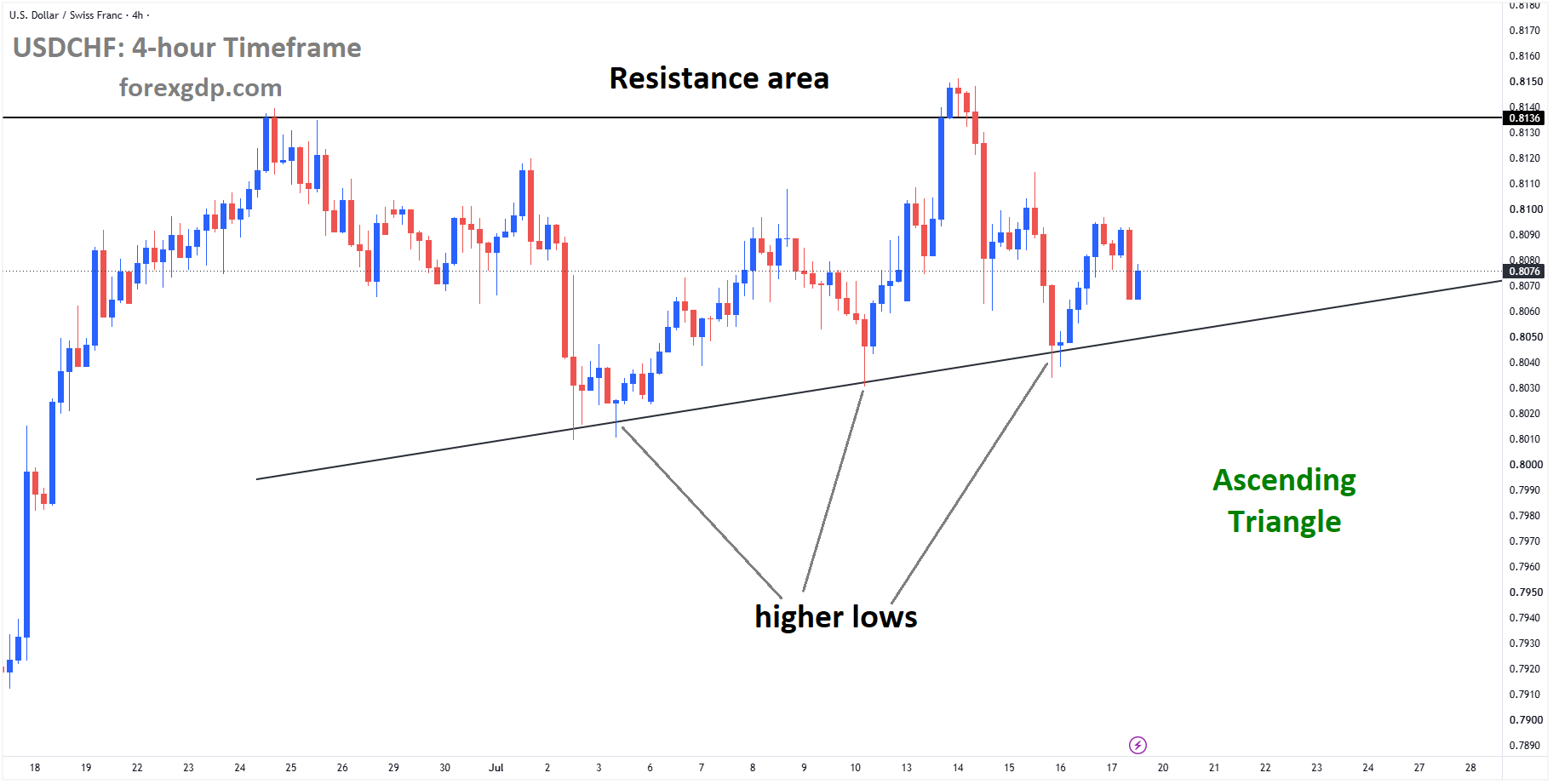
USDCHF is moving in an ascending triangle pattern
At the same time, recent US economic data has changed expectations about future Federal Reserve decisions. Softer inflation figures have reduced the likelihood of another interest rate increase in the near future, limiting the US Dollar’s upside even as geopolitical concerns continue to support it.
Middle East Conflict Keeps Safe-Haven Currencies in Focus
One of the biggest drivers of the USD/CHF pair is the worsening security situation in the Middle East. Investors have become increasingly cautious as reports suggest the conflict could spread further, raising concerns about regional stability and the global economy.
According to reports, Iran has instructed Yemen’s Houthi forces to prepare for the possible closure of the Red Sea oil shipping route if the United States targets Iranian infrastructure. The Red Sea is one of the world’s most important energy transportation routes, and any disruption could have significant consequences for global oil supplies.
Additional reports of explosions in several Iranian cities, including Bandar Abbas, Qeshm, and Ahvaz, along with loud blasts heard in neighboring countries such as Kuwait and Iraq, have added to investor anxiety. These developments have strengthened demand for assets traditionally considered safer during periods of uncertainty.
Red Sea Energy Risks Raise Global Economic Concerns
The possibility of disruptions to energy shipments through the Red Sea has become another important concern for financial markets. The route plays a vital role in transporting oil and other energy products to different parts of the world.
If shipping activity is interrupted, supply chains could face new challenges, increasing transportation costs and placing additional pressure on energy markets. Investors worry that these developments could slow global economic growth while also creating fresh inflation risks.
As uncertainty grows, many traders prefer to move their money into safer currencies. This has helped support both the US Dollar and the Swiss Franc, making it difficult for either currency to establish a clear advantage over the other.
Softer US Inflation Changes Federal Reserve Expectations
While geopolitical events have supported the US Dollar, recent economic data from the United States has limited its strength.
The latest inflation reports showed that consumer prices increased at a slower pace than economists had expected. In addition, producer prices unexpectedly declined, suggesting that inflationary pressure may continue to ease in the coming months.
These reports have led investors to believe that the Federal Reserve is less likely to raise interest rates in the immediate future. Markets have largely dismissed the possibility of a rate increase at the upcoming policy meeting, although opinions remain divided over what could happen later this year.
Lower expectations for future interest rate hikes generally reduce support for the US Dollar because higher interest rates tend to make a currency more attractive to investors seeking better returns.
Strong Labor Market Offers Some Support to the US Dollar
Although inflation data has softened, the US labor market continues to show resilience.
Recent figures revealed that the number of Americans filing for unemployment benefits fell to its lowest level in two months. A healthy job market suggests that businesses continue to hire workers despite economic uncertainty.
Strong employment conditions help support consumer spending, which remains a key driver of the US economy. This positive labor market data has prevented the US Dollar from weakening significantly even as expectations for additional Federal Reserve tightening have eased.
Investors are now balancing the impact of lower inflation with the continued strength of employment before making longer-term decisions about the outlook for the US economy.
Swiss Franc Continues to Benefit from Market Uncertainty
The Swiss Franc has also attracted steady demand because Switzerland has long been viewed as a financially stable country during periods of international stress.
Whenever geopolitical tensions rise or financial markets become more volatile, investors often increase their exposure to the Swiss Franc. This pattern has once again become visible as uncertainty surrounding the Middle East continues to grow.
Since both the US Dollar and Swiss Franc are considered safe-haven currencies, they often strengthen at the same time during global crises. As a result, the USD/CHF pair may remain relatively balanced unless one currency receives stronger support from economic data or central bank policy.
Swiss National Bank Highlights Inflation Risks

The Swiss National Bank maintained its benchmark interest rate unchanged during its June policy meeting, indicating that its medium-term inflation outlook remains broadly stable.
However, policymakers also acknowledged that geopolitical tensions have increased short-term inflation risks. Rising conflicts can disrupt global trade, increase energy prices, and create uncertainty that eventually feeds into consumer prices.
The central bank noted that although inflation remains under control for now, external developments could quickly change the economic environment. This cautious stance reflects the uncertainty currently facing many central banks around the world.
Officials continue to monitor international events closely before deciding whether future policy adjustments will become necessary.
Markets Watch Both Politics and Economic Data
The outlook for USD/CHF remains closely linked to two major factors: geopolitical developments and economic data.
Any further escalation in the Middle East could continue driving demand for both safe-haven currencies. Investors will also watch for updates regarding energy supply routes, as disruptions could influence inflation expectations and global economic activity.
At the same time, future US inflation reports, employment figures, and Federal Reserve communications will remain important for determining the direction of the US Dollar. Similarly, statements from the Swiss National Bank regarding inflation and economic conditions could influence demand for the Swiss Franc.
With both central banks taking a cautious approach and global uncertainty remaining elevated, market participants are expected to remain highly sensitive to incoming headlines.
Summary
USD/CHF continues to trade steadily as competing forces keep both currencies well supported. Escalating tensions in the Middle East and concerns over possible disruptions to Red Sea energy shipments have increased demand for safe-haven assets, benefiting both the US Dollar and the Swiss Franc.
Meanwhile, softer US inflation data has reduced expectations of an immediate Federal Reserve rate increase, limiting the Dollar’s upside despite strong labor market conditions. On the Swiss side, the Swiss National Bank has maintained stable interest rates but warned that geopolitical developments could create new inflation risks. As investors monitor both economic indicators and international events, USD/CHF is likely to remain influenced by the balance between global uncertainty and evolving central bank expectations.
AUDUSD Retreats with the US Dollar Gaining on Iran-US Conflict
The Australian Dollar moved lower against the US Dollar on Friday as investors shifted toward safer assets following another rise in geopolitical tensions. Growing uncertainty surrounding the conflict between the United States and Iran encouraged demand for the US Dollar, putting pressure on the Australian currency.
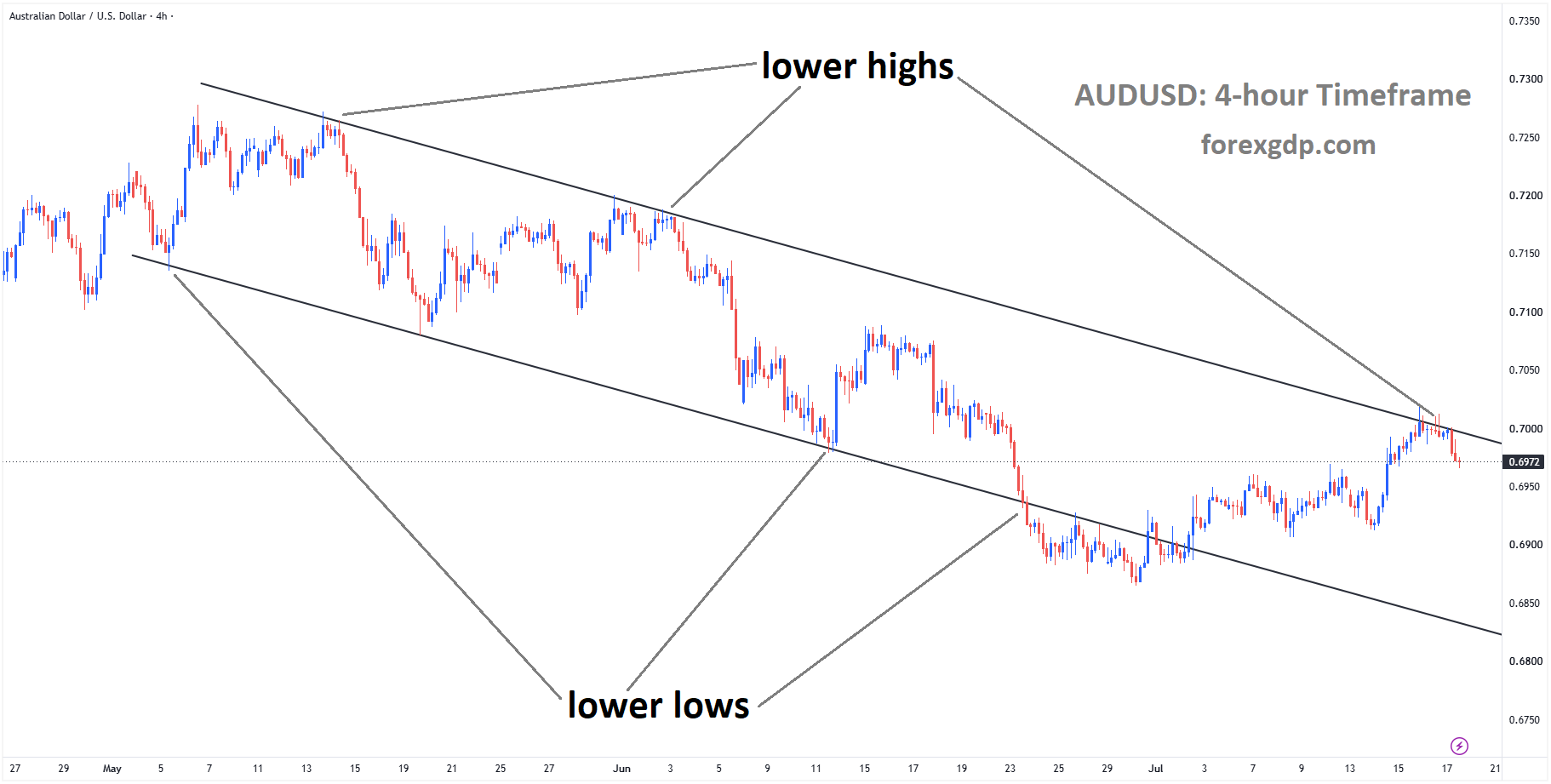
AUDUSD is moving in a descending channel, and the market has fallen from the lower high area of the channel
Although the Australian Dollar has weakened over the past two trading sessions, it continues to show resilience over the broader weekly period. Supportive domestic monetary policy expectations and encouraging economic data from China are helping prevent a deeper decline, even as global uncertainty weighs on market sentiment.
Rising US-Iran Conflict Lifts Demand for the US Dollar
One of the biggest drivers behind the Australian Dollar’s weakness is the renewed demand for the US Dollar as a safe-haven currency. Investors often move money into assets considered more stable whenever geopolitical tensions increase, and the US Dollar is usually one of the main beneficiaries during these periods.
The latest developments in the Middle East have significantly increased concerns across global financial markets. The ongoing military conflict between the United States and Iran has intensified after reports of continued strikes on Iranian infrastructure. At the same time, Iran’s Islamic Revolutionary Guard Corps has claimed responsibility for attacks on several US military facilities while warning that it could expand military actions to important regional energy routes.
These developments have increased fears that the conflict could spread further, creating uncertainty for businesses, investors, and governments around the world. As a result, many traders have reduced exposure to risk-sensitive currencies like the Australian Dollar and increased holdings of the US Dollar.
Energy Supply Concerns Add to Market Anxiety
Another major factor supporting the US Dollar is the growing concern over global energy supplies.
Reports suggesting possible disruptions in key shipping routes, including the Strait of Hormuz and the Red Sea, have raised fears that global energy transportation could face significant challenges if the conflict continues to escalate. These waterways are among the world’s most important routes for oil shipments, making any threat to their operation a major concern for international markets.
Whenever energy supply risks increase, investors begin to worry about higher transportation costs and renewed inflation pressures. Those concerns often reduce demand for riskier assets while strengthening traditional safe-haven currencies.
The possibility of prolonged instability in the region has therefore added another layer of pressure on the Australian Dollar while increasing support for the US Dollar.
Strong US Economic Data Reinforces Dollar Strength
Beyond geopolitical developments, recent economic data from the United States has also strengthened confidence in the US economy.
Fresh labor market figures showed that weekly unemployment claims fell by more than many analysts had expected. This suggests that the US job market remains healthy despite ongoing economic uncertainty.
At the same time, manufacturing activity also showed notable improvement. Better-than-expected business conditions indicate that parts of the US economy continue to perform well even while higher borrowing costs remain in place.
Strong economic performance generally supports the US Dollar because it gives investors greater confidence in the country’s economic outlook. When economic indicators remain positive, markets often believe that the Federal Reserve has more flexibility to maintain a firm monetary policy if inflation remains above its target.
Federal Reserve Officials Maintain Hawkish View
Comments from several senior Federal Reserve policymakers have further supported the US Dollar.
Federal Reserve officials Lorie Logan and Philip Jefferson both indicated that inflation remains an important concern and suggested that additional interest rate increases could still be considered if price pressures do not ease sufficiently.
While markets continue to monitor incoming inflation data, these comments reinforced expectations that the central bank remains committed to controlling inflation, even if that requires keeping monetary policy restrictive for longer.
A central bank that signals a willingness to maintain tighter financial conditions generally provides support for its currency. This has added another reason for investors to favor the US Dollar during the current period of uncertainty.
Reserve Bank of Australia Continues to Offer Support
Despite the Australian Dollar’s recent weakness, its overall outlook has not deteriorated significantly.
The Reserve Bank of Australia has maintained a relatively firm policy stance compared with several other major central banks. Policymakers continue to closely monitor inflation while remaining prepared to act if price pressures stay elevated.
This cautious but determined approach has helped provide underlying support for the Australian Dollar. Investors continue to believe that Australian policymakers remain focused on keeping inflation under control while supporting long-term economic stability.
Although external events are currently driving short-term market movements, the Reserve Bank’s position helps prevent the Australian Dollar from experiencing even sharper losses.
China’s Economic Resilience Benefits the Australian Dollar

China remains one of Australia’s largest trading partners, making Chinese economic performance an important factor for the Australian Dollar.
Recent economic data from China has pointed to continued resilience across several areas of the economy. Stable economic activity supports demand for Australian exports, particularly raw materials and commodities that play a major role in Australia’s economy.
As long as China’s economy continues to show steady growth, it can provide an important cushion for the Australian Dollar during periods of global uncertainty.
This positive backdrop is helping offset some of the pressure created by rising geopolitical risks and stronger demand for the US Dollar.
Global Sentiment Remains the Key Driver
Investor sentiment has become increasingly sensitive to international developments, especially geopolitical events.
The combination of military tensions, concerns over global energy supplies, strong US economic data, and firm Federal Reserve messaging has encouraged investors to prioritize safety over risk. This environment naturally favors the US Dollar while creating challenges for currencies that are more closely linked to global growth, including the Australian Dollar.
However, Australia continues to benefit from supportive domestic monetary policy expectations and improving economic conditions in China. These factors could help stabilize the currency once global uncertainty begins to ease.
Summary
The Australian Dollar remains under pressure as renewed tensions between the United States and Iran drive investors toward the safety of the US Dollar. Growing concerns over energy supply disruptions, resilient US economic data, and hawkish signals from Federal Reserve officials have strengthened demand for the American currency.
Even so, the Australian Dollar continues to receive important support from the Reserve Bank of Australia’s relatively firm policy stance and resilient economic performance in China. While global geopolitical developments are currently dominating market sentiment, these underlying strengths could help limit further weakness if conditions become more stable in the weeks ahead.
Don’t trade all the time, trade forex only at the confirmed trade setups
Get more confirmed trade signals at premium or supreme – Click here to get more signals, 2200%, 800% growth in Real Live USD trading account of our users – click here to see , or If you want to get FREE Trial signals, You can Join FREE Signals Now!